
If you’re an avid gardener or just starting to explore the world of fruit-bearing trees, chances are you’ve heard about the Chicago fig tree. This beloved tree has been a staple in many American cities for decades, prized for its sweet and luscious figs that ripen in late summer. But what makes this tree so special? With its rich history dating back to ancient Greece and Rome, the Chicago fig tree has evolved into various varieties that thrive in the Midwest climate.
In our comprehensive guide, we’ll delve into the world of Chicago fig trees, covering everything from cultivating and pruning techniques to common pests and care tips. Whether you’re a seasoned gardener or a beginner looking for advice on how to grow your own figs, this article will provide you with all the necessary information to grow a thriving tree in your backyard. By the end of it, you’ll be equipped to nurture your very own Chicago fig tree into a fruitful and beautiful addition to your garden.
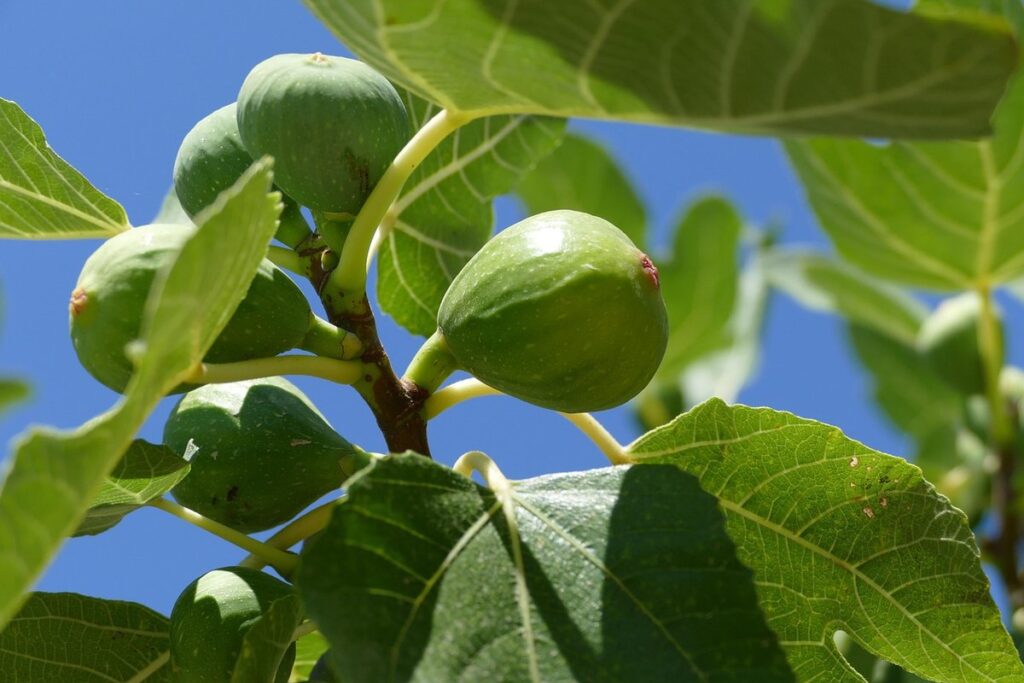
History and Origins of the Chicago Fig Tree
Let’s dig into the fascinating history behind this beloved tree, which has been delighting gardeners for centuries with its sweet fruit. You’ll learn where it all began and how it ended up in Chicago gardens.
Early Development in Illinois
In the early 20th century, nurserymen introduced the Chicago fig tree to Illinois as a cold-hardy alternative to Mediterranean varieties. This marked the beginning of its cultivation in the region. The first plantings were likely made by experienced growers who recognized the potential benefits of a fruit-bearing tree that could thrive in the state’s climate.
One of the key factors contributing to the Chicago fig tree’s success in Illinois was its ability to tolerate temperatures as low as -20°F (-29°C). This hardiness allowed it to grow and produce fruit even in areas with harsh winters. Growers soon discovered that the Chicago fig tree could be grown in USDA zones 5-8, making it an attractive option for those living in these regions.
Today, many Illinois growers continue to cultivate the Chicago fig tree, enjoying its high yields and resistance to common pests and diseases. If you’re interested in growing your own Chicago fig tree, look for nursery-bred varieties that have been specifically developed for cold climates. With proper care and maintenance, your tree should thrive, providing you with delicious fruit for years to come.
Breeding and Hybridization Efforts
In recent years, significant strides have been made in breeding and hybridization efforts for the Chicago fig tree. One notable example is the development of new cultivars such as ‘Brown Turkey’ and ‘Black Jack’. These varieties were specifically bred to exhibit improved tolerance to cold temperatures, making them an ideal choice for growers in cooler climates.
For instance, ‘Brown Turkey’ has been found to maintain its productivity even at temperatures as low as 10°F (-12°C), while still providing high-quality fruit. This is a significant improvement over other varieties, which often suffer from damage or reduced yields in similar conditions.
In addition to cold hardiness, breeders have also focused on disease resistance. ‘Black Jack’, for example, has been observed to exhibit robust immunity to common fig tree diseases such as root rot and anthracnose. This makes it a popular choice among growers seeking low-maintenance varieties.
These new cultivars not only offer improved performance but also open up new possibilities for growers looking to experiment with different combinations of traits. By selecting the right variety, gardeners can enjoy a more reliable and successful harvest, even in challenging conditions.
Characteristics and Varieties of Chicago Fig Trees
There are many characteristics that set the Chicago fig tree apart, and understanding these traits is essential for selecting the right variety for your garden. Let’s explore some of its most notable features!
Physical Description and Growth Habits
The Chicago fig tree (Ficus carica) is a deciduous shrub or small tree that can grow into a majestic specimen with proper care. Its physical characteristics are quite distinctive and help identify it among other varieties.
Leaves of the Chicago fig tree are typically heart-shaped, with pointed tips and wavy margins, usually 2-4 inches long and 1-3 inches wide. They have a leathery texture and are a deep green color on top, while the underside is lighter due to the presence of fine hairs.
The bark of the mature tree is rough, grayish-brown, and fissured with age, giving it an attractive texture. Fruit appears in late summer and early fall, typically in August or September, depending on weather conditions. They are small, oval-shaped, and usually around 1-2 inches long, featuring a brown or reddish-brown skin that’s edible.
When fully grown, Chicago fig trees can reach 10-15 feet tall with a spread of approximately 6-8 feet wide. This makes them an ideal choice for smaller spaces in urban gardens, as they provide shade and attract pollinators without overwhelming the surrounding area.
Fruit Production and Quality
When it comes to fruit production and quality, Chicago fig trees are known for their exceptional yields of delicious, sweet figs. There are several types of figs produced by these trees, including the popular ‘Brown Turkey’, ‘Chicago Hardy’, and ‘Violette de Bordeaux’ varieties.
Each of these varieties has its own unique flavor profile and sugar content, making them suitable for different uses in the kitchen. For example, ‘Brown Turkey’ figs are rich in brown sugars and have a slightly sweet, nutty taste that makes them perfect for fresh consumption or cooking down into jams and preserves.
On the other hand, ‘Chicago Hardy’ figs are known for their high sugar content and sweet flavor, making them ideal for eating fresh off the tree. Meanwhile, ‘Violette de Bordeaux’ figs have a slightly sweeter taste than ‘Brown Turkey’, with hints of berries and citrus that add complexity to their flavor profile.
To get the most out of your Chicago fig tree’s fruit production, make sure to choose varieties that suit your needs and preferences. Consider factors such as flavor profile, sugar content, and texture when selecting which types of figs to grow in your garden.
Growing and Maintaining a Healthy Chicago Fig Tree
To ensure your Chicago fig tree thrives, it’s essential to understand how to care for its unique needs throughout different seasons and growth stages. Proper maintenance will keep your tree healthy and productive year-round.
Soil Requirements and Preparation
When it comes to planting a Chicago fig tree, selecting the right soil is crucial for its growth and health. This tree prefers well-drained soil with a slightly acidic pH, ranging from 6.0 to 6.5. If your garden’s native soil doesn’t fall within this range, you can adjust it by adding organic matter like compost or manure.
To prepare the soil, start by testing its pH level using a kit available at most gardening stores. Based on the results, add lime to raise the pH if necessary or sulfur to lower it. Next, mix in a 2-inch layer of compost or well-rotted manure to improve drainage and fertility. You can also incorporate perlite or vermiculite for better aeration.
Maintaining soil fertility is essential for your Chicago fig tree’s continued growth. Mulch around the base of the tree annually to retain moisture and suppress weeds, which can deplete nutrients from the soil. Fertilize sparingly, about once every two months during the growing season with a balanced, water-soluble fertilizer. This will promote healthy root development and fruit production, ensuring your Chicago fig tree thrives in its new environment.
Watering and Irrigation Strategies
Watering and irrigation are crucial aspects of caring for your Chicago fig tree. A consistent supply of water ensures healthy growth, fruit production, and overall well-being of the tree. As a general rule, Chicago fig trees require about 1 inch of water per week during their first year after planting. However, this may vary depending on weather conditions.
To determine if your tree needs watering, check the soil moisture by inserting your finger into the soil up to 2-3 inches deep. If it feels dry, it’s time for a thorough soaking. Water deeply once or twice a week during hot summer months and reduce frequency in cooler seasons. Mulching around the base of your fig tree helps retain moisture and suppress weeds.
Apply a 2-inch layer of organic mulch such as wood chips or bark, keeping it a few inches away from the trunk to prevent rot. Also, avoid overwatering, which can lead to root rot and other problems. Monitor your tree’s response to watering and adjust your strategy accordingly. With proper care, your Chicago fig tree will thrive in its new environment.
Pests and Diseases Affecting Chicago Fig Trees
As a fig tree owner, it’s essential to be aware of the potential pests and diseases that can affect your Chicago fig tree, impacting its health and yield. Common issues include root rot and scale infestations.
Common Issues and Symptoms
Chicago fig trees are susceptible to various pests and diseases that can cause significant damage if left unchecked. One common issue is root rot, which occurs when the roots of the tree become waterlogged due to overwatering. Warning signs include yellowing leaves, droopy branches, and a soft, mushy texture in the trunk and roots. To prevent this, ensure good drainage around your tree and avoid watering during periods of heavy rainfall.
Another common pest affecting Chicago fig trees is aphids. These small, sap-sucking insects can multiply quickly, causing curled or distorted leaves. They often appear in clusters on the undersides of leaves and can be treated with insecticidal soap or neem oil. Keep an eye out for ants as well, as they can protect aphid colonies from predators.
Spider mites are another nuisance that can infest your Chicago fig tree. These tiny arachnids feed on sap, causing fine webbing and yellowing leaves. Regularly inspect your tree for signs of infestation, and consider using a miticide if necessary.
Management and Treatment Options
When it comes to managing pests and diseases on your Chicago fig tree, early detection is key. Regularly inspect your tree for signs of infestation or infection, such as yellowing leaves, black spots, or white powdery patches.
If you suspect a problem, it’s essential to identify the pest or disease accurately before taking action. Some common pests affecting Chicago fig trees include spider mites, mealybugs, and scale insects, while fungal diseases like root rot, leaf spot, and powdery mildew are also prevalent.
To manage these issues, adopt an integrated pest management (IPM) strategy that combines physical barriers, cultural controls, and organic treatments. For example, use fine mesh to cover your tree during peak insect seasons or prune infected areas to prevent the spread of disease.
Organic treatment options include neem oil, horticultural oil, and sulfur-based products, which can be applied according to the product’s instructions. Regularly water your tree with a balanced fertilizer to promote healthy growth and increase its resistance to pests and diseases.
Pruning and Training Techniques for a Healthy Tree
Proper pruning and training are crucial for maintaining your Chicago fig tree’s shape, promoting healthy growth, and encouraging fruit production. Regular pruning will help you achieve these goals.
Why Prune Your Chicago Fig Tree?
Pruning is an essential aspect of maintaining a healthy Chicago fig tree. When done correctly, it promotes fruit production, controls the size of the tree, and ensures its overall well-being. By pruning regularly, you’ll encourage the growth of new branches, allowing for more sunlight to reach the fruiting wood and increasing yields.
Not pruning your tree can lead to problems such as overgrowth, reduced fruit production, and increased susceptibility to disease. Regular pruning also helps control pests like fig wasps, which can infest the tree if left unmanaged. For example, a study found that regularly pruned trees in California experienced a significant increase in fruit production compared to those left unpruned.
To prune your Chicago fig tree effectively, remove any dead or diseased branches, as well as weak growth. Cut back any suckers that appear at the base of the tree. Prune during the dormant season (winter or early spring) to minimize stress on the tree. A general rule is to prune no more than 25% of the tree’s total foliage each year to prevent shock and ensure a balanced recovery process.
When pruning, consider the mature size of your tree and shape it accordingly. This will help maintain its overall structure and promote even growth.
Pruning Techniques and Timing
Pruning is an essential part of Chicago fig tree care, as it helps maintain shape, promotes healthy growth, and encourages fruiting. When to prune your fig tree depends on its age and purpose. For young trees, prune during the dormant season (winter or early spring) to establish a strong structure. Remove any weak or damaged branches, cutting them back to about 6-8 inches from the trunk.
For mature trees, prune in late winter or early spring, removing any crossing or rubbing branches. Cut these branches just above a growth node, using a clean, sharp tool to prevent damage. When removing larger branches, make the cut about 1-2 feet from the trunk, cutting at an angle to direct water away from the trunk.
Timing is also crucial – prune your fig tree when it’s fully dormant or in late winter, avoiding spring and summer pruning that can stimulate new growth that may not have time to harden off before winter. Regular pruning will help maintain a balanced shape, promote fruiting, and ensure overall health of your Chicago fig tree.
Frequently Asked Questions
What are some common mistakes to avoid when growing a Chicago fig tree for the first time?
When starting with a Chicago fig tree, it’s essential to provide adequate sunlight (at least 6 hours) and well-draining soil to prevent root rot. Avoid overwatering, which can lead to nutrient deficiencies and pest problems.
How often should I prune my Chicago fig tree to maintain its health and productivity?
Prune your Chicago fig tree annually in late winter or early spring, removing any dead, diseased, or damaged branches. This encourages new growth, promotes fruiting, and maintains a balanced canopy.
Can I grow a Chicago fig tree in a container on a balcony or patio?
Yes, you can grow a dwarf or compact Chicago fig tree variety in a large container (at least 14-16 inches deep) with regular fertilization and pruning. Ensure the pot has good drainage holes to prevent waterlogged soil.
How do I protect my Chicago fig tree from common pests like aphids, whiteflies, and spider mites?
Regularly inspect your tree for signs of infestation and use neem oil or insecticidal soap to control aphid, whitefly, and spider mite populations. Keep an eye out for ants, which can also harm the tree.
What’s the best way to store figs once they’re harvested from my Chicago fig tree?
After harvesting, store fresh figs at room temperature (55-65°F) or in a cooler (around 40°F) to prolong their shelf life. You can also freeze them by spreading on a baking sheet and transferring to an airtight container or freezer bag.