
Are you struggling to care for your hen and chick succulents? These adorable plants can be finicky, but with the right advice, you can bring them to their full potential. As a succulent enthusiast, I’m excited to share expert tips on how to keep your hen and chick plants thriving.
From propagation methods that guarantee success to advanced care techniques for pest control and beyond, we’ll cover it all. Whether you’re a seasoned succulent grower or just starting out, this article is designed to provide actionable advice that will transform the health and happiness of your hen and chick collection. By the end of this post, you’ll be equipped with the knowledge to overcome common challenges and unlock the full beauty of these unique plants. So let’s dive in!
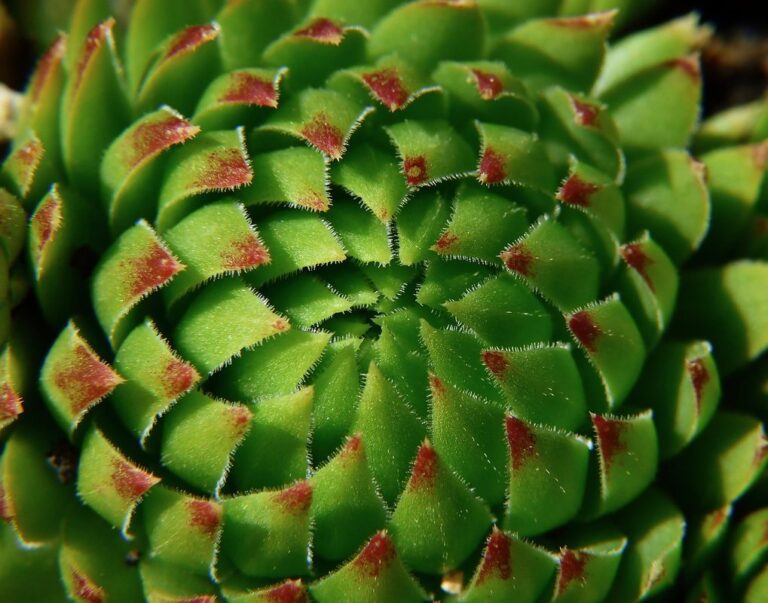
What are Hen and Chick Succulents?
Hen and chick succulents are a type of plant that’s often misunderstood, but knowing their unique characteristics will help you care for them properly. Let’s start by understanding what they’re all about!
Characteristics of Hen and Chick Succulents
Hen and chick succulents are a delight to grow and admire. These adorable plants have gained immense popularity due to their unique characteristics and low-maintenance requirements. One of the most distinctive features of hen and chick succulents is their appearance. They come in a variety of shapes, sizes, and colors, with some species sporting delicate, lacy leaves while others boast thick, fleshy rosettes.
In terms of growth habits, these plants are relatively slow-growing, making them perfect for indoor pots or small gardens where space is limited. Some species can grow up to 6 inches tall, but most varieties remain compact and won’t outgrow their containers quickly. Their slow pace also means they don’t require frequent repotting, a bonus for busy gardeners.
Their popularity stems from their versatility in various settings – from indoor spaces with low light to outdoor areas with plenty of sunlight. Many collectors prize hen and chick succulents for their stunning rosette formations, delicate flowers, or intriguing color combinations. With proper care, these plants can thrive for years, making them a rewarding addition to any collection or garden.
Types of Hen and Chick Succulents
Hen and chick succulents come in a variety of shapes, sizes, and colors, offering endless possibilities for gardeners to experiment with. Among the numerous types available, some popular varieties include ‘Hummelo’, ‘Kameling’, and ‘Moonshine’.
‘Hummelo’ is known for its large, round rosettes that can grow up to 2-3 inches in diameter, displaying vibrant shades of green with subtle hints of blue or purple undertones. ‘Kameling’, on the other hand, boasts smaller, more delicate rosettes with intricate patterns and colors, making it a favorite among succulent enthusiasts.
‘Moonshine’ stands out for its striking silver-gray hue and unique teardrop shape, which can grow up to 4-6 inches tall. When choosing your hen and chick succulents, remember that their specific needs may vary depending on the variety. Research each type’s requirements for watering, sunlight, and temperature to ensure you provide them with optimal care.
Some varieties also produce offsets or ‘chicks’, which can be separated from the mother plant and propagated to create new succulents. Be sure to handle these delicate offsets gently to avoid damage.
Choosing the Right Location for Your Hen and Chick Succulent
When choosing a spot for your hen and chick succulents, consider their sensitive nature and select a location that provides bright, indirect light but also shields them from harsh direct sunlight.
Lighting Requirements
When it comes to caring for your hen and chick succulents, light is one of the most crucial elements. Succulents generally thrive under bright, indirect light, which helps them undergo photosynthesis efficiently. However, it’s essential to understand that direct sunlight can cause damage to their delicate leaves.
The optimal amount of light for your hen and chick succulents depends on various factors such as the season, location, and type of succulent. For example, in spring and summer months when days are longer, you can place them near an east- or west-facing window, which provides gentle yet sufficient light. In contrast, during autumn and winter when daylight hours are shorter, you might need to supplement their lighting with grow lights.
In terms of types of lighting, most succulents prefer bright, indirect light from sources like LED grow lights or fluorescent lights. Avoid placing your hen and chick succulents in areas with direct sunlight, especially during peak hours, as this can cause scorching and discoloration on the leaves. By striking the right balance between light and shade, you’ll be well on your way to nurturing healthy and thriving hen and chick succulents.
Temperature and Humidity Considerations
When it comes to creating an ideal environment for your hen and chick succulent, temperature and humidity play crucial roles in their healthy growth. The ideal temperature range for most succulents is between 65°F (18°C) and 75°F (24°C). Temperatures above or below this range can cause stress, leading to issues like etiolation or even death.
Humidity levels also significantly impact your succulent’s well-being. Most hen and chick varieties thrive in environments with relatively low humidity – typically between 40% and 50%. To maintain optimal humidity levels, place your pot on a tray filled with water and pebbles. As the water evaporates, it increases moisture without creating an overly humid environment.
Keep in mind that some succulent species are more sensitive to temperature fluctuations than others. If you live in an area with extreme temperatures, consider choosing heat-tolerant or cold-sensitive varieties. Be mindful of drafts near your plants and provide them with a sheltered spot away from direct sunlight during the hottest parts of the day.
Watering and Fertilizing Your Hen and Chick Succulent
When it comes to keeping your hen and chick succulents happy and thriving, proper watering and fertilization are crucial. In this section, we’ll walk you through how to get these essential care tasks just right.
Overwatering: The Silent Killer
Overwatering is one of the most common mistakes succulent enthusiasts make, and it can be particularly devastating for delicate hen and chick plants. When you water your succulents too frequently, the roots become soggy and start to rot, leading to a range of problems.
This can manifest in two main ways: root rot and fungal diseases. Root rot occurs when the roots are exposed to excess moisture, causing them to soften and decay. This is usually accompanied by yellowing or browning leaves, which can be a clear sign that something’s amiss. Fungal diseases, on the other hand, thrive in moist environments and can cause lesions on the leaves and stems of your succulents.
To avoid this silent killer, make sure to check the moisture levels in the soil before watering. Stick your finger into the soil up to the first knuckle, and if it feels dry, it’s time for a drink. Also, consider using well-draining potting mix to help excess water escape quickly. By being mindful of these factors, you can create an environment that allows your hen and chick succulents to thrive without becoming victims of overwatering.
Proper Fertilization Techniques
When it comes to fertilizing your hen and chick succulents, timing and type are crucial. You should fertilize your succulents during the growing season, which typically spans from spring to fall. This is when they’re most active and require more nutrients to produce new growth.
During this period, you can use a balanced fertilizer (20-20-20) that contains equal parts nitrogen, phosphorus, and potassium. These macronutrients are essential for healthy plant growth. However, it’s best to dilute the fertilizer to half the recommended strength to avoid burning your succulent’s roots.
For repotting or propagation, use a starter fertilizer (10-20-10) that has higher phosphorus levels to promote root development. Avoid over-fertilizing as this can lead to weak and leggy growth. In general, it’s better to err on the side of caution and fertilize less often than you think necessary. Water your succulents before applying fertilizer to ensure the roots absorb the nutrients properly.
Some examples of organic fertilizers suitable for hen and chick succulents include compost tea, worm castings, and fish emulsion.
Propagation Methods for Hen and Chick Succulents
Now that you’ve mastered basic care, it’s time to learn how to multiply your hen and chick succulents through division, leaf cuttings, and other propagation methods. We’ll walk you through each step!
Leaf and Stem Cuttings
Propagation from leaf and stem cuttings is one of the most popular methods for multiplying Hen and Chick succulents. It’s a relatively easy process that allows you to create new plants from mature leaves and stems, which can be taken from mother plants or even from offsets.
To take leaf cuttings, simply twist or cut off healthy leaves from the mother plant, making sure each cutting has at least two inches of stem attached. Allow the cut ends to dry for a few days before placing them in well-draining soil. Keep the soil consistently moist but not waterlogged, and you should see roots develop within 1-2 weeks.
For stem cuttings, snip off sections about an inch long from mature stems. Remove lower leaves and dip the cut end into rooting hormone to encourage root growth. Plant the cutting in a pot filled with a good quality succulent mix, and keep it in bright indirect light until roots appear.
In general, it’s essential to use healthy material for propagation to ensure success. Avoid taking cuttings from weak or diseased plants, as this can lead to poor rooting and reduced chances of survival.
Division and Repotting
Dividing mature hen and chick succulents is an excellent way to encourage new growth and maintain their shape. To do this, gently remove the mature plant from its pot and separate the rosettes, taking care not to damage the delicate leaves or stems. You can then repot each rosette into a small pot filled with well-draining soil, watering sparingly until roots develop.
It’s essential to choose the right time for division – autumn is usually an ideal time, as the plant has finished producing offsets and is dormant. This allows you to gently separate the rosettes without causing stress or damage.
To promote healthy growth after repotting, ensure each new pot receives plenty of bright, indirect light and maintain a consistent temperature between 65-75°F (18-24°C). Water sparingly during the first few weeks, as this helps prevent root rot and encourages roots to establish themselves in their new environment.
Common Pests and Diseases Affecting Hen and Chick Succulents
Unfortunately, even the hardiest hen and chick succulents can fall victim to pests and diseases, which can be tricky to spot if you don’t know what to look for. Let’s take a closer look at some common culprits.
Identifying Common Issues
As you care for your hen and chick succulents, it’s essential to be aware of common issues that can arise. One way to identify problems is by looking out for specific symptoms and signs.
Mealybugs are a common pest that can infest these plants. These tiny, white insects feed on the sap of the plant, causing curled or distorted leaves. You may also notice a sticky substance called honeydew on the leaves or soil. To check for mealybugs, gently turn over the leaves and inspect the undersides.
Root rot is another issue that can affect hen and chick succulents. It’s often caused by overwatering, which allows fungi to develop in the roots. You may notice yellowing leaves, soft stems, or a mushy texture when you water the plant. To prevent root rot, ensure your pot has good drainage holes and avoid getting water on the soil surface.
Regularly inspecting your plants can help catch these issues early on. By knowing what to look for, you can take prompt action to address any problems before they become more severe.
Treatment and Prevention Strategies
When it comes to keeping your hen and chick succulents healthy, being proactive is key. Regular maintenance can prevent many common pests and diseases from taking hold, but sometimes issues arise despite our best efforts.
To treat fungal infections, for instance, prune affected areas with sterile tools and apply a fungicide specifically designed for indoor plants. For pests like mealybugs or spider mites, isolate the infected plant to prevent infestation spread, then gently wash the leaves with mild dish soap mixed with water (1:10 ratio). You can also treat pest infestations by introducing beneficial insects like ladybugs or lacewings that prey on these unwanted visitors.
Prevention is always better than treatment. Regular watering, proper temperature control, and adequate light exposure will help keep your hen and chick succulents healthy. Monitor for signs of disease or pests regularly, especially after repotting or propagating new plants. By taking preventative measures and being aware of potential issues, you can enjoy the beauty of these unique succulents all season long.
Maintain good air circulation around your plants to reduce moisture buildup that can foster fungal growth.
Advanced Care Techniques for Experienced Growers
As you’ve grown more confident in your succulent care skills, it’s time to explore some advanced techniques that will take your hen and chick game to the next level. We’ll dive into expert methods for promoting healthy growth and preventing common issues.
Soil Mixtures and pH Levels
When it comes to growing healthy hen and chick succulents, soil mixtures and pH levels play a crucial role. A well-balanced potting mix specifically designed for cacti and succulents is essential to provide the right amount of drainage, aeration, and water retention.
A good quality potting mix should have a slightly acidic to neutral pH level (around 6.0-7.0). This range allows for optimal nutrient uptake and prevents root rot. If your soil’s pH levels are too high or too low, it can lead to nutrient deficiencies or even kill your succulents.
To ensure the right pH balance, you can use a DIY method by mixing equal parts of peat moss (acidic), perlite (neutral), and vermiculite (slightly alkaline). This blend will provide a balanced pH level for your hen and chick succulents. Alternatively, you can purchase a pre-mixed cacti and succulent potting mix that is specifically formulated to meet the needs of these plants.
When repotting or refreshing your soil mixture, avoid using regular garden soil, as it tends to be too dense and may cause root rot.
Pruning and Grooming Tips
Pruning and grooming are essential techniques to maintain the shape and promote healthy growth of your hen and chick succulents. As they grow, these plants can become leggy or develop uneven branches. To prevent this, prune your succulents regularly by removing any weak or damaged stems.
When pruning, make clean cuts just above a node using sharp, sterile scissors or pruning tools to minimize the risk of infection. Cut back overgrown segments to about one-third from the top, encouraging new growth and promoting branching. This will not only maintain the plant’s appearance but also encourage it to produce more offsets (baby plants).
For shaping purposes, you can use a combination of pruning and gentle bending. Gently bend stems in different directions to create a visually appealing shape, and secure them with toothpicks or small sticks if necessary. This technique is particularly useful for achieving the desired shape of your hen and chick succulents.
Some key things to keep in mind when pruning and grooming: avoid over-pruning, which can cause stress to the plant; work on healthy plants only; and do not remove any rosettes (leaves) as this will slow down growth. By regularly pruning and shaping your hen and chick succulents, you’ll be able to maintain their unique appearance and encourage continued growth.
Conclusion: Cultivating a Thriving Hen and Chick Succulent Garden
Now that you’ve mastered the art of caring for your hen and chick succulents, it’s time to ensure their garden thrives with our expert advice on long-term maintenance and care tips. By following these final steps, you’ll be enjoying a stunning display for years to come.
Recap of Key Takeaways
In this ultimate guide to hen and chick succulents, we’ve covered the essential aspects of caring for these beautiful plants. To ensure you’re on the right track, let’s recap the key takeaways.
Firstly, when it comes to choosing the perfect potting mix for your hen and chick succulents, look for a well-draining mix specifically designed for cacti and succulents. This will help prevent root rot and ensure healthy growth.
Next, we discussed the importance of watering your plants correctly. Allow the soil to dry completely between waterings, and avoid getting water on the leaves or crown to prevent fungal diseases. A good rule of thumb is to water every 7-10 days during the spring and summer months.
Propagation techniques were also covered in-depth, including leaf removal, cuttings, and division methods. By mastering these techniques, you can easily multiply your hen and chick succulent collection and share them with friends.
Remember to provide your plants with sufficient light, temperature control, and fertilization to promote healthy growth. By following these key takeaways, you’ll be well on your way to cultivating a thriving hen and chick succulent garden that brings joy and beauty to any space.
Final Tips for Success
As you bring your hen and chick succulent garden to life, remember that consistency is key. Make propagation a regular part of your routine, whether it’s every few weeks or seasonally, to keep your plants constantly evolving and thriving. Keep an eye out for pests like mealybugs and spider mites, and treat any infestations promptly with gentle insecticides.
To ensure your succulents remain healthy and strong, don’t overwater – a common mistake that can be detrimental to these water-storing plants. Instead, focus on providing the right amount of moisture and nutrients through balanced fertilization. Prune regularly to maintain shape, promote new growth, and prevent overcrowding.
Monitor temperature fluctuations in your garden, as extreme heat or cold can damage even the hardiest succulents. Provide some respite from intense sunlight by placing them near a shaded area during the hottest part of the day. With these final tips in mind, you’ll be well on your way to cultivating a thriving and vibrant hen and chick succulent garden that will bring joy and beauty to your outdoor space for years to come.
Frequently Asked Questions
How often should I repot my hen and chick succulent, especially if it’s not showing signs of growth?
Repotting every 1-2 years can provide a fresh start for your plant, even if it doesn’t appear to need it. This is because old soil can become depleted of nutrients over time. Choose a well-draining potting mix specifically designed for cacti and succulents, and gently remove the plant from its container, taking care not to damage any roots.
What’s the best way to propagate hen and chick succulents with leaf cuttings, and what’s the ideal temperature for rooting?
To increase your chances of success, make clean cuts on healthy leaves about 1-2 inches from the base. Allow the cut ends to dry out for a few days before planting them in well-draining soil. The optimal temperature range for rooting is between 65°F (18°C) and 75°F (24°C), with bright indirect light.
Can I grow hen and chick succulents outdoors year-round, or are there specific considerations I should be aware of?
While these plants can tolerate some outdoor conditions, they still require protection from extreme temperatures, intense sunlight, and frost. If you live in a region with mild winters, you can keep your plants outside year-round. However, if you experience harsh winters, bring them indoors during the colder months or move them to a protected area.
How do I prevent pests like mealybugs and spider mites from infesting my hen and chick succulents?
Regularly inspect your plants for signs of infestation, such as white cottony patches (mealybugs) or fine webbing (spider mites). Isolate infected plants to prevent the problem from spreading. Use neem oil or insecticidal soap to treat infestations, and consider introducing beneficial insects like ladybugs or lacewings to your garden.
Can I use regular potting soil for my hen and chick succulents, or do they require a specific type of mix?
Regular potting soil can retain too much moisture and cause root rot. Instead, opt for a well-draining cacti and succulent potting mix specifically designed to prevent waterlogged conditions. This will help ensure your plants receive the right balance of nutrients while minimizing the risk of overwatering.