
If you’re lucky enough to have a Jane magnolia tree in your garden, you know just how stunning it can be. With its large, showy flowers and glossy leaves, this tree is a real showstopper. But caring for a Jane magnolia tree requires more than just occasional watering and pruning – it needs regular maintenance to keep it thriving. In our comprehensive guide, we’ll walk you through the ins and outs of planting, maintaining, and pruning your Jane magnolia tree. From choosing the right location to protecting it from pests and diseases, we’ve got you covered. By the end of this article, you’ll be equipped with all the knowledge you need to keep your Jane magnolia tree healthy and happy for years to come – and enjoy its beautiful flowers year after year.
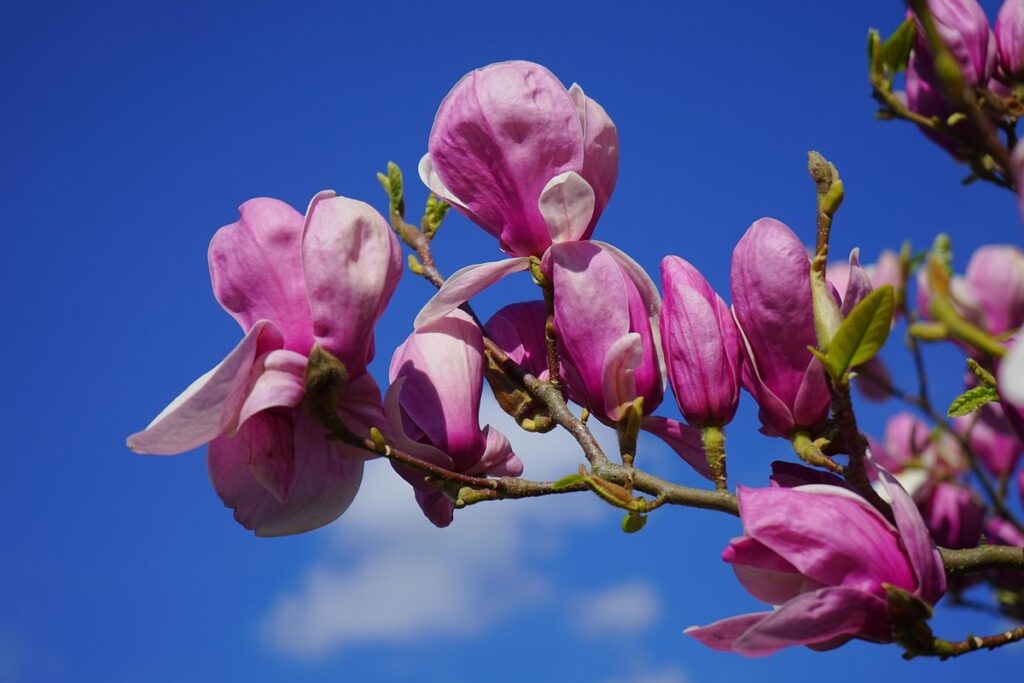
Introduction to the Jane Magnolia Tree
The Jane Magnolia tree is a stunning addition to any garden, and understanding its unique characteristics will help you provide the best care for your new tree. In this section, we’ll take a closer look at what makes it so special.
Brief History of the Jane Magnolia Tree
The development of the Jane magnolia tree is a fascinating story that spans several decades. The tree was first introduced to the market in 2003 by the renowned plant breeder, Jon VanZile. At the time, VanZile was working at Magnolia Trees Nursery in Tennessee, where he began experimenting with different hybrid varieties to create new and exciting cultivars.
Through a process of careful selection and breeding, VanZile created ‘Jane’, a unique magnolia tree that combined the stunning flowers of the Magnolia ‘Butterfly’ with the robust growth habits of Magnolia ‘Stellata’. The result was a tree that boasted large, showy white flowers with a subtle pink tint and an upright, compact growth habit.
The Jane magnolia tree quickly gained popularity among gardeners due to its striking appearance and relatively low maintenance requirements. With proper care, this beautiful tree can thrive in a variety of conditions, making it an excellent choice for gardeners of all levels. Today, the Jane magnolia tree is widely available and remains one of the most sought-after varieties among plant enthusiasts.
Characteristics and Benefits of the Jane Magnolia Tree
The Jane magnolia tree is renowned for its unique blend of size, growth rate, and flowering habits. One of its most notable characteristics is its moderate to slow growth rate, typically reaching maturity between 15-20 feet in height over a period of several years. This slow maturation allows gardeners to maintain control over the tree’s development and prune it as needed.
Flowering is one of the Jane magnolia tree’s most striking features. It blooms in late spring with showy, fragrant flowers that are white on the inside and pink or red on the outside. These flowers are highly attractive to pollinators and can be used for cut flower arrangements. Additionally, the Jane magnolia tree produces dark green, glossy leaves that provide year-round foliage interest.
Some benefits of growing the Jane magnolia tree include its ability to thrive in a variety of soil types and its relatively low maintenance requirements. It is also an excellent choice for gardeners looking to attract wildlife, as it provides a source of nectar and shelter for pollinators and other small animals.
Choosing the Right Location for Your Jane Magnolia Tree
When selecting a location for your Jane Magnolia tree, consider the mature size of the tree and its sun requirements to ensure it receives optimal conditions for growth. Choose a spot that provides sufficient sunlight and space for the tree to thrive.
Selecting a Suitable Climate for the Jane Magnolia Tree
When it comes to selecting a suitable climate for your Jane Magnolia Tree, understanding its preferred conditions is crucial. This stunning tree thrives in full sun to partial shade, making it an ideal choice for regions with moderate temperatures.
In terms of temperature, the Jane Magnolia Tree can tolerate a wide range of climates, but it’s most comfortable in zones 5-8. If you live in an area with extremely hot summers or cold winters, you may need to provide additional care to ensure your tree’s well-being. For example, if you’re growing your tree in a region with high temperatures, be sure to water it regularly to prevent drought stress.
Well-drained soil is also essential for the Jane Magnolia Tree’s growth. Avoid planting it in low-lying areas where water may collect, as this can lead to root rot and other issues. Instead, choose a location with good air circulation and a slightly acidic soil pH (around 6.0-6.5). By selecting a climate that meets these conditions, you’ll be well on your way to growing a healthy and thriving Jane Magnolia Tree.
Preparing the Soil for Planting the Jane Magnolia Tree
When preparing the soil for planting your Jane Magnolia tree, it’s essential to get it right from the start. This will not only ensure a healthy and robust growth but also prevent potential problems down the line. To begin with, test the pH levels of your soil using a DIY kit or by sending a sample to a lab for analysis.
The ideal pH range for Jane Magnolia trees is between 5.5 and 6.5, slightly acidic to neutral. If your soil falls outside this range, you may need to add lime to raise the pH or sulfur to lower it. Next, focus on adding organic matter to enrich the soil’s fertility and structure. You can mix in compost, well-rotted manure, or leaf mold to a depth of about 6-8 inches.
It’s also crucial to remove any debris, rocks, and weeds from the area where you’ll be planting your tree. This will create a smooth surface for the roots to spread out and establish themselves.
Planting and Maintenance of the Jane Magnolia Tree
When planting your Jane Magnolia tree, it’s essential to choose a location with well-draining soil and full sun to partial shade conditions. This will ensure your tree receives the right environment for optimal growth.
Planting the Jane Magnolia Tree: Tips and Tricks
When planting a Jane magnolia tree, it’s essential to get it right from the start. Begin by selecting a location with full sun and well-draining soil. Avoid areas where water tends to collect, as this can lead to root rot and other issues.
Dig a hole that is about twice as wide and just as deep as the tree’s root ball. This will give the roots plenty of room to expand and establish themselves in their new environment. If your soil is particularly dense or heavy clay, consider adding organic matter like compost or well-rotted manure to improve drainage.
Once the hole is prepared, gently remove the tree from its container and place it in the hole. Make sure the graft union (if applicable) is above the soil level. Backfill with a mix of soil and organic matter, tamping down gently as you go to prevent air pockets.
Water the tree thoroughly after planting and keep the soil consistently moist during its first year. Avoid overwatering, which can be just as detrimental as underwatering. With proper care, your Jane magnolia will thrive in its new home.
Fertilization and Pruning of the Jane Magnolia Tree
As you tend to your Jane magnolia tree, regular fertilization and pruning are essential for maintaining its health, appearance, and overall well-being. Fertilizing this tree is crucial during the growing season, typically from spring to early fall. You can use a balanced, slow-release fertilizer that provides necessary nutrients like nitrogen, phosphorus, and potassium.
When it comes to pruning, timing is everything. Prune your Jane magnolia in late winter or early spring before new growth begins. Remove any dead, diseased, or damaged branches to prevent the spread of disease and encourage healthy growth. Cut back overgrown tips and shape the tree as needed. To promote a strong structure and maintain its unique, conical shape, prune no more than one-third of the tree’s foliage in a single season.
Some key pruning techniques to keep in mind include making clean cuts just above a bud or a branch collar, cutting at a 45-degree angle, and avoiding over-pruning, which can stress the tree. By following these best practices for fertilization and pruning, you’ll be able to maintain your Jane magnolia’s health, promote its growth, and keep it looking its absolute best throughout the seasons.
Common Pests and Diseases Affecting the Jane Magnolia Tree
The Jane Magnolia tree is susceptible to a few common pests and diseases that can impact its health, so it’s essential to be aware of these potential issues. Keep an eye out for signs of trouble such as distorted leaves or flowers.
Identifying Common Pests and Diseases
When it comes to caring for your Jane Magnolia tree, being aware of common pests and diseases that can affect its health is crucial. One of the most significant threats to this stunning tree is scale insects. These tiny insects attach themselves to the leaves and stems, sucking sap from the plant and causing damage. To identify scale insects, look for white, cottony patches or small, brown dots on the undersides of leaves.
Another common pest affecting Jane Magnolia trees are spider mites. These microscopic arachnids spin fine webs that can weaken the tree’s foliage. Signs of an infestation include yellowing leaves and a sticky substance on the leaves’ surface. Regularly inspect your tree for these symptoms, and use neem oil or insecticidal soap to control outbreaks.
Root rot is another disease that can devastate Jane Magnolia trees if left unchecked. This fungal infection thrives in moist environments and causes roots to decay, leading to plant decline. To prevent root rot, ensure good air circulation around the tree and avoid overwatering. Regularly inspect your tree’s roots for signs of softening or browning, and take corrective action promptly.
By recognizing these common pests and diseases early on, you can take proactive steps to protect your Jane Magnolia tree from harm. Keep a close eye on your tree’s health, and be prepared to intervene if you notice any unusual symptoms.
Organic and Chemical Controls for Pests and Diseases
When it comes to maintaining the health of your Jane Magnolia tree, controlling pests and diseases is crucial. There are various methods you can employ to keep these unwanted visitors at bay. Organic controls offer a more environmentally friendly approach.
Neem oil is an excellent option for pest control. Derived from the seeds of the neem tree, it’s a natural pesticide that disrupts insect growth and development. Mix neem oil with water according to the manufacturer’s instructions and spray it on affected areas. For example, if you notice aphids or spider mites on your Jane Magnolia, a 2% neem oil solution can be effective.
Chemical controls are also available for more severe infestations. Fungicides, in particular, come into play when dealing with diseases like powdery mildew or root rot. However, it’s essential to use these chemicals judiciously and only as a last resort. Always read the label carefully and follow application instructions.
To prevent pest and disease issues from arising, maintain good tree hygiene practices. This includes removing any dead leaves or branches, ensuring proper air circulation around your tree, and avoiding overwatering, which can lead to root rot. Regular inspections will also help you catch potential problems early on, making it easier to implement control measures.
Propagation and Grafting of the Jane Magnolia Tree
If you’re looking to expand your Jane Magnolia tree collection, learn how to successfully propagate and graft new trees using various techniques in this helpful guide. We’ll walk you through each step of the process.
Propagation Methods: Seeds, Cuttings, and Layering
Propagating the Jane magnolia tree can be done through three main methods: seeds, cuttings, and layering. Each method has its advantages and disadvantages that you should consider before choosing one.
Propagation via seeds is a cost-effective way to reproduce the Jane magnolia tree. However, it’s a time-consuming process as seeds take 1-2 years to germinate. Moreover, seedlings may not retain the same characteristics as their parent plant, such as size or flower color. On the other hand, cuttings can produce identical clones of the mother plant, but they require more skill and care to root successfully.
Layering involves bending a stem of the Jane magnolia tree down to the ground and weighting it with soil until roots develop. This method allows you to propagate a mature tree without disturbing its growth. It’s also less prone to disease compared to cuttings or seedlings. To try layering, select a healthy branch of the Jane magnolia tree, bend it down gently, and cover it with moist soil. Roots should begin to form within 6-12 months.
It’s essential to note that propagation through cuttings is often more successful for grafting purposes rather than standalone planting. This is because grafted trees combine the benefits of both rootstocks and scions, allowing for improved growth rates and resistance to pests and diseases. When choosing a method for propagating your Jane magnolia tree, consider factors such as cost, time, and desired results to ensure successful reproduction.
Grafting Techniques for the Jane Magnolia Tree
Grafting is an effective way to propagate the Jane magnolia tree, allowing you to multiply this stunning variety while preserving its unique characteristics. Two popular grafting techniques used for the Jane magnolia tree are bench grafting and whip-and-tongue grafting.
Bench grafting involves attaching a scion (a stem or branch) from a mature Jane magnolia tree to the rootstock of another tree, usually during the dormant season. This technique is ideal for large-scale propagation and can be done on a wooden bench or in a specialized grafting machine. To ensure success, make sure to select healthy rootstocks and scions, and apply wax or tape to secure the union.
Whip-and-tongue grafting is another common method used for propagating Jane magnolia trees. This technique involves cutting a V-shaped slit in the bark of the rootstock and inserting the scion at an angle. The “whip” refers to the cut end of the scion, while the “tongue” refers to the corresponding groove on the rootstock. This technique is often used for smaller-scale propagation and can be done during the growing season.
When attempting either grafting technique, it’s essential to choose healthy materials, maintain high humidity, and provide suitable light and temperature conditions. By following these guidelines, you should be able to successfully propagate your Jane magnolia tree using these grafting techniques.
Conclusion: Enjoying the Beauty of Your Jane Magnolia Tree
Now that you’ve learned how to care for your Jane magnolia tree, it’s time to sit back and enjoy its breathtaking beauty. In this final section, we’ll explore ways to maximize its splendor in your garden or yard.
Tips for Maximum Growth and Health
To ensure maximum growth and health of your Jane magnolia tree, it’s essential to provide adequate sunlight. These trees prefer full sun to partial shade, so choose a location that receives at least 6 hours of direct sunlight per day. Avoid planting near buildings or other structures that may cast shadows on the tree.
Watering is also crucial for the growth and health of your Jane magnolia tree. The key is to provide consistent moisture, especially during its first year after planting. Water your tree deeply once or twice a week, depending on weather conditions. As the tree matures, it will require less water, so adjust your schedule accordingly.
In addition to sunlight and watering, fertilize your Jane magnolia tree annually with a balanced fertilizer to promote healthy growth. Mulch around the base of the tree to retain moisture and suppress weeds. Regular pruning is also essential to maintain shape, promote air circulation, and remove dead or diseased branches.
By following these tips, you’ll be able to provide optimal conditions for your Jane magnolia tree to thrive.
Conclusion and Final Thoughts
In conclusion, we’ve covered the essential aspects of caring for your Jane Magnolia tree, from its unique characteristics to its benefits and maintenance requirements. You now have a solid understanding of what it takes to keep this stunning tree thriving in your garden or landscape.
As you’ve learned, the Jane Magnolia is an excellent choice for gardeners and landscaping enthusiasts due to its stunning flowers, robust growth habits, and ability to tolerate various soil conditions. With proper care and attention, this tree can provide years of beauty and enjoyment. Don’t forget to prune regularly to maintain its shape and promote healthy growth.
Remember to also take advantage of the Jane Magnolia’s benefits, such as its ability to attract pollinators and add shade to your outdoor spaces. With a little patience and TLC, you’ll be rewarded with an even more vibrant display of flowers year after year. By following the care tips outlined in this guide, you’ll be well on your way to enjoying the full potential of your Jane Magnolia tree.
Frequently Asked Questions
What’s the best time to prune my Jane magnolia tree for optimal flowering?
Pruning your Jane magnolia tree after it finishes blooming is ideal, as this allows you to shape the tree while maintaining its flower-producing branches. However, if you need to prune earlier in the growing season, make sure to avoid cutting back too much of the new growth, which can delay flowering.
How often should I fertilize my Jane magnolia tree for maximum growth and health?
Fertilizing your Jane magnolia tree annually with a balanced fertilizer (10-10-10 NPK) during its active growth period is recommended. However, if you’re in an area with poor soil quality or have observed nutrient deficiencies, consider applying a fertilizer specifically formulated for trees.
Can I propagate my Jane magnolia tree through seed?
While it’s technically possible to propagate your Jane magnolia tree from seed, the resulting plants may not retain their parent tree’s desirable traits. Propagation through cuttings, grafting, or layering is generally more reliable and recommended for maintaining the tree’s consistency.
What are some common pests and diseases affecting my Jane magnolia tree?
Some common pests that can affect your Jane magnolia tree include scales, aphids, and spider mites. Fungal diseases like powdery mildew and root rot can also be a concern. Regularly inspecting your tree and taking prompt action to control any infestations or infections is crucial for maintaining its health.
How do I protect my Jane magnolia tree from extreme weather conditions?
Protecting your Jane magnolia tree from wind, frost, and heat stress requires providing some shade during intense sun periods, mulching around the base to retain moisture, and installing a protective screen or burlap wrap if necessary. Additionally, consider choosing a location with some protection from harsh winds or winter chill.