
Starting your gardening journey can be both exciting and intimidating, especially if you’re new to it. As a beginner, understanding where to start is crucial in setting yourself up for success. In this comprehensive step-by-step guide, we’ll walk you through the essential aspects of gardening, from selecting the perfect location for your garden to choosing the right tools and design. We’ll also cover valuable maintenance tips to ensure your plants thrive. By breaking down each process into manageable steps, our goal is to empower you with the confidence to create a beautiful and thriving garden of your own. With patience, practice, and this beginner’s guide, you’ll be well on your way to becoming a skilled gardener in no time.
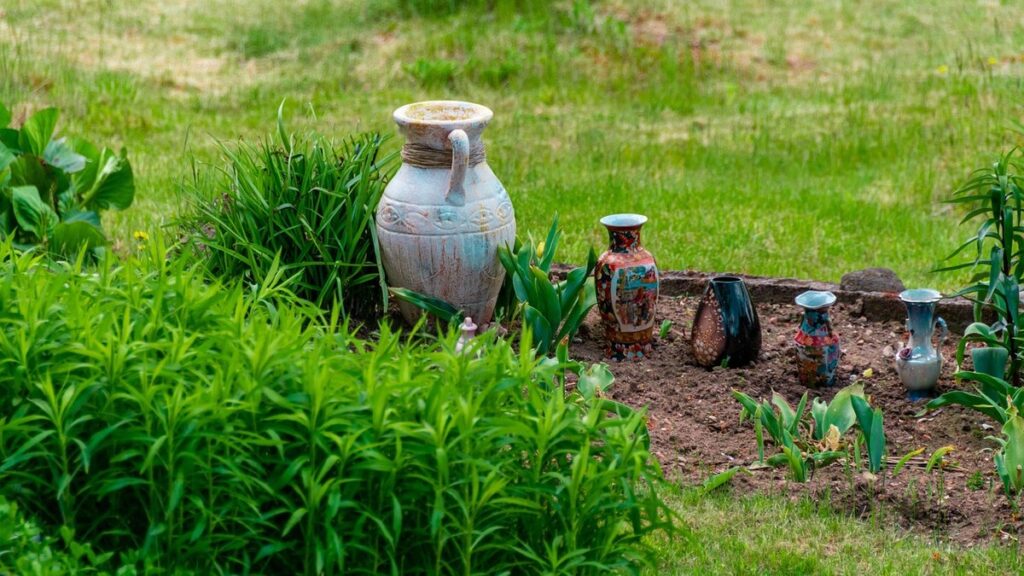
Choosing the Right Garden Location
When selecting a spot for your garden, remember that sunlight and drainage are key factors to consider. Will your new garden get full sun, partial shade, or be stuck in a damp corner?
Selecting a Sunny Spot
When it comes to gardening, sunlight is one of the most critical factors to consider. Most plants require at least 6 hours of direct sunlight per day to thrive, so selecting a sunny spot in your yard is essential for a successful garden.
To identify the best spot in your yard, start by observing how much sunlight each area receives throughout the day. You can do this by simply sitting in different areas of your yard and noting which spots receive direct sunlight for most of the day. Look for areas that are not shaded by trees or buildings and have an open view to the south.
If you don’t have a spot with full sun, don’t worry – many plants will still grow well in partial shade or even full shade. When working with shaded areas, choose plants that are specifically adapted to low-light conditions, such as impatiens, coleus, or ferns. Also, consider using reflective mulch or light-colored stones to bounce sunlight onto the area and improve growing conditions.
Remember, it’s not just about the amount of sunlight; also think about accessibility and soil quality in your chosen spot. By carefully selecting a sunny (or partially shaded) location for your garden, you’ll be well on your way to growing healthy and thriving plants.
Preparing the Soil
Soil quality is one of the most crucial factors to consider when choosing a garden location. As a beginner gardener, it’s essential to understand that soil affects plant growth and yields significantly. To determine your soil type, you can perform a simple test at home. Fill a bucket with 1 cup of water and add 2-3 tablespoons of soil. Mix well and let it settle for an hour. If the sediment settles quickly, your soil is likely clay-based; if it takes time to settle, it’s sand-based.
If your soil falls somewhere in between, it’s loam-based. Loamy soils are ideal for most plants as they retain moisture but drain excess water efficiently. However, if your soil test reveals poor conditions – either too acidic or alkaline – you’ll need to balance the pH level. Adding organic matter like compost can improve structure and fertility while balancing pH levels.
Beginner gardeners can start by collecting kitchen waste and mixing it with existing soil or using store-bought compost. As for acidic soils, try adding lime powder. For alkaline soils, incorporate peat moss or sulfur. These simple adjustments will make a significant difference in your gardening endeavors and improve yields over time.
Essential Gardening Tools and Equipment
To start growing your own garden, you’ll need some essential tools and equipment that will make the process easier and more enjoyable for you. Let’s take a look at what you should have in your gardening kit.
Investing in Basic Tools
When it comes to getting started with gardening, investing in basic tools is essential. These fundamental tools will help you establish a solid foundation for your garden and make the process much more enjoyable. Let’s start with the must-haves.
A good quality trowel is at the top of this list. This versatile tool allows you to dig, mix soil, and even transplant plants easily. Look for one made from durable materials like stainless steel or high-quality plastic.
Next up are rakes – both fan-shaped and bow rakes. The fan rake is perfect for spreading mulch or debris evenly across the garden bed, while a bow rake helps with more precise tasks such as leveling soil or removing weeds.
A watering can is another essential item to have on hand. Not only does it allow you to water plants directly, but it’s also handy for mixing fertilizers and other treatments.
Lastly, don’t forget about your pruners! Good-quality pruning shears will save you time and energy by making quick work of trimming back overgrown branches or stems.
Remember, investing in these basic tools will make a world of difference as you begin your gardening journey.
Optional but Handy Equipment
While the essential gardening tools and equipment will help you get started with gardening, there are some optional but handy pieces of gear that can make a big difference, especially for beginners. These specialized items may seem like luxuries at first, but trust us, they’re worth considering.
Garden gloves, for instance, are a must-have for protecting your hands from thorns, prickles, and dirt. Look for a pair made from durable material like leather or synthetic fabrics that provide excellent grip and protection. We recommend starting with a basic pair and upgrading to more advanced ones as you gain experience.
Kneeler pads are another essential item to consider. They’ll help reduce strain on your knees while working in the garden, allowing you to spend more time planting, pruning, and enjoying your outdoor space. Choose from foam or gel-filled options that provide excellent cushioning and support.
Irrigation systems can also be a valuable investment for beginners. They simplify watering tasks and ensure your plants receive consistent moisture levels, reducing the risk of overwatering or underwatering. Consider starting with a simple soaker hose or drip irrigation system to begin with.
Planning Your Garden Design
Now that you have a clear vision for your garden, it’s time to start planning its layout and design. Let’s dive into the details of creating a beautiful and functional outdoor space.
Understanding Garden Layouts
When it comes to designing your garden, choosing the right layout is crucial. Different layouts can either maximize space or create clutter, so let’s explore some popular options.
A rectangular garden layout is a common choice for beginners, as it’s easy to maintain and allows for efficient use of space. To make the most of this layout, consider creating separate sections for vegetables, herbs, and flowers. This will not only keep your plants organized but also ensure that they receive the right amount of sunlight and water.
Circular garden layouts, on the other hand, are ideal for small spaces or unique shapes. They create a visually appealing focal point and can be designed to accommodate a variety of plants. When using a circular layout, remember to leave space between each plant for easy access and maintenance.
Raised beds are another excellent option for beginners, offering better drainage and improved soil quality. These beds can be rectangular or square in shape, and they’re perfect for growing vegetables, fruits, or herbs. To make the most of raised beds, choose a location with full sun and use a mix of fast-growing and slow-growing plants to keep your garden interesting throughout the season.
When selecting a garden layout, consider your space constraints, climate, and personal preferences. Keep in mind that flexibility is key – you can always adjust your design as needed based on your experiences and observations.
Selecting the Right Plants
When selecting plants for your garden, it’s essential to consider your climate, soil type, and desired level of maintenance. This will ensure that you choose species that thrive in your environment and fit your lifestyle.
Beginners often start with low-maintenance plants like succulents and cacti, which are perfect for indoor or outdoor spaces. These plants can tolerate neglect and require infrequent watering, making them ideal for busy gardeners. Other beginner-friendly options include herbs like basil and mint, which are easy to grow and can be harvested frequently.
Consider your climate when selecting plants. If you live in a hot and dry region, choose plants adapted to these conditions, such as yucca or agave. In cooler climates, opt for plants that prefer partial shade, like hostas or impatiens. Also, think about the soil type in your garden. Plants like tomatoes and peppers require well-draining soil, while others, like ferns and peace lilies, prefer moist, rich soil.
When choosing plants, don’t forget to consider their mature size and growth habits. This will ensure you have enough space for them to thrive and won’t overcrowd the garden.
Planting and Watering Techniques
Now that you’ve prepared your garden bed, let’s move on to planting and watering techniques that will help your seedlings thrive. Mastering these basics is crucial for a successful harvest.
Preparing Soil for Planting
Preparing your soil before planting is one of the most crucial steps in gardening. Just like how our bodies need proper nutrition to grow strong and healthy, plants require well-prepared soil to thrive. Tilling and aeration are two essential processes that help loosen compacted soil, remove debris, and improve drainage.
Before you start tilling, make sure to test your soil type and pH level using a DIY kit or by sending a sample to the local nursery for analysis. Based on the results, you can add organic matter like compost or manure to adjust the pH levels and nutrient content.
To till the soil, use a garden fork or spade to loosen the top 8-10 inches of soil. Remove any debris, rocks, and weeds that might be present. If your soil is heavily compacted or clay-based, consider renting an electric tiller for assistance.
Aeration helps improve air circulation in the soil, which is vital for root growth. Use a garden fork to poke holes about 2-3 inches deep every 6-8 inches across the bed. This will allow water and oxygen to penetrate deeper into the soil, promoting healthy root development.
Watering Strategies
When it comes to watering your plants, efficiency is key. Not only does it save you time and money, but it also helps prevent waste and supports healthy plant growth. Let’s dive into some efficient watering strategies that every beginner gardener should know.
Drip irrigation is a great way to deliver water directly to the roots of your plants. This method reduces evaporation, runoff, and overwatering, making it a more water-efficient option. You can install drip irrigation systems in your garden or use soaker hoses, which are affordable and easy to set up. For example, if you’re growing vegetables like tomatoes or cucumbers, consider using a drip irrigation system to ensure they receive the right amount of water.
Another effective way to conserve water is through mulching. Mulch acts as a barrier between your plants’ roots and the soil, preventing moisture loss and retaining humidity. Organic mulches like wood chips, bark, or leaves are perfect for this purpose. Not only does mulch help with watering, but it also suppresses weeds, regulates soil temperature, and adds nutrients to the soil.
In addition to these methods, make sure to water your plants during their dormant season (typically winter) sparingly, as they require less moisture. Observe your plants’ responses to watering, adjusting your schedule accordingly. By implementing these efficient strategies, you’ll be well on your way to creating a thriving and sustainable garden.
Common Gardening Challenges and Solutions
As you work through your garden, you’ll inevitably face some common challenges that can be frustrating to solve – but don’t worry, we’ve got you covered. In this next section, I’ll share my top tips for overcoming these obstacles.
Dealing with Pests and Diseases
As you tend to your garden, you may encounter some unwanted visitors – pests and diseases that can harm your plants. Identifying common culprits is the first step towards effective management. Keep an eye out for aphids, whiteflies, and slugs, which can leave behind a trail of damage on leaves and stems. Fungal infections and powdery mildew are other common threats to plant health.
To manage pests, start by inspecting your plants regularly and removing any infested areas. For aphids, try spraying them with water or introducing natural predators like ladybugs. Slugs can be deterred using copper tape or crushed eggshells around plant bases. To control diseases, ensure good air circulation, remove weeds that may harbor pathogens, and water at soil level to avoid overhead watering.
For more severe infestations, consider organic pest control methods such as neem oil or insecticidal soap. Always follow the product instructions and take necessary precautions when applying treatments. By staying vigilant and taking proactive measures, you can prevent these common issues from becoming major problems in your garden.
Troubleshooting Garden Problems
Don’t worry if things don’t go as planned in your garden – it’s all part of the learning process. Some common issues beginners face include poor soil drainage, uneven growth, and an overabundance of weeds.
Poor soil drainage is usually caused by heavy clay soils or poorly sloped land. To address this issue, consider digging a French drain to redirect excess water away from your plants. Alternatively, you can add organic matter like compost or well-rotted manure to improve the soil‘s structure and increase its ability to absorb moisture.
Uneven growth may be due to inadequate sunlight, poor air circulation, or insufficient watering. Make sure to provide sufficient space between plants for them to breathe properly, prune any overgrown branches, and adjust your watering schedule according to the specific needs of each plant.
Excessive weeds can compete with your desired plants for nutrients and water, preventing them from thriving. Use a combination of physical removal and pre-emergent herbicides to control weeds effectively.
Maintaining a Healthy and Thriving Garden
Now that you’ve set up your garden, it’s time to keep it thriving! This section will cover essential tips for maintaining a healthy and balanced garden ecosystem.
Mulching and Composting
As you establish your garden, it’s essential to implement two crucial practices: mulching and composting. These techniques not only conserve water but also suppress weeds, create a welcoming environment for beneficial insects, and regulate soil temperature.
Mulching is the process of applying a layer of organic material, such as wood chips or bark, over the soil surface. This protective barrier retains moisture, preventing it from evaporating too quickly. As an added benefit, mulch can help suppress weed growth by blocking their access to sunlight and water.
On the other hand, composting involves recycling organic waste materials like food scraps and yard trimmings into a nutrient-rich fertilizer. By doing so, you’re diverting these materials from landfills and creating a valuable resource for your garden. When making compost, remember to maintain a mix of ‘green’ (nitrogen-rich) and ‘brown’ (carbon-rich) materials, keeping it aerated and regularly turning the pile.
To get started with mulching, apply a 2-3 inch layer around plants, leaving some space between rows for air circulation. When creating your compost, aim to achieve a ratio of 2/3 brown materials to 1/3 green materials, adding new ingredients as needed to maintain the balance.
Regular Gardening Tasks
Maintaining a healthy and thriving garden requires regular attention to its basic needs. Watering is one of the most critical tasks that should be done regularly. Overwatering can lead to root rot, while underwatering can cause plants to wilt. As a beginner gardener, it’s essential to understand your plant’s water requirements and adjust accordingly.
Water your plants when the top 2-3 inches of soil feels dry to the touch. Aim for about 1 inch of water per week, either through rain or irrigation. Make sure not to get water on leaves to prevent fungal diseases. Instead, water at the base of the plant.
In addition to watering, pruning and fertilization are also essential tasks that should be done regularly. Prune your plants to maintain their shape, promote healthy growth, and encourage blooming. Remove dead or diseased branches, and cut back overgrown areas. Fertilize your plants with a balanced fertilizer during growing seasons to provide them with the necessary nutrients.
Remember, regular maintenance is key to keeping your garden thriving. By incorporating these tasks into your routine, you’ll be well on your way to creating a beautiful and productive garden that brings you joy and fulfillment all season long.
Conclusion: Tips for Long-Term Success
Now that you’ve successfully planted and nurtured your garden, it’s time to think long-term and plan for continued growth and success. Here are some valuable tips to keep in mind.
Recap of Key Takeaways
As you’ve reached the end of this step-by-step guide, let’s take a moment to review the key concepts and takeaways that will set you up for long-term success in gardening. By now, you should have a solid understanding of the essential tools, techniques, and knowledge required to plant, maintain, and enjoy your own garden.
Remember, starting small is crucial – begin with a manageable plot size and gradually expand as you gain experience and confidence. Choose easy-to-grow plants like tomatoes, herbs, or leafy greens, which are perfect for beginners. Make sure to follow proper planting, watering, and fertilizing techniques to give your plants the best chance of thriving.
Don’t forget to plan ahead by selecting a spot with optimal sunlight and soil conditions for your chosen crops. Be prepared to adapt to changing weather patterns and pests that may affect your garden. By applying these key takeaways and continually learning from your experiences, you’ll be well on your way to becoming a seasoned gardener who can enjoy the fruits of their labor for years to come.
Encouragement and Resources for Further Learning
As you’ve taken the first steps into the world of gardening, remember that it’s okay to make mistakes and ask questions. Gardening is a journey, not a destination. Don’t be discouraged if your plants don’t thrive at first – with time and practice, you’ll develop the skills and knowledge needed to become a successful gardener.
To continue learning and improving, consider the following resources:
* Online courses: Websites like Coursera, Udemy, and edX offer courses on gardening techniques, plant care, and sustainable gardening practices. You can also explore online tutorials and webinars specific to your region’s climate and growing conditions.
* Gardening communities: Join local gardening groups or online forums to connect with other gardeners, share tips, and learn from their experiences. Websites like GardenWeb, Reddit’s r/gardening, and Facebook groups dedicated to gardening are great places to start.
* Books: Explore beginner-friendly books on gardening that cover topics such as soil preparation, plant selection, and pest management.
Remember, the key to long-term success in gardening is patience, persistence, and a willingness to learn.
Frequently Asked Questions
How Do I Adapt This Guide to My Specific Climate Zone?
Adapting the guide to your specific climate zone is essential for success. Check online resources or consult with local nurseries to determine which plants thrive in your area and adjust the gardening schedule accordingly. For example, if you live in a region with harsh winters, consider planting bulbs that bloom early spring.
Can I Start Gardening Without Access to a Large Yard?
Yes, even small spaces can be ideal for gardening. Consider using containers or vertical gardening techniques to maximize space. This approach also allows for flexibility in moving plants around as needed. Keep in mind that sunlight and drainage are still crucial factors to consider when choosing a spot.
What Are Some Common Mistakes Beginners Make When Preparing the Soil?
One common mistake is over-tilling, which can damage soil structure. Another error is failing to test pH levels, leading to nutrient imbalances. Start by testing your soil type and pH level, then adjust accordingly. Add organic matter like compost or manure to improve fertility without over-intervention.
How Do I Balance Watering Needs for Different Types of Plants?
Yes, it’s crucial to consider plant types when watering. For example, plants requiring high water intake (like those with large leaves) should be watered more frequently than drought-resistant succulents. Observe your plants’ responses to different watering schedules and adjust accordingly. Keep in mind that over-watering is a common issue.
Can I Use Leftover Materials for Gardening Projects?
Yes, repurposing materials like old containers, wood scraps, or cardboard can be an eco-friendly and budget-friendly approach. Get creative with DIY projects and incorporate your recycled finds into garden decor or tool holders. This not only saves money but also reduces waste and adds a unique touch to your gardening space.