
As a gardener, you know how frustrating it can be to see your beautiful plants devastated by pests. Whether it’s aphids on your roses or slugs on your lettuce, garden pests can quickly ruin an otherwise thriving garden. But what if I told you there’s a way to manage these pesky critters without resorting to harsh chemicals? Organic pest control is the answer, and it’s more than just a buzzword – it’s a comprehensive approach to keeping your garden healthy and balanced.
In this article, we’ll explore the ins and outs of organic pest control methods, from Integrated Pest Management (IPM) to physical barriers and biological controls. You’ll learn how to identify common pests, prevent infestations, and use natural methods to get rid of them for good. Whether you’re a seasoned gardener or just starting out, this guide will give you the knowledge and confidence to take control of your garden’s pest problems in a safe and sustainable way.
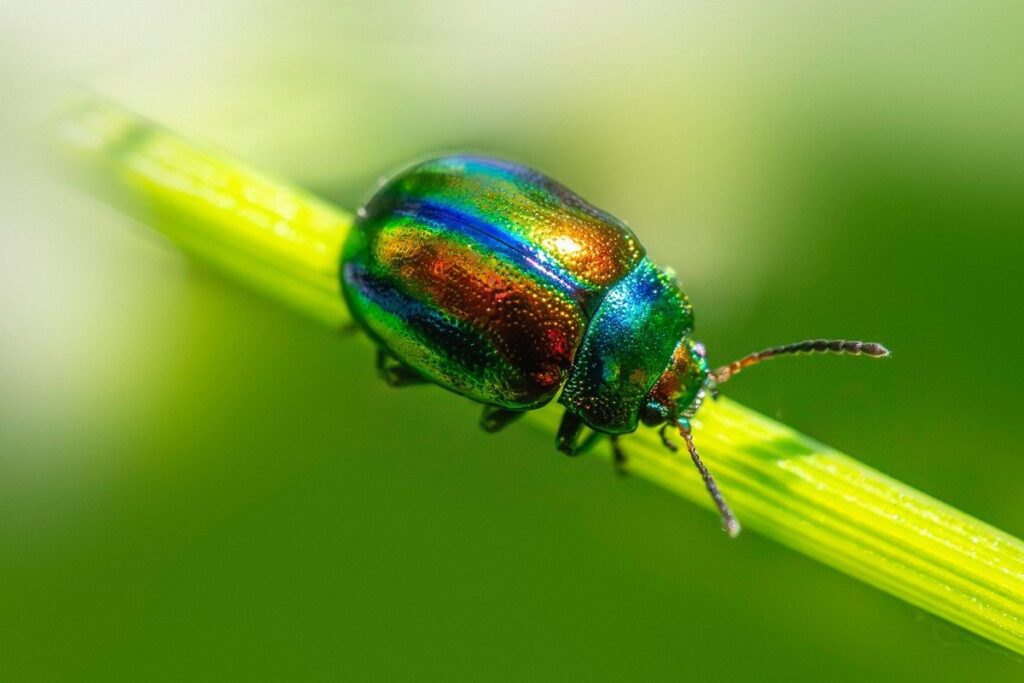
Understanding the Importance of Organic Pest Control
As you consider switching to organic pest control, it’s essential to understand why this approach is not only better for your garden but also the environment. This section breaks down its importance.
Benefits of Organic Pest Control
Using organic pest control methods in your garden has numerous benefits that extend beyond just keeping pests at bay. One of the most significant advantages is reduced chemical exposure for you and your family. Conventional pesticides contain harsh chemicals that can harm human health, especially children and pets who spend a lot of time outdoors.
Another benefit of organic pest control is its environmental impact. These methods typically involve using natural substances to repel or kill pests, which are biodegradable and non-toxic. This means you won’t have to worry about harming beneficial insects like bees and butterflies that pollinate your plants. Organic pest control also helps maintain soil health by avoiding the use of chemicals that can disrupt soil ecosystems.
Additionally, organic methods often promote a healthier ecosystem in your garden. By introducing beneficial insects and microorganisms, you create an environment where pests are naturally controlled, reducing the need for pesticides altogether. This approach requires more effort and attention to detail but yields long-term benefits for your garden’s overall health and productivity.
Common Pests Found in Gardens
When it comes to maintaining a healthy and thriving garden, understanding common pests is crucial. These unwanted visitors can cause significant damage to your plants, reducing yields and compromising the overall well-being of your garden.
Some of the most common insects that require organic control are aphids, whiteflies, and spider mites. These tiny creatures feed on plant sap, causing curled or distorted leaves, stunted growth, and reduced fruit production. To manage infestations, use neem oil, insecticidal soap, or introduce beneficial insects like ladybugs or lacewings that prey on these pests.
Rodents, such as mice and rabbits, can also be a problem in gardens. They feed on seeds, shoots, and leaves, causing significant damage. To deter them, use physical barriers like fencing or mesh to protect plants, or plant rodent-repellent species like lavender or rosemary nearby.
Diseases like powdery mildew, downy mildew, and root rot are also prevalent garden pests. These can be caused by fungal spores, bacteria, or viral infections, often spread through water, soil, or insects. To prevent these diseases, maintain good hygiene practices, remove weeds that may harbor pathogens, and practice crop rotation to break disease cycles. Regular monitoring and action will help you keep these common pests under control in your garden.
The Consequences of Chemical-Based Pest Control
Relying on chemical-based pest control methods can have severe consequences that harm not only the environment but also human health. One of the most significant risks is the impact on beneficial insects, such as bees and butterflies, which are essential for pollination. Chemical pesticides can decimate these populations, leading to a decline in crop yields and reduced biodiversity.
When chemical-based pest control methods are used extensively, they can contaminate soil and water sources, causing long-term damage to ecosystems. For example, some chemical pesticides have been linked to the development of pesticide-resistant pests, making it more challenging to manage infestations. Moreover, chemicals can seep into groundwater, posing a risk to human health through consumption.
To mitigate these risks, consider integrating natural pest control methods into your garden management routine. For instance, introducing beneficial insects like ladybugs and lacewings can help regulate pest populations without the need for chemical pesticides. Regularly monitoring soil and water quality is also crucial in preventing contamination. By adopting organic pest control strategies, you can minimize harm to the environment while maintaining a healthy and thriving garden ecosystem.
Choosing Organic Pest Control Methods
When it comes to eliminating pests from your garden, you need to know which organic methods are safe and effective for use on a variety of plants. We’ll explore some popular alternatives next.
Integrated Pest Management (IPM)
When it comes to managing pests in our gardens, a one-size-fits-all approach just won’t cut it. That’s where Integrated Pest Management (IPM) comes in – a holistic approach that combines physical, cultural, biological, and chemical controls to keep pests under control.
At its core, IPM is about understanding the ecosystem of your garden and using a combination of techniques to prevent pest problems from arising in the first place. This might involve physical barriers like fine mesh or row covers to keep insects out, as well as cultural practices like crop rotation and companion planting to discourage pests from taking up residence.
Biological controls can also play a crucial role in IPM. For example, introducing beneficial insects like ladybugs or lacewings that prey on common garden pests can be an effective way to manage populations without resorting to chemicals. And when it comes to chemical controls, IPM advocates for using them only as a last resort and always choosing organic options whenever possible.
By taking a multi-faceted approach to pest management, you’ll not only reduce the risk of pesticide exposure but also create a healthier, more balanced ecosystem in your garden.
Physical Barriers and Traps
Physical barriers and traps are effective organic pest control methods that prevent pests from reaching your garden. Row covers, for instance, are lightweight fabrics that cover plants to prevent insects like aphids, whiteflies, and beetles from laying eggs or feeding on the plants. These breathable covers allow light and water to reach the plants while keeping pests out.
Sticky traps, on the other hand, work by capturing pests with adhesive surfaces. They’re particularly useful for catching flying insects like flies, mosquitoes, and even beneficial pollinators if not placed carefully. Place sticky traps near infested areas or along plant stems to capture pests that land on them.
When using physical barriers and traps, it’s essential to monitor their effectiveness regularly and adjust placement as needed. For example, row covers may need to be removed during periods of high temperatures to prevent overheating. Also, ensure you’re targeting the right pest with the right trap – for instance, using a sticky trap for crawling insects rather than flying ones.
By incorporating physical barriers and traps into your organic pest control strategy, you can significantly reduce infestations while minimizing harm to beneficial wildlife in your garden.
Cultural Controls: Plant Selection and Maintenance
When it comes to organic pest control, selecting the right plants and maintaining a healthy garden is crucial in preventing pest problems. By choosing the right plant species, you can create an ecosystem that repels pests naturally. For example, planting marigolds can deter nematodes, while basil repels aphids and whiteflies. Consider companion planting, where certain plants are grown together to enhance growth and reduce pests.
Maintaining a healthy garden also plays a significant role in preventing pest problems. Regular watering, pruning, and fertilizing can help keep your plants strong and resilient to pests. Make sure to rotate your crops seasonally to break the life cycle of pests and prevent the buildup of diseases. Keep your garden free from debris, weeds, and standing water, as these can attract pests.
Additionally, observe your garden regularly for signs of pest infestation and take action promptly. Encourage beneficial insects like bees and butterflies by planting a variety of flowers that attract them. By creating a balanced ecosystem, you can reduce the need for chemical pesticides and maintain a healthy, thriving garden.
Organic Pest Control Methods
When it comes to keeping pests at bay, there are many effective organic methods that you can use in your garden. From diatomaceous earth to neem oil, we’ll explore some of these natural alternatives.
Biological Controls: Beneficial Insects and Microorganisms
Incorporating beneficial insects and microorganisms into your garden ecosystem is a powerful way to maintain balance and reduce pest populations. These tiny helpers are nature’s way of controlling pests without using chemical pesticides. One of the most well-known examples of beneficial insects is the ladybug, which preys on aphids, whiteflies, and other soft-bodied pests.
Compost is another essential component of biological control in gardens. It provides a food source for microorganisms like bacteria, fungi, and protozoa, which break down organic matter and recycle nutrients back into the soil. By maintaining a compost pile or using worm castings as fertilizer, you’re creating an environment that supports these beneficial microbes.
To harness the power of beneficial insects, try introducing ladybugs, lacewings, or parasitic wasps to your garden. These natural predators will help control pest populations without harming beneficial insects like bees and butterflies. Regularly maintaining a healthy compost pile is also crucial for supporting microorganisms that break down organic matter and recycle nutrients.
Horticultural Oil and Soap Solutions
Horticultural oil and soap solutions are two effective organic methods for controlling soft-bodied pests like aphids and whiteflies. These pests can be detrimental to plants, causing curled leaves, stunted growth, and even death.
To use horticularial oil effectively, mix it with water according to the label instructions (usually between 1-2% concentration). Spray the solution on both sides of the leaves, making sure to cover all areas where pests are present. This will suffocate the soft-bodied pests, preventing them from feeding and reproducing.
Soap solutions can also be used as a substitute for horticultural oil in some cases. Mix 1 tablespoon of mild dish soap with 1 quart of water. Spray this solution on the affected plants to control aphid populations. However, note that using soap solutions too frequently or at high concentrations can harm beneficial insects and damage plant leaves.
Regularly inspect your plants for signs of pests and use these organic methods as a preventative measure to avoid infestations altogether.
Neem Oil and Other Natural Oils
Neem oil and other natural oils have been used for centuries to control pests in gardens. This is because they are effective against a wide range of insects and diseases, yet gentle enough on plants to be used regularly.
One of the key benefits of using neem oil is its ability to kill insect eggs as well as larvae and adult insects. This makes it particularly useful for controlling pest populations that can spread quickly, such as aphids and whiteflies. Additionally, neem oil can help to prevent disease by reducing fungal growth on plants.
Other natural oils, such as peppermint and lemongrass, also have pest-repellent properties. These oils can be used individually or in combination with neem oil for a more comprehensive approach to pest control. For example, mixing peppermint essential oil with neem oil can help to repel aphids and other pests that are attracted to the scent of flowers.
When using natural oils for pest control, it’s essential to follow some simple guidelines: start with small amounts (about 2% solution) and gradually increase as needed. Also, be sure to spray on calm days to prevent oil from washing away before it can take effect. By incorporating these oils into your organic pest control routine, you’ll be able to maintain a healthy balance in your garden ecosystem.
Implementing Organic Pest Control in Your Garden
Let’s dive into implementing organic pest control methods in your garden, covering practical ways to prevent and manage common pests without harming the environment. You’ll learn actionable techniques to keep your plants healthy and thriving.
Monitoring for Pests
Regular monitoring for pest activity is crucial to implementing effective organic pest control methods. It allows you to identify potential problems early on and adjust your approach before the issue escalates. Without regular checks, it’s easy to miss the signs of a pest infestation until it’s too late.
Start by observing your garden regularly, looking out for any unusual patterns or behaviors among plants and pests. Check under leaves, in soil, and near plant stems for signs of damage or pests like aphids, whiteflies, and slugs. Keep an eye on nearby plants as well; some pests can easily hop from one plant to another.
Adjust your control methods accordingly based on what you find. For example, if you spot a large number of aphids on a particular plant, use neem oil or insecticidal soap to address the issue. If you notice ants carrying small objects, it may be a sign that they’re farming for food and using nearby plants as nurseries.
By being vigilant and making adjustments as needed, you can prevent pest problems from becoming too severe and minimize the need for harsh chemical pesticides.
Combining Controls: IPM in Action
When it comes to managing pests in your garden, relying on a single control method can be like trying to hold back a flood with a tiny dam. It’s bound to fail eventually. A more effective approach is to combine multiple organic controls to achieve optimal results. This holistic approach not only reduces the risk of pest populations developing resistance but also creates a balanced ecosystem that promotes long-term health.
For instance, consider combining physical barriers like fine mesh or fine netting with biological controls like introducing beneficial insects or planting trap crops. You can also pair these methods with cultural controls like crop rotation and pruning. For example, if you’re dealing with aphids on your roses, try spraying them with neem oil to kill the adults and then follow up by introducing ladybugs, which will feed on the eggs.
By combining multiple controls, you’ll not only be tackling the pest problem from different angles but also creating a resilient garden ecosystem that can better withstand future invasions.
Record-Keeping and Adaptation
Keeping accurate records of your pest management efforts is crucial for adapting and fine-tuning your strategies as needed. By monitoring what works and what doesn’t, you can refine your approach to ensure long-term success.
Consider using a garden journal or spreadsheet to track the types of pests you encounter, the methods used to control them, and the effectiveness of those methods. This will help you identify patterns and areas for improvement.
For example, if you notice that certain pests are consistently problematic in specific months or seasons, you can adjust your strategies accordingly. Maybe you’ll focus on introducing beneficial insects during peak pest periods or implement preventative measures like physical barriers during vulnerable times.
Remember to also note what doesn’t work – this information is just as valuable. Don’t be afraid to try new approaches and revisit old ones with a fresh perspective. By embracing flexibility and adaptability, you’ll be well on your way to developing a customized organic pest control plan that truly works for your unique garden.
Common Challenges and Solutions
As you navigate organic pest control, you’ll inevitably encounter some common challenges that can be frustrating to overcome. In this next part of our guide, we’ll tackle these obstacles head-on.
Overcoming Resistance and Tolerance
One of the biggest challenges gardeners face when it comes to organic pest control is dealing with pesticide-resistant pests. These pests have adapted to the chemicals used to kill them, making traditional pesticides less effective. This is a common issue, especially for gardeners who rely heavily on chemical controls.
The problem lies in the overuse and misuse of chemical pesticides, which has accelerated the development of resistance in pest populations. For example, the Colorado potato beetle has developed high levels of resistance to insecticides containing pyrethroids. To adapt control methods, you can start by rotating different types of organic pesticides or using integrated pest management (IPM) strategies.
Rotating pesticides helps reduce the selection pressure that drives pests to develop resistance. This means switching between different active ingredients and modes of action to avoid favoring resistant strains. For instance, if you’re using neem oil to control whiteflies, consider switching to diatomaceous earth or spinosad for a while. By combining multiple tactics and monitoring pest populations closely, you can keep pace with the evolving threat of pesticide-resistant pests in your garden.
Managing Large-Scale Pest Infestations
Managing large-scale pest infestations can be daunting, but there are organic control measures that can help. When dealing with severe infestations, it’s essential to scale up your control efforts while maintaining a focus on organic methods.
Start by identifying the primary pest species and understanding their life cycle to target them effectively. Intensify trapping or other non-chemical control methods, such as sticky traps for flying pests or bait traps for crawling insects. Use physical barriers like row covers or fine mesh to prevent further infestation.
Consider using natural predators or parasites that feed on specific pests. For example, introducing ladybugs to control aphid populations or encouraging beneficial wasps to prey on caterpillars. These methods can be effective in controlling large-scale infestations while minimizing harm to the environment and non-target species.
To avoid exacerbating the problem, it’s crucial to maintain a diverse garden ecosystem that promotes balance between beneficial and pest species. Monitor your garden regularly for early signs of infestation and take swift action before the issue escalates.
Preparing for Seasonal Pest Fluctuations
Preparing for seasonal pest fluctuations is crucial to maintaining an effective organic pest control strategy. As a gardener, you can’t rely on a one-size-fits-all approach, as pests and their populations ebb and flow with the seasons.
Plan ahead for winter pest management by taking preventive measures during the summer months when pest populations are at their peak. For instance, control aphid and whitefly infestations before the onset of winter, as these insects often overwinter on plants, causing damage in the spring.
In regions where rodents and other small mammals thrive, secure your garden’s perimeter to prevent them from seeking shelter among plant rows. Remove debris and weeds that provide hiding spots for pests. Consider using physical barriers or repellents to deter rodents and other wildlife from entering your garden.
By anticipating seasonal pest fluctuations, you’ll be better equipped to respond to emerging issues. Regular monitoring of your garden will help identify early signs of pest activity, allowing you to take targeted control measures and maintain a healthy, balanced ecosystem.
Conclusion
Now that you’ve learned effective methods for organic pest control, let’s summarize the key takeaways from our comprehensive guide.
Recap of Key Takeaways
In reviewing the comprehensive guide to organic pest control in gardens, it’s clear that managing pests effectively requires more than just a quick fix. A holistic approach is essential for maintaining a healthy and balanced garden ecosystem. By integrating the key takeaways from this article into your gardening routine, you’ll be well on your way to reducing chemical use and cultivating a thriving environment.
This includes using physical barriers to prevent pests from entering your garden in the first place, adopting crop rotation strategies to break disease cycles, and introducing beneficial insects that prey on problematic pests. Companion planting is another effective technique for deterring unwanted visitors. For example, basil repels aphids and mosquitoes, while marigolds keep nematodes at bay.
By embracing a multifaceted approach to garden management, you’ll not only minimize the risk of pest-related issues but also promote biodiversity and soil health. This shift in mindset will allow you to address problems proactively rather than reactively, saving time, resources, and money in the long run.
Final Thoughts: Embracing Organic Pest Control
As you’ve made it through this comprehensive guide on organic pest control in gardens, we hope that you’re feeling empowered to take control of those pesky pests without harming the environment. By adopting these methods, not only will you be doing your part for sustainable gardening practices, but you’ll also reap the long-term rewards of a healthier ecosystem.
Think about it: by opting out of chemical pesticides and opting in to natural deterrents like neem oil or garlic sprays, you’re giving your garden’s beneficial insects a chance to thrive. These helpful critters are essential for pollination, pest control, and nutrient cycling – all vital functions that keep your garden growing strong.
In the grand scheme of things, switching to organic pest control may seem like a minor change, but its impact can be profound. By choosing this approach, you’re contributing to a larger movement towards environmentally conscious gardening practices, which benefits not just your own garden, but also the surrounding ecosystem and even local wildlife populations.
Frequently Asked Questions
What if I’m not sure how to identify common pests in my garden?
Identifying pests can be tricky, especially for beginners. Start by observing the affected plants closely and take note of any unusual signs such as holes in leaves or small insects on stems. Use a magnifying glass or a smartphone camera with good lighting to get a closer look. Consult online resources or consult with local gardening experts for help with pest identification.
How long does it take to see results from organic pest control methods?
The time it takes to see results from organic pest control can vary depending on the specific method and the severity of the infestation. Some methods, such as using physical barriers or neem oil, may provide quick relief within a few days to a week. Others, like integrated pest management (IPM), may take longer to show results as they require a combination of multiple controls over time.
Can I use organic pest control methods on all types of plants?
While many organic pest control methods are safe for most plants, there are some exceptions. For example, neem oil can be toxic to certain plants like succulents and cacti, so it’s essential to choose the right method for your specific plant type.
What if I have a large garden with widespread pest infestations?
Managing large-scale pest infestations requires a combination of strategies. Start by implementing integrated pest management (IPM) principles, which involve using a variety of controls such as physical barriers, cultural controls, and biological controls in combination. You may also need to use more aggressive methods like neem oil or horticultural oil for severe cases.
How do I monitor my garden for pests effectively?
Regular monitoring is key to successful organic pest control. Set aside time each week to inspect your plants for signs of pests, such as eggs, larvae, or actual insects. Keep a record of your observations and note any changes in pest populations over time. This will help you identify patterns and adjust your controls accordingly.