
When it comes to gardening, one of the most effective ways to improve soil health and conserve water is by using mulch. But with so many options available, choosing between compost mulch and wood chips can be a daunting task. Both have their benefits and drawbacks when it comes to nutrient content, environmental sustainability, and impact on soil quality. Compost mulch, made from decomposed organic materials like food scraps and yard waste, offers a rich source of nutrients for your plants, while also promoting healthy microbial activity in the soil. On the other hand, wood chips provide a natural barrier against weeds and retain moisture, but can also tie up nitrogen in the soil as they break down. In this article, we’ll delve into the details of both options to help you make an informed decision for your garden.
What is Compost Mulch and How Does it Work?
Let’s dive into the details of compost mulch, exploring its definition, benefits, and how it works to improve soil health. We’ll start by breaking down what makes compost mulch unique.
Benefits of Using Compost Mulch
Using compost mulch has numerous benefits that make it an attractive alternative to traditional wood chips. One of its most significant advantages is its high nutrient content. Compost mulch is made from decomposed organic materials, which are rich in essential nutrients such as nitrogen, phosphorus, and potassium. When applied to the soil, these nutrients are slowly released, promoting healthy plant growth and development.
Compost mulch also improves soil structure by increasing its water-holding capacity and aeration. This allows roots to grow deeper and more extensively, leading to stronger and more resilient plants. Furthermore, compost mulch helps retain moisture in the soil, reducing the need for frequent watering and minimizing evaporation. This is particularly beneficial in areas with low rainfall or high temperatures.
To get the most out of your compost mulch, apply a 2-3 inch layer around plant bases, keeping it a few inches away from stems to prevent rot. Replenish as needed to maintain its effectiveness. By incorporating compost mulch into your gardening routine, you can create a thriving and sustainable ecosystem that requires less maintenance over time.
Creating Your Own Compost Mulch at Home
Creating compost mulch at home is a simple and cost-effective way to reduce your environmental footprint while also enriching your soil. To get started, you’ll need to create a compost pile using a mix of “green” materials like food scraps, grass clippings, and manure, along with “brown” materials such as leaves, straw, or shredded newspaper.
When building your compost pile, make sure it’s at least 3×3 feet in size and has adequate air circulation. Add 2-3 inches of brown materials to the bottom, followed by a layer of green materials. Repeat this process until you’ve reached the top, ending with a layer of brown materials. Keep the pile moist but not soggy, as excess moisture can lead to anaerobic conditions that slow down decomposition.
Tips for optimal decomposition include mixing the pile regularly and ensuring it’s at least 4-6 feet off the ground to allow for air circulation. You can also add bulking agents like wood chips or straw to help speed up the process. With regular maintenance, your compost mulch will be ready in as little as six weeks, providing you with a nutrient-rich soil amendment perfect for gardening.
How Compost Mulch Compares to Other Organic Amendments
When it comes to choosing an organic amendment for your garden, you may be wondering how compost mulch compares to other popular options like manure tea, peat moss, and green sand. While these alternatives can provide some benefits, compost mulch stands out as a superior choice due to its unique combination of nutrients, soil structure improvements, and weed suppression.
Compared to manure tea, which is a liquid solution made by steeping animal waste in water, compost mulch provides a more sustained release of nutrients. This means that the benefits of compost mulch can last for months or even years after application, whereas manure tea typically needs to be reapplied every few weeks. Additionally, compost mulch improves soil structure and fertility in a way that other organic amendments cannot.
Peat moss, often used as a soil conditioner, may seem like a good alternative to compost mulch at first glance. However, peat moss can actually acidify the soil over time, leading to nutrient deficiencies and reduced plant growth. In contrast, compost mulch has a near-neutral pH, making it safe for use in gardens with sensitive plants.
Green sand, another organic amendment often used as a fertilizer, can be beneficial in certain situations but is not as versatile or effective as compost mulch. While green sand provides some nutrients and improves soil structure, it does not suppress weeds nearly as well as compost mulch.
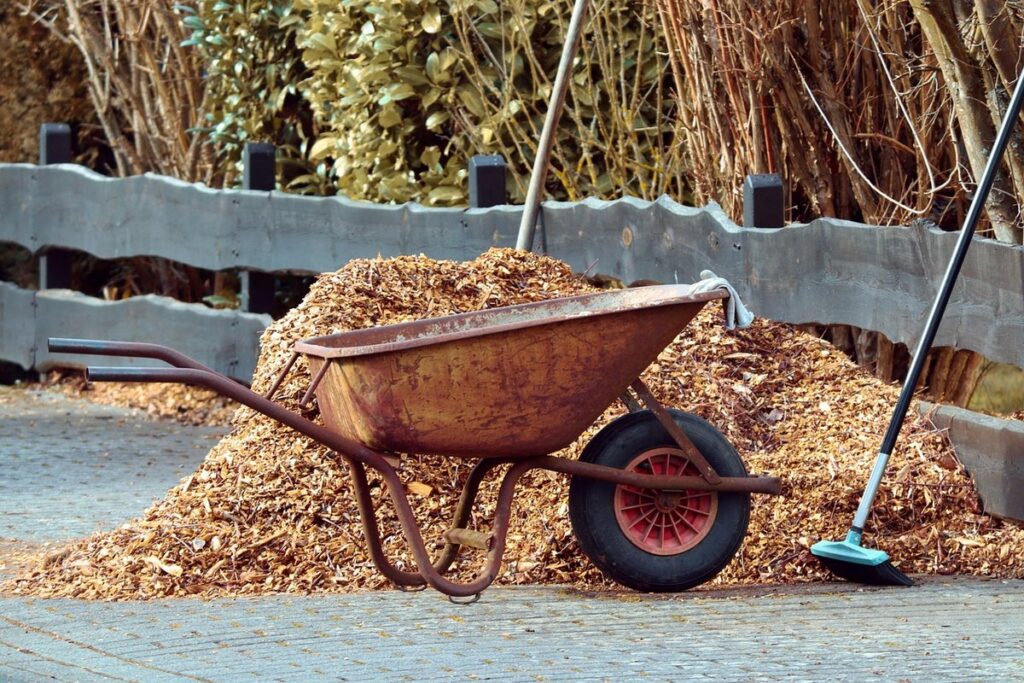
What are Wood Chips and Their Uses in Gardening?
Wood chips are a popular mulching option for gardeners, but what exactly are they and how can you use them to enhance your outdoor space effectively. Let’s take a closer look at their uses in gardening.
Types of Wood Chips and Their Characteristics
When it comes to wood chips, you’ll come across two main types: softwood and hardwood. Understanding their differences is crucial for selecting the right material for your garden. Softwood wood chips are derived from coniferous trees like pine or spruce, whereas hardwood wood chips come from deciduous trees such as oak or maple.
Softwood wood chips tend to break down faster than hardwoods due to their softer nature. This makes them an ideal choice for gardens that require a quick layer of mulch. However, softwoods can harbor insects and diseases more easily, which may spread to your plants. On the other hand, hardwood wood chips take longer to decompose but offer better resistance to pests and diseases.
It’s worth noting that some wood chip types are also available, including cedar, cypress, and pressure-treated wood chips. These materials have their own set of characteristics, with cedar being resistant to rot and insects, while cypress is known for its durability. When choosing between these options, consider your garden’s specific needs and the potential impact on your plants’ health.
Using Wood Chips for Weed Suppression and Erosion Control
Wood chips are an excellent choice for weed suppression and erosion control, making them a popular alternative to compost mulch. When applied correctly, wood chips can prevent weeds from growing by blocking light and preventing seed germination. Optimal application rates range from 2-4 inches deep, depending on the type of vegetation you’re trying to suppress. It’s essential to maintain a consistent thickness to ensure effective weed control.
To maximize their effectiveness, apply wood chips in a layer that extends at least 3 feet beyond the area you want to cover. This will help prevent weeds from spreading and reduce the need for repeated applications. When placing wood chips around plants or trees, create a barrier by applying them in a circular pattern, starting with a small circle around the base of each plant and gradually increasing in size.
Regularly replenishing the wood chip layer is crucial to maintaining its effectiveness. Aim to top-dress with fresh chips every 6-12 months, depending on weather conditions and soil type. By following these guidelines, you can harness the full potential of wood chips for weed suppression and erosion control.
Potential Drawbacks of Using Wood Chips in the Garden
While wood chips can be a popular and effective mulching option for gardens, there are some potential drawbacks to consider. One of the main concerns is that wood chips can take years to fully decompose, which means they may not provide the same nutrient-rich benefits as compost mulch.
In fact, it’s estimated that hardwoods like oak and maple can take up to 10-20 years to break down completely, while softwoods like pine and spruce can take even longer. This slow decomposition rate can also lead to a buildup of acidic compounds in the soil, which can be detrimental to plants with sensitive root systems.
Another potential issue is that wood chips can harbor pests and diseases, such as fungal spores or insects that feed on plant matter. These problems can spread quickly through the garden if not properly managed. To minimize these risks, it’s essential to source your wood chips from a reliable supplier and apply them in moderation, making sure to leave some space between each application.
It’s also worth noting that wood chips can be expensive, especially high-quality options like cedar or cypress. This cost can add up quickly, especially if you have a large garden area.
Compost Mulch vs Wood Chips: A Comparative Analysis
When it comes to choosing between compost mulch and wood chips, understanding their key differences can make a big impact on your garden’s health and appearance. In this section, we’ll break down these distinct options.
Nutrient Content and Soil Health
When it comes to nutrient content and soil health, compost mulch has a significant advantage over wood chips. Compost mulch is made from decomposed organic materials, rich in nutrients like nitrogen, phosphorus, and potassium. These essential micronutrients are readily available for plants to absorb, promoting healthy growth and development.
On the other hand, wood chips are primarily composed of carbon-rich materials with minimal nutrient content. While they can help retain moisture and suppress weeds, they don’t contribute significantly to soil fertility. In fact, if not properly decomposed, wood chips can even act as a physical barrier to water penetration, leading to waterlogged soils.
To illustrate the difference, consider a study where compost mulch was applied to a barren plot of land. Within six months, the area was teeming with vegetation and showed significant improvements in soil structure and fertility. In contrast, an adjacent plot treated with wood chips showed little to no growth.
If you’re looking to create nutrient-rich topsoil, consider making your own compost mulch using kitchen scraps, leaves, or grass clippings. Alternatively, source high-quality commercial compost mulch that’s specifically formulated for optimal plant growth.
Carbon-to-Nitrogen Ratio and Decomposition Rates
When it comes to decomposition rates and soil fertility, one key factor stands out: the carbon-to-nitrogen ratio (C:N ratio). This ratio affects how quickly microorganisms break down organic matter, which is essential for creating a nutrient-rich environment.
In compost mulch, the C:N ratio is typically between 10:1 and 20:1. This means that there are 10 to 20 parts of carbon (from sources like leaves or straw) for every part of nitrogen (from sources like food waste or manure). This balance allows microorganisms to thrive, breaking down organic matter at an optimal rate.
Wood chips, on the other hand, tend to have a much higher C:N ratio – often as high as 300:1. While this might seem ideal for slowing down decomposition rates and extending mulch lifespan, it can also lead to nitrogen deficiencies in the soil. As microorganisms consume more nitrogen than they produce, soil fertility suffers.
To maximize soil health with compost mulch or wood chips, consider the following tips:
* Regularly monitor C:N ratios and adjust your mulch composition accordingly
* Add nitrogen-rich amendments like manure or blood meal to balance out high-C materials
* Consider incorporating green waste or other high-N sources into your mulching routine
pH Levels and Soil Acidity
When it comes to creating an optimal environment for plant growth, pH levels and soil acidity are crucial factors to consider. Compost mulch and wood chips have distinct effects on these aspects.
Compost mulch, made from decomposed organic matter, tends to be more alkaline, with a pH range of around 6.5-7.5. This means it can help raise the soil’s pH levels over time, which is beneficial for plants that thrive in slightly acidic conditions. However, if your soil is already on the alkaline side, compost mulch may not provide significant benefits.
Wood chips, on the other hand, are generally more neutral in terms of pH levels, typically ranging from 6-7. This makes them a better choice for soils with low acidity or those that require minimal adjustments to their pH levels. However, if your soil is extremely acidic (pH < 5.5), wood chips might not be enough to correct the issue.
To achieve optimal results with either option, it’s essential to test your soil regularly and adjust accordingly. This may involve mixing compost mulch into the top layer of soil for a more immediate effect or using wood chips as a surface mulch to slow down nutrient leaching.
Environmental Impact and Sustainability Considerations
When choosing between compost mulch and wood chips, it’s essential to consider the environmental impact of each option and how they contribute to a more sustainable garden. Let’s explore this further.
Compost Mulch’s Eco-Friendly Benefits
When it comes to choosing between compost mulch and wood chips for your garden, considering their eco-friendly benefits is a crucial factor. One of the most significant advantages of using compost mulch is its ability to reduce waste sent to landfills. Unlike wood chips, which are often made from virgin wood sources or recycled wood waste, compost mulch is created from organic materials such as food scraps, leaves, and grass clippings that would otherwise end up in landfills.
Using compost mulch also leads to lower carbon emissions compared to wood chips. Compost production requires significantly less energy than processing and transporting raw wood materials, resulting in a reduced carbon footprint. Additionally, compost mulch acts as a natural carbon sink, sequestering carbon from the atmosphere as it breaks down.
By choosing compost mulch over wood chips, you’re not only reducing waste but also contributing to a more sustainable gardening practice that benefits the environment. Consider incorporating food scraps and yard trimmings into your compost pile or exploring local resources for composting materials to make this eco-friendly choice even more accessible.
Wood Chips’ Role in Carbon Sequestration
When it comes to carbon sequestration efforts, wood chips can play a significant role. Carbon sequestration refers to the process of capturing and storing atmospheric carbon dioxide. Wood chips, being a byproduct of logging and wood processing, can contribute to this effort through various mechanisms.
One way wood chips aid in carbon sequestration is by providing organic matter that supports soil health. As trees absorb CO2 during photosynthesis, their carbon-rich biomass is preserved when harvested as wood chips. If these chips are left on the forest floor or incorporated into new growth, they can continue to store carbon for centuries.
However, there’s a potential trade-off with other sustainability goals. Large-scale production and harvesting of wood chips may lead to over-logging, threatening biodiversity and potentially releasing stored carbon back into the atmosphere through decomposition. To mitigate this, look for sustainably sourced wood chips from certified forestry programs or local suppliers who adhere to environmentally responsible practices.
When using wood chips for mulch, consider mixing them with composted materials or other organic amendments to create a nutrient-rich blend that supports soil health and minimizes carbon release. By being mindful of sourcing and application methods, wood chip users can help balance the benefits of carbon sequestration with the need for sustainable forestry practices.
Choosing Between Compost Mulch and Wood Chips for Your Garden
When it comes to mulching your garden, you’ve got two popular options: compost mulch and wood chips. But which one is right for you?
Factors to Consider When Making a Decision
When making a decision between compost mulch and wood chips for your garden, there are several key factors to consider. First and foremost, think about your budget. Compost mulch is often more expensive than wood chips, especially if you’re buying it in bulk or having it delivered to your doorstep.
However, availability can also play a significant role in your decision-making process. If you have access to a local composting facility that offers affordable compost mulch options, this might be the better choice for you. On the other hand, wood chips are often readily available at most nurseries and home improvement stores.
Consider your specific gardening needs as well. For example, if you’re looking to improve soil fertility or reduce water waste, compost mulch is a great option. But if you need a more budget-friendly solution that can still help suppress weeds, wood chips might be the better choice for you.
Tips for Optimal Application Rates and Placement
When applying compost mulch and wood chips to your garden, it’s crucial to get the rates right to reap their full benefits. A general rule of thumb is to apply a 2-3 inch layer of mulch, replenishing as needed to maintain coverage.
For optimal application rates, consider the type of plants you’re growing and the soil conditions. For example, if your garden has poor drainage, use wood chips which allow for better airflow and water penetration. Compost mulch, on the other hand, is ideal for retaining moisture in dry areas.
In terms of placement, strategically apply mulch around plant bases to suppress weeds and regulate soil temperature. Aim for a 6-inch radius from the base of perennials and vegetables, while keeping ornamentals clear. This technique promotes healthy growth by reducing competition and stress on plants.
To prevent over-mulching, inspect your garden regularly. If you notice mold or mildew forming, thin out the mulch to ensure adequate air circulation.
Frequently Asked Questions (FAQs) About Compost Mulch vs Wood Chips
If you’re still unsure about which mulching option is best for your garden, we’ve got answers to some of the most common questions about compost mulch and wood chips. Below, we address some FAQs that might be on your mind.
Common Misconceptions and Debunking
Many people assume that compost mulch and wood chips are interchangeable terms, but they have distinct differences in their composition, benefits, and drawbacks. One common misconception is that wood chips are a more sustainable option because they’re made from natural materials. However, the production process of wood chips often involves chemicals and machinery that can harm the environment.
Another myth is that compost mulch is too “messy” or attracts pests, but this can be easily mitigated by applying a thin layer and keeping it well-maintained. In reality, compost mulch helps retain moisture, suppress weeds, and regulate soil temperature, making it an ideal choice for gardeners who want to reduce their water consumption.
It’s also worth noting that wood chips can harbor pests like termites and carpenter ants, while compost mulch is less likely to attract these problems. To make the most of either material, it’s essential to choose high-quality products from reputable sources. By understanding the differences between compost mulch and wood chips, you’ll be better equipped to decide which option suits your specific needs and preferences.
Additional Resources for Further Learning
If you’re eager to dive deeper into the world of compost mulch and wood chips, there are numerous resources available that can provide valuable insights and expert opinions. Online courses like Coursera’s “Sustainable Gardening” or edX’s “Organic Gardening” offer comprehensive guides on sustainable gardening practices, including mulching.
For those interested in DIY projects, websites like The Spruce and Garden Design offer extensive tutorials on creating compost mulch and using wood chips effectively. YouTube channels such as Gardener Scott and Grow With Me also provide engaging content on garden maintenance and mulching techniques.
Additionally, organizations like the USDA’s Natural Resources Conservation Service (NRCS) and the National Association of Landscape Professionals (NALP) offer valuable information on sustainable gardening practices, including composting and mulching. By exploring these resources, you can gain a deeper understanding of the benefits and challenges associated with compost mulch vs wood chips.
Consider consulting books like “The New Seed Starter’s Handbook” by Nancy Bubel or “The Vegetable Gardener’s Bible” by Edward C. Smith for more in-depth advice on garden maintenance and sustainable practices.
Frequently Asked Questions
Can I use compost mulch on existing lawns with weeds?
Compost mulch can be applied to lawns with existing weeds, but it’s essential to prepare the soil before application. Remove as much of the weed growth as possible and loosen the top 6-8 inches of soil to allow for good contact between the compost mulch and soil. This will help prevent the weeds from growing back through the mulch.
How do I maintain compost mulch in extreme weather conditions?
Compost mulch can be affected by extreme weather, such as heavy rainfall or prolonged droughts. To maintain its effectiveness, ensure it’s applied at a depth of 2-3 inches and keep the soil moist but not waterlogged. In dry periods, replenish the mulch layer to maintain its benefits.
Can I use compost mulch in containers or raised beds?
Yes, compost mulch can be used in containers or raised beds. However, it’s crucial to balance nutrient levels and prevent over-fertilization, as containerized plants have limited root growth. Use a smaller amount of compost mulch (about 1 inch deep) and monitor plant responses for optimal results.
How long does it take for compost mulch to break down and provide nutrients?
The decomposition rate of compost mulch depends on factors like temperature, moisture, and carbon-to-nitrogen ratio. Generally, compost mulch can take anywhere from a few weeks to several months to break down fully, providing continuous nutrient release during this time.
Can I mix compost mulch with other organic amendments or fertilizers?
Yes, you can combine compost mulch with other organic amendments or fertilizers for enhanced soil health and plant growth. However, ensure the products are compatible in terms of pH levels and nutrient content to avoid potential adverse effects on your garden’s ecosystem.