
If you’re looking to add a touch of elegance and fragrance to your garden, consider growing sage! This versatile herb is not only a staple in many culinary traditions but also a beautiful addition to any outdoor space. However, with its delicate nature and tendency to grow unruly, pruning is an essential part of the sage-growing process.
In this comprehensive guide, we’ll walk you through the basics of choosing the right sage variety for your needs, followed by optimal growing conditions and propagation methods. You’ll also learn expert pruning techniques to keep your plants healthy and thriving, as well as effective pest control strategies to ensure a bountiful harvest. By the end of this article, you’ll be equipped with all the knowledge you need to grow and prune sage like a pro!
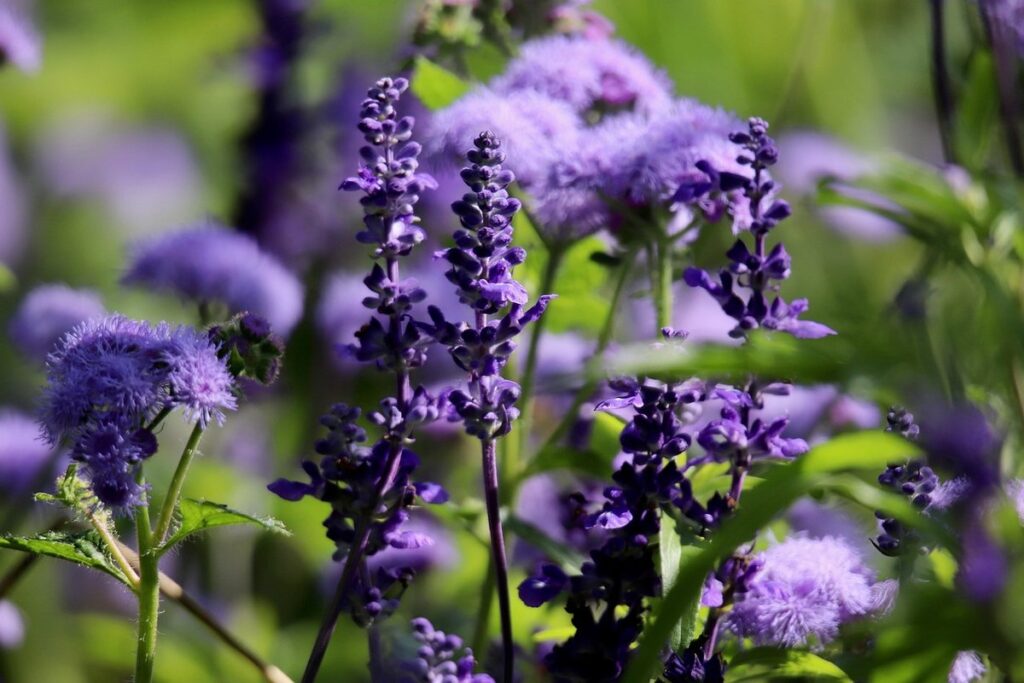
Choosing the Right Sage Variety
When it comes to growing sage, selecting the right variety is crucial for your specific climate and desired use. With so many types to choose from, let’s explore the most popular varieties.
Understanding Sage Types
When it comes to choosing the right sage variety for your garden, understanding the different types of sage is crucial. There are several common varieties to consider, each with its unique characteristics and uses.
Garden Sage (Salvia officinalis) is one of the most popular and widely grown varieties. It’s a hardy perennial that thrives in well-drained soil and full sun. Garden Sage has gray-green leaves with purple flowers and is often used in cooking, particularly in Mediterranean and Italian dishes. Its flavor is slightly bitter and pairs well with chicken, pork, and vegetables.
Purple Sage (Salvia purpurea) is another popular variety known for its deep purple foliage and stunning flower spikes. It’s a bit more delicate than Garden Sage but still makes an excellent addition to any garden. Purple Sage has a slightly sweeter flavor and is often used in herbal teas and desserts.
Tricolor Sage (Salvia x tricolor) is a beautiful, compact variety with leaves featuring shades of green, white, and purple. It’s perfect for containers or small gardens and requires minimal maintenance. Tricolor Sage has a mild flavor and is ideal for using fresh in salads or as a garnish.
When selecting a sage variety, consider your climate, available space, and intended use. By choosing the right type of sage, you’ll be well on your way to enjoying this versatile herb all year round.
Selecting Sage for Your Climate
When selecting sage for your garden, it’s essential to choose a variety that thrives in your specific climate. This means considering factors like hardiness zones, temperature tolerance, and moisture requirements.
First, determine your hardiness zone by checking the USDA Plant Hardiness Zone Map. Sage varieties fall within zones 4-9, with some species more tolerant of extreme temperatures than others. For example, ‘Tricolor’ sage is a popular choice for its vibrant foliage and can tolerate temperatures as low as -20°F (-29°C), making it suitable for cooler climates.
In warmer regions (zones 8-9), opt for heat-tolerant varieties like ‘Purpurascens’ or ‘Sage of the Gods.’ These plants have a higher temperature threshold, ensuring they perform well in hot summer months. Additionally, ensure your chosen sage variety meets your local moisture requirements. Some species, such as ‘Tri-color,’ prefer well-draining soil and moderate watering, while others like ‘Berggarten’ can tolerate wetter conditions.
To further refine your selection, research the specific climate and growing conditions for your area. Consider factors like frost dates, average rainfall, and sunlight hours when selecting the ideal sage variety for your garden. By choosing a hardy, adaptable plant that meets local requirements, you’ll be well on your way to enjoying a lush, thriving sage crop all season long.
Growing Conditions for Sage
To grow sage successfully, you’ll want to provide it with well-draining soil and a spot that receives full sun to partial shade. Make sure your garden has these conditions in place.
Soil Requirements for Healthy Growth
Sage is a versatile herb that thrives in well-draining soil with a slightly acidic to neutral pH. The ideal range for sage growth is between 6.0 and 7.0 pH, although it can tolerate a wider range of pH levels. When growing sage, ensure the soil has good drainage to prevent waterlogged conditions that can lead to root rot.
For healthy growth, sage requires a balanced nutrient profile. It prefers slightly alkaline soils with adequate calcium and magnesium levels. However, excessive nitrogen can promote leaf growth at the expense of flavor. To create an optimal environment for sage growth, mix in compost or well-rotted manure to improve soil fertility.
Poor soil can be amended by adding organic matter like peat moss or perlite to increase drainage. A 2-inch layer of mulch around the base of the plant also helps retain moisture and suppress weeds. Regularly testing your soil pH will help you make adjustments as needed. By understanding sage’s specific soil requirements, you’ll create an environment that fosters robust growth and excellent flavor.
Sunlight and Temperature Needs
Sage plants require adequate sunlight to undergo photosynthesis and grow well. Aim for at least 4-6 hours of direct sunlight per day, although some varieties can tolerate partial shade. If you’re growing sage indoors, a south-facing window or a sunroom is ideal.
Temperature also plays a crucial role in promoting healthy growth. Sage prefers temperatures between 65°F (18°C) and 75°F (24°C). Avoid exposing your plants to extreme temperatures above 85°F (29°C) or below 55°F (13°C), as this can cause stress and negatively impact growth.
To protect your sage plants from extreme weather conditions, consider the following:
* During hot summer days, ensure good air circulation around the plants to prevent scorching.
* On chilly winter mornings, bring potted sage indoors or cover outdoor beds with a frost blanket to prevent damage.
* If you live in an area prone to frost, choose a variety that’s hardy to your local zone or provide protection for your plants during winter.
By providing your sage plants with the right amount of sunlight and maintaining optimal temperatures, you’ll be well on your way to growing healthy, robust specimens.
Propagation Methods for Sage
When it comes to growing sage, knowing how to propagate new plants is essential for continuous harvests and sharing with friends. Let’s dive into the popular methods for propagating sage.
Seeds or Cuttings: Which Method Works Best?
When it comes to propagating new sage plants, you have two primary options: starting from seeds or using cuttings. While both methods can be successful, they come with their own set of advantages and disadvantages.
Starting from seeds allows you to grow a wide range of varieties, as long as you have the specific seed type you’re looking for. This method is also relatively inexpensive, as sage seeds are readily available online or in local nurseries. However, growing from seeds can be a longer process, taking anywhere from 6-12 weeks to produce a viable plant.
On the other hand, using cuttings is a faster and more reliable method, producing results within just 2-3 weeks. This technique also allows you to propagate plants with desirable traits, such as compact growth or improved fragrance. To take cuttings, simply snip off healthy stems from mature sage plants, remove lower leaves, and plant them in well-draining soil.
In general, using cuttings is the preferred method for most gardeners, especially if they’re looking to quickly multiply a specific variety of sage.
Taking Sage Cuttings for Propagation
Taking sage cuttings for propagation is a straightforward process that can be done with minimal equipment and expertise. To start, select healthy stems from your mature sage plant, cutting them just above a leaf node using a sharp, clean tool. This will promote root growth and prevent the cutting from drying out.
Prepare the stems by removing lower leaves, leaving only two or three sets of leaves at the top. This helps to conserve moisture and energy for rooting. Next, prepare your rooting medium, which can be a mixture of perlite, vermiculite, and peat moss. Moisten the medium with water until it reaches a consistency like a damp sponge.
For ideal conditions, provide bright, indirect light and maintain temperatures between 65-75°F (18-24°C). Water sparingly to keep the medium consistently moist but not waterlogged. It’s essential to avoid overwatering, which can lead to root rot and poor rooting. Roots should develop within 1-2 weeks, at which point you can transfer the cutting into a larger pot filled with well-draining soil.
Pruning and Training Sage Plants
To keep your sage plant healthy and thriving, pruning and training are essential techniques that require attention to its growth habits and shape. This section will guide you through these processes.
Why Prune Your Sage Plant?
Pruning your sage plant is one of the most crucial aspects of its care. When you prune your sage regularly, it encourages healthy growth by removing weak and diseased branches. This process also promotes bushy foliage, which leads to increased yields. By pruning, you’re essentially telling your sage plant to focus its energy on producing new leaves rather than investing in flower production.
In addition to promoting health and increasing productivity, pruning helps maintain the overall shape of your sage plant. Over time, unpruned sage plants can become leggy and lose their compact, bushy appearance. By regularly pinching back the tips of stems, you can keep your sage looking neat and tidy.
There are several reasons why sage plants may require more frequent pruning. For example, if your sage is grown in a container with limited root space, it will naturally grow taller to reach the light source above. This means that you’ll need to prune it back more frequently to maintain its shape.
Techniques for Pruning and Training Sage
When it comes to pruning and training sage plants, the goal is not only to maintain their shape but also to promote healthy growth and encourage a bounty of fragrant leaves. One key technique is to pinch off flower buds as soon as they appear, which can be done by simply snapping them off with your fingers or using a pair of clean scissors. This may seem counterintuitive, as one might assume that allowing the plant to bloom would promote health, but in fact, pinching off flowers directs the plant’s energy towards producing leaves instead.
Regular pruning is also essential for removing dead or damaged stems, which can harbor disease and attract pests. Cut back any brown or yellowed growth to about an inch from the node, using a sharp pair of pruning shears or loppers. This will not only improve air circulation but also encourage new growth. When shaping the plant’s structure, start by removing any suckers or weak stems that are growing inwards towards the center of the plant, then gently prune back any over-extended branches to maintain an attractive shape.
In addition to these techniques, you can also train your sage plants by using stakes or a trellis to provide support for tall varieties. This is particularly helpful when growing sage in areas with strong winds that might topple the plant over. By combining regular pruning and training, you’ll be able to keep your sage plants looking their best while also promoting a healthy, productive harvest.
Pests and Diseases Affecting Sage Plants
When growing sage, it’s essential to be aware of common pests and diseases that can affect your plants, causing damage and even death if left unchecked. Here we’ll discuss the most common issues.
Identifying Common Pests and Fungal Infections
When it comes to growing and pruning sage, one of the biggest challenges you may face is dealing with pests and diseases that can harm your plants. As a sage enthusiast, it’s essential to be aware of common pests and fungal infections that can affect your sage plants.
Some of the most common pests that infest sage plants include aphids, spider mites, and whiteflies. Aphids are small, soft-bodied insects that feed on plant sap, causing curled or distorted leaves. Spider mites are tiny, eight-legged arachnids that spin webs on the undersides of leaves, sucking out their nutrients. Whiteflies are flying insects that resemble tiny moths and also feed on plant sap.
Fungal infections like root rot, powdery mildew, and leaf spot can also be devastating to your sage plants. Root rot is a common issue in overwatered plants, causing the roots to decay and eventually killing the plant. Powdery mildew appears as a white, powdery coating on leaves, while leaf spot causes small, circular lesions on the leaves.
To identify these issues early, keep an eye out for yellowing or droopy leaves, sticky honeydew residue on leaves, and spider webs on undersides of leaves. If you catch an infestation or infection early, treat your plant with insecticidal soap or neem oil to control pests, or adjust watering habits to prevent fungal growth.
Organic Control Methods for Sage Pests and Diseases
When it comes to maintaining healthy sage plants, controlling pests and preventing diseases is crucial. Fortunately, there are several organic control methods that can be effective in managing common issues. One of the most popular natural pest control options for sage plants is neem oil. This plant-based extract has been shown to repel a wide range of pests, including aphids, whiteflies, and spider mites.
For fungal infections, insecticidal soap is another excellent choice. Made from natural ingredients like fatty acids and glycerin, it can be used to control powdery mildew, leaf spot, and other fungal diseases. To apply neem oil or insecticidal soap, mix the recommended amount with water according to the product label, then spray it evenly over the plant’s foliage.
Copper-based fungicides are also a natural option for controlling fungal infections. These products contain copper, which is toxic to fungi but safe for most plants. When using any of these organic control methods, be sure to follow the instructions carefully and test them on a small area first to ensure they don’t cause any damage to your sage plant. Regularly inspecting your plants and taking action promptly can help prevent pest and disease issues from getting out of hand.
Harvesting and Storing Fresh Sage Leaves
Now that you’ve grown and pruned your sage, it’s time to reap the rewards by learning how to harvest and store its fresh leaves for optimal flavor and preservation. We’ll show you the best techniques for doing just that.
When to Harvest Sage for Optimal Flavor
When it comes to harvesting sage for optimal flavor, timing is everything. You want to pick your leaves at the right moment to ensure they retain their pungency and aroma. Generally, it’s best to harvest fresh sage leaves when the plant is mature but still young, around 6-8 inches tall. This is usually between spring and early summer, depending on your climate.
As the plant matures, its flavor profile changes. Sage becomes more bitter and loses some of its characteristic warmth. Harvesting at this stage can result in a less desirable flavor. To avoid this, try to harvest individual leaves or small sprigs regularly, rather than waiting until the entire stem is mature.
If you’re looking for the best time to harvest sage, consider the specific needs of your recipe. For example, if you’re making stuffing or roasted vegetables, you may prefer a more pungent flavor. In this case, harvest your sage when it’s at its most aromatic – usually in late spring or early summer.
Keep in mind that sage leaves are also more delicate than other herbs and can quickly lose their potency after harvesting. Be sure to store them properly to preserve their flavor and aroma.
Drying and Preserving Sage Leaves for Long-Term Use
When it’s time to preserve your fresh sage leaves for long-term use, drying and preserving them correctly is crucial. This ensures they remain fragrant and flavorful, retaining their potent medicinal properties.
Air-drying is a simple method: tie sage sprigs in small bunches, hang them upside down in a warm, dry place with good air circulation. It may take several weeks for the leaves to completely dry out, but this process helps preserve their natural oils. For faster results, you can use your oven on the lowest temperature setting (usually around 150°F). Place sage leaves in a single layer on a baking sheet and let them dry for 1-2 hours, checking on them every 30 minutes.
Another method is freeze-drying, which removes moisture without heat, preserving the herbs’ nutrients and flavor. Freeze-dried sage leaves can be stored for years and used as needed.
Regardless of the drying method you choose, it’s essential to store your dried or frozen sage properly: keep them in airtight containers, away from direct sunlight and heat sources. This will help maintain their potency and aroma.
Frequently Asked Questions
Can I grow sage indoors year-round, or is it strictly an outdoor plant?
Sage can be grown indoors with proper care, but its hardy nature makes it more suitable for outdoor gardens. With sufficient sunlight and temperature control, you can successfully grow sage in a container indoors. However, pruning and training will require extra attention to maintain the plant’s shape and prevent overgrowth.
What are some common pests I might encounter when growing sage, and how do I control them?
Common pests affecting sage plants include aphids, whiteflies, and spider mites. To control infestations, inspect your plants regularly for signs of pests, and use organic methods like neem oil or insecticidal soap to treat affected areas. Monitor temperature and humidity levels, as these can exacerbate pest problems.
How often should I prune my sage plant, especially if it’s getting quite tall?
Regular pruning is essential for maintaining the health and shape of your sage plant. Prune your sage regularly throughout the growing season, removing any weak or damaged stems and shaping the plant to promote bushy growth. Pruning also encourages new leaf growth and prevents overgrowth, which can make the plant more susceptible to disease.
Can I propagate sage using seeds, or is it better to use cuttings?
Sage plants propagated from cuttings tend to produce healthier and more robust plants than those grown from seed. Cuttings taken from mature stems with a node will increase your chances of successful propagation. Seeds can be used for starting new varieties, but they may require additional care and patience.
How do I know when my sage leaves are ready for harvesting?
Check for the optimal flavor by gently rubbing a leaf between your fingers; it should release its fragrance easily. Harvest individual leaves as needed or cut off larger stems for use in recipes. Regular harvesting will encourage continued growth, but be sure to leave enough foliage to support the plant’s energy and prevent over-pruning.