
Basil is one of the most popular herbs in any kitchen, but despite its ease of cultivation, many gardeners struggle to get the most out of their plants. One key technique that can make all the difference is pinching and pruning. By carefully removing select leaves and stems at strategic times, you can encourage bushy growth, boost yields, and even reduce your basil’s susceptibility to disease. In this article, we’ll take a closer look at the techniques, timing, and tools involved in pinching and pruning basil for maximum results. Whether you’re a seasoned gardener or just starting out with your first pot of basil, learning how to pinch and prune will help you get the most out of your crop and enjoy a more bountiful harvest all season long.
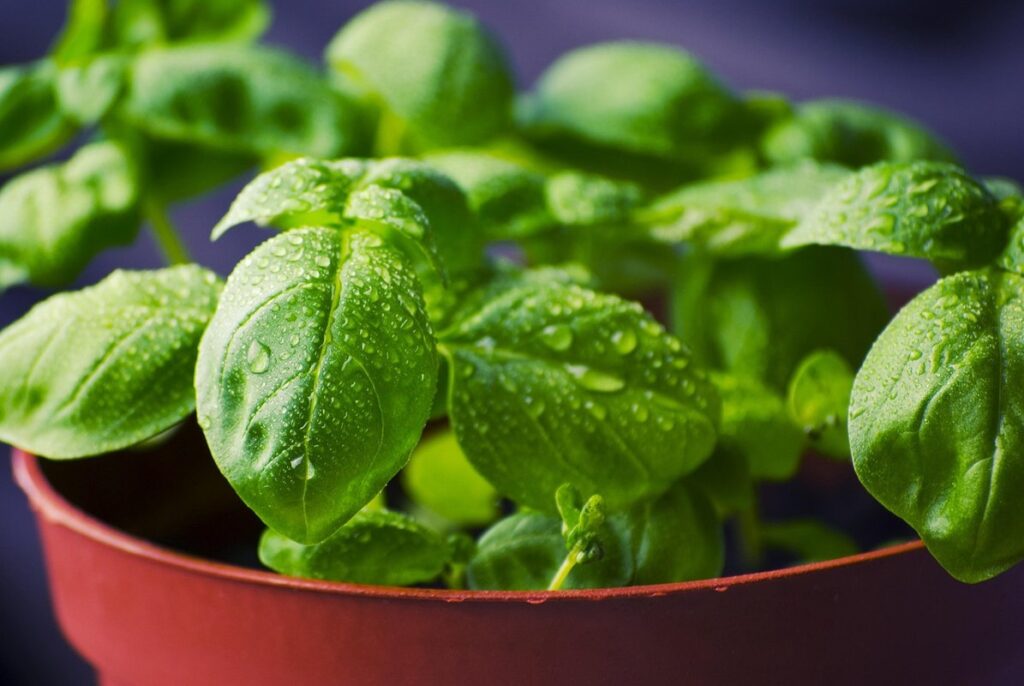
Understanding Why Pinch and Prune Your Basil
Understanding why you should pinch and prune your basil is crucial to prevent legginess, promote healthy growth, and encourage a more abundant harvest for you. It’s time to explore the reasons behind this simple yet essential technique.
The Importance of Pinching for Bushy Growth
Pinching is one of the most effective techniques to encourage bushy growth in basil plants. When you pinch off the top set of leaves, it stimulates the plant’s ability to focus its energy on producing new growth from lateral shoots. This process encourages the plant to develop a fuller and more robust shape, rather than growing leggy and tall.
Imagine a scenario where your basil plant is starting to outgrow its container. If you don’t intervene, it will continue to stretch upwards in search of light, resulting in weak and spindly stems that are prone to breaking. By pinching the top growth, you’re signaling the plant to redirect its energy towards producing lateral shoots, which eventually merge to form a denser and more compact habit.
In practical terms, pinch off the top set of leaves when your basil plant reaches about 6-8 inches tall. Use a clean pair of scissors or pinch between your thumb and index finger to remove the growing tip, just above a leaf node. This simple technique will encourage bushy growth, prevent legginess, and promote a more vibrant and healthy basil plant.
The Benefits of Regular Pruning for Healthy Plants
Regular pruning of basil plants is a crucial practice that provides numerous benefits for their health and productivity. By regularly pinching and pruning your basil, you can significantly increase yields. This is because pruning encourages bushy growth, allowing the plant to produce more leaves and stems. In fact, studies have shown that pruned basil plants can yield up to 20% more leaves than unpruned ones.
Another advantage of regular pruning is reduced disease susceptibility. When plants are not pruned regularly, they can become congested, making them more vulnerable to diseases such as powdery mildew and root rot. Pruning helps to promote air circulation around the plant, reducing the risk of fungal infections. This is especially important for basil, which is prone to these types of diseases.
To reap these benefits, make pruning a part of your regular maintenance routine. Simply pinch off flower buds as they appear, and trim back the tips of the stems by about one-third every week or two. This will encourage new growth and keep your plant healthy and thriving.
Preparing Your Basil for Pinching and Pruning
Before you start pinching and pruning, it’s essential to prepare your basil plant by giving it a good soaking and inspecting it for any signs of pests or disease. This simple step will ensure your basil is healthy enough to handle the pruning process.
Choosing the Right Time to Start Pinching
When it comes to pinching your basil, timing is everything. You want to start at the right moment to encourage bushy growth and prevent flowering. Generally, you can begin pinching your basil when it’s around 6-8 inches tall, which is usually after about a week or two of growth.
However, there are several factors to consider before starting to pinch. Weather conditions, for instance, play a significant role. Avoid pinching during periods of extreme heat or cold, as this can cause stress to the plant. Additionally, if your basil has reached its mature height, it’s best to wait until new growth begins again after harvesting.
Pay attention to your plant’s growth stages as well. Pinch off flower buds when they first appear, but allow the leaves to grow for a few days before pinching them back. This will help your basil develop a robust structure and prevent flowering. Start with the top sets of leaves, removing about one-third to half of the stem, just above a node. By doing so, you’ll encourage branching and promote healthy growth.
Selecting Healthy Stems for Pinching
When selecting healthy stems for pinching, it’s essential to choose those that are disease-free and pest-free. Look for stems with bright green leaves and no signs of discoloration, yellowing, or blackening. Check the stem tips for any visible damage or pests like aphids, whiteflies, or spider mites.
To inspect a stem, gently pinch off one of its lower leaves to expose the stem below. If you notice any soft spots, mushy areas, or sticky residue on the stem, it’s likely infested with pests or diseased. On the other hand, healthy stems will have a firm texture and a slight sheen.
Before pinching, also check for signs of nutrient deficiency, such as pale leaves or stunted growth. Make sure to pinch off only the top sets of leaves, leaving at least two nodes (the joint where a leaf meets the stem) intact. This ensures that your basil plant continues to produce new growth after pinching. By selecting healthy stems, you’ll promote healthy and vigorous growth in your basil plants.
Techniques for Pinching Basil
When it comes to pinching basil, timing and technique are everything. To encourage bushy growth and prevent flowering, you’ll want to pinch off new shoots at just the right moment.
Basic Pinching Technique
When it’s time to pinch your basil plant for the first time, start by identifying the top set of leaves. These are typically the most mature and developed leaves on the stem, and they’re ready to be removed to encourage branching and prevent the plant from flowering prematurely.
To remove the top set of leaves, reach in and carefully grasp them just above a node (the point where a leaf meets the stem). Hold the stems between your thumb and index finger, making sure not to damage any of the delicate tissue. Gently pinch or snip off the top leaves using your fingers or pruning shears, taking care not to leave any stubs or uneven ends.
As you pinch, make sure to remove only the top set of leaves, leaving a few sets of leaves below them intact. This will help your basil plant redirect its energy into producing more foliage and prevent it from flowering. Remember to make clean cuts just above a node to promote healthy growth and avoid spreading disease through torn or damaged tissue.
Advanced Pinching Techniques for Specific Varieties
Pinching is not one-size-fits-all when it comes to basil varieties. Different types require tailored approaches to optimize growth and flavor. For instance, Thai basil’s delicate nature demands a more gentle pinching technique than the robust sweet basil.
When working with Thai basil, focus on removing only the top sets of leaves, just above a node. This will encourage bushy growth without sacrificing the plant’s characteristic anise or licorice flavor. Avoid over-pinching, as this can lead to a leggy appearance and reduced fragrance.
Sweet basil, on the other hand, responds well to more aggressive pinching. Remove about one-third of the stem, making sure each cut is just above a node. This technique promotes a fuller plant with a more intense aroma. For some varieties like Genovese or large-leaf sweet basil, consider pinching back every 7-10 days for optimal growth.
Be mindful that frequent pinching can affect flavor, so adjust your approach based on the specific variety and desired outcome.
Pruning Your Basil Plant
Now that you’ve learned how to pinch your basil plant for optimal growth, it’s time to tackle pruning – a crucial step to prevent overgrowth and encourage bushy stems. Pruning techniques will be covered in this section.
Reasons to Prune Your Basil Regularly
Regular pruning of your basil plant is crucial for its overall health and productivity. By pinching off the top sets of leaves, you’re not only maintaining its shape but also promoting new growth. This process encourages the plant to focus its energy on producing more foliage rather than flowering, which can lead to a bountiful harvest.
For one, regular pruning helps maintain your basil plant’s desired shape and size. By regularly pinching off the top sets of leaves, you’re preventing it from becoming leggy and promoting bushy growth. This not only makes the plant look healthier but also allows for better air circulation around the leaves, reducing the risk of fungal diseases.
Another significant benefit of regular pruning is that it promotes new growth. When you remove the terminal buds, the plant responds by producing new shoots, resulting in a more robust and vigorous plant. This process also encourages root development, making the plant more resilient to environmental stresses.
Tools Needed for Pruning Basil
Pruning basil requires some essential tools to do it safely and effectively. When handling your basil plant, you’ll want to have a few key items on hand to make the process smoother.
First and foremost, you’ll need a pair of sharp scissors or pruning shears. Look for ones with clean, straight blades that won’t crush the delicate stems. This will help you make precise cuts without causing damage to the plant. Pruning shears are ideal for larger stems, while smaller scissors work better for pinching off individual leaves.
In addition to your cutting tools, it’s also a good idea to wear a pair of gardening gloves. These will protect your hands from thorns and prickly stems, as well as any sap that might be released during pruning. This is especially important if you have sensitive skin or are prone to allergic reactions.
When selecting pruning shears, make sure they’re specifically designed for use with herbs like basil. Some pruners may be too heavy-duty for delicate plants, and could cause more harm than good.
Pinching vs. Pruning: What’s the Difference?
So, you’ve heard of pinching and pruning but aren’t quite sure what they mean for your basil plants – let’s dive into the difference between these two techniques.
Understanding the Distinctions Between Pinching and Pruning
When it comes to basil cultivation, pinching and pruning are two techniques often used interchangeably, but they serve distinct purposes. Pinching refers to the process of removing the terminal bud of a stem, usually at the tip, to encourage bushy growth and prevent the plant from flowering too quickly. This technique helps promote healthy root development, increases yields, and improves the overall shape of the plant.
Pruning, on the other hand, involves cutting back or removing branches, stems, or leaves to maintain the plant’s size, promote air circulation, and enhance its overall appearance. While pruning can be beneficial for basil plants, over-pruning can lead to reduced yields and even kill the plant.
A key difference between pinching and pruning is their impact on plant growth. Pinching encourages vertical growth, whereas pruning promotes lateral growth. This distinction is crucial when deciding which technique to use on your basil plants. For example, if you’re growing a compact variety of basil, pinching might be more suitable, while a larger variety may require more extensive pruning.
When to Use Each Technique
When it comes to pinching vs. pruning basil, understanding when to use each technique is crucial for optimal growth and flavor. Here’s a breakdown of when to pinch versus prune based on plant age, growth stage, and desired outcome.
For young basil plants (less than 6 inches tall), pinching is the preferred method. This involves removing the top sets of leaves to encourage branching and promote a fuller plant. Pinch off the tips of the stems using your fingers or a pair of scissors, making sure to leave at least two nodes between the pinch point and the next leaf. This technique will help prevent the plant from flowering prematurely.
As basil plants reach maturity (6-12 inches tall), pruning takes center stage. Pruning involves cutting back the entire stem by about one-third to one-half, just above a node. This technique encourages the plant to focus its energy on producing more leaves and stems, rather than flowers. For example, if you’re looking for a larger harvest or want to encourage bushy growth, pruning is the way to go.
For established basil plants (over 12 inches tall), either pinching or pruning can be used depending on your desired outcome. If you prefer a more compact plant with plenty of leaves, pinch regularly. However, if you’re after an intense flavor and aroma, prune back the entire stem to encourage new growth.
Common Mistakes to Avoid
To avoid frustration and disappointment, it’s crucial to steer clear of common mistakes that can harm your basil plant when pinching and pruning. Let’s review these key errors together.
Over-Pinching or Over-Pruning Your Basil
When it comes to pinching and pruning basil, it’s easy to get carried away and inadvertently do more harm than good. Over-pinching or over-pruning your basil can have serious consequences, from stressing the plant to reducing its overall yields.
Over-pinching occurs when you remove too many leaves at once, leaving the plant vulnerable to stress and shock. This can cause a cascade of problems, including reduced growth rates, lower fruiting, and even disease susceptibility. For example, if you’re growing sweet basil for its fragrant leaves, over-pinching could result in smaller, less flavorful leaves that are also more prone to bolting.
To avoid over-pinching, simply pinch off the top sets of leaves about an inch below a node, rather than taking off large chunks of foliage. This will encourage bushy growth and prevent stress to the plant. By doing so, you’ll be able to enjoy a healthy, productive basil crop that’s bursting with flavor.
Remember, less is often more when it comes to pinching and pruning basil. Be gentle, take your time, and prioritize the health of the plant above all else.
Insufficient Pinching or Pruning
When it comes to pinching and pruning basil, one common mistake gardeners make is not doing enough of it. Failing to pinch or prune your basil plants regularly can lead to reduced growth and increased susceptibility to disease.
Basil that’s not pinched or pruned regularly will become leggy and weak, producing fewer leaves and flowers. This is because the plant’s energy is focused on growing taller rather than developing a robust root system. As a result, the plant becomes more vulnerable to pests and diseases, such as powdery mildew, spider mites, and aphids.
If you notice your basil plant has become leggy or is showing signs of disease, it’s likely due to insufficient pinching or pruning. To prevent this, make sure to pinch off flower buds regularly to encourage leaf growth, and trim back the tips of stems to promote branching.
Regular pinching and pruning will not only improve the overall health of your basil plant but also increase its yield.
Frequently Asked Questions
Can I still pinch and prune my basil if it’s already leggy?
Yes, you can still pinch and prune your basil even if it has grown leggy. However, it might take a little more effort to restore the plant’s natural bushy shape. Be patient and focus on encouraging new growth from lateral shoots.
How often should I pinch and prune my basil for optimal results?
For maximum results, aim to pinch or prune your basil every 7-10 days during its active growing season. This will help maintain a healthy balance between new growth and existing foliage, promoting bushy growth and preventing legginess.
What’s the best tool to use for pinching and pruning my basil?
When it comes to pinching and pruning basil, you’ll want to use clean, sharp, and dedicated scissors or clippers specifically designed for herb gardening. Avoid using regular household scissors or knives, as these can spread disease and cause unnecessary damage.
Can I pinch and prune my basil in the middle of its growing season?
Yes, it’s perfectly fine to start pinching and pruning your basil in the middle of its growing season. This will help control the plant’s height, encourage bushy growth, and direct energy towards producing more leaves and flowers.
How do I know if I’m over-pinching or under-pruning my basil?
Pay attention to your basil plant’s responses to pinching and pruning. If it starts to become stressed, wilted, or shows signs of weakness, you may be over-pruning. Conversely, if the plant is becoming too leggy and sparse, you might not be pinching enough.