
Are you ready to grow your own delicious tomatoes in even the smallest of spaces? Patio tomato varieties are perfect for small gardens, balconies, or patios, and with the right choice and care, you can enjoy a bountiful crop of juicy tomatoes all season long. But with so many varieties to choose from, it can be overwhelming to decide which ones will thrive in your mini-garden.
In this article, we’ll explore the best patio tomato varieties that are perfect for small spaces, providing tips on how to select and care for them. We’ll also cover essential techniques for growing tomatoes in containers, ensuring you get the most out of your harvest. Whether you’re a seasoned gardener or just starting out, you’ll learn everything you need to know to grow delicious patio tomatoes all summer long.
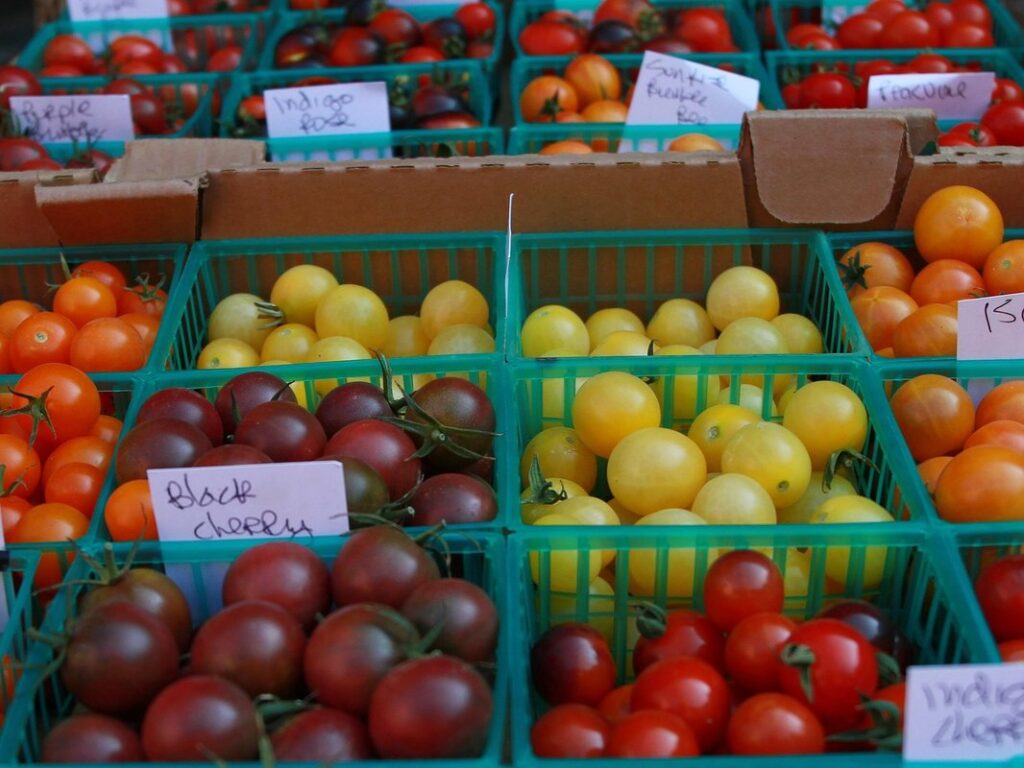
Choosing the Right Variety
When it comes to growing patio tomatoes, selecting the right variety is crucial for success. This section will help you navigate the many options and choose a variety that suits your space and preferences perfectly.
Dwarf and Compact Varieties
When it comes to patio tomato varieties, dwarf and compact options are perfect for small spaces. These mini marvels produce plenty of flavor without taking up too much room.
Take ‘Tiny Tim’, a popular choice among gardeners with limited space. This variety produces cherry-sized tomatoes that pack a punch of sweetness. With a growth habit of just 12-18 inches, it’s ideal for containers or hanging baskets. You can expect around 10-15 pounds of fruit per season.
Another winner is ‘Red Robin’, which boasts a compact growth habit and produces loads of small to medium-sized tomatoes. Its bright red color adds visual interest to any patio or balcony garden. With proper care, you can enjoy a steady harvest of up to 20 pounds of fruit.
Last but not least, there’s ‘Patio’, a tried-and-true variety that’s specifically bred for small spaces. It produces plenty of medium-sized tomatoes with a delicious balance of sweet and tangy flavors. Grow it in containers or directly in the ground, and you can expect around 15-20 pounds of fruit per season.
Remember to provide support for these compact varieties, as they may need a little extra help staying upright. With proper care and attention, you’ll be enjoying fresh, homegrown tomatoes from your patio garden in no time!
Patio Tomato Characteristics
When selecting a patio tomato variety for container growing, several key characteristics make all the difference. One of the most important factors is plant size. Look for varieties that are compact and bushy, typically reaching no more than 2-3 feet in height. This allows for optimal growth within small spaces.
Another crucial consideration is fruit size. Patio tomatoes come in a range of sizes, but generally, they produce smaller fruits – often around 1-2 ounces. These bite-sized tomatoes are perfect for snacking and salads, and their smaller size means they’re less susceptible to sun scorch.
Disease resistance is also vital when growing patio tomatoes in containers. Many varieties have built-in disease resistance, which can help minimize the risk of fungal infections like powdery mildew or early blight. Some popular examples include ‘Tiny Tim’, ‘Red Robin’, and ‘Patio’ itself – all renowned for their robust health.
Maturation days are also essential to consider. Patio tomatoes typically mature within 60-90 days, allowing you to enjoy a quick turnaround between planting and harvest. This accelerated growth rate makes them ideal for smaller spaces with limited growing seasons.
Selecting Varieties Based on Climate
When selecting a patio tomato variety for your small space garden, it’s essential to consider the local climate. Different regions have unique challenges when it comes to growing tomatoes, and choosing the right variety can make all the difference.
For hot climates (USDA zones 10-12), look for varieties that are heat-tolerant and produce fruit quickly, such as ‘Patio’ or ‘Tiny Tim’. These compact plants can thrive in temperatures up to 100°F (38°C). In contrast, cooler regions (USDA zones 4-6) require more cold-hardy varieties like ‘Early Girl’ or ‘Husky Red’, which can handle light frosts and produce fruit before the first frost.
Disease susceptibility is also a concern in certain climates. For example, if you live in an area prone to fusarium wilt (common in warmer states), opt for varieties with built-in resistance like ‘Better Boy’ or ‘Early Girl’. Research your specific region’s climate conditions and choose a variety that aligns with them. This will help ensure healthy growth and a bountiful harvest from your patio tomato plants.
Container Growing Essentials
To grow thriving patio tomatoes, you’ll need some essential containers and supplies. Choosing the right container growing essentials will set your plants up for success from the start.
Soil Selection for Patio Tomatoes
When growing patio tomatoes in containers, selecting the right potting mix is crucial for their health and productivity. A good potting mix should provide excellent drainage to prevent waterlogged soil, which can lead to root rot and other issues.
Look for a mix that contains ingredients such as peat moss or coconut coir, which help retain moisture but also allow for airflow around the roots. Avoid mixes with high levels of compost or manure, as these can be too dense and may not provide enough oxygen.
Another important factor is nutrient retention. A balanced potting mix will have a suitable NPK (nitrogen-phosphorus-potassium) ratio to support healthy growth, but this may need to be supplemented with fertilizers during the growing season.
pH levels are also critical in maintaining plant health. Most patio tomato varieties prefer a slightly acidic to neutral soil pH between 6.0 and 7.0. Test your potting mix before planting to ensure it’s within this range.
Container Size and Type
When choosing a container for your patio tomatoes, size and type are crucial factors to consider. A general rule of thumb is to select a container that’s at least 5-7 gallons in volume, allowing for a decent root system development. However, if you’re growing dwarf or compact varieties, a smaller container (around 3-4 gallons) may be sufficient.
In terms of material, containers made from terracotta, ceramic, or plastic are popular choices. Terracotta pots, for example, provide good drainage and allow the soil to breathe, while ceramic pots are more durable and resistant to extreme temperatures. Plastic containers, on the other hand, are lightweight and easy to clean but may require additional support.
Another key consideration is depth – make sure your container has sufficient depth (at least 6-8 inches) to accommodate the tomato plant’s root system. A built-in drainage system or a layer of small rocks at the bottom can also help prevent waterlogged soil and root rot. When in doubt, opt for a container with multiple drainage holes to ensure excess water escapes freely. This will promote healthy growth and prevent common issues like overwatering.
Fertilization and Watering Strategies
When growing patio tomatoes in small spaces, fertilization and watering strategies play a crucial role in their success. In containers, nutrients can quickly deplete due to the limited soil volume, making regular feeding essential.
For container-grown tomatoes, opt for a balanced fertilizer with equal N-P-K ratios (e.g., 10-10-10) and follow the manufacturer’s instructions. You can also use fish emulsion or compost tea as an alternative, adding them at half strength to avoid burning your plant’s roots.
Watering is just as critical; overwatering can be detrimental in containers. Check the soil daily by sticking your finger into it up to the first knuckle. If dry, it’s time to water. Aim for about 1-2 cups of water per gallon of potting mix, and avoid getting water on the leaves to prevent fungal diseases.
Some tips to keep in mind: fertilize once a month during the growing season (spring-fall), avoid overfertilizing by skipping one or two feedings between applications, and mulch around your container to retain moisture and suppress weeds.
Supporting Your Patio Tomatoes
Now that you’ve got your patio tomatoes growing, let’s talk about how to keep them thriving – a little TLC can go a long way in maximizing their flavor and yields.
Providing Support and Pruning
When supporting and pruning your patio tomato plants, it’s essential to use methods that promote optimal growth and fruiting. For compact varieties like ‘Tiny Tim’ and ‘Red Robin’, a trellis is an excellent choice. These plants have a naturally upright habit and can be trained to grow up the trellis using soft ties or clips.
For more vigorous varieties, stakes or cages are necessary to keep them upright and prevent damage from wind and rain. Use tomato cages with sturdy frames that allow for good air circulation around the plant’s base. When placing stakes, gently tie the plant to the stake using twine or soft material to avoid damaging the stem.
Proper pruning techniques can also boost fruit production. Remove lower leaves to prevent soil-borne diseases from splashing onto the fruit, and remove any weak or spindly growth to direct energy towards fruiting branches. This will help your patio tomatoes grow strong and healthy, producing an abundance of delicious fruit throughout the growing season.
Pest and Disease Management
As you enjoy watching your patio tomatoes grow and thrive, it’s essential to be aware of common pests and diseases that can affect them. In small spaces, these issues can quickly become magnified, putting the health and yield of your plants at risk.
Some of the most common pests affecting patio tomatoes include aphids, whiteflies, and hornworms. To prevent infestations, make sure to inspect your plants regularly for signs of damage or unusual growth patterns. For example, if you notice a sticky substance on the leaves or stems of your tomato plant, it could be a sign that aphids are present.
As for diseases, fungal infections like powdery mildew and leaf spot can quickly spread through a patio garden. Prevention is key – keep your plants well-watered but not waterlogged, as excess moisture can create an ideal breeding ground for fungi. If you do notice any issues, there are several organic treatments available, such as neem oil or baking soda sprays.
Regularly pruning and rotating your tomato crop can also help to reduce the risk of pests and diseases.
Companion Planting for Patio Tomatoes
When it comes to growing patio tomatoes in small spaces, companion planting is a game-changer. By strategically pairing plants that benefit each other, you can enhance the growth and productivity of your tomato plants while repelling pests and diseases.
For example, basil is a classic companion plant for tomatoes. Not only does its fragrance deter pests like whiteflies and aphids, but it also improves tomato flavor and texture. Planting marigold alongside your patio tomatoes will also keep nematodes at bay, which can harm the roots of your plants. On the other hand, planting comfrey near your tomatoes will provide them with a boost of nutrients through its deep taproots.
Other beneficial relationships include pairing nasturtiums with tomatoes to repel squash bugs and aphids, or interplanting garlic and chives to deter spider mites and other pests. Remember, companion planting is all about creating a balanced ecosystem that benefits your plants. Experiment with different combinations to find what works best for you!
Harvesting Your Patio Tomatoes
Now that your patio tomatoes are ripe and ready, learn how to carefully pluck them from their stems without damaging the plant’s delicate growth. This ensures continued production throughout the season.
Determining Ripeness
Checking for ripeness is crucial when harvesting patio tomatoes to ensure they’re at their best flavor and texture. Visual cues can be deceiving, but there are some telltale signs to look out for. A ripe tomato will have a rich, deep color, whether it’s red, yellow, orange, or purple, depending on the variety. The skin should also be smooth and free of wrinkles.
To check for ripeness, gently twist the fruit; a ripe tomato will come off the plant easily. Avoid pulling or tugging, as this can damage the stem. If the tomato is still green or hard, it’s not yet ready to eat. On the other hand, if it’s too soft or mushy, it may be overripe.
A taste test can also help determine ripeness. A ripe patio tomato will have a sweet, tangy flavor and a firm texture that’s neither too crunchy nor too soft. To ensure optimal flavor, harvest your tomatoes regularly, as they continue to ripen off the plant. This will encourage new growth and prevent overripening of individual fruits.
Harvest Techniques
When harvesting your patio tomatoes, it’s essential to use optimal techniques to avoid damaging the fruit or plant. This is particularly crucial for compact varieties that thrive in small spaces. To harvest your tomatoes without causing harm, make sure to check on them regularly.
Gently grasp the stem just above the first true leaf, and twist it counterclockwise until it comes off. Be cautious not to pull the stem too hard, which can cause the plant’s leaves to be ripped from their stalks. For cherry and patio tomatoes, you can simply pinch or snip them off at the top with your fingers or a pair of scissors.
It’s also crucial to harvest your tomatoes when they’re fully ripe but still firm to the touch. This not only ensures optimal flavor but also reduces the risk of bruising the fruit during handling. Regular harvesting will encourage the plant to produce more flowers and, subsequently, additional fruits.
To avoid over-handling or damaging the delicate stem, consider harvesting in the morning after the dew has evaporated but before the heat of the day sets in. This will make it easier to handle the plants without causing any harm.
Preserving Fresh Tomato Flavor
Preserving fresh tomato flavor is crucial if you want to enjoy the fruits of your labor throughout the year. Since patio tomatoes are perfect for small spaces, we’ll focus on preserving methods that don’t require a lot of equipment or space.
Storing fresh tomatoes is an excellent way to preserve their flavor and texture. To do this, place them in a paper bag or a breathable container with some air holes to prevent moisture buildup. Store them at room temperature until they’re fully ripe, then refrigerate them to slow down the ripening process. This will keep them fresh for up to 5 days.
Another popular method is freezing tomatoes. Blanching them in boiling water for 10-15 seconds can help in removing excess moisture and preserve their flavor. Then, place them in airtight containers or freezer bags and store them in the freezer for up to 6 months.
Canning tomatoes is also an option, but it requires some basic equipment and knowledge of food safety guidelines. You’ll need a pressure canner to ensure that the tomatoes are heated to the required temperature (212°F) to kill off any bacteria.
Making sauces and purees from fresh tomatoes is another great way to preserve their flavor. This method allows you to cook down the tomatoes with some olive oil, garlic, and herbs to create a rich, intense sauce that can be frozen or canned for later use.
Frequently Asked Questions
Can I grow patio tomatoes year-round, even in cold climates?
Yes, with the right planning and precautions, you can enjoy a bountiful harvest of patio tomatoes throughout the growing season. In areas with shorter summers or colder winters, consider using row covers, greenhouse protection, or indoor containers to extend the growing season.
How do I choose between cherry, plum, and beefsteak varieties for my small space?
When selecting a variety, consider your personal taste preferences, cooking needs, and available space. Cherry tomatoes are great for snacking and salads, while plum tomatoes are ideal for sauces and canning. Beefsteak tomatoes require more support but offer the largest, most flavorful fruits.
Can I grow patio tomatoes in containers without using specialized soil mixes?
While it’s not recommended to use regular potting soil for patio tomatoes, you can create your own customized mix by combining ingredients like perlite, vermiculite, and compost. This blend will provide better drainage, aeration, and nutrient retention than standard potting soil.
How often should I fertilize my patio tomato plants, and what type of fertilizer is best?
Feed your patio tomatoes regularly with a balanced, water-soluble fertilizer (10-10-10 NPK). Dilute the fertilizer to half the recommended strength to avoid burning your plant’s roots. Fertilize every 1-2 weeks during the growing season, adjusting frequency based on soil pH and nutrient levels.
Can I propagate my patio tomato plants by seed or stem cuttings?
While both methods are viable, stem cuttings are a more reliable method for propagating patio tomatoes. Take 4-6 inch stem sections from mature plants, remove lower leaves, and plant them in well-draining mix. Keep the soil consistently moist and warm until roots develop.