
When it comes to watering your garden, there are many options available, but two popular choices are soaker hoses and drip irrigation systems. As a gardener, you’re likely looking for a solution that’s efficient, cost-effective, and easy on your plants. But how do these two systems stack up against each other? In this article, we’ll delve into the benefits and drawbacks of both soaker hose and drip irrigation systems, helping you make an informed decision about which one is best for your garden.
We’ll explore the water efficiency and cost-effectiveness of each system, as well as their durability and maintenance requirements. Whether you’re a seasoned gardener or just starting out, this article will provide you with the knowledge you need to choose the perfect watering solution for your plants.
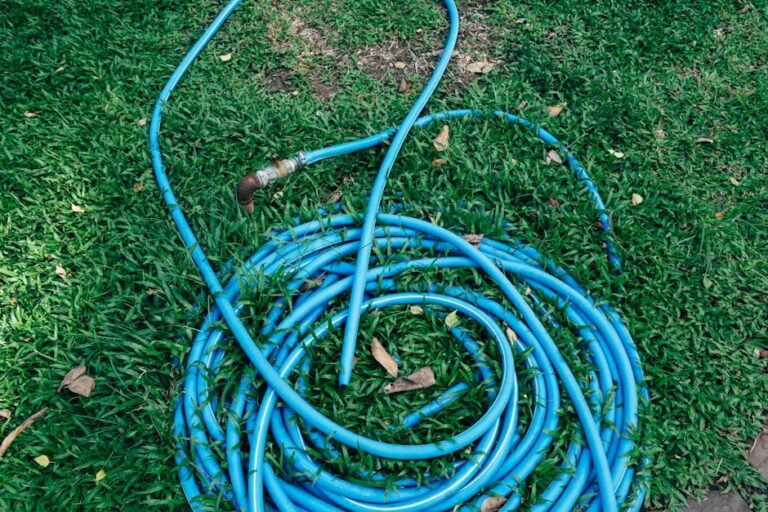
What is Soaker Hose and How Does it Work?
Let’s dive into what a soaker hose is and how it functions, a key part of understanding its benefits in gardening. It’s surprisingly simple technology that delivers water directly to roots.
Benefits of Using Soaker Hose
Using a soaker hose offers several benefits that make it an attractive option for gardeners. One of the most significant advantages is its water efficiency. Soaker hoses emit water slowly and steadily along their length, reducing runoff and evaporation compared to traditional sprinkler systems.
As a result, you’ll use significantly less water with a soaker hose than with a drip irrigation system or even a standard sprinkler system. According to data from the US Environmental Protection Agency (EPA), using a soaker hose can save up to 50% of watering time and costs.
Another benefit is its ease of installation. Soaker hoses are lightweight, flexible, and can be easily laid out around plants without the need for extensive plumbing or infrastructure. This makes it an ideal option for gardeners who want to quickly get started with efficient irrigation without breaking the bank.
To maximize water efficiency, simply overlap soaker hose sections and ensure they’re properly seated in the ground. By doing so, you’ll minimize gaps in coverage and avoid wasting precious water resources. With its efficient design and easy installation process, it’s no wonder that many gardeners prefer using a soaker hose for their watering needs.
Common Types of Soaker Hoses Available in the Market
When it comes to choosing the right soaker hose for your garden, you’ll come across various types that cater to different needs and preferences. One common type is the perforated pipe, which has small holes drilled into its surface. These holes allow water to flow out evenly, providing a consistent moisture level throughout the root zone of plants.
Another popular option is the porous hose, made from materials like polyurethane or rubber. These hoses have tiny pores that absorb and release water slowly, reducing runoff and evaporation. This makes them an excellent choice for areas with high wind or dry soil conditions.
More advanced soaker hoses are available in the market, such as smart soaker hoses equipped with timers, sensors, and irrigation controllers. These high-tech options can be programmed to deliver precise amounts of water, making it ideal for large gardens or commercial farming operations. They also reduce water waste by detecting moisture levels in the soil, ensuring that plants receive exactly what they need.
You can choose a perforated pipe soaker hose for small to medium-sized gardens where consistent moisture is essential. For areas with high evaporation rates or dry soil, consider using porous hoses that absorb and release water slowly. If you have a large garden or commercial operation, smart soaker hoses offer advanced features like timed watering and moisture sensing to optimize irrigation efficiency.
Installation and Maintenance Requirements for Soaker Hose
Installing and maintaining a soaker hose system is relatively straightforward. To begin, locate the water source for your soaker hose, which can be a garden hose faucet, outdoor spigot, or even a rain barrel. Ensure that your water supply is turned on and connected to the soaker hose via a standard hose bib adapter or by threading it directly into the main water line.
To install the soaker hose itself, lay out the system according to your garden’s layout, ensuring each section of the hose is roughly 10-15 feet long. Then, connect the soaker hoses together using hose connectors and fittings. To maintain your soaker hose system, regularly clean it by flushing with water from the tap or soaking it in a solution of bleach and water (1 part bleach to 10 parts water). This will help prevent clogs and mineral buildup.
What is Drip Irrigation and How Does it Work?
Drip irrigation is a watering method that delivers water directly to plant roots, reducing evaporation and runoff. Let’s dive into how this efficient system works.
Advantages of Using Drip Irrigation Systems
Drip irrigation systems offer numerous benefits that can take your garden to the next level. One of the most significant advantages is increased crop yields. By delivering water directly to the roots, drip irrigation reduces evaporation and runoff, ensuring that your plants receive the precise amount of moisture they need. This leads to healthier and more robust growth, resulting in higher yields.
Another significant benefit of drip irrigation is reduced water waste. Traditional watering methods can be quite inefficient, with up to 50% of water being lost through evaporation or runoff. Drip irrigation systems minimize this waste by delivering water exactly where it’s needed, eliminating excess moisture that would otherwise be lost.
Drip irrigation also offers flexibility in watering schedules. With a drip system, you can adjust the flow rate and frequency of watering based on your plants’ specific needs. This allows for more precise control over the watering process, ensuring that your plants receive exactly what they require to thrive.
Components of a Typical Drip Irrigation System
A typical drip irrigation system consists of several essential components that work together to deliver water directly to the roots of plants. At the heart of the system are emitters, small devices attached to the tubing that release a precise amount of water at regular intervals. These emitters can be adjusted to control flow rates and ensure each plant receives exactly what it needs.
To prevent clogging and maintain proper water pressure, filters are an integral part of the drip irrigation system. They catch debris and sediment in the water supply, ensuring that only clean water reaches the plants. Tubing connects all these components together, transporting water from the main source to the emitters.
In addition to these primary elements, a typical drip irrigation system may also include a controller or timer, which allows for scheduled watering cycles based on the specific needs of each plant. This component helps prevent overwatering and ensures that the plants receive just the right amount of moisture throughout the day.
Installation and Maintenance Requirements for Drip Irrigation Systems
Installing a drip irrigation system may seem daunting at first, but with a little planning and attention to detail, you’ll be watering your garden like a pro in no time. To start, plan out the layout of your pipes, taking into account the location of plants, obstructions, and water pressure.
When laying out the pipes, remember that drip irrigation systems are highly adaptable, so don’t worry if it’s not perfect on the first try. Just get creative with the tubing and consider using a combination of 1/4″ and 1/2″ tubing to cater to different plant sizes. For instance, smaller plants like herbs and succulents can thrive with 1/4″ tubing, while larger vegetables need more water flow.
Regular maintenance is key to keeping your system running efficiently. Start by checking the drip emitters for any blockages or clogs, which are usually easy to spot due to reduced watering output. Inspect the tubing for kinks and cracks, and replace damaged sections promptly. Finally, ensure that your system is winterized before harsh weather sets in to prevent damage and extend its lifespan.
Comparison of Soaker Hose and Drip Irrigation Systems
Let’s dive into the nitty-gritty comparison between soaker hoses and drip irrigation systems to help you make an informed decision for your garden. We’ll weigh their pros and cons side by side.
Water Efficiency Comparison: Soaker Hose vs Drip Irrigation
When it comes to water efficiency, both soaker hose and drip irrigation systems have their advantages. Soaker hoses are designed with small holes that allow for a steady release of water along the length of the hose. This distribution method encourages deep root growth by providing consistent moisture levels throughout the soil.
However, this even water distribution can be affected by clogging issues, which may lead to under- or over-watering sections of your garden. To combat this problem, make sure to regularly inspect and clean your soaker hoses. Also, consider using soaker hoses with built-in filters to reduce debris accumulation.
Drip irrigation systems, on the other hand, are typically more water-efficient than soaker hoses as they deliver water directly to the roots of plants through a network of tiny tubes. This precise watering method eliminates evaporation losses and runoff issues, allowing for up to 50% less water usage compared to traditional sprinkler systems. Nevertheless, drip irrigation systems require more setup time and equipment investment upfront.
To maximize water efficiency with either system, be sure to measure your garden’s specific watering needs by observing local climate data or conducting a site-specific soil moisture analysis. Implementing timers for precise control over watering schedules will also contribute to reduced waste and optimal plant growth.
Cost-Effectiveness Analysis: Soaker Hose vs Drip Irrigation
When it comes to evaluating the cost-effectiveness of soaker hose and drip irrigation systems, several factors come into play. Initial setup costs are a key consideration, with soaker hoses generally being less expensive to purchase upfront. However, drip irrigation systems can be more cost-effective in the long run due to their ability to deliver water directly to plant roots, reducing evaporation and runoff.
On average, a drip irrigation system can save up to 50% of water compared to traditional sprinkler systems. This not only reduces your water bill but also saves you money on equipment replacement and maintenance costs down the line. In contrast, soaker hoses require regular replacement every 5-7 years, which adds up over time.
To make a more informed decision, consider the size of your garden and your specific watering needs. If you have a small to medium-sized garden with a relatively low water requirement, a soaker hose might be a cost-effective option. However, for larger gardens or those with high water demands, drip irrigation systems are likely to provide greater savings in the long run.
Durability Comparison: Soaker Hose vs Drip Irrigation
When it comes to withstanding the elements and providing years of reliable service, both soaker hose and drip irrigation systems have their strengths and weaknesses. Soaker hoses are typically made from a durable rubber or PVC material that’s resistant to cracks and breaks. However, over time, they can become brittle and prone to punctures, reducing their lifespan to around 5-7 years.
Drip irrigation systems, on the other hand, use a network of tubes and emitters to deliver water directly to plant roots. The materials used in drip irrigation systems are often more advanced than those found in soaker hoses, with many options featuring UV-resistant polyurethane or PEVA tubing that can withstand extreme temperatures and weather conditions.
The durability of drip irrigation systems also extends to their components, which are designed to be easily replaced if damaged. In contrast, repairing a damaged soaker hose can be more complicated and costly. According to the EPA, drip irrigation systems can last up to 10-15 years or more with proper maintenance, making them a more durable option for long-term watering needs.
Choosing Between Soaker Hose and Drip Irrigation for Your Garden
So, you’re trying to decide between a soaker hose and drip irrigation system for your garden. Let’s break down the key differences between these two watering methods.
Factors to Consider When Selecting a Watering System
When selecting a watering system for your garden, there are several key factors to consider. Garden size is a crucial consideration, as soaker hoses tend to be more efficient for smaller gardens (under 1,000 square feet), while drip irrigation systems excel at larger scales.
Soil type also plays a significant role in choosing between the two options. If you have sandy or rocky soil, a drip irrigation system may be a better fit due to its ability to precisely target roots without wasting water on evaporation. Conversely, soaker hoses perform well in clay-based soils as they release water slowly and evenly.
Climate is another critical factor – if you live in an area with high temperatures or low rainfall, a drip irrigation system can provide more targeted watering that reduces runoff and conserves resources. Finally, consider the needs of your plants: some may require more frequent watering than others, which could favor one system over the other.
How to Assess the Specific Needs of Your Plants
Assessing the specific needs of your plants is crucial when deciding between soaker hose and drip irrigation for your garden. Each plant has its unique characteristics that require attention to ensure they receive the right amount of water.
First, consider the water absorption rate of each plant. Some plants, like succulents, absorb water quickly due to their shallow root systems, while others, like trees, have slower absorption rates due to their deeper roots. Knowing this information helps you choose an irrigation method that suits your plants’ needs. For example, a soaker hose might be more suitable for plants with rapid absorption rates.
Sunlight exposure is another factor to consider. Plants in full sun or partial shade require different watering schedules than those in low-light conditions. Drip irrigation can provide targeted water delivery to specific areas of the garden, reducing waste and runoff caused by overwatering in areas receiving less sunlight.
Lastly, research the root depth of your plants to determine if a soaker hose or drip irrigation system would be more efficient. A general rule of thumb is to bury soaker hoses at least 3-4 inches deep to prevent them from drying out too quickly.
Tips for Transitioning from Soaker Hose to Drip Irrigation (or Vice Versa)
Transferring from soaker hose to drip irrigation, or vice versa, requires careful planning and execution. Before making the switch, assess your garden’s unique needs and consider factors like soil type, plant water requirements, and local climate conditions. Take note of your existing irrigation infrastructure, including pipe sizes and material, as these will influence the transition process.
To ensure a smooth transition, schedule regular maintenance for both systems. For instance, inspect soaker hose for kinks, cracks, or damage, while checking drip irrigation for clogged emitters or tubing. Replace damaged components promptly to avoid wasting water and reducing system efficiency.
Monitoring system performance is also essential during the transition period. Keep track of your water usage, noting any changes in consumption rates or plant health. Be prepared to adjust the system as needed based on these observations. As you integrate the new irrigation system, keep a record of any necessary adjustments to optimize its performance and ensure optimal watering for your garden.
Troubleshooting Common Issues with Soaker Hoses and Drip Irrigation Systems
Let’s face it, even with proper installation and maintenance, issues can arise with soaker hoses and drip irrigation systems. We’ll walk you through common problems and solutions to get your watering system back on track.
Troubleshooting Tips for Soaker Hose Leaks and Punctures
Identifying and resolving leaks and punctures is crucial to maintain the efficiency of your soaker hose. These issues can occur due to various reasons such as wear and tear, damage from heavy equipment, or even improper installation.
To diagnose a leak, inspect your soaker hose for any visible signs of damage or cuts in the material. If you suspect a leak, turn off the water supply immediately to prevent further waste. For minor leaks, try tightening loose connections or replacing worn-out fittings.
For more severe issues like punctures, it’s best to replace the damaged section of the soaker hose entirely. When installing new sections, ensure they are securely connected and properly aligned to avoid future kinking or obstruction.
To prevent such issues in the long run, consider using a high-quality soaker hose with built-in reinforced materials and durable connectors. Regular inspections can also help identify potential problems before they become major issues.
Troubleshooting Drip Irrigation System Clogs and Blockages
When issues arise with your drip irrigation system, it’s essential to troubleshoot clogs and blockages promptly to prevent further damage. One of the most common areas to inspect is the emitters. These tiny holes can become clogged with mineral buildup or debris over time. To resolve this issue, try soaking the affected area in a mixture of equal parts water and white vinegar for several hours. This will help dissolve any mineral deposits.
Another crucial aspect to check is your filter system. Clogged filters can restrict water flow and lead to reduced pressure. Inspect your filters regularly and replace them as needed. A general rule of thumb is to change your filters every 6-12 months, depending on usage.
Finally, ensure that your water pressure isn’t too high or low for the system’s specifications. Adjusting your water pressure can often resolve issues related to clogs. Aim for a pressure range between 10-30 PSI for optimal performance.
Future Developments in Soaker Hose and Drip Irrigation Technology
As technology continues to evolve, so does the world of irrigation systems. We’ll explore the exciting advancements on the horizon for both soaker hoses and drip irrigation systems in this section.
Emerging Trends in Water-Efficient Gardening Solutions
One of the most exciting developments in water-efficient gardening solutions is the emergence of cutting-edge materials and technologies. Recent advancements in soaker hose and drip irrigation technology have given rise to innovative products that not only conserve water but also make gardening easier and more efficient.
For instance, researchers are exploring new types of membranes that can optimize water flow while minimizing clogging. These advanced materials have shown remarkable promise in improving the performance of both soaker hoses and drip irrigation systems. Additionally, the integration of smart sensors is becoming increasingly common, allowing gardeners to monitor soil moisture levels, temperature, and other critical parameters in real-time.
The Internet of Things (IoT) is also transforming the world of gardening, enabling seamless communication between devices, sensors, and apps. This connectivity enables gardeners to automate watering schedules, receive alerts when issues arise, and even control irrigation systems remotely through mobile apps. Such innovations are revolutionizing the way we water our gardens, making it easier than ever to maintain a lush, healthy, and water-efficient oasis.
Advancements in Smart Soaker Hoses and Drip Irrigation Controllers
The latest advancements in smart soaker hoses and drip irrigation controllers are revolutionizing the way we water our gardens. With real-time monitoring capabilities, these intelligent watering systems allow you to track exactly when and where your plants need water, ensuring efficient use of this precious resource. Automated scheduling features enable you to set customized watering plans based on specific plant types, soil conditions, and weather forecasts.
For example, a smart drip irrigation controller can be programmed to deliver more water to thirsty plants during hot summer days and less water during cooler spring mornings. This level of precision is especially useful for gardens with diverse plant species, where different areas require varying levels of moisture.
Predictive maintenance features also alert you when your system needs attention or replacement parts are required, reducing the risk of equipment failure and saving time on repairs. Some smart controllers even offer weather updates and alerts to help you plan your watering schedule in advance. By embracing these cutting-edge technologies, you can take the guesswork out of watering and enjoy a healthier, more resilient garden with minimal waste and maximum efficiency.
Frequently Asked Questions
How do I know which watering system is best for my garden’s specific needs?
Consider the size of your garden, soil type, and climate when choosing between a soaker hose and drip irrigation system. For smaller gardens or areas with poor drainage, soaker hoses might be more suitable. Larger gardens or those with varying soil types may benefit from drip irrigation systems.
Can I mix and match different watering systems in my garden?
Yes, it’s possible to combine both soaker hoses and drip irrigation systems in your garden. This hybrid approach can offer the benefits of both technologies, such as water efficiency and adaptability to changing plant needs.
What are some common issues that arise when transitioning from one system to another?
Common challenges include adjusting flow rates, addressing leaks or clogs, and readjusting watering schedules. To minimize disruptions, gradually introduce new systems while monitoring plant responses and making adjustments as needed.
Are there any certifications or standards I should look for when purchasing a soaker hose or drip irrigation system?
Look for products bearing certifications like NSF International (NSF) or the Irrigation Association (IA). These organizations set industry standards for water efficiency, durability, and performance, ensuring you’re investing in a reliable watering solution.
Can I DIY install or maintain a soaker hose or drip irrigation system, or should I hire a professional?
DIY installation is feasible for simple systems, but complex installations or large-scale projects may require professional assistance. Regular maintenance tasks can be performed by gardeners themselves, but troubleshooting and repair might necessitate expert help.
How do I troubleshoot common issues like clogged drippers or punctures in my soaker hose?
For clogged drippers, flush the system with a gentle pressure washer or replace affected components. Punctures in soaker hoses can be repaired using specialized tools or by replacing damaged sections. Regular inspections and maintenance can prevent such issues from arising.