
As a gardener, there’s nothing more frustrating than seeing your hard work devoured by hungry rabbits. These pesky critters can wreak havoc on your garden, leaving you feeling defeated and disappointed. But don’t worry, we’ve got some great news for you! Our expert guide is here to help you protect your garden from these furry pests using rabbit-resistant plants, companion planting, and natural deterrents.
We’ll show you the best perennials, annuals, and biennial species that will keep those pesky rabbits at bay. Whether you’re a seasoned gardener or just starting out, our guide will walk you through the simple steps to creating a deer-proof garden that’s safe from rabbit damage. From identifying the right plants to using companion planting techniques, we’ll cover it all in this comprehensive article on how to keep your garden protected from rabbits.
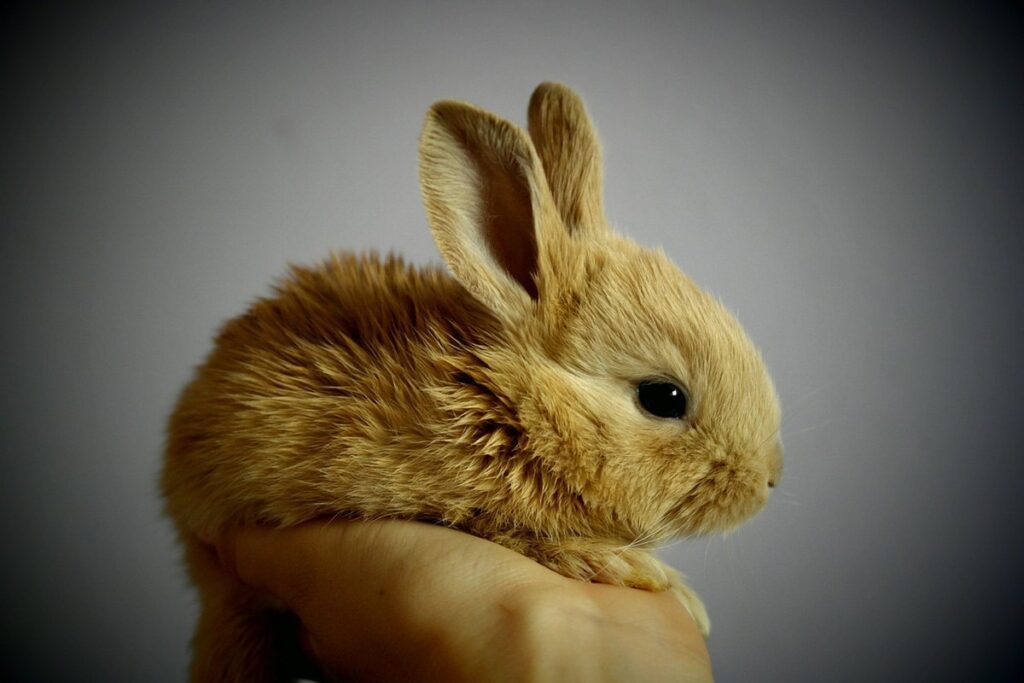
Understanding Rabbits and Their Impact on Gardens
Before we dive into rabbit-resistant plants, let’s take a closer look at why rabbits are such a problem for gardeners: their voracious appetites can decimate entire gardens in a matter of days.
Identifying Common Pests: Rabbits vs. Other Garden Threats
When it comes to garden pests, rabbits often get lumped together with other common culprits like deer, squirrels, and slugs. However, each of these critters has its own unique characteristics that set them apart from one another.
For instance, rabbits are primarily herbivores and tend to focus on plants with tender shoots and leaves, whereas deer are often attracted to more mature vegetation and fruits. Squirrels, on the other hand, have a varied diet but tend to target seeds, nuts, and bird feeders. Slugs, meanwhile, are slimy mollusks that feed on a wide range of garden plants, from flowers to vegetables.
Understanding these differences is crucial in developing an effective garden defense strategy. For example, if you’re trying to protect your roses from rabbit damage, installing a physical barrier like chicken wire or hardware cloth may be sufficient. However, if you’re dealing with deer or slugs, repellents or traps might be more effective. By recognizing the distinct behavior and preferences of each pest, you can tailor your approach to better safeguard your garden against these common threats.
Assessing Rabbit Damage to Plants
Rabbits can cause significant damage to gardens through their voracious appetites and digging habits. One of the most noticeable signs of rabbit damage is gnawed stems, which can be recognized by the distinctive teeth marks on plant stalks. Shredded leaves are another common result of rabbit browsing, as they seek out tender shoots and foliage for quick energy.
Rabbits may also uproot plants entirely, either to feed on roots or simply to access underground bulbs and tubers. This type of damage can have far-reaching consequences for garden health, including stunted plant growth and reduced reproductive capacity. For example, a rabbit that uproots an entire row of carrots may not only destroy the crop but also compromise the soil structure and fertility.
To assess the extent of rabbit damage to your garden, look out for signs of gnawing, shredding, or uprooting on individual plants. Take note of which areas are most heavily affected and identify patterns in the types of plants that rabbits tend to target. This information can help you tailor a more effective defense strategy using deer-proof plants, fencing, repellents, and other deterrents.
Choosing Rabbit Resistant Plant Species
When selecting plants for your garden, it’s essential to choose species that rabbits tend to avoid. We’ll explore some popular options that can help you create a rabbit-resistant garden.
Perennials for a Deer-Proof Garden
When it comes to perennials for a deer-proof garden, there are several options that are known to be resistant or unappealing to rabbits. Consider incorporating plants like lavender, rosemary, and yarrow into your landscape. These shrubs are not only rabbit-resistant but also add a beautiful touch to any garden.
Lavender is an excellent choice for hot, dry climates as it requires minimal watering and maintenance. However, in areas with high humidity or rainfall, opt for the English lavender variety (Lavandula angustifolia), which tolerates wet conditions better. Rosemary, on the other hand, prefers well-drained soil and full sun. Prune your rosemary regularly to encourage new growth and prevent it from becoming leggy.
Yarrow is a low-maintenance option that thrives in a variety of conditions. This perennial flower attracts pollinators like bees and butterflies while deterring rabbits with its bitter taste. Plant yarrow in areas where you want to create a natural barrier against rabbit invasion. When selecting perennials, consider the specific growing conditions and climate in your area to ensure they thrive and remain unappealing to rabbits.
Annuals and Biennials That Repel Rabbits
When it comes to keeping rabbits out of your garden, certain annuals and biennials can be surprisingly effective. These plants are often overlooked as rabbit deterrents, but they pack a punch when it comes to repelling these pesky critters.
Daffodils and hyacinths are two great examples of biennial flowers that rabbits tend to avoid due to their strong scents and toxic properties. Daffodils, in particular, contain a chemical called lycorine, which is unpalatable to rabbits. Planting daffodil bulbs around the perimeter of your garden can be an effective way to keep them out.
Other annuals like marigolds and nasturtiums also have strong scents that repel rabbits. Marigolds contain a chemical called pyrethrum, which is toxic to rabbits, while nasturtiums release a fragrance that’s unappealing to them. Consider adding these plants to your garden beds or borders to help keep rabbits at bay.
When incorporating these rabbit-resistant plants into your design, remember to plant them strategically around the areas you want to protect. You can also consider mixing them with other plants that are less appealing to rabbits to create a more comprehensive barrier.
Planting Strategies to Deter Rabbits
When it comes to growing rabbit-resistant plants, planting strategies can make all the difference. Let’s explore how to create a garden that’s unappealing to these pesky critters.
Using Companion Planting to Protect Crops
Companion planting is an age-old technique that leverages the unique characteristics of different plants to protect each other from pests and diseases. When it comes to deterring rabbits, companion planting can be a game-changer for gardeners looking to safeguard their crops. By strategically pairing rabbit-resistant plants with vulnerable ones, you can create a multi-layered defense system that keeps those pesky critters at bay.
Take basil and tomatoes, for example. These two popular garden staples are like Batman and Robin – they work together in perfect harmony to thwart the villains (in this case, rabbits!). Basil’s pungent scent repels aphids and whiteflies, which are often attracted to tomato plants. By planting basil nearby, you’re creating a diversion that keeps these pests away from your tomatoes, reducing the likelihood of rabbit damage.
This concept can be applied to various crops. Pair marigolds with carrots to deter nematodes and other soil-borne pests that rabbits love to feed on. Planting dill alongside lettuce will not only add fresh flavor but also repel aphids and other garden pests that rabbits might target. By incorporating these companion planting strategies into your gardening routine, you’ll be well-equipped to keep those pesky rabbits from ruining your harvest.
Physical Barriers: Fencing and Other Solutions
When it comes to creating a rabbit-resistant garden, physical barriers can be an effective solution. One of the most common types of fencing is chicken wire, which is affordable and easy to install. However, it’s not as secure as other options since rabbits can easily chew through it.
A more reliable option is hardware cloth, which features small openings that make it difficult for rabbits to bite or claw their way through. It’s also a good choice for gardens with multiple levels or slopes. On the downside, hardware cloth can be quite expensive and may not provide complete protection if rabbits are determined enough.
Another type of barrier is plastic mesh, which can be more durable than chicken wire but still vulnerable to rabbit damage. You can install it around individual plants or along entire garden sections for added security. Whatever type you choose, make sure to bury it at least 12 inches deep and extend it a few feet beyond the plant’s root zone to prevent rabbits from burrowing underneath.
Keep in mind that no physical barrier is completely rabbit-proof, but these options can certainly help reduce the risk of damage.
Organic Deterrents for Rabbit-Proofing Gardens
When it comes to rabbit-proofing your garden, organic deterrents are a natural and effective way to keep these pesky critters at bay without harming them. We’ll explore some of the most useful options.
Homemade Repellents: Natural and Non-Toxic Solutions
When it comes to rabbit-proofing your garden, using natural and non-toxic repellents is not only safer for your plants but also a more environmentally friendly approach. One of the best ways to keep rabbits at bay is by creating homemade repellents from common household ingredients.
One simple recipe involves mixing hot peppers with water to create a spray that will deter rabbits without harming them. For example, combine one teaspoon of hot sauce (like Tabasco) with one quart of water in a spray bottle. Shake well and spray directly on plants you want to protect. You can also add garlic-based sprays to your arsenal by blending minced garlic with water and spraying it around the perimeter of your garden.
Another option is using predator urine, such as coyote or fox urine, which rabbits associate with danger. However, be cautious when handling these products and ensure they’re used according to manufacturer instructions. By making your own repellents and applying them consistently, you’ll be well on your way to keeping those pesky rabbits out of your garden and preserving your carefully cultivated rabbit-resistant plants.
Commercial Products: Pros and Cons
Commercial products can be an effective addition to your rabbit-proofing strategy. These come in various forms such as repellent granules, powders, and sprays that are specifically designed to deter rabbits from entering gardens. One of the main advantages of using commercial products is their convenience – they’re easy to apply and require minimal effort on your part.
However, there are some drawbacks to consider. Firstly, these products can be expensive in the long run, especially if you have a large garden area to cover. Additionally, rabbits can become desensitized to the scents used in commercial repellents, rendering them ineffective over time. Furthermore, some of these products may not be environmentally friendly or safe for use around pets and children.
When using commercial products, it’s essential to follow the instructions carefully and apply them at the right intervals to maximize their effectiveness. Start with a small area to test the product first, and reapply as needed. Consider combining commercial products with physical barriers like fencing or mesh to create a multi-layered defense against rabbits.
Maintaining a Rabbit-Resistant Garden
Once you’ve chosen your rabbit-resistant plants, it’s essential to maintain a garden that deters these pesky critters from making themselves at home. We’ll cover tips for creating and sustaining a secure garden space.
Seasonal Preparations to Protect Against Rabbits
As a gardener, you’re likely no stranger to the challenges posed by rabbits. These pesky creatures can decimate even the most robust gardens in a matter of days. To keep them at bay, it’s essential to adopt seasonal strategies that complement your rabbit-resistant plant selection.
In winter, consider planting cover crops like rye or oats, which can help deter rabbits from feeding on your main crop plants. This not only reduces damage but also adds organic matter to the soil as these crops mature. Come spring, prune your plants to remove any weak or damaged growth that may attract rabbits. Pruning also promotes healthy growth and encourages your plants to thrive.
During summer, focus on removing weeds, which can harbor rabbit-attracting pests like ticks and fleas. By keeping your garden weed-free, you reduce the likelihood of attracting these unwanted visitors. Regularly inspect your garden for signs of rabbit activity and take prompt action if you notice any damage or unusual behavior.
Long-Term Solutions: Designing and Managing Sustainable Gardens
Designing a sustainable garden can be a long-term solution to reducing rabbit damage and minimizing maintenance. By creating balanced ecosystems that promote biodiversity, you can deter rabbits from targeting specific areas of your garden. Start by incorporating a mix of native plants, which tend to require less water and maintenance than non-native species.
Use companion planting techniques to encourage beneficial insects and microorganisms that prey on pests. For instance, plant marigolds with tomatoes to repel nematodes and attract beneficial insects. Incorporate organic amendments like compost or manure tea to improve soil health, reducing the need for chemical fertilizers.
Introduce physical barriers, such as mesh fencing or copper tape, around specific plants or areas to protect against rabbit damage. Consider implementing a rotation of crops to break disease cycles and maintain soil fertility. By adopting these strategies, you can create a resilient garden ecosystem that reduces the reliance on frequent maintenance and pest control measures.
Conclusion
As you’ve learned throughout this guide, there are many beautiful and delicious rabbit-resistant garden plants that can thrive in your outdoor space. Whether you’re looking for vibrant flowers or nutritious vegetables, these deer-proof options will help keep those pesky rabbits at bay. Remember to plant a variety of species together to create a balanced ecosystem that’s less appealing to rabbits. For example, pair daffodils with lavender and rosemary to create an unappealing combination for rabbits.
By incorporating rabbit-resistant plants into your garden, you’ll not only save time and money on maintenance but also enjoy the satisfaction of watching your flowers bloom and vegetables grow without unwanted critters causing damage. With a little planning and creativity, you can have a thriving and deer-proof garden that brings joy to you and your family for years to come.
Frequently Asked Questions
What if I have a small garden with limited space? Can I still use rabbit-resistant plants?
You can definitely use rabbit-resistant plants even with a small garden. Focus on choosing compact or dwarf varieties of perennials, annuals, and biennials that fit your space constraints. Consider using vertical gardening techniques or containers to maximize your space while keeping rabbits at bay.
How do I protect my plants from rabbit damage during harsh winter months?
To protect your plants from rabbit damage during winter, consider covering them with physical barriers like snow fencing or row covers. You can also use organic deterrents like hot pepper sprays or predator urine granules to repel rabbits. Make sure to remove any debris and weeds that may attract rabbits to your garden.
Can I use companion planting techniques in conjunction with other methods?
Yes, you can combine companion planting with physical barriers, natural deterrents, and commercial products for a multi-layered approach to rabbit-proofing your garden. Companion planting involves pairing plants that repel or distract rabbits, while also enhancing the growth and health of your main crops.
What if I already have a heavily infested garden? How can I restore it quickly?
Restoring an infested garden requires patience and persistence. Start by removing any dead or damaged plants, as these may attract more rabbits to your garden. Use natural deterrents like garlic sprays or predator urine granules to repel existing rabbits, and consider using physical barriers like fencing to prevent re-infestation.
Can I use commercial products in conjunction with homemade repellents?
Yes, you can combine commercial products with homemade repellents for a comprehensive rabbit-proofing strategy. Commercial products often provide quick results, while homemade repellents offer a more natural and long-term solution. By using both approaches together, you can create a robust defense against rabbits that’s tailored to your specific garden needs.