
If you’re looking for ways to boost your garden’s fertility without breaking the bank, then incorporating green manure into your routine is definitely worth considering. Green manure, also known as cover crops, is a simple yet effective way to improve soil health and increase microbial activity in your garden beds. By planting certain types of plants after you’ve harvested a crop, you can add nutrients back into the soil, suppress pests and diseases, and even attract beneficial insects. In this article, we’ll be exploring the benefits and uses of green manure, including how to choose the right crops for your climate and soil type, as well as common challenges to overcome when implementing this practice in your garden.
What is Green Manure?
So, you might be wondering what green manure actually is and how it fits into your garden routine. In a nutshell, green manure refers to plants grown specifically to improve soil health.
Definition and Purpose
Green manure is a crop that is grown specifically to improve soil health and fertility, rather than for food production. It’s a crucial component of sustainable gardening practices, offering numerous benefits that can enhance the overall quality of your garden. By incorporating green manure into your rotation, you’ll be able to replenish the soil with essential nutrients, structure, and microorganisms.
This process not only enriches the soil but also helps reduce erosion and improves water retention. Green manure acts as a mulch, shielding the soil from extreme temperatures and preventing nutrient loss. In turn, this leads to healthier plant growth, increased crop yields, and reduced reliance on synthetic fertilizers. When selecting green manure crops, choose species that are high in nitrogen-fixing capabilities or contain other valuable nutrients. For example, legumes like clover or beans excel at nitrogen fixation, while comfrey is rich in phosphorus and potassium.
Types of Green Manure Crops
Green manure crops come in various forms, each offering unique benefits to soil health and fertility. Legumes, such as clover, beans, and peas, are excellent choices due to their nitrogen-fixing capabilities. These crops can thrive in poor soil conditions, making them ideal for areas with low nutrient levels. For example, white clover can produce up to 50 kg of nitrogen per hectare, reducing the need for synthetic fertilizers.
Grasses like rye, oats, and barley are another popular option for green manure. They help to break up compacted soil and improve its structure, allowing water and air to penetrate more easily. Cereals like wheat and triticale can also be used as green manure, adding organic matter to the soil while suppressing weeds.
When selecting a green manure crop, consider factors such as climate, soil type, and available space. Choose crops that are well-suited to your specific conditions to ensure optimal results. Be sure to incorporate these crops into your rotation plan to maintain soil fertility and prevent nutrient depletion.
Choosing the Right Green Manure Crop
When it comes time to choose a green manure crop, there are several factors to consider, including climate, soil type, and pest management needs. Selecting the right one will greatly impact your garden’s success.
Factors to Consider
When selecting a green manure crop for your garden, there are several key factors to consider. First and foremost, think about your climate. If you live in an area with cold winters, choose a green manure crop that can tolerate frost, such as winter rye or hairy vetch. In warmer climates, crops like cowpeas or sunflowers may be more suitable.
Consider the type of soil you have too – different green manure crops thrive in different conditions. For example, legumes like beans and peas fix nitrogen into the soil, making them ideal for alkaline soils with low nutrient levels. On the other hand, grasses like oats and barley can tolerate acidic soils with high water tables.
Another crucial factor is available space. Don’t choose a green manure crop that will outcompete your main crops or spread beyond your designated area. Be mindful of companion planting principles to avoid any potential problems. For instance, some green manures may attract pests that could harm nearby plants. By carefully considering these factors, you can select the perfect green manure crop for your garden’s unique needs.
Crop Selection for Different Soil Types
When selecting a green manure crop for your garden, it’s essential to consider the type of soil you’re working with. Different soils have unique characteristics that require specific nutrient and water management strategies.
For clay soils, which tend to be dense and prone to waterlogging, choose green manure crops like winter rye or oats. These crops have a deep root system that can help break up compacted soil and improve drainage. On the other hand, sandy soils benefit from crops with a high water-holding capacity, such as alfalfa or clover. These plants can retain moisture in the soil, reducing the need for frequent watering.
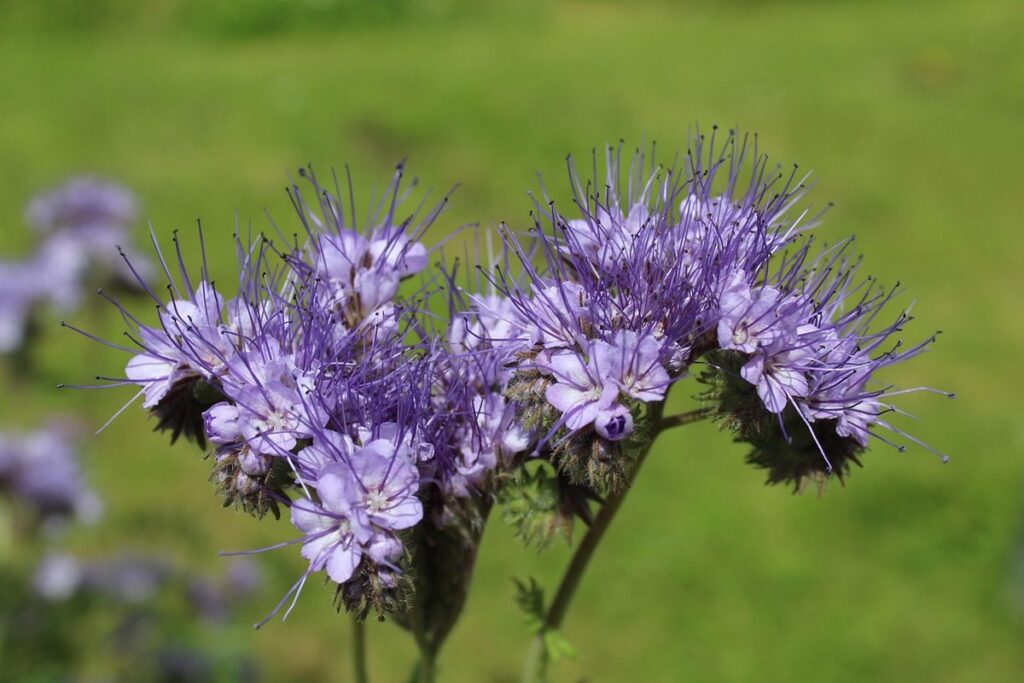
Loam soils, which are well-balanced and fertile, can support a wide range of green manure crops. Consider options like rye grass or phacelia, which provide excellent coverage and add nutrients to the soil. When selecting a green manure crop for your garden, take into account your local climate, available space, and specific soil needs.
It’s also crucial to choose varieties that are suitable for your region’s temperature and moisture levels. This will ensure optimal growth and maximize the benefits of green manure in your garden.
How to Incorporate Green Manure into Your Gardening Routine
Now that you know why green manure is a game-changer for your garden, let’s dive into how to successfully incorporate it into your gardening routine. We’ll walk through the process step-by-step.
Preparing the Soil
Before planting green manure, it’s essential to prepare the soil for optimal growth. Start by tilling the soil to loosen and aerate it. This will help break up any compacted layers and improve drainage, allowing the green manure crop to grow deep roots and access water and nutrients more efficiently.
Next, add organic matter such as compost or well-rotted manure to enrich the soil. Aim for a mix of 2-3 inches of organic matter per 6 inches of soil depth. This will not only provide essential nutrients but also improve the soil‘s structure, increasing its water-holding capacity and fertility.
Consider incorporating other beneficial amendments like green sand or rock phosphate to further enhance nutrient levels. By preparing the soil in this way, you’ll create a fertile environment for your green manure crop to thrive, producing a rich, nutrient-dense harvest that will benefit your garden’s overall health and productivity.
Planting and Managing Green Manure Crops
When planting green manure crops, timing is crucial. In most regions, spring and fall are ideal seasons for planting green manure, as the weather is typically mild and there’s ample moisture. Choose a location with good drainage to prevent waterlogged soil, which can lead to root rot and other issues.
As you plant your green manure crop, keep in mind that it will require regular maintenance. Water deeply and consistently, especially during its early stages of growth. Fertilize lightly, as over-fertilization can promote weed growth and deplete the soil’s nutrient reserves.
Monitor your green manure crop regularly for pests and diseases. Keep an eye out for aphids, whiteflies, and other insects that can spread disease quickly. Regularly inspect the plants for signs of fungal infections, such as powdery mildew or leaf spot. If you notice any issues, take action promptly to prevent their spread.
By following these guidelines and staying vigilant, you’ll be able to successfully plant and manage your green manure crop, reaping its numerous benefits for your garden’s health and productivity.
Benefits of Green Manure on Soil Health
Green manure plays a vital role in maintaining healthy soil, and one of its most significant benefits is its ability to boost fertility and structure. Let’s take a closer look at how it achieves this.
Nutrient Uptake and Retention
One of the most significant advantages of green manure is its ability to improve soil fertility by adding essential nutrients and retaining moisture. As a result, your garden’s soil becomes more capable of supporting healthy plant growth.
When you incorporate green manure into your garden, it acts as a natural fertilizer, releasing nitrogen, phosphorus, and potassium as it breaks down. This process not only enriches the soil but also promotes beneficial microbial activity. For example, legumes like clover or beans are particularly effective at adding nitrogen to the soil, making them an excellent choice for green manure.
Green manure also plays a crucial role in retaining moisture in the soil. Its extensive root system helps hold water and nutrients close to the plant’s roots, reducing evaporation and runoff. This means you’ll need to water your garden less frequently, which can lead to significant water savings over time. To make the most of green manure’s nutrient uptake and retention capabilities, be sure to incorporate it into your garden regularly – ideally before planting a new crop.
Microbial Activity and Soil Structure
Green manure plays a crucial role in promoting microbial activity, improving soil structure, and increasing overall soil health. Microorganisms are responsible for breaking down organic matter into nutrients that plants can absorb. Green manure acts as a food source for these beneficial microbes, stimulating their growth and activity. This leads to an increase in the production of enzymes, humus, and other compounds that improve soil fertility.
As green manure decomposes, it helps to aggregate soil particles, creating a more porous structure that allows air, water, and roots to penetrate deeper into the soil. This improved soil structure enables plants to grow stronger and healthier, with better resistance to diseases and pests. For example, incorporating green manure like clover or rye into your garden can increase the soil’s water-holding capacity by up to 20%. By regularly adding green manure to your soil, you can create a thriving ecosystem that supports plant growth and overall soil health.
Challenges and Considerations for Using Green Manure
When using green manure, you’ll want to be aware of some challenges and considerations that may arise, such as crop selection and soil type. This can impact its effectiveness and success in your garden.
Common Issues and Solutions
Using green manure can be a rewarding way to improve soil health and fertility, but it’s not without its challenges. One common issue gardeners face is pest infestations. Pests like aphids, whiteflies, and slugs can quickly spread through a green manure crop, causing damage and reducing its effectiveness. To mitigate this risk, it’s essential to choose varieties that are resistant or tolerant of pests.
Another challenge is diseases, which can be caused by fungal pathogens or bacterial infections. To prevent disease outbreaks, ensure good air circulation around the plants and avoid overwatering, which can create a conducive environment for disease development. Regularly inspect your green manure crop for signs of stress or damage, and take action promptly if you notice any issues.
Incorporating natural pest control methods into your gardening practice can also help minimize the impact of pests on your green manure crop. For example, introducing beneficial insects like ladybugs or lacewings can help control aphid populations.
Integration with Conventional Gardening Practices
Integrating green manure into your existing gardening practices can seem daunting at first, but with a little creativity and planning, it’s easier than you think. One way to incorporate green manure is through companion planting. This involves pairing green manure crops with other plants that benefit from their unique properties. For example, comfrey, a popular green manure crop, can be paired with tomatoes as its deep taproots bring up nutrients from the subsoil, benefiting the tomato plant.
Crop rotation is another key aspect of integrating green manure into your garden. This involves rotating green manure crops through different sections of your garden to avoid depleting soil nutrients and to reduce pests and diseases. For instance, if you’ve used a legume-based green manure in one section, rotate it with a non-legume crop like corn or squash in the following season.
By incorporating these practices into your gardening routine, you can reap the rewards of green manure while maintaining a healthy and balanced garden ecosystem.
Measuring the Success of Green Manure in Your Garden
To ensure you’re getting the most out of your green manure, it’s essential to measure its success and understand how it impacts your soil and plants. Let’s explore ways to do just that.
Monitoring Soil Health Indicators
Monitoring soil health indicators is crucial to evaluate the effectiveness of green manure in your garden. To do this, you’ll need to track changes in pH levels, nutrient content, and microbial activity over time. Start by taking baseline readings before planting green manure, then repeat tests after it’s been incorporated into the soil.
pH levels are a good place to start. Green manure can help adjust your soil’s pH, making it more conducive to plant growth. Aim for a pH between 6 and 7, which is suitable for most vegetables. You can use a DIY kit or send samples to a lab for testing.
Next, monitor nutrient content by testing for nitrogen, phosphorus, and potassium (NPK) levels. Green manure is rich in nutrients, so you should see an increase in these areas. Aim for the following NPK ratios: 10-20-10 or 5-10-5, which are optimal for most vegetables.
Finally, test microbial activity by measuring soil carbon and nitrogen ratios. A healthy garden has a balanced C:N ratio between 8 and 12. Green manure can help improve this balance, leading to increased biodiversity and ecosystem services. By tracking these indicators, you’ll be able to assess the overall health of your soil and the effectiveness of green manure in improving it.
Adjusting Your Approach Based on Results
As you continue to monitor and evaluate the success of green manure in your garden, it’s essential to adjust your approach accordingly. This may involve tweaking the timing of planting, adjusting the type of green manure used, or fine-tuning the incorporation process.
Start by reviewing your data on soil health, crop yields, and pest/disease management. If you notice improvements in these areas, continue with the current approach and consider scaling up its application. Conversely, if results are subpar, it may be necessary to reassess the specific green manure variety used, as some might perform better under certain conditions.
Consider factors like climate, soil type, and the specific needs of your crops when making adjustments. For instance, if you’re growing vegetables with shallow root systems, you may need to incorporate green manure more frequently to prevent competition for nutrients. On the other hand, perennials or trees might benefit from a less frequent application.
Take note of how different types of green manure interact with each other and with other garden inputs, such as fertilizers or pesticides. This knowledge will enable you to refine your approach and optimize the benefits of using green manure in your garden.
Frequently Asked Questions
Can I use green manure with existing crops, or do I need to dedicate a separate area?
You can definitely integrate green manure with your existing crop rotation. In fact, planting cover crops between harvests is an effective way to replenish the soil and reduce erosion. However, ensure that you choose green manure species that won’t compete with your main crops for resources like water and nutrients.
How long does it take to see the benefits of green manure in my garden?
The effects of green manure on your garden’s soil health can be noticeable within a few weeks to months after incorporation. However, optimal results often require consistent practice over several seasons. Factors such as climate, soil type, and crop selection can influence the speed at which you notice improvements.
What happens if I plant the wrong green manure species for my soil type?
If you choose a green manure species that’s not suitable for your soil conditions, it may lead to reduced effectiveness or even negative impacts on your garden. Research local recommendations or seek advice from experienced gardeners to ensure you select the right cover crops for your specific climate and soil type.
Can I use green manure in containers, or is this method only suited for larger gardens?
Green manure can be adapted for container gardening, but it’s essential to consider space constraints. Choose compact varieties that won’t grow too large for their containers. Also, ensure the potting mix allows for adequate drainage and aeration to support microbial activity.
How do I know when my green manure is ready for incorporation into the soil?
Monitor your cover crops’ growth stage and visual cues, such as flowering or seed head formation, to determine when they’re ready for incorporation. Typically, this occurs when the plants are 30-50% of their mature height. Before incorporating, ensure the plants are dry enough to till in without causing any damage to the soil structure.