
Growing your own blackberries can be a rewarding experience, but it requires some planning and attention to detail. One crucial aspect of growing healthy and productive blackberry plants is using a trellis to support their vigorous growth. A well-designed trellis not only keeps your blackberries organized, but also promotes even ripening, reduces disease susceptibility, and makes harvesting easier. However, setting up the right trellis system can be daunting, especially if you’re new to growing blackberries. This is where pruning comes in – a vital skill that requires some practice but yields amazing results.
In this article, we’ll delve into the world of blackberry trellises, covering topics such as installation, pruning techniques, and troubleshooting common issues. By following our expert tips, you’ll be able to create an ideal environment for your blackberries to thrive, leading to a bountiful harvest that will impress friends and family alike.
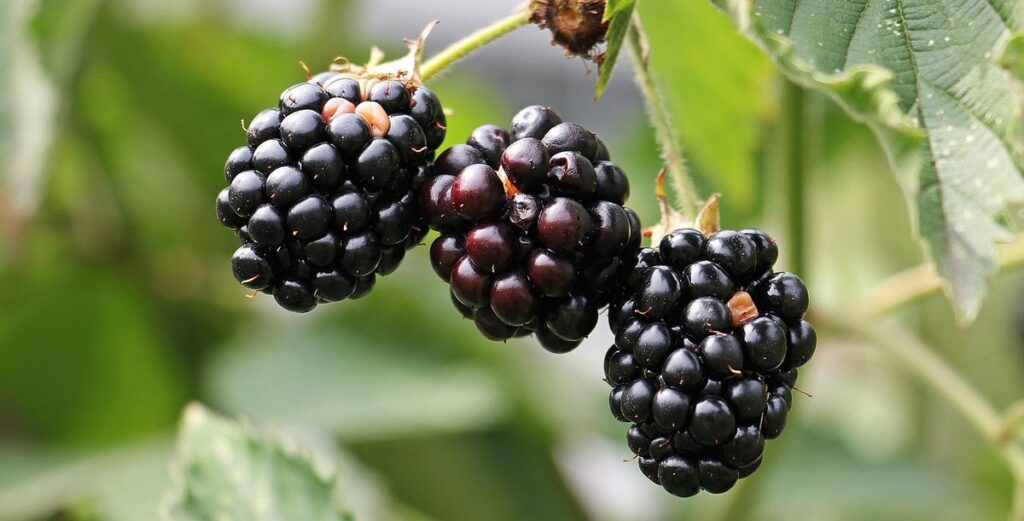
Benefits of Using a Blackberry Trellis
Using a blackberry trellis can provide numerous benefits for your plants, including increased air circulation and easier harvesting. It’s essential to consider these advantages when deciding on a support system.
What is a Blackberry Trellis?
A blackberry trellis is a support system designed to help blackberry plants grow upright and maintain their shape. Its primary purpose is to keep the canes of the plant from sprawling on the ground, which not only makes harvesting easier but also prevents disease and pest infestations that thrive in moist environments.
By providing a trellis for your blackberry plant, you’ll reap several benefits. For one, it will improve air circulation around the plant, reducing the risk of fungal diseases like crown gall and cane blight. Additionally, a trellis will keep your plants off the ground, where they’re more susceptible to pests like slugs and snails.
To get the most out of your trellis, consider using a sturdy wooden or metal structure with horizontal wires spaced about 6-8 inches apart. You can also use a combination of vertical and horizontal supports for added stability. By providing your blackberry plants with a trellis, you’ll be able to train them to grow upwards, making it easier to manage their growth and promote healthy fruit production.
Types of Blackberry Trellises for Small and Large Spaces
When it comes to growing blackberries, choosing the right trellis is crucial. But with so many options available, it can be overwhelming to decide which one suits your garden best. Depending on the size of your space, you’ll want a trellis that provides adequate support for your plants without taking up too much room.
For smaller gardens or containers, consider using a freestanding blackberry trellis or a compact arbor. These types of trellises are perfect for providing support to individual plants and can be easily moved around the garden as needed. You can also opt for a DIY trellis made from wooden stakes and twine, which is an affordable and space-saving option.
For larger gardens, you may prefer a more substantial trellis system that provides structure for multiple plants. Consider using a metal or wooden teepee trellis or a permanent arbor. These types of trellises offer excellent support and can be designed to fit your specific garden layout. When choosing a trellis, always consider factors such as durability, ease of installation, and maintenance requirements.
Choosing the Right Location for Your Blackberry Plant
When it comes to growing blackberries, selecting the perfect location is crucial to their success. You’ll want to think carefully about sunlight, soil type, and moisture levels when choosing where to plant your new blackberry bush.
Selecting a Sunny Spot with Proper Drainage
When it comes to growing blackberries, sunlight is crucial for fruit production. However, if you plant them in an area with poor drainage, the roots will rot, and the plant may not thrive. To ensure healthy growth, choose a location that receives at least six hours of direct sunlight a day.
Look for a spot with well-draining soil to prevent waterlogged conditions. Avoid areas where water tends to collect or where the soil is heavy clay. Check if your yard slopes gently, as this will help excess water drain away from the roots. If you’re planting on flat ground, consider building a raised bed with good drainage in mind.
To assess the drainage of your chosen spot, dig a shallow hole about 12 inches deep. Fill it with water and observe how quickly it drains. If the water takes more than an hour to disappear, it may indicate poor drainage. Consider amending the soil with organic matter like compost or well-rotted manure to improve its structure and facilitate better drainage. By selecting a sunny spot with proper drainage, you’ll be setting your blackberry plant up for success from the start.
Considering Wind Protection for Optimal Fruit Production
Wind can significantly impact blackberry yields, causing damage to plants, reducing fruit quality, and ultimately affecting crop productivity. When selecting a location for your blackberry plant, it’s essential to consider the potential for wind exposure. A sheltered spot with some natural protection is ideal, such as an area near a building or under a dense tree canopy.
If you can’t find a naturally protected area, using windbreaks is an effective solution. These can be permanent structures like fences or walls, or even temporary solutions like row covers or burlap screens. The goal is to block the direct force of the wind and create a more stable environment for your plants.
When installing a windbreak, consider the direction of the prevailing winds in your area and position the barrier accordingly. For example, if you’re located in an open field with strong winds coming from one side, install a fence or screen on that side to block the wind.
Keep in mind that windbreaks should be at least 3-4 feet tall to effectively protect your plants.
Installing a Blackberry Trellis: Essential Steps
To successfully install a blackberry trellis, you’ll want to carefully follow these essential steps, ensuring your plants receive the support they need for optimal growth and fruit production. This section will guide you through the process.
Preparing the Soil for Your Trellis
Before installing your blackberry trellis, it’s crucial to prepare the soil for optimal growth. Start by testing the pH levels of your soil using a soil testing kit or sending a sample to a lab for analysis. Blackberries prefer a slightly acidic to neutral soil pH, ranging from 5.5 to 6.5. If your soil test reveals a pH level outside this range, it’s essential to amend the soil accordingly.
To lower the pH if it’s too high, mix in elemental sulfur or aluminum sulfate according to the manufacturer’s instructions. On the other hand, if your soil is too acidic, add lime to raise the pH. It’s also vital to consider the nutrient levels in your soil. Blackberries require a balanced diet of nitrogen, phosphorus, and potassium (NPK). If your soil test reveals low levels of any of these nutrients, apply a well-balanced fertilizer according to the product’s instructions.
Remember that preparing the soil is a one-time process, but it lays the foundation for future success with your blackberry trellis. By taking the time to get your soil right, you’ll set your plants up for optimal growth and health throughout their lifespan.
Setting Up the Trellis Frame
To set up the trellis frame for your blackberry plants, you’ll need to follow these steps. First, carefully unpack and inspect all the components of your trellis, including the posts, horizontal bars, and any necessary fasteners.
Begin by assembling the vertical posts that will form the main structure of the trellis. Use a sturdy base plate or anchor system to secure each post in place, ensuring they are evenly spaced and level. Next, attach the horizontal bars between the posts using the provided fasteners. Make sure these bars are securely attached and can support the weight of your mature blackberry plants.
Consider adding additional support structures, such as corner posts or a mid-trellis bar, to provide extra stability and keep the frame rigid. This is especially important if you’re growing tall varieties or in areas with high winds. With all the components assembled and securely attached, your trellis frame is now ready for planting.
Pruning Blackberry Plants: Techniques and Best Practices
Pruning blackberry plants is a crucial part of maintaining their health and promoting fruit production. Learn how to prune your blackberries like a pro with these essential techniques and best practices.
Why Prune Your Blackberry Plant?
Pruning is an essential part of maintaining healthy blackberry plants. Not only does it promote fruit production, but it also helps prevent disease and promotes overall plant vigor. When you prune a blackberry plant, you’re essentially giving it the opportunity to focus its energy on producing delicious fruit instead of spending it on unwanted growth.
When left unpruned, blackberry plants can become leggy and produce fewer berries. Pruning encourages the plant to grow bushy and compact, making it easier to manage and harvest. It also allows for better air circulation around the plant, reducing the risk of fungal diseases that thrive in humid environments.
Regular pruning also helps remove any weak or damaged growth, which can be a breeding ground for pests and diseases. By pruning out these areas, you’re creating an environment where your blackberry plant can thrive. As with most gardening practices, timing is everything – prune your blackberry plant during its dormant season to minimize stress and promote healthy regrowth.
Removing Dead or Diseased Canes
When pruning blackberry plants, it’s essential to remove dead, diseased, or damaged canes not only for their aesthetic value but also to prevent the spread of disease. To identify these canes, look for signs of discoloration, brittleness, or a soft texture that’s easily broken.
Cut off the affected cane at ground level using clean pruning tools to avoid transferring any potential diseases to healthy areas of the plant. Disinfect your tools between cuts by dipping them in a solution of 1 part bleach to 3 parts water.
Make sure to inspect your plants regularly, especially during the growing season, as dead or diseased canes can quickly become infected with pests or diseases that can spread rapidly through the entire plant. Remove any weak or spindly growth that’s not contributing to fruit production, as this will direct the plant’s energy towards healthy growth.
By removing dead, diseased, or damaged canes regularly, you’ll be able to keep your blackberry plants healthy and promote a more productive harvest in the long run.
Seasonal Pruning Tasks: Maintenance and Renewal Cycles
As you tend to your blackberry plants, it’s essential to stay on top of seasonal pruning tasks to maintain their health and encourage new growth. Let’s dive into the maintenance and renewal cycles that will keep your bushes thriving all season long.
Spring Pruning: Preparing for New Growth
Spring is a critical time for blackberry plants, as it marks the beginning of new growth and a chance to prune away dead or damaged canes. When preparing for spring pruning, inspect your plants carefully, looking for signs of disease, pests, or physical damage. Remove any weak or diseased canes at ground level, making clean cuts just above a bud eye to prevent the spread of infection.
Cut back any dead or damaged canes from last year’s growth, about 6-8 inches from the base. This will help maintain air circulation and promote healthy new growth. Thinning is also essential during spring pruning – remove weak or spindly shoots to allow more light and nutrients to reach remaining canes. When thinning, aim for a balance between reducing the number of canes while still maintaining an attractive shape.
For new growth, consider training young canes along wires or trellises using twine or ties. This will help control their direction and promote even growth. Be sure to remove any weak or spindly shoots that compete with well-established canes for resources like water and nutrients.
Summer Pruning: Managing Canopy Density and Promoting Air Circulation
Summer is the perfect time to prune blackberry canopies, as it allows for optimal growth and air circulation. To maintain a healthy canopy, focus on reducing density by removing select branches. Prune lateral branches back to about 6-8 inches from the main canes, promoting an open, vase-like shape.
This technique not only encourages better air circulation but also reduces disease risk. By opening up the canopy, you allow sunlight and breeze to penetrate more easily, making it harder for fungal diseases like crown gall to take hold. Additionally, pruning promotes a strong, vigorous growth habit in your blackberry plants. It’s essential to remove any weak or damaged canes, as these can be entry points for disease pathogens.
When pruning during summer, keep an eye out for signs of pest infestations, such as aphids or spider mites. By maintaining a balanced canopy and promoting air circulation, you’ll create an environment less conducive to pest problems.
Troubleshooting Common Blackberry Trellis Problems
Don’t worry if your blackberry trellis isn’t performing as expected – we’ll walk you through common issues and easy solutions to get your plants back on track. We’ll cover some typical problems and provide troubleshooting tips to save your trellis.
Identifying and Addressing Pests and Diseases
As you tend to your blackberry trellis, it’s essential to keep an eye out for signs of pests and diseases that can devastate your crop. Common pests like aphids, spider mites, and hornworms can weaken the plant and spread disease, while fungal infections like powdery mildew and crown rot can be deadly.
Look for yellowing or wilted leaves, distorted growth, and sticky honeydew on the stems as indicators of pest infestations. Inspect your plants regularly, especially during hot summer months when pests thrive. Use neem oil or insecticidal soap to control aphids and spider mites, while hand-picking hornworms can be effective.
Fungal infections often manifest as white powdery patches on the leaves (powdery mildew) or a soft, mushy crown (crown rot). Treat fungal diseases with fungicides containing copper or sulfur. Remove infected areas to prevent the spread of disease and improve air circulation around your plants. Regularly inspecting your blackberry trellis and taking prompt action can save your crop from pest and disease damage.
Managing Weeds and Other Growth Interfering with the Trellis
Managing weeds and other growth interfering with the trellis can be one of the most frustrating challenges when growing blackberry plants. To keep your trellis healthy and your blackberries thriving, it’s essential to regularly monitor for weed growth and take steps to prevent their spread.
To control weeds around your trellis, start by removing any visible weeds by hand or with a tool like a hoe. This will help prevent them from spreading seeds and roots. Consider mulching around the base of the trellis to suppress weed growth and retain moisture in the soil.
It’s also crucial to regularly inspect your trellis for other forms of interfering growth, such as suckers (shoots that grow from the crown) or water sprouts (shoots that grow directly from branches). Remove these by cutting them off at the base with pruning shears, making sure not to damage any surrounding leaves or stems.
Regular maintenance will help ensure your trellis remains clear of debris and interfering growth, allowing your blackberry plants to receive the support they need to produce a healthy crop.
Frequently Asked Questions
What if I have limited space for my blackberry trellis?
If you’re short on space, consider a vertical or compact trellis design that can be installed near a wall or fence. This will maximize your growing area and still provide the necessary support for your blackberries.
How do I prune my blackberry plant during different seasons?
Blackberry plants require regular pruning to maintain their health and productivity. Prune in the spring by removing dead or diseased canes, and in the summer by managing canopy density and promoting air circulation. Be sure to also remove any weak or spindly growth.
Can I use a trellis system for both thornless and thorny blackberry varieties?
Yes, most trellis systems are versatile enough to accommodate either type of blackberry plant. However, be aware that thorny blackberries may require additional protection when pruning or harvesting.
What if I notice pests or diseases on my blackberry plants despite using a trellis system?
If you notice any signs of pests or diseases, inspect your plants regularly and take action promptly to prevent the issue from spreading. Use organic or integrated pest management methods whenever possible, and consult with local experts for guidance specific to your region.
How can I integrate irrigation and mulching into my blackberry trellis system?
To optimize water efficiency and reduce soil erosion, consider installing drip irrigation near the base of each plant. Mulch around the plants to retain moisture, suppress weeds, and regulate soil temperature – but keep a 2-3 inch gap between the mulch and the trellis frame to prevent rot.