
If you’re one of the many gardeners who have fallen in love with kale, but are struggling to get your crop off the ground, this is the guide for you. Choosing the right variety and spacing it correctly can be the difference between a lush, healthy harvest and a patch of stunted leaves. But there’s more to growing kale than just throwing some seeds into the soil – proper care, attention to common issues, and knowing when to harvest are all crucial steps in getting the most out of your crop. In this comprehensive guide, we’ll take you through everything from selecting the perfect variety to preserving your bounty for months to come, covering expert tips on spacing, care, and troubleshooting along the way. By the end of it, you’ll be a kale-growing pro!
Choosing the Right Variety
When it comes to growing kale, selecting the right variety is crucial for success. Let’s explore some popular types of kale and their unique characteristics to help you make an informed choice.
Understanding Kale Varieties
When it comes to choosing the right kale variety for your garden, understanding the unique characteristics of different types is essential. Let’s take a closer look at four popular varieties: Lacinato, Curly, Red Russian, and Siberian.
Lacinato kale, also known as Tuscan kale, has dark green, crinkled leaves with a slightly sweeter flavor than other varieties. It grows quite densely and can be harvested in as little as 50 days. Due to its compact growth habit, Lacinato kale requires less space (about 12-18 inches) compared to other varieties.
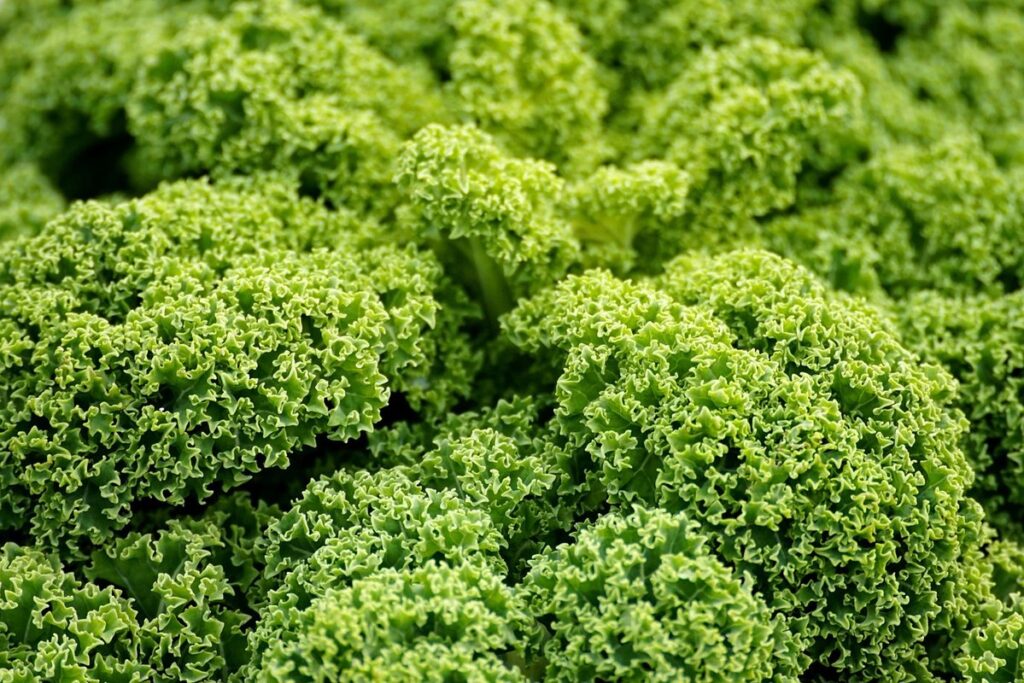
Curly kale, on the other hand, has bright green, ruffled leaves that add a pop of color to salads and sautés. It grows more upright than Lacinato kale and needs about 24-36 inches of space between plants for optimal growth. Curly kale is also slower to mature (around 70 days).
Red Russian kale boasts deep purple veins on its bright green leaves, giving it a striking appearance. This variety grows quite tall (up to 3 feet) and has a slightly bitter flavor. It requires about 18-24 inches of space between plants.
Siberian kale is the hardiest of all varieties, tolerating frost and cold temperatures well. Its flat, blue-green leaves grow relatively slowly (around 60 days). Siberian kale can be harvested year-round in cooler climates, making it a great choice for gardeners who want to enjoy their harvest throughout the winter months.
When choosing between these four varieties, consider your climate, available space, and personal taste preferences. Some growers prefer Lacinato’s compact growth habit and sweet flavor, while others like the striking appearance of Red Russian kale.
Selecting for Climate and Soil Conditions
When selecting a kale variety, it’s essential to consider the climate and soil conditions of your garden. This will ensure that you choose a variety that can thrive and produce healthy leaves.
Start by evaluating your local temperature range. Some kale varieties are bred for cooler temperatures, while others prefer warmer or even tropical climates. For example, ‘Lacinato’ (also known as ‘Dinosaur Kale’) is more tolerant of heat than ‘Russian Red’, making it a better choice for gardeners in warmer zones.
Next, assess your soil’s drainage and nutrient levels. Kale prefers well-draining, fertile soils that are rich in organic matter. If you have heavy clay or sandy soils, choose varieties like ‘Red Russian’ or ‘Curly-Leafed’ that can adapt to these conditions. Consider the drought tolerance of your kale variety as well, especially if you live in areas with limited rainfall.
Some popular kale varieties for specific climate and soil conditions include:
* ‘Winterbor’ for cold climates with short growing seasons
* ‘Dwarf Blue Curled’ for poor soils or containers
* ‘Red Russian’ for moist, fertile soils
By choosing a kale variety that suits your climate and soil conditions, you’ll set yourself up for success in the garden.
Planting Kale for Optimal Spacing
To ensure your kale plants receive adequate air circulation and sunlight, it’s crucial to plant them at a suitable spacing that promotes healthy growth. We’ll walk you through the optimal planting distances for different varieties of kale.
Understanding the Importance of Spacing
Proper spacing is crucial for healthy kale growth, and it’s not just about creating enough room for the leaves to unfurl. When kale plants are too close together, they compete for resources like water, nutrients, and sunlight, which can lead to weakened immune systems and reduced yields.
Air circulation is another critical factor in kale health. When plants are densely packed, air has a hard time circulating between them, creating an environment ripe for fungal diseases like powdery mildew and downy mildew. By providing adequate spacing – at least 18-24 inches (45-60 cm) apart for loose-leaf varieties – you allow for better air movement, reducing the risk of disease.
Sunlight penetration is also compromised when kale plants are too close together. Dense plantings can block sunlight, causing chlorosis and other photosynthetic problems that hinder growth. By spacing your kale correctly, you ensure each plant receives sufficient light to photosynthesize effectively.
To maximize healthy growth, maintain a spacing schedule based on the type of kale you’re growing: loose-leaf (18-24 inches apart), Russian or dinosaur (12-18 inches apart).
Calculating Ideal Spacing for Different Varieties
When growing kale, it’s essential to consider the specific spacing requirements for each variety. Different types of kale have unique growth habits and mature sizes, which affect their optimal spacing.
For example, loose-leaf varieties like ‘Red Russian’ or ‘Lacinato’ thrive in closer quarters, about 6-8 inches apart. This allows for maximum leaf production and makes harvesting easier. On the other hand, more compact varieties like ‘Curly Leaf’ or ‘Ornamental’ can be spaced up to 12 inches apart.
When planting kale in rows or beds, consider the mature size of each variety and leave enough space between plants for air circulation and easy access for maintenance. For containers, choose compact varieties and use a spacing that allows for good air flow to prevent disease. For instance, if growing ‘Red Russian’ in a container, plant them 4-6 inches apart.
Keep in mind that over-crowding can lead to reduced growth, increased risk of disease, and difficulty harvesting. Always check the specific seed packet or consult with experienced growers for accurate spacing recommendations tailored to your kale variety.
Kale Care: Watering, Fertilization, and Pruning
To keep your kale happy and thriving, you’ll want to master the basics of watering, fertilizing, and pruning – three crucial elements of kale care. Proper care will pay off in a big way!
Watering Strategies for Healthy Growth
When it comes to providing kale with the right amount of water, timing is everything. Overwatering can be just as detrimental as underwatering, causing root rot and weakening the plant’s defenses. So, how often should you water your kale? A good rule of thumb is to check the soil daily by inserting a finger into the top inch of the soil. If it feels dry, it’s time for watering.
Water your kale in the morning or early afternoon when the sun isn’t too intense. Use about 1-2 cups of water per plant, depending on its size and growth stage. You can also collect rainwater to reduce the need for municipal water and give your kale a refreshing change.
Signs of overwatering include yellowing leaves, limp stems, and an unpleasant odor from the roots. Underwatered kale will have wilted leaves and dry soil. Monitor your plants closely and adjust your watering schedule as needed. Water at the base of the plant to avoid washing away beneficial nutrients in the soil.
Fertilizing Your Kale Plants
Fertilizing your kale plants is an essential part of their care. Kale requires a nutrient-rich diet to grow strong and healthy. Organic fertilizers are a great option for kale growers as they promote soil health and don’t contain harsh chemicals. Compost, well-rotted manure, or fish emulsion are all excellent choices. These fertilizers release nutrients slowly, providing a steady supply of essential vitamins and minerals.
Synthetic fertilizers can also be effective, but use them sparingly and only when necessary. A balanced fertilizer with an N-P-K ratio of 10-10-10 is suitable for kale. However, avoid over-fertilizing as this can lead to weak and leggy growth. Apply a high-phosphorus fertilizer during the flowering stage to promote fruiting.
Timing is also crucial. Feed your kale plants when they’re actively growing, typically during spring or summer. Avoid fertilizing during periods of drought or stress. To maximize nutrient uptake, water your kale thoroughly after fertilization.
Pests, Diseases, and Common Issues
While growing kale is relatively easy, common pests and diseases can still affect your crop, and understanding how to identify and address them is crucial for success. Let’s take a closer look at some potential issues that may arise.
Identifying and Managing Common Pests
As you tend to your kale plants, it’s essential to keep an eye out for common pests that can damage their leaves and compromise their growth. Among the most prevalent threats are aphids, slugs, and snails, which thrive in moist environments and feed on plant sap.
Aphids are small, soft-bodied insects that reproduce rapidly, leaving behind a sticky substance called honeydew. To control an aphid infestation, introduce natural predators such as ladybugs or lacewings to your garden. Alternatively, use neem oil or insecticidal soap to repel these pests. Keep in mind that regular watering can attract more aphids, so ensure you’re not overwatering.
Slugs and snails are usually active at night, feeding on leaves and stems. To deter them, create a barrier around your plants using copper tape, crushed eggshells, or sharp gravel. Hand-picking is also an effective method – simply search for these pests under grow lights in the evening. Regularly inspecting your kale plants will help you catch infestations early, making it easier to manage and prevent damage.
Recognizing and Treating Kale Diseases
Recognizing Kale Diseases and Effective Treatment Strategies
As a kale gardener, it’s essential to be aware of the common diseases that can affect this nutritious crop. Among the most prevalent ones are downy mildew, powdery mildew, and club root, which can significantly impact your harvest.
Downy mildew is characterized by yellowing leaves with grayish-brown spots on the underside. To prevent it, ensure good air circulation around your kale plants, and remove any infected leaves immediately. If you catch it early, a fungicide application can be effective in controlling its spread.
Powdery mildew appears as a white powdery coating on the leaves’ surface. This disease thrives in high humidity environments, so maintain optimal watering schedules to prevent excessive moisture buildup. Remove infected areas and treat with a fungicide if necessary.
Club root is a more serious issue that can cause stunted growth and distorted roots. To avoid it, use resistant kale varieties and ensure the soil has adequate drainage. If you suspect club root infection, immediately remove affected plants and disinfect your tools to prevent further contamination.
Remember, prevention is key in managing kale diseases. Regularly inspect your plants for signs of disease, maintain a clean growing environment, and adopt healthy gardening practices to minimize the risk of infestation.
Companion Planting for a Healthy Garden
To maximize the health and productivity of your kale crop, consider pairing it with plants that repel pests and attract beneficial insects, like marigolds and nasturtiums. These companion plants can make all the difference in a thriving garden!
The Benefits of Companion Planting
Companion planting is an excellent way to enhance kale growth while keeping pests at bay and improving soil health. By strategically pairing kale with other plants, you can create a balanced ecosystem that benefits your crop. One of the primary advantages of companion planting is pest control. For example, basil repels aphids and whiteflies, which are common pests that target kale leaves. Marigolds, on the other hand, deter nematodes and attract beneficial insects like ladybugs and lacewings.
In addition to pest control, some plants improve soil health when grown alongside kale. Legumes like beans and peas fix nitrogen in the soil, creating a nutrient-rich environment for your kale crop. Comfrey, another beneficial companion plant, acts as a fertilizer plant, adding organic matter to the soil as it grows. By incorporating these plants into your garden, you’ll be able to reduce the need for synthetic fertilizers and create a more sustainable growing environment.
Companions That Thrive with Kale
When growing kale, it’s essential to choose companions that enhance its flavor, repel pests, and promote healthy growth. Among the best companions for kale are marigolds, nasturtiums, and basil. These plants not only thrive together but also create a balanced ecosystem in your garden.
Marigolds, with their bright orange and yellow flowers, repel nematodes that can harm kale roots. By planting marigolds around the perimeter of your kale bed, you’ll enjoy a pest-free harvest. Nasturtiums, on the other hand, attract beneficial insects that feed on aphids and whiteflies, common pests that target kale leaves.
Basil is another excellent companion for kale, as its fragrance repels spider mites and other pests. To integrate these plants into your garden, simply sow them alongside your kale seedlings or transplant them together once they’re established. Keep in mind that marigolds can grow quite tall, so you may want to prune them regularly to maintain a tidy appearance. By choosing the right companions for your kale, you’ll enjoy a healthier and more bountiful harvest.
Harvesting and Preserving Your Kale Crop
Now that you’ve successfully grown your kale crop, it’s time to reap what you’ve sown, literally. This section will walk you through the best methods for harvesting and preserving your bounty.
Timing Your Harvest for Maximum Yield
When it comes to harvesting kale, timing is everything. The ideal time to harvest depends on the specific variety of kale you’re growing and what you plan to use it for. Generally, baby leaves are ready in as little as 20-25 days after sowing, while mature leaves take around 50-60 days.
There are a few methods for harvesting kale: cutting, picking, or pulling the entire plant. For optimal flavor and texture, harvest your kale in the morning, after the dew has dried but before the heat of the day sets in. Use scissors to snip off individual leaves at the base, leaving about an inch of stem attached to the plant.
Alternatively, you can pull the entire plant by its roots for a more substantial harvest. This method is often preferred when growing kale for fall or winter harvests. To preserve your kale crop beyond the harvest season, consider freezing or dehydrating it to enjoy throughout the year. Be sure to leave some of your plants in the ground to allow them to bolt and set seed, as these can provide a bonus harvest later on.
Preserving Your Harvest: Drying, Freezing, and Fermenting
When your kale crop is at its peak, it’s essential to preserve as much of it as possible for year-round enjoyment. Fortunately, there are several techniques that can help you dry, freeze, and ferment your kale, ensuring a steady supply throughout the seasons.
Drying kale is an excellent way to retain its nutrients and flavor. To do this, simply remove the stems and leaves from the bunches, wash them thoroughly, and lay them out on paper towels or wire racks to air-dry. You can also use a food dehydrator set to 135°F (57°C) for about 6-8 hours. Store dried kale in airtight containers to keep it fresh.
Freezing is another great option for preserving kale. Simply chop the leaves into smaller pieces, blanch them in boiling water for 2-3 minutes, and then transfer them to an airtight container or freezer bag. Frozen kale can be added to soups, smoothies, or sautéed as a side dish.
Fermenting is a fun way to preserve kale while adding probiotics to your diet. To ferment kale, simply chop the leaves into smaller pieces and soak them in a brine solution (1 tablespoon of salt per 2 cups of water) for 3-5 days. The resulting fermented kale can be used as a condiment or added to salads.
Common Mistakes to Avoid
When growing kale, it’s easy to overlook certain details that can make all the difference between a healthy harvest and a disappointing crop. Be sure to watch out for these common spacing and care mistakes.
Understanding Kale’s Unique Needs
When growing kale, it’s easy to make mistakes that can harm the crop and reduce its yields. One of the most common mistakes gardeners make is overwatering their kale plants. Kale needs about 1-2 inches of water per week, either from rainfall or irrigation. Overwatering can lead to root rot and other problems that weaken the plant’s immune system.
Inadequate spacing is another mistake many gardeners make when growing kale. Kale plants need space to grow and spread out their leaves. Plant them at least 12-18 inches apart in rows that are 24-36 inches apart. This will give each plant enough room to mature without competing with its neighbors for resources.
It’s also essential to pay attention to soil health when growing kale. Kale prefers well-draining, rich soil that is high in organic matter. If your soil lacks these qualities, amend it with compost or other organic matter before planting kale. This will give the plants a healthy foundation on which to grow.
Best Practices for a Thriving Kale Crop
To ensure a thriving kale crop, it’s essential to implement best practices from the start. First and foremost, maintain consistent moisture levels by watering deeply but infrequently. This will encourage deep root growth, making your kale more resilient to droughts. Mulching around the plants also helps retain moisture and suppresses weeds that compete for nutrients.
When harvesting, remove individual leaves or stems rather than cutting off the entire plant at once. This technique promotes continuous production, allowing you to enjoy a bountiful harvest over several weeks. Avoid over-harvesting, as this can weaken the plant and reduce future yields.
Regular pruning is also crucial for maintaining healthy growth patterns. Remove any weak or damaged leaves to direct energy towards stronger shoots. Regularly inspect your kale crop for signs of pests or diseases, taking prompt action if necessary. By following these best practices, you’ll be well on your way to a thriving kale harvest that will provide fresh, nutritious greens all season long.
Frequently Asked Questions
How do I determine the optimal spacing for my kale plants if I’m growing multiple varieties together?
When planting multiple varieties of kale together, it’s essential to consider their unique spacing requirements. As a general rule, plant compact varieties like Lacinato 12-18 inches apart and looser varieties like Curly 24-36 inches apart. Be sure to also leave enough space between rows for easy access and maintenance. Keep in mind that overcrowding can lead to disease and pest issues.
Can I use companion planting to help deter pests from my kale plants?
Yes, certain companion plants like garlic, onions, and chives have natural pest-repellent properties that can benefit your kale crop. Planting these companions near your kale can help deter aphids, whiteflies, and other pests. Additionally, basil and mint are known to repel flea beetles and nematodes.
What’s the best way to handle common pests like aphids and cabbage moths on my kale plants?
To manage aphid infestations, use neem oil or insecticidal soap to control populations. For cabbage moth larvae, hand-pick them from your plants as soon as you spot them. Encourage beneficial insects like ladybugs and lacewings by planting flowers that attract these natural predators.
How often should I harvest my kale crop, and what’s the best method for preserving it?
Harvest your kale regularly to encourage new growth and prevent flowering. Aim to pick the largest leaves when they’re about 6-8 inches long. To preserve your harvest, consider drying, freezing, or fermenting your kale. Drying is a great way to retain nutrients, while freezing helps preserve the texture.
Can I grow kale in containers, and if so, what are some specific considerations?
Yes, you can grow kale in containers provided they’re at least 6-8 inches deep and have good drainage. Use a well-draining potting mix and fertilize regularly to promote healthy growth. Since container-grown kale requires more frequent watering, monitor its moisture levels closely to prevent overwatering, which can lead to root rot and other issues.
How do I troubleshoot common issues like yellowing leaves or poor growth on my kale plants?
If you notice yellowing leaves, check for signs of nutrient deficiency (e.g., nitrogen, iron), pests, or diseases. For poor growth, ensure your kale is receiving sufficient light, water, and nutrients. Regularly inspect your plants for any unusual symptoms, and adjust your care routine accordingly to address potential problems.