
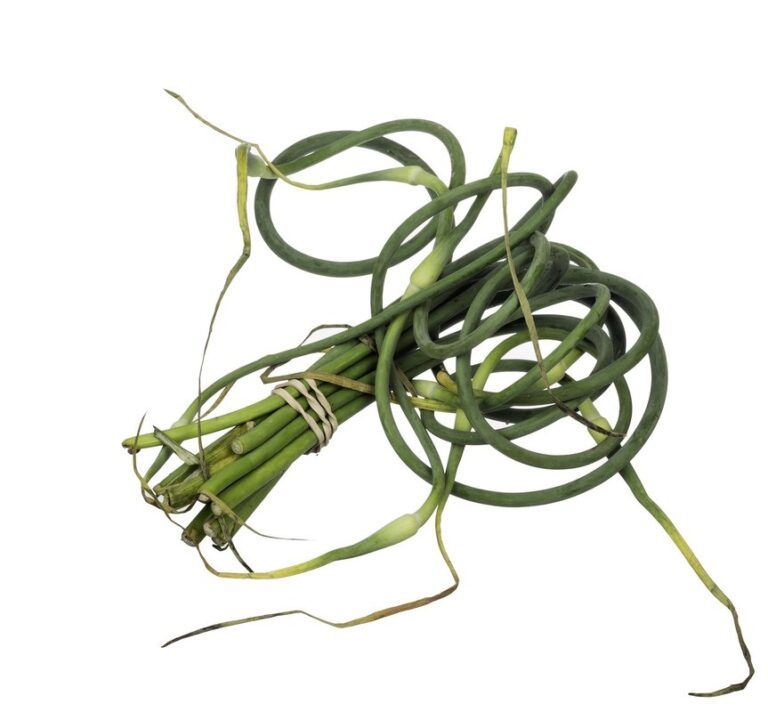
Garlic scapes – those long, curly green shoots that emerge from your garlic bulbs each spring. Many gardeners often wonder what to do with them, and whether they’re worth growing in the first place. But trust us, these versatile and delicious stems are a treasure trove of possibilities. Not only can you use them in cooking to add depth and flavor to a variety of dishes, but they also play an important role in promoting healthy plant growth and preventing pests from taking over your garden. In this article, we’ll explore the many uses of garlic scapes, including tips on companion planting, pest control, and preserving them for year-round enjoyment. Whether you’re a seasoned gardener or just starting out, learn how to make the most of these incredible little gems.
What Are Garlic Scapes and Why Use Them?
If you’re new to garlic farming, chances are you’ve never even heard of garlic scapes. Let’s dive into what they are and why using them is a game-changer for your garden.
Benefits of Using Garlic Scapes in Cooking
Garlic scapes are not just a byproduct of garlic growth, but they offer a multitude of benefits that can elevate your cooking and health. The flavor profile of garlic scapes is often described as milder than garlic cloves, with hints of onion and grassy notes. They add a subtle yet distinctive taste to dishes without overpowering them.
In terms of texture, garlic scapes are crunchy and tender, making them perfect for sautéing or grilling. You can use them in place of garlic cloves in most recipes or as a complement to other ingredients. The versatility of garlic scapes lies in their ability to pair well with various flavors and cuisines.
Nutritionally, garlic scapes are rich in vitamins C and K, as well as fiber and antioxidants. They also contain compounds that have been shown to have antibacterial and anti-inflammatory properties. To incorporate garlic scapes into your cooking, start by sautéing them with olive oil and lemon juice as a side dish or adding them to soups, salads, and stir-fries. Experiment with different seasonings and spices to bring out their unique flavor.
Culinary Uses for Garlic Scapes: A Guide
Garlic scapes are incredibly versatile and can be used in a variety of culinary applications. When it comes to cooking with garlic scapes, sautéing is one of the easiest methods. Simply chop the scapes into 1-inch pieces, heat some oil in a pan over medium heat, and cook until they’re tender and fragrant. You can also add aromatics like onions or ginger for added depth.
Grilling garlic scapes adds a smoky flavor that pairs perfectly with meats, vegetables, or as a side dish on its own. Simply brush the scapes with oil, season with salt and pepper, and grill over medium-high heat until charred. For a more substantial meal, use grilled garlic scapes in sauces like pesto or chimichurri.
You can also use garlic scapes in place of traditional garlic in many recipes. Try adding them to soups, stews, or casseroles for added flavor. In Asian-inspired dishes, garlic scapes pair well with soy sauce and ginger for a savory umami taste.
Growing Garlic Scapes: Tips and Tricks
To get the most out of your garlic plants, learn how to grow and harvest garlic scapes successfully, a crucial step in maximizing their flavor and texture. Here are some expert tips to help you do just that.
Choosing the Right Garlic Variety for Scapes
When it comes to growing garlic scapes, selecting the right variety is crucial for maximizing their potential. Not all garlic varieties produce desirable scapes, so choosing one that does can make a big difference. Consider growing ‘Chesnok Red’ or ‘Music’, both of which are known to produce beautiful, tender scapes.
These varieties aren’t just great for their flavor and aroma, but also for their ease of growth and scape production. When shopping for garlic bulbs, look for these names specifically, or ask your local nursery or supplier if they carry varieties that are known for producing good scapes.
If you’re looking to grow other varieties, keep in mind that some popular garlic types like ‘Elephant’ and ‘Rocambole’ tend to produce fewer scapes. On the other hand, ‘Silverskin’ and ‘Creole’ are often bred specifically for their robust scape production.
In addition to choosing a variety with good scape potential, be sure to give your garlic plants plenty of sunlight, water, and nutrients. With proper care, you should be able to coax out the full flavor and texture of your scapes, and enjoy them in a variety of dishes throughout the growing season.
Optimizing Soil Conditions for Scape Growth
Preparing your soil is crucial for promoting healthy garlic scape growth. Garlic prefers well-draining, fertile soil with a pH between 6.0 and 7.0. Test your soil to determine its nutrient content and adjust accordingly. Add compost or well-rotted manure to improve soil structure and fertility.
Fertilization is also essential for optimal scape growth. Feed your garlic plants with a balanced fertilizer (10-10-10) when they’re about six inches tall, and again after harvest. You can also use high-phosphorus fertilizers to promote leaf growth. Avoid over-fertilizing, as this can lead to weak bulbs and reduced flavor.
Proper watering is vital for healthy scape growth. Garlic requires consistent moisture during the growing season, but make sure not to overwater. Aim for about 1 inch of water per week, either through rainfall or irrigation. Mulching around plants helps retain moisture and suppress weeds, making it easier to care for your garlic scapes.
Keep in mind that garlic is a cool-season crop, so avoid watering during the hottest part of the day to prevent evaporation. By following these tips, you’ll be well on your way to growing delicious and healthy garlic scapes.
Pruning Techniques for Maximum Yield
When it comes to maximizing yield from garlic scapes, pruning is an essential technique to master. Pruning encourages leaf production, which not only enhances the appearance of your plants but also promotes a longer harvest season.
To prune your garlic scapes effectively, wait until they reach about 6-8 inches in length. This timing allows you to capture the full potential of the scape without compromising the bulb’s growth. Remove any damaged or deformed scapes immediately to prevent disease and encourage healthy growth.
When pruning, cut the scape just above a node – this will stimulate new leaf growth and direct energy towards the bulb. Leave at least two sets of leaves on each plant to ensure continued photosynthesis and nutrient uptake. As your garlic plants continue to mature, repeat the pruning process every 2-3 weeks to maintain optimal growth.
By implementing regular pruning, you can enjoy a longer harvest season with healthier, more robust garlic scapes. This simple technique will reward you with a bountiful crop and add a new dimension of flavor to your favorite recipes.
Garlic Scape Pest Control and Disease Management
Now that you’re familiar with garlic scapes, let’s tackle some common challenges: pest control and disease management to keep your crop thriving. We’ll cover effective ways to prevent and treat issues.
Common Pests Affecting Garlic Scapes
As you’re enjoying the bounty of garlic scapes in your garden, it’s essential to be aware of common pests that can affect their growth and quality. Garlic scapes are particularly susceptible to aphids, those pesky, sap-sucking insects that can spread disease and weaken plants. To control aphid populations, spray your garlic scapes with a mixture of 1 tablespoon of mild dish soap and 1 quart of water. Repeat the process every few days as needed.
Spider mites and thrips are other common pests that target garlic scapes. These tiny insects feed on sap, causing curled or distorted leaves and stunted growth. To manage spider mite infestations, increase air circulation around your plants and spray with neem oil at a rate of 2-3%. For thrips, apply horticultural oil or insecticidal soap according to label instructions.
To maintain a balanced ecosystem in your garden, it’s crucial to identify these pests early on. Regularly inspect your garlic scapes for signs of infestation, such as sticky honeydew droplets, yellowing leaves, or actual insects visible on the plants.
Managing Fungal Diseases in Garlic Scapes
Managing fungal diseases in garlic scapes requires a multi-faceted approach that involves prevention, monitoring, and treatment. To prevent powdery mildew, botrytis, and rust, ensure good air circulation around the plants by pruning nearby vegetation and providing adequate space between rows. Regularly inspect your garlic scapes for signs of disease, such as white patches or a reddish-brown color on leaves.
If you notice any fungal growth, remove infected areas immediately to prevent the spread of disease. For more severe cases, treat with fungicides containing sulfur or copper. However, use these chemicals sparingly and according to product instructions, as overuse can harm beneficial microorganisms in the soil.
A preventive measure is to maintain optimal watering schedules – avoid overhead irrigation that can splash water onto leaves, creating an ideal environment for fungal growth. Some gardeners swear by using neem oil or garlic-based sprays to repel pests and diseases. Experiment with these natural methods and adjust as needed based on your specific growing conditions.
It’s also essential to maintain a balanced nutrient profile in the soil by incorporating compost and other organic matter. A healthy, thriving plant is more resilient to disease and can better withstand environmental stressors.
Maintaining Healthy Scape Growth Through Crop Rotation
Maintaining healthy scape growth through crop rotation is essential for optimal garlic production. When garlic scapes grow near the same plants season after season, pests and diseases can spread quickly, reducing yields and affecting overall health. Crop rotation allows you to move your garlic to new areas of your garden each year, breaking this disease cycle.
Consider implementing a four-year rotation plan: plant garlic in one location for three consecutive years, then move it to a different area the following season. This approach helps prevent pests like aphids, spider mites, and nematodes from building up resistance to pesticides or developing immunity.
To further enhance crop rotation benefits, incorporate diverse companion plants between garlic patches. For example, planting marigolds near garlic can repel nematodes, while basil and mint help deter pests that target scapes. By adapting a thoughtful crop rotation plan and incorporating beneficial companions, you’ll cultivate a healthier, more resilient garlic scape ecosystem in your garden.
Harvesting and Storing Garlic Scapes
Now that you’ve harvested your garlic scapes, let’s talk about how to store them so they stay fresh for as long as possible. This is crucial for enjoying their flavor year-round.
Knowing When to Harvest Your Garlic Scapes
When to harvest garlic scapes is a crucial decision that can impact the flavor and texture of your harvested scapes. Typically, you’ll want to pick them when they reach 6-8 inches in length, usually around late spring or early summer, depending on your specific climate.
Keep an eye out for signs that the scapes are ready, such as a subtle bend at the base of the scape where it meets the garlic bulb. This is often accompanied by a slight separation between the stem and the bulb, signaling that the scape is mature enough to be harvested.
Harvesting too early can result in smaller bulbs and reduced yields in future seasons, while waiting too long may cause the scapes to become woody or develop an unpleasant flavor. To avoid this, check your scapes regularly during the growing season, and pick them as soon as they reach the desired length.
By monitoring their growth and harvesting at the optimal time, you’ll be able to enjoy a bountiful crop of delicious garlic scapes all season long.
Proper Storage Techniques for Freshness
When it comes to enjoying your garlic scapes for an extended period, proper storage techniques are crucial. Garlic scapes can be stored in a variety of ways to maintain their quality and longevity. To start, trim the ends of the scapes at an angle, creating a small opening that allows air to circulate. This will help prevent moisture buildup and promote healthy drying.
Store garlic scapes in a dry, well-ventilated area away from direct sunlight. You can also hang them upside down in small bunches or tie them into small bundles using twine or string. If you plan on storing larger quantities, consider using paper bags or mesh bags to keep the scapes clean and free of dust.
Keep your stored garlic scapes dry by checking on them regularly and removing any that have started to wilt or show signs of mold. By following these simple steps, you can enjoy your garlic scapes for months to come and add a burst of fresh flavor to your cooking.
Using Garlic Scapes in Companion Planting
When it comes to companion planting, garlic scapes can be a game-changer for your garden. In this next part of our exploration, we’ll look at how to use them effectively alongside other plants.
Benefits of Growing Garlic with Other Vegetables
When it comes to companion planting, garlic is often overlooked as a valuable addition to the garden. However, pairing garlic with other vegetables can have numerous benefits for growth and health. One of the most well-known combinations is growing garlic alongside tomatoes. This may seem counterintuitive, but garlic repels pests like aphids, whiteflies, and spider mites that target tomatoes. By planting garlic near your tomato plants, you’ll reduce the need for pesticides and create a healthier environment.
You can also pair garlic with carrots to deter carrot flies and rabbits that might otherwise munch on them. Some gardeners even plant garlic around rose bushes to repel aphids and other pests that can harm these delicate flowers. To get started, simply plant garlic cloves 4-6 inches away from the plants you want to protect. As they grow, the scent of the garlic will help keep unwanted pests at bay, promoting a balanced ecosystem in your garden.
Some popular combinations include:
• Garlic and tomatoes
• Garlic and carrots
• Garlic and roses
Examples of Successful Garlic Scape Combinations
When it comes to using garlic scapes in companion planting, there are numerous ways to pair them with other plants that benefit from their natural pest-repellent properties. One popular combination is pairing garlic scapes with roses and lavender. These flowers repel aphids and whiteflies, which can be devastating to your rose and lavender blooms.
In addition to attracting beneficial insects like bees and butterflies, marigolds also repel nematodes, making them a great companion plant for garlic scapes. Planting marigolds near tomatoes can help prevent nematode infestations, reducing the risk of tomato diseases.
When pairing garlic scapes with other plants, remember to space them about 6-8 inches apart. This allows both plants to grow and receive adequate sunlight without competing with each other for resources. With a little creativity, you can create a diverse and thriving garden ecosystem that relies on the natural pest-repelling properties of garlic scapes.
For example, interplanting garlic scapes among carrots and lettuce can help repel carrot rust flies and prevent damage to these delicate greens. Experiment with different combinations to find what works best for your specific garden conditions.
Preserving Garlic Scapes for Year-Round Enjoyment
To make the most of your garlic harvest, you’ll want to know how to properly preserve garlic scapes so they’re still delicious come winter. Let’s dive into the preservation process together!
Methods for Freezing and Dehydrating Garlic Scapes
Preserving garlic scapes is an excellent way to enjoy them throughout the year. Two popular methods for preserving garlic scapes are freezing and dehydrating. To freeze garlic scapes, start by blanching them in boiling water for 30 seconds to 1 minute to preserve their color and texture. Then, chop or mince them and spread out on a baking sheet lined with parchment paper. Place the sheet in a freezer-safe bag or container and store in the freezer.
Dehydrating garlic scapes is another option that helps retain their flavor and aroma. You can use a food dehydrator or your oven on its lowest temperature setting to dry the scapes until they reach a crumbly texture. Store the dried scapes in an airtight container for up to 6 months. Pickling garlic scapes is also a great way to preserve them, especially if you want to add some acidity and flavor. Slice or chop the scapes thinly and soak them in a brine made with vinegar, salt, and spices.
Before freezing or dehydrating, make sure to clean and dry the garlic scapes thoroughly to prevent any mold or bacterial growth. You can also add aromatics like lemon juice or herbs to enhance their flavor during the preservation process.
Creative Ways to Use Dried or Frozen Garlic Scapes
If you’re looking for creative ways to use dried or frozen garlic scapes, you’ve come to the right place. These versatile ingredients can add a burst of flavor to various dishes beyond just cooking with fresh garlic. Here are some innovative uses to get you started:
* Infused Oils: Dry garlic scapes and infuse them in olive oil to create a flavorful finishing oil for salads, soups, or roasted vegetables.
* Powdered Garlic Scape Seasoning: Blend dried garlic scapes into a powder using a spice grinder or blender. Mix with other herbs like thyme or oregano to create a unique seasoning blend.
* Frozen Pest Deterrent: Use frozen garlic scapes as a natural pest repellent for your garden. Bury them around the base of plants to deter aphids and other pests.
* Pickled Garlic Scapes: Slice garlic scapes thinly, layer them in a jar with vinegar, salt, and spices, and let them ferment for a tangy, crunchy snack.
These creative uses will keep you enjoying garlic scapes year-round. Experiment with different recipes to discover even more possibilities.
Frequently Asked Questions
Can I still use garlic scapes if they’re not curly?
Yes, not all garlic scapes are curly. Some varieties may have a more straight or even twisted growth habit. As long as the scape is healthy and actively growing, you can still use it in cooking or for pest control.
How do I know when to harvest my garlic scapes?
Timing is everything! Garlic scapes typically emerge 6-8 weeks after planting garlic bulbs. Look for scapes that are around 12 inches tall, with a diameter of about 1/4 inch at the base. Harvest them when they’re still green and tender.
Can I use garlic scapes in place of garlic cloves in recipes?
While similar, garlic scapes have a milder flavor than garlic cloves. Use them as you would regular garlic, but be mindful that the flavor will be more subtle. Start with smaller quantities and adjust to taste.
How do I store garlic scapes for later use?
For short-term storage (up to 1 week), keep garlic scapes in a sealed container or plastic bag in the refrigerator. For longer-term preservation, consider freezing or dehydrating them. Frozen scapes are perfect for soups and stews, while dried ones can be used in teas or as a seasoning.
Will using garlic scapes affect my garlic harvest yield?
No! Garlic scapes actually promote healthy plant growth and help direct energy towards bulb formation. Harvesting scapes won’t compromise your garlic crop’s potential. In fact, it may even improve yields by reducing stress on the plants.