
Growing potatoes in raised beds can be a bit tricky, especially when it comes to maximizing space and air circulation. As any seasoned gardener knows, healthy potato plants rely on proper spacing to prevent disease and promote robust growth. But how do you strike the right balance between crowding and underutilization of your precious raised bed real estate? In this article, we’ll delve into the secrets of optimizing potato spacing in raised beds, from expert techniques for air circulation and light penetration to essential maintenance tips that will help you avoid common mistakes and reap a bountiful harvest. Whether you’re a seasoned gardener or just starting out, our comprehensive guide will walk you through the key considerations for growing healthy potatoes in your raised bed garden.
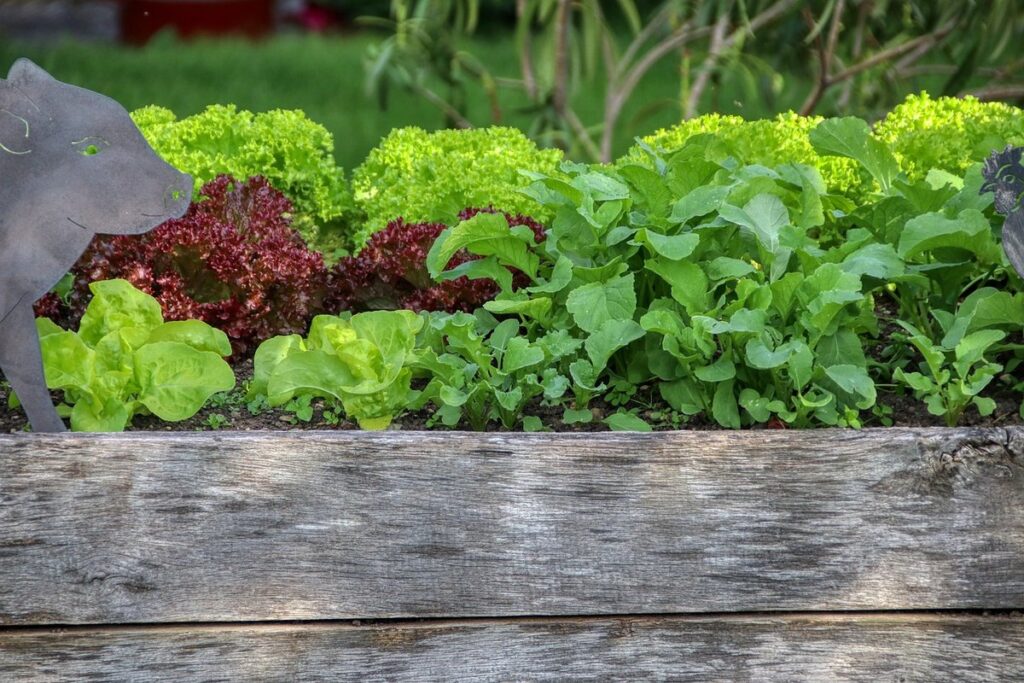
Benefits of Proper Potato Spacing in Raised Beds
When growing potatoes in raised beds, proper spacing is crucial for a bountiful harvest and healthy plants. In this next part, we’ll explore how to space your potatoes for optimal results.
Importance of Air Circulation for Healthy Tubers
Proper air circulation around potatoes is crucial for preventing rot and diseases that can devastate a crop. Raised beds, with their elevated design and open sides, are particularly well-suited to promote airflow. By elevating the soil level, raised beds create space under the bed where air can circulate freely, reducing humidity and minimizing the risk of fungal growth.
In contrast to in-ground plantings, where moisture tends to accumulate around the tubers, raised beds allow excess water to drain more easily. This reduced moisture content reduces the likelihood of rot and disease, which thrive in damp environments. Moreover, the open sides of raised beds enable air to circulate from all directions, further enhancing air exchange.
To maximize air circulation in your raised bed, make sure to leave enough space between each plant for air to pass through. A general rule of thumb is to provide at least 12 inches of spacing between plants.
Optimizing Space for Maximum Yield
When it comes to maximizing yield in raised beds, optimizing space is crucial. If you don’t give your potato plants enough room to breathe and grow, they’ll be more susceptible to disease and won’t produce as much as they could.
One of the primary reasons why proper spacing is essential is that it allows for good air circulation around each plant. When plants are crowded together, moisture can become trapped, creating a haven for fungal diseases like late blight and powdery scab. These diseases can quickly spread through the bed, wiping out your entire crop.
By giving each potato plant at least 12-18 inches of space in every direction, you’ll reduce the risk of disease transmission and allow for better air circulation. This will also enable the plants to produce more tubers, as they won’t be competing with their neighbors for resources like light and water.
To put this into practice, make sure to plan your raised bed layout carefully before planting. Consider using a grid system or a square-foot garden design to ensure that each plant has enough space to thrive.
Choosing the Right Spacing for Your Raised Bed
When it comes to growing potatoes in raised beds, selecting the ideal spacing is crucial for optimal yields and healthy plant growth. We’ll explore how to choose the right spacing for your specific setup.
Considerations for Small, Medium, and Large Raised Beds
When it comes to choosing the right spacing for your raised bed, the size of the bed itself is an important consideration. Whether you’re working with a small, medium, or large raised bed, there are specific guidelines to keep in mind when planning for optimal potato growth.
For compact varieties like ‘Nicola’ and ‘Charlotte’, smaller raised beds can be ideal. These varieties mature quickly and don’t require as much space, making them perfect for containers or smaller raised beds that are around 2×4 feet. In these spaces, plant the potatoes 12-18 inches apart, allowing for good air circulation and easy harvesting.
Medium-sized raised beds, typically around 3×6 feet, can accommodate more potato varieties, including ‘Maris Piper’ and ‘King Edward’. Plant these at 18-24 inches apart to allow for proper growth and sunlight penetration. For larger raised beds, such as those measuring 4×8 feet or more, you can plant potatoes even closer together – 12-18 inches apart – depending on the variety’s spreading habit.
Keep in mind that regardless of bed size, it’s essential to plan for a minimum of 2-3 harvests to avoid overcrowding and reduce disease risk. This will also help ensure you don’t have too much potato at once!
Adjusting Spacing Based on Climate and Variety
When it comes to adjusting spacing in raised beds for potatoes, climate and variety play significant roles. Different climates bring unique challenges that affect potato growth, and certain varieties are bred specifically for specific conditions. For instance, in hot and dry climates, you’ll want to allow more space between each plant to prevent overcrowding and ensure adequate air circulation.
In regions with cool and wet climates, potatoes can grow more densely without sacrificing yield or quality. In these areas, a spacing of 10-12 inches (25-30 cm) is often sufficient for varieties like ‘Russet’ or ‘Yukon Gold’. However, in the scorching hot desert landscapes of Arizona, for example, you’ll want to double that space to at least 24 inches (60 cm) between each plant.
Some popular potato varieties require more precise spacing due to their unique growth habits. For example, ‘Hannah’ and ‘Nicola’ potatoes are compact and can be grown closer together than some other varieties. Research the specific variety you’re planting and adjust your spacing accordingly to ensure optimal growth and yield.
Planting Techniques for Efficient Space Use
To maximize yields in raised beds, let’s dive into specific planting techniques that optimize space and ensure your potatoes have room to grow. This section will explore practical methods for efficient spacing.
Vertical Gardening Methods for Raised Beds
When working with raised beds for potatoes, it’s essential to explore vertical gardening methods that can help maximize space. This is particularly crucial when growing multiple rows of potatoes in a small area. One effective way to achieve this is by using trellises or cages. These structures provide support for the potato plants as they grow, allowing you to train them upwards and outwards.
To utilize trellises effectively, plant your potato seedlings around 12-18 inches away from the base of the structure. As the plants grow, gently twine the stems around the trellis or cage using soft ties or clips. This not only saves space but also helps to prevent the plants from toppling over in the wind.
Alternatively, you can use cages specifically designed for potatoes, which typically have a mesh design that allows for air circulation and sunlight penetration. By growing your potatoes vertically, you’ll be able to accommodate more plants in a smaller area, making the most of your raised bed’s space.
Companion Planting for Improved Growth
When growing potatoes in raised beds, it’s essential to consider companion planting strategies that optimize growth and reduce competition between plants. Companion planting is a technique where you pair two or more plants together to improve their health, flavor, and overall yield.
Some of the best companion plants for potatoes include marigold, nasturtium, and chives. Marigolds repel nematodes, which can harm potato tubers, while nasturtiums attract beneficial insects that prey on pests that target potatoes. Chives, on the other hand, improve soil health by adding nutrients that benefit potato growth.
When selecting companion plants for your raised bed, consider their mature size and spread to ensure they won’t compete with your potatoes for space or resources. For example, planting marigolds near the edges of your raised bed can help repel pests without taking up valuable space. By choosing the right companion plants, you can create a harmonious growing environment that maximizes your potato yield while minimizing competition and stress on individual plants.
Common Mistakes to Avoid When Spacing Potatoes
When spacing potatoes, it’s easy to make mistakes that can impact your harvest. In this crucial section, we’ll walk you through common errors to steer clear of in raised beds.
Inadequate Space Leading to Disease and Pests
Inadequate space between potato plants can have severe consequences on their health and productivity. When potatoes are too close together, they are more susceptible to disease and pests due to the increased humidity and shaded conditions that develop between them. This creates an ideal environment for diseases like late blight, scab, and powdery scab to thrive.
When plants are overcrowded, it becomes difficult for air to circulate freely, which can lead to fungal growth on the leaves and stems of nearby plants. Additionally, pests like aphids, Colorado potato beetles, and wireworms find it easier to spread diseases among crowded plants.
To avoid these issues, make sure to space your potatoes at least 12 inches apart in raised beds. This will provide enough room for proper air circulation and sunlight penetration between the plants. It’s also essential to rotate your crops annually to break disease cycles and maintain soil health. By doing so, you’ll be able to grow healthy and disease-free potato crops in your raised bed garden.
Overcrowding: A Recipe for Reduced Yields
When it comes to growing potatoes in raised beds, one common mistake that can significantly impact yields is overcrowding. Planting too many seed potatoes in a small space may seem like a way to maximize production, but it can actually lead to reduced yields and stunted growth.
The roots of potato plants require sufficient space to spread out and absorb nutrients from the soil. When crowded, these roots become entangled, competing for resources and water. This competition can cause the plants to grow weakly, with fewer tubers forming and reducing overall yield. In fact, studies have shown that planting seed potatoes at a density of 12-15 per square meter resulted in significantly lower yields compared to spacing them at a density of 6-8 per square meter.
To avoid overcrowding and its associated problems, it’s essential to leave enough space between each plant. A good rule of thumb is to plant seed potatoes about 12 inches apart, with rows spaced around 3 feet apart. This allows for proper air circulation and soil penetration, promoting healthy growth and maximizing yields.
Best Practices for Raised Bed Potato Maintenance
Now that you have your raised bed potatoes growing, it’s time to focus on their maintenance to ensure a bountiful harvest and healthy plants. Proper care will make all the difference in your potato crop success.
Watering Strategies for Optimal Growth
When it comes to maintaining healthy potatoes in raised beds, watering is a crucial aspect that often gets overlooked. However, finding the right balance between moisture levels can be challenging, especially if you’re new to gardening.
To avoid waterlogged soil and promote optimal growth, follow these essential watering strategies:
* Water your potato plants deeply once or twice a week, depending on weather conditions. This encourages deep root growth and makes them more resistant to drought.
* Avoid frequent shallow watering, which can lead to weak and prone-to-disease potatoes. Instead, aim for longer intervals between waterings.
* Monitor soil moisture by inserting a finger into the soil up to the knuckle. If the soil feels dry, it’s time to water. If it still feels damp, wait another day or two before checking again.
Remember, overwatering is often worse than underwatering when it comes to potato cultivation. By adopting this approach, you’ll be on your way to raising robust and delicious potatoes in your raised bed garden.
Soil Health and Fertilization for Healthy Tubers
Maintaining healthy soil is crucial for producing high-quality tubers. Fertilization and companion planting are two effective strategies to achieve this goal. When it comes to fertilizing raised beds for potatoes, it’s essential to use natural methods that promote soil fertility without degrading its health.
Use compost or well-rotted manure as a fertilizer source, adding 2-3 inches of material to the top of each bed before planting. This not only provides nutrients but also improves soil structure and biodiversity. For specific nutrient deficiencies, consider using organic options like fish emulsion or bone meal. However, be cautious not to over-fertilize, as this can lead to weak tubers.
Companion planting is another valuable technique for maintaining healthy soil and preventing pests and diseases. Planting marigolds alongside potatoes repels nematodes, while basil and mint help deter aphids and other insects. Borage attracts beneficial pollinators like bees and butterflies, contributing to overall ecosystem health. Choose companion plants that complement your potato variety’s needs and climate conditions to create a balanced and thriving raised bed environment.
Advanced Techniques for Maximizing Spacing in Small Raised Beds
When working with small raised beds, it’s essential to master specific techniques that allow you to maximize space while growing potatoes efficiently. This approach requires some creativity and experimentation to achieve optimal yields.
Using Mulch and Compost to Increase Yield Potential
Using mulch and compost to increase yield potential is a game-changer for small raised beds. By incorporating these organic materials into your potato gardening routine, you can create an optimal environment for your spuds to thrive.
One effective method is vertical gardening. This technique involves training your potato plants to grow upwards using stakes or a trellis system. Not only does this maximize space, but it also increases exposure to sunlight and air circulation, reducing the risk of disease. To implement vertical gardening in your raised bed, start by planting multiple seed potatoes around the base of a stake or trellis. As the plants grow, gently tie them to the support using twine or a plant clip.
Another approach is to mix compost into the soil before planting. Compost acts as a slow-release fertilizer, providing essential nutrients to your potato plants throughout their growth cycle. It also improves soil structure and drainage, allowing roots to penetrate deeper and access more water and nutrients. Aim for a 10-20% compost-to-soil ratio for optimal results.
Innovative Planting Arrangements for Compact Varieties
When working with compact potato varieties, it’s essential to create innovative planting arrangements that maximize space without compromising yields. One approach is to plant rows of compact potatoes at a 6-8 inch spacing, allowing for easier harvesting and reduced soil disturbance.
Another strategy involves using the “hilled” method, where small mounds of soil are created between each potato plant. This not only reduces competition among tubers but also promotes healthy growth by allowing air circulation around the base of the plants. Consider planting three to four compact varieties in a square-foot space, alternating rows or blocks to prevent disease spread.
For even more creative arrangements, try incorporating vertical growing techniques like using trellises or supports for vining varieties. This will not only increase yield potential but also take up less floor space within your raised bed. Keep in mind that each potato variety has unique growth habits and requirements; research the specific needs of your chosen compact varieties to achieve optimal yields.
To further optimize space, consider planting companion plants like radishes or nasturtiums alongside your potatoes, which can help repel pests and improve soil health. With a little creativity, you’ll be amazed at how much space you can save while still producing an abundance of delicious homegrown spuds!
Conclusion: Putting it All Together for a Bountiful Harvest
As you’ve learned about potato spacing in raised beds, it’s essential to put everything into practice. Remember that proper spacing is crucial for healthy growth and optimal yields. To ensure a bountiful harvest, consider the mature size of your potato varieties when planning your layout. For example, if you’re growing ‘Russet’ or ‘Yukon Gold’, leave at least 12-18 inches between each plant. This allows for proper air circulation and sunlight penetration, which are vital for disease prevention and healthy growth.
By applying these tips to your raised bed garden, you’ll be well on your way to a productive harvest. Don’t forget to also maintain good soil quality, provide adequate water, and enjoy the satisfaction of growing your own delicious potatoes. With careful planning and attention to detail, you can enjoy a bountiful harvest that will make all your gardening efforts worthwhile.
Frequently Asked Questions
How Do I Measure the Optimal Spacing for My Raised Bed?
Concise, valuable answer: To determine the optimal spacing for your raised bed, consider the mature size of your potato variety and leave enough space between rows to allow for easy access. A general rule of thumb is to provide about 12-18 inches between each plant in small beds, increasing to 24-36 inches in larger beds.
What If I Have Limited Space: Can I Still Grow Potatoes?
Yes, if you have limited space, consider growing compact or dwarf varieties that require less space. You can also use vertical gardening methods like trellises or containers to maximize your yield.
How Often Should I Check for Signs of Disease and Pests in My Potato Crop?
Regularly inspect your potato crop for signs of disease or pests, ideally every 7-10 days during peak growing season. Look out for yellowing leaves, black spots, or actual insects on the plants. Early detection can help prevent spread and reduce damage.
Can I Use Mulch to Increase Yield Potential in My Raised Bed?
Yes, using mulch around your potato plants can help retain moisture, suppress weeds, and regulate soil temperature. Organic mulches like straw or wood chips are ideal for raised beds as they improve air circulation while reducing the risk of disease and pests.
How Do I Prevent Overcrowding When Growing Multiple Rows in My Raised Bed?
To avoid overcrowding when growing multiple rows, ensure that each row has sufficient space to accommodate mature plants. Leave enough room between each plant to allow for easy access and proper air circulation. Also, stagger your planting pattern by alternating the direction of each row to promote healthy growth and minimize competition.