
Growing your own melons can be a rewarding experience, but it requires careful attention to detail. Not all melon varieties are created equal, and selecting the right one for your climate and available space is crucial. If you’re struggling with pests or diseases, you’re not alone – these issues can quickly turn a thriving melon plant into a disappointment. To help you avoid these common pitfalls, we’ve put together a comprehensive guide to melon plant care. In this article, we’ll cover the essential tips and techniques for growing healthy melons, from selecting the right variety to managing pests and diseases. Whether you’re a seasoned gardener or just starting out, our expert advice will help you optimize your melon plant care for a bountiful harvest.
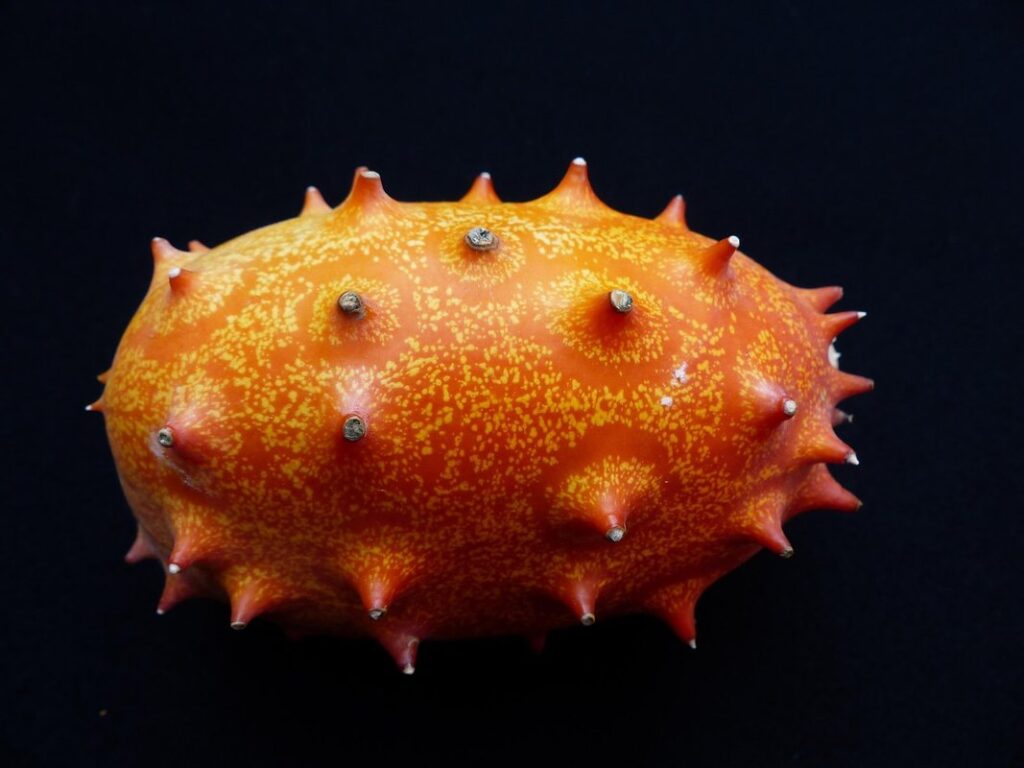
Choosing the Right Melon Variety
When it comes to growing delicious melons, selecting the right variety for your climate and taste preferences is crucial. Let’s explore the most popular melon types and their unique characteristics.
Understanding Different Types of Melons
When it comes to choosing the right melon variety for your garden, understanding the different types of melons is crucial. With over 1,000 known varieties worldwide, selecting the perfect one can be overwhelming. Let’s break down the most common types of melons: watermelon, cantaloupe, and honeydew.
Watermelons are the largest of the three, with a sweet, juicy flesh and black seeds. They prefer well-drained soil and full sun, requiring around 90-100 days to mature. To grow the perfect watermelon, ensure your soil pH is between 6.0 and 6.8.
Cantaloupes, on the other hand, are characterized by their netted rind and sweet, musky flavor. They require similar growing conditions to watermelons but prefer a slightly acidic soil pH (around 5.5-6.5). Cantaloupes take around 70-80 days to mature.
Honeydew melons have a smooth, waxy rind and sweet, refreshing flesh. They prefer well-drained soil and full sun, requiring around 100-110 days to mature. To grow honeydew successfully, ensure your soil has good air circulation to prevent fungal diseases.
By understanding the unique characteristics of each melon variety, you can choose the perfect one for your garden’s specific conditions and preferences. Whether you’re a seasoned gardener or a beginner, selecting the right melon will make all the difference in its flavor, texture, and overall quality.
Factors to Consider When Selecting a Melon Variety
When selecting a melon variety for your garden, it’s essential to consider several factors that will impact its performance and usability. Climate is one of the primary considerations, as different melons thrive in varying temperature ranges. For example, muskmelons prefer warmer temperatures above 65°F (18°C), while honeydew melons can tolerate cooler temperatures around 60°F (15°C).
Soil type is another crucial factor to consider, as some melon varieties are more tolerant of certain soil conditions than others. Cucumbers and gourds, for instance, prefer well-draining soils with a pH between 6.0 and 7.0. On the other hand, cantaloupes can grow in a wider range of soils, including those with higher acidity.
Finally, consider how you plan to use your melon harvest. If you’re growing for fresh consumption, choose varieties like ‘Earli-Glow’ or ‘Galia’, which are sweeter and have thinner skins. For canning or preserving, opt for more robust varieties that hold their shape well when cooked, such as ‘Sugar Baby’ or ‘Tiffany’.
Soil Preparation for Melon Plants
To grow healthy and productive melons, it’s essential to prepare your soil properly, which involves selecting a suitable location and mixing in the right combination of nutrients and organic matter. Here’s what you need to know.
The Importance of Well-Draining Soil
Well-draining soil is one of the most critical factors to consider when preparing the soil for melon plants. Melons are prone to root rot and other problems that arise from waterlogged soil conditions. When the soil doesn’t drain properly, excess moisture can cause roots to become waterlogged, leading to a range of issues.
Root rot is a common problem in melon cultivation, caused by fungal infections that thrive in damp environments. This condition can weaken the plant’s immune system and reduce fruit production. Moreover, standing water in the soil can also lead to other problems such as nutrient deficiency, stunted growth, and increased susceptibility to pests and diseases.
To prevent these issues, make sure your soil has good drainage. You can test this by pouring a small amount of water on the surface; if it takes more than an hour for the water to drain away, the soil needs improvement. To achieve better drainage, add organic matter like compost or well-rotted manure to increase the soil’s porosity and structure.
Adding Organic Matter to the Soil
Adding organic matter to the soil is one of the most effective ways to improve its fertility and structure. Melon plants thrive in well-draining, rich soils that are teeming with beneficial microbes. Compost and manure are two excellent organic matter additions that can greatly benefit your melon plants.
Composting breaks down kitchen scraps, yard trimmings, and other organic materials into a nutrient-rich fertilizer. It improves soil’s water-holding capacity, reduces erosion, and increases the overall fertility of the soil. Manure from herbivores like cows or horses is another excellent addition that provides essential nutrients for healthy plant growth.
When adding compost or manure to your soil, make sure to mix it well with existing soil to avoid any settling at the bottom. A good rule of thumb is to add 2-3 inches of compost or a 1-inch layer of manure and mix thoroughly. This will not only provide essential nutrients but also create an ideal environment for beneficial microbes to thrive.
Keep in mind that fresh manure can be too hot for plants, so it’s best to age it for at least six months before adding it to the soil.
Planting and Transplanting Melon Seedlings
When it comes time to get your melon seedlings growing, you’ll need to know when to plant them directly in the garden versus when to transplant them into larger containers. This section covers those crucial steps.
Preparing the Bed for Planting
When preparing the bed for planting melon seedlings, it’s essential to create a well-draining and fertile environment that will support their growth. The first step is to till the soil to a depth of about 8-10 inches. This will loosen up any compacted soil, allowing air, water, and nutrients to penetrate deep into the roots.
Next, rake the bed to remove any debris, rocks, or weeds. This will ensure that your seedlings have an even surface to grow on and prevent competition for resources. If your soil is heavy clay or prone to waterlogging, consider adding a 2-inch layer of organic matter like compost or well-rotted manure. This will improve drainage and structure.
Also, take note of the bed’s pH level, as melons prefer slightly acidic to neutral soil (pH 6.0-7.0). If your soil is too alkaline, add some elemental sulfur to lower the pH. Finally, if you’re transplanting seedlings, create a shallow trench and gently place them in it, burying them up to their first true leaves.
Sowing Melon Seeds Directly in the Garden
When sowing melon seeds directly into your garden, it’s essential to get the depth and spacing just right. Melons need a warm and sunny spot to germinate, so choose a location that receives at least six hours of direct sunlight.
To sow the seeds, create a shallow furrow in the soil, about 1 inch deep. Sow one or two seeds per mounded hill, depending on the variety. Cover the seeds with a thin layer of fine soil, firming it gently to ensure good contact. The soil temperature should be around 70-80°F (21-27°C) for optimal germination.
Make sure to space your melon hills about 3-5 feet apart in all directions. This will give the plants room to spread out and receive adequate air circulation, which is crucial for preventing fungal diseases.
As you sow the seeds, keep in mind that some melon varieties, such as cantaloupe and honeydew, have a built-in trellis system that allows them to climb. Plant these varieties near a trellis or other support to help them grow upwards and outwards.
Watering and Irrigation for Melons
When it comes to growing delicious melons, proper watering and irrigation are crucial. In this section, we’ll explore the best techniques for keeping your melon plants hydrated throughout their growth cycle.
Adequate Moisture Levels for Healthy Growth
Adequate moisture levels are crucial for melon plants to grow healthy and thrive. During different stages of growth, melon plants require varying amounts of water. For instance, when the plants are germinating and producing their first set of leaves, they need consistent moisture but not too much, about 1-2 inches per week.
As the plants start producing flowers and setting fruit, they require more water, around 2-3 inches per week. This is crucial for pollination and fruit development. However, if the soil becomes waterlogged, it can lead to root rot and other problems. To avoid this, ensure that the soil drains well, and the plants receive adequate aeration.
During hot weather, melon plants may need even more moisture, up to 4 inches per week, depending on the variety and climate conditions. It’s essential to monitor the plants’ response to watering and adjust accordingly. Overwatering can be detrimental to melon plants, so keep an eye out for signs of water stress or excessive moisture.
By providing adequate moisture levels tailored to each stage of growth, you’ll ensure your melon plants receive what they need to grow healthy and produce a bountiful harvest.
Avoiding Overwatering and Its Consequences
Overwatering is one of the most common mistakes melon growers make. It’s easy to get carried away with watering your plants, especially when they’re young and sensitive. However, too much water can be detrimental to their health.
One of the first signs of overwatering is yellowing leaves. If you notice that your melon plant’s leaves are turning a bright yellow or pale green color, it may be a sign that the roots are rotting due to excess moisture. This can happen when water accumulates in the soil and doesn’t have time to evaporate before the next watering.
To avoid overwatering, make sure to check the soil moisture regularly by inserting your finger into the soil up to the first knuckle. If it feels wet or soggy, wait a day or two before watering again. You can also inspect the roots for signs of rotting, which may appear as soft, mushy areas.
Remember, melon plants need about 1-2 inches of water per week, either from rain or irrigation. By monitoring your plant’s needs and adjusting your watering schedule accordingly, you can prevent overwatering and keep your melon plant healthy and thriving.
Pest and Disease Management in Melon Plants
When it comes to growing melons, managing pests and diseases is crucial to prevent damage and ensure a bountiful harvest, let’s discuss the common issues that can affect your plants.
Common Pests That Affect Melons
When it comes to melon plant care, pests can be a significant problem. Some common pests that target melon plants are aphids and whiteflies. These tiny insects feed on the sap of the plants, causing curled or distorted leaves and stunted growth.
Aphids are particularly problematic because they can reproduce quickly, leading to large infestations in a short amount of time. To control aphid populations, try using neem oil or insecticidal soap. Spraying these substances directly on the affected areas can help kill the insects. Additionally, introducing natural predators like ladybugs or lacewings into your garden can also be effective.
Whiteflies, on the other hand, are more difficult to control because they have a waxy coating that makes them resistant to many pesticides. To manage whitefly populations, try using yellow sticky traps to capture the adult insects. You can also use insecticidal soap or neem oil as mentioned earlier.
It’s essential to keep an eye out for these pests early on and take action promptly to prevent infestations from getting out of hand. Regularly inspecting your plants and removing any infected leaves or stems can help prevent the problem from spreading.
Recognizing Early Warning Signs of Disease
As a melon plant enthusiast, it’s essential to recognize the early warning signs of disease to prevent its spread and ensure your plants receive proper care. One of the most common diseases affecting melon plants is powdery mildew. This fungal disease appears as a white, powdery coating on leaves, stems, and fruit. If left untreated, powdery mildew can cause defoliation, reduced yields, and poor fruit quality.
To identify powdery mildew early, look for small, circular patches of white powder on the undersides of leaves. These patches often have a silvery or yellowish tint around their edges. In severe cases, the affected areas may turn brown or black, causing significant damage to the plant. Regularly inspect your plants, paying attention to any unusual growth patterns or discoloration.
Keep in mind that powdery mildew thrives in humid environments and temperatures between 64°F to 75°F (18°C to 24°C). Maintain good air circulation around your melon plants by pruning nearby vegetation and using row covers.
Fertilization and Pruning for Optimal Yield
To achieve maximum melon production, it’s essential that you understand how to properly fertilize and prune your plants. This crucial step will be covered in detail next.
Timing and Frequency of Fertilizer Applications
When it comes to fertilizing your melon plants, timing and frequency are crucial for optimal yield. Melons require a balanced diet of nutrients throughout their growth cycle, which typically spans around 100 to 120 days.
To determine the right time to fertilize, keep an eye on your plant’s growth stages. For example, seedlings need a starter fertilizer that is high in phosphorus (around week 2-3 after sowing). As they develop into vines, switch to a balanced fertilizer with equal NPK (nitrogen-phosphorus-potassium) ratios.
For established plants, fertilize every 7-10 days during the fruiting stage. Water your plants thoroughly before applying fertilizers, and avoid over-fertilizing, which can lead to excessive growth and decreased yield.
Monitor your plant’s response to fertilization by observing changes in leaf color, size, and overall vigor. If you notice any negative effects or stunted growth, adjust your fertilizer application accordingly. Remember that different melon varieties have unique needs, so research specific requirements for your crop.
Pruning Techniques for Improved Air Circulation
Pruning is an essential part of melon plant care that often gets overlooked. By pruning your melon plants correctly, you can promote healthy growth and encourage optimal air circulation. This is crucial for preventing diseases like powdery mildew and fusarium wilt.
To improve air circulation around your melon plants, remove any weak or spindly growth from the lower half of the plant. This will help direct the plant’s energy towards producing fruit rather than leafy greens. You can also prune the tips of the main stems to encourage branching, which allows for better light penetration and air exchange.
Another technique is to thin out the foliage around the base of the plant, creating a small “window” for air to circulate freely. This will help prevent moisture from accumulating on the leaves, reducing the risk of fungal diseases. Aim to remove about one-third of the foliage in this area, taking care not to damage any nearby fruiting stems.
By implementing these pruning techniques, you’ll be able to create a healthier and more productive melon plant environment that promotes optimal growth and yields. Remember, regular pruning is an ongoing process, so make sure to check your plants regularly for signs of overgrowth or disease.
Frequently Asked Questions
What if I’m new to gardening and don’t know where to start with melon plant care?
Start by selecting a variety that’s easy to grow, such as ‘Sugar Baby’ watermelon or ‘Earli-Glow’ cantaloupe. These varieties are more disease-resistant and require less maintenance than others. Make sure you have enough space for your plants, and choose a location with full sun and well-draining soil.
Can I grow melons in containers if I don’t have a lot of space?
Yes, you can grow melons in containers as long as they are at least 12-18 inches deep to accommodate the taproot. Use a large container with good drainage holes and a mix specifically designed for container gardens. Make sure the container receives full sun and maintain adequate moisture levels.
How do I prevent overwatering, which can lead to fungal diseases?
Monitor your plants’ water needs closely, checking the soil daily for dryness. Water when the top 2-3 inches of soil feel dry to the touch. Avoid getting water on the leaves or fruit to minimize the risk of fungal diseases.
What’s the best time to fertilize my melon plants for optimal yield?
Fertilize your melon plants when they’re around 1 foot tall, and again after they start producing flowers. Use a balanced fertilizer (10-10-10 N-P-K) or a fruiting fertilizer that’s high in phosphorus (such as 15-30-15). Follow the instructions on the package for application rates.
Can I use companion planting to help control pests in my melon patch?
Yes, certain plants can repel pests that target melons. For example, basil and mint are known to deter aphids and other pests. Plant these companions around the perimeter of your melon patch or intersperse them with your melon plants to create a pest-resistant garden.