
When growing watermelons in your backyard or garden, you’re likely no stranger to the importance of proper care for these delicious fruits. One crucial aspect that often gets overlooked is pruning the watermelon vine itself. Not only does it promote healthy vines and encourage better fruit quality, but it also increases yields significantly. In this ultimate guide, we’ll walk you through the benefits and methods of watermelon vine pruning, including essential tools to get the job done effectively. By the end of this article, you’ll be equipped with the knowledge to optimize your watermelon plant’s growth and reap a bountiful harvest. Whether you’re a seasoned gardener or just starting out, learning how to prune your watermelon vines can make all the difference in achieving luscious fruits and maximizing space efficiency.
Understanding the Importance of Pruning
Pruning is a crucial aspect of watermelon vine care, and understanding its importance can help you optimize your harvest. Let’s dive into why pruning matters for a healthy and productive plant.
Benefits of Pruning for Watermelon Vines
Pruning your watermelon vines can have a significant impact on their health and productivity. By removing unwanted growth and encouraging bushy development, pruning helps to redirect the plant’s energy towards fruit production, leading to increased yields. A well-pruned watermelon vine is better equipped to withstand pests and diseases, reducing the risk of damage to the crop.
Pruning also promotes better fruit quality by allowing sunlight to reach more areas of the vine, which in turn aids in even ripening and sugar development. This is especially important for watermelons, as uneven ripening can lead to poor flavor and texture. By pruning your vines regularly, you’ll be able to identify any potential problems early on, making it easier to take corrective action before they become major issues.
To maximize the benefits of pruning, aim to prune your watermelon vines every 7-10 days during the growing season. Remove any weak or spindly growth, and encourage lateral branching by pinching off the tips of longer stems. With regular pruning, you’ll be rewarded with healthier, more productive vines that produce high-quality fruit all season long.
Types of Pruning Methods for Watermelon Vines
Pruning watermelon vines is an essential practice that not only encourages healthy growth but also increases fruit production. There are several pruning techniques used for watermelon vines, and the most common ones include tip pruning, lateral pruning, and disbudding.
Tip pruning involves cutting off the tips of the vines to control their length and promote bushy growth. This technique helps prevent the vines from becoming too long and difficult to manage. To perform tip pruning, simply cut off the terminal bud of each vine with a sharp knife or pruning shears. For example, if you’re growing watermelon in a container, tipping the vines can help keep them contained within the pot.
Lateral pruning involves cutting back the lateral branches of the vine to encourage more fruiting and promote even growth. This technique helps redirect energy from leafy growth towards fruit production. To perform lateral pruning, cut back the lateral branches to about two or three nodes from the main stem.
Disbudding is another essential pruning method for watermelon vines. It involves removing weak or unwanted buds on the vine to allow the strongest and healthiest ones to grow. Disbudding helps prevent competition among fruiting sites and encourages more efficient use of nutrients. To perform disbudding, carefully remove any weak or unwanted buds with your fingers or a blunt instrument.
By incorporating these pruning techniques into your watermelon care routine, you can optimize your vine’s growth and increase its potential for producing juicy and delicious fruits.
Pre-Pruning Preparation: Timing and Tools
Before you start pruning, let’s talk timing and tools – when to prune your watermelon vine for optimal growth and how to do it effectively. Timing is crucial!
When to Prune Watermelon Vines
Pruning watermelon vines during the growing season is crucial for maximizing yields and preventing pests. The ideal time to prune depends on several factors, including climate, soil quality, and pest management.
In warm climates with long growing seasons (above 65°F/18°C), it’s best to prune watermelon vines regularly throughout the season. This will help control excessive growth, prevent disease, and encourage fruiting. For example, in regions like Florida or California, you can prune your watermelon vines every 7-10 days.
In cooler climates with shorter growing seasons (below 65°F/18°C), it’s essential to prune only when necessary to avoid damaging the plant. Prune during periods of rapid growth, usually after a warm spell or when the soil is consistently moist.
When assessing soil quality, look for signs of nutrient deficiencies or waterlogged conditions. In these cases, pruning can help promote air circulation and reduce moisture accumulation around the vines.
Essential Tools for Pruning Watermelon Vines
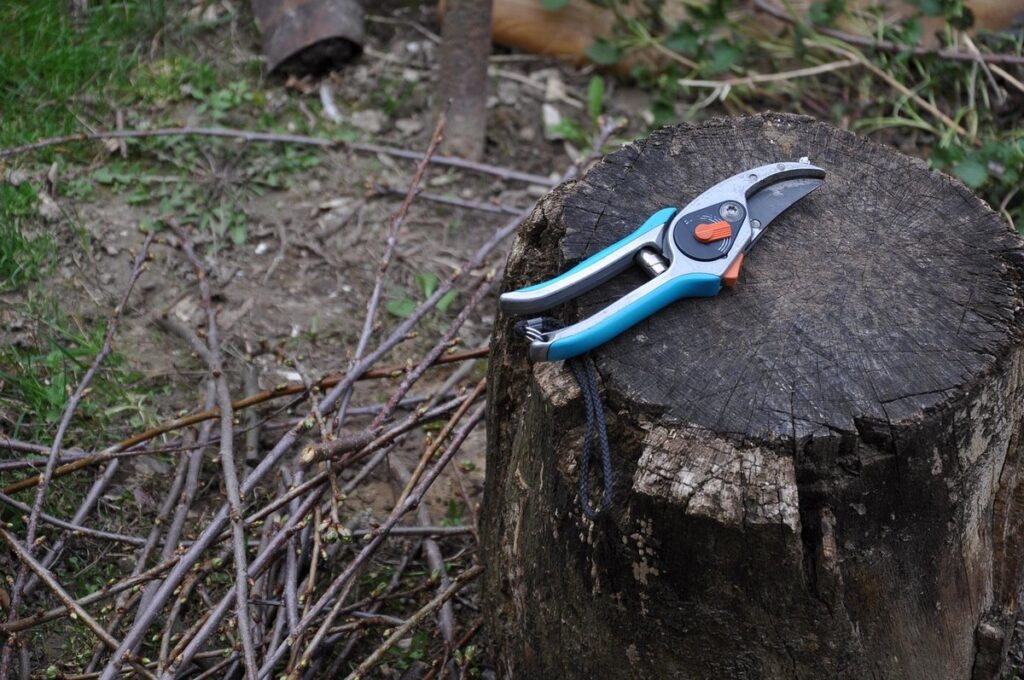
When it comes to pruning watermelon vines, having the right tools for the job is crucial. Pruning shears are an essential tool for any gardener, and they’re especially important when working with delicate watermelon vines. Look for a pair of high-carbon stainless steel or titanium-coated pruning shears that will resist rust and corrosion.
Loppers are also necessary for thicker branches that need to be cut back. Opt for bypass loppers with long handles (around 30-36 inches) for better leverage and control. These larger cutting tools will help you tackle thicker stems without straining your hands or wrists.
Finally, don’t underestimate the importance of gardening gloves when pruning watermelon vines. A good pair of gloves will protect your skin from thorns, cuts, and abrasions, making it easier to work with the plant without interruptions. Look for a durable, waterproof glove that provides grip and flexibility.
Remember, investing in quality tools may seem like an extra expense at first, but they’ll pay off in the long run by saving you time and effort when pruning your watermelon vines.
Step-by-Step Pruning Techniques for Watermelon Vines
When pruning watermelon vines, it’s essential to learn the right techniques to maintain their vigor and encourage healthy fruit production. This section will guide you through a step-by-step process for successful pruning.
Removing Dead or Damaged Growth
As you begin pruning your watermelon vines, it’s essential to identify and remove dead or damaged growth. This not only promotes healthy plant growth but also prevents the spread of disease. To do this, inspect your vines carefully, looking for signs of damage such as discoloration, brittleness, or blackening. Check for any dead or wilted leaves, which can be caused by factors like fungal infections, aphid infestations, or inadequate watering.
Gently snip off these damaged areas using a pair of clean pruning shears, making sure to disinfect the blades between cuts to prevent spreading disease. Remove any weak or spindly growth that’s not producing fruit, as this will direct the plant’s energy towards healthier development.
To encourage bushy growth and prevent vine legginess, consider removing lateral shoots growing at a 45-degree angle from the main stem. This will help maintain a balanced structure and promote better air circulation within the plant. Regularly inspect your vines to catch any issues early on, allowing you to respond promptly and keep your watermelon plants thriving.
Shaping the Vine Structure
Pruning lateral shoots and main stems is crucial to shaping the vine structure of your watermelon plant. This process not only helps control the plant’s growth but also promotes even fruiting and prevents disease. To start, examine your watermelon vine and identify the main stem, which should be thicker and more vigorous than the lateral shoots.
Begin by pruning any weak or damaged lateral shoots at the base, just above a node (where a leaf meets the stem). This will encourage the plant to focus its energy on developing stronger, healthier growth. Next, look for any crossing or rubbing branches that can cause damage to your fruit. Remove these by cutting them back to their point of origin.
By removing weaker shoots and promoting even growth, you’ll be able to train your watermelon vine into a more compact, manageable shape. This not only makes harvesting easier but also allows air to circulate around the plant, reducing the risk of disease. As you prune, remember that it’s better to make multiple small cuts than one large one, which can cause stress to the plant and lead to reduced yields.
Promoting Air Circulation and Sunlight Penetration
As you prune your watermelon vines, don’t forget to prioritize air circulation and sunlight penetration. These two factors are crucial for healthy growth and fruit production. When plants are crowded together, they can become more susceptible to disease and pests, which can lead to reduced yields.
To maintain good air circulation, make sure to remove any weak or spindly stems that might be rubbing against each other or growing inwards towards the center of the plant. This will create space between the vines for air to circulate freely. You should also prune any crossing branches to prevent them from rubbing together and causing damage.
Sunlight penetration is equally important, as it provides the energy your watermelon plants need to produce fruit. Prune back any overgrown sections or stems that are shading other parts of the plant. This will allow more sunlight to reach the leaves and increase photosynthesis, leading to healthier plants and a better harvest.
Advanced Pruning Techniques for Watermelon Vines
To take your watermelon vine pruning skills to the next level, we’ll dive into advanced techniques that will help you optimize your plant’s growth and production.
Lateral Pruning for Increased Yield
Lateral pruning is a crucial technique for watermelon vines that not only promotes healthy growth but also increases fruit production. By removing unwanted lateral shoots, you’re directing the vine’s energy towards producing more and larger fruits. This technique is especially beneficial during the reproductive stage of the plant.
To implement lateral pruning effectively, identify the primary fruiting branches on your watermelon vine and remove any weak or spindly growth near them. This will help to channel the vine’s resources towards the main fruiting sites, resulting in more abundant yields. You can also prune the tips of lateral shoots to encourage branching and promote a bushy appearance.
When pruning laterals, make clean cuts just above a node (where a leaf meets the stem) using sharp, sterile pruning tools. Avoid damaging the plant’s vascular tissue or leaving stubs that may become infected. Regular lateral pruning will help maintain your watermelon vine’s efficiency and encourage it to produce more fruit throughout the growing season.
Regular maintenance of laterals can result in up to 20-30% increase in yield by directing energy towards main fruiting sites, this is why incorporating this technique in your pruning schedule is highly recommended.
Disbudding: Removing Unwanted Buds
When it comes to promoting healthy growth and maximizing fruit quality on your watermelon vines, pruning is an essential technique. However, proper removal of unwanted buds is a crucial step that often gets overlooked.
Unwanted buds can drain the plant’s energy away from developing more valuable fruits. To identify these unwanted buds, look for them near the base of the stem or along the sides of the main stem. They will appear as smaller, undeveloped clusters of leaves and stems.
To remove an unwanted bud, simply snip it off with a pair of clean pruning shears just above a node – the joint where a leaf meets the stem. Make sure to disinfect your tools between each cut to prevent spreading diseases. For optimal results, do this removal process when the vines are young and still in their early stages of growth.
By doing so, you will direct the plant’s energy towards more productive growth, leading to a stronger, healthier vine that yields better-quality watermelons.
Post-Pruning Care for Watermelon Vines
Now that you’ve pruned your watermelon vines, it’s essential to provide them with the right care to promote healthy growth and encourage fruit production. This section will cover the post-pruning care needs of your watermelon vines.
Aftercare for Pruned Vines
After pruning your watermelon vines, it’s essential to provide them with the right aftercare to ensure they recover quickly and continue growing healthy. Watering is crucial during this period as the vines are vulnerable to stress caused by pruning.
Water your vines thoroughly after pruning, making sure the soil is moist but not waterlogged. Reduce watering to once a week as the weather cools down in autumn or spring. Monitor the vines’ response to moisture levels and adjust accordingly.
Fertilization should also be done promptly after pruning to promote healthy growth. A balanced fertilizer with nitrogen, phosphorus, and potassium will provide your vines with essential nutrients for recovery and development. Apply it according to the manufacturer’s instructions, taking into account your soil type and pH level.
Pest management is another critical aspect of after-pruning care. Regularly inspect your vines for signs of pests like aphids, whiteflies, or spider mites, which can take advantage of the stress caused by pruning. Use organic pest control methods whenever possible to maintain a healthy environment for your watermelon vines.
Monitoring Vine Health and Adjusting Pruning Strategy
Monitoring vine health after pruning is crucial to ensure optimal growth and fruit production. As you inspect your watermelon vines post-pruning, look out for signs of stress such as yellowing leaves, droopy stems, or reduced vigor. These symptoms could be due to factors like nutrient deficiencies, drought, or pests.
Regularly monitoring your vines will help you identify potential issues early on, allowing for timely adjustments to pruning strategies. For instance, if you notice excessive vine growth after pruning, it may indicate that the plant is not receiving enough nutrients. In this case, consider supplementing with a balanced fertilizer to promote healthy growth.
Conversely, if your vines appear weak and spindly, it could be a sign of over-pruning. To adjust for this, focus on selective thinning to allow more sunlight to reach developing fruit while maintaining air circulation to prevent disease.
Keep in mind that vine behavior can vary depending on factors like climate, soil type, and cultivar. By monitoring your vines’ response to pruning and adjusting strategies accordingly, you’ll be better equipped to produce healthy, high-yielding watermelon plants.
Common Mistakes to Avoid When Pruning Watermelon Vines
Don’t let over-pruning ruin your watermelon harvest! This crucial section highlights the common mistakes gardeners make when pruning their watermelon vines, helping you avoid them altogether.
Over-Pruning: A Common Pitfall
Over-pruning is a common mistake many gardeners make when tending to their watermelon vines. While pruning can help control the plant’s spread and promote healthy growth, over-pruning can do more harm than good. When you remove too much of the vine, you risk reducing yields, as the plant may not have enough resources to produce a full crop.
Not only will over-pruning lead to reduced yields, but it will also make your watermelon vines more susceptible to pests and diseases. The stress caused by excessive pruning can weaken the plant’s immune system, making it easier for unwanted visitors like aphids, whiteflies, and powdery mildew to take hold.
In addition to these issues, over-pruning can also decrease plant vigor, leading to a less robust and less productive vine overall. This is especially true if you’re pruning too much of the new growth, as this is where the plant’s energy reserves are stored. To avoid over-pruning, be sure to only remove what’s absolutely necessary – any weak or damaged vines, for example – and leave enough foliage to support a healthy crop.
Under-Pruning: Failing to Remove Damaged Growth
When it comes to pruning watermelon vines, under-pruning is a common mistake that can have severe consequences for your crop’s health and productivity. Under-pruning occurs when you fail to remove damaged growth from the vine, allowing diseased or infested areas to continue producing fruit.
This neglect can lead to the spread of diseases such as powdery mildew, fusarium wilt, and anthracnose, which can quickly devastate your watermelon crop. Fungal infections can also weaken the plant’s immune system, making it more susceptible to pests like aphids, whiteflies, and squash bugs.
As a result, you may notice a decrease in fruit size, quality, and yield. Infected areas can produce misshapen or deformed fruits, while healthy growth is slowed down due to the competition for nutrients and resources.
To avoid under-pruning, inspect your watermelon vines regularly, removing any damaged or diseased growth immediately. Cut back the infected area about 1-2 inches from the point of infection, making a fresh cut with clean pruning tools to prevent further spread.
Conclusion: Mastering Watermelon Vine Pruning for Success
Now that you’ve learned how to prune your watermelon vines, let’s review what we’ve covered and provide a few final tips for mastering this crucial skill.
Recap of Key Takeaways
As we conclude our comprehensive guide to watermelon vine pruning, let’s recap the key takeaways that will help you master this crucial aspect of successful watermelon cultivation.
One of the most important pruning principles we discussed is the need for timely removal of weak and spindly growth. By regularly pruning out these shoots, you allow your plant to focus its energy on producing strong, fruit-bearing vines. We also emphasized the importance of maintaining a balanced canopy through strategic pruning cuts, ensuring that sunlight reaches all areas of the plant.
Another crucial technique we covered is thinning, where you selectively remove certain leaves or stems to optimize air circulation and reduce disease susceptibility. This simple yet effective method can significantly boost your crop’s chances of healthy growth and high yields.
Proper pruning also involves identifying and removing suckers – shoots that grow from the base of the plant but don’t contribute to fruit production. By eliminating these non-productive areas, you redirect the plant’s energy towards developing a robust root system and strong vines capable of supporting heavy fruit loads.
It’s also essential to keep in mind the pruning schedule we outlined for watermelon cultivation. Regular pruning throughout the growing season will help maintain your plant’s overall health and promote optimal fruit growth.
To put these key takeaways into practice, remember that pruning is an ongoing process, not a one-time task. Set aside regular time slots each week or every 7-10 days to prune your watermelon vines, making adjustments as needed based on the specific needs of your plant. With this consistent approach and a solid understanding of these key principles and techniques, you’ll be well on your way to successfully cultivating delicious and bountiful watermelons.
Frequently Asked Questions
What is the ideal time to prune watermelon vines for maximum yield?
The best time to prune watermelon vines depends on their stage of growth. If you’re pruning young seedlings, wait until they have at least two sets of leaves. For established vines, prune during the fruiting stage when the melons are about 1-2 inches in diameter. This allows you to redirect energy towards fruit production and increase yields.
How often should I water my pruned watermelon vines?
Watered properly after pruning will be key for a successful harvest! Water your pruned watermelon vines as needed, but avoid overwatering which can lead to root rot and other issues. Check the soil daily, keeping it consistently moist but not waterlogged.
Can I prune watermelon vines in direct sunlight or is this detrimental?
Pruning your watermelon vines during a cloudy day may be beneficial, especially when using pruning shears near the roots. However, if you’re working with loppers or pruning saws on established plants, pruning in direct sunlight can help prevent pests and diseases by promoting air circulation.
Will over-pruning harm my watermelon plant?
Yes, over-pruning can significantly damage your watermelon plant, especially during critical growth stages. Be cautious not to remove too much foliage or fruiting wood at once, as this can shock the plant and lead to reduced yields or even plant death.
How do I handle pests and diseases on pruned watermelon vines?
Inspect your pruned watermelon vines regularly for signs of pests or diseases. If you notice any issues, take prompt action using integrated pest management (IPM) techniques such as removing affected areas, spraying with organic pest control methods, and ensuring proper air circulation to prevent future occurrences.