
Pumpkin season is in full swing, but are you getting the most out of your harvest? One crucial aspect of growing pumpkins is often overlooked: pollination. Without proper pollination, even the healthiest pumpkin plants can yield poor results or no fruit at all. To boost your harvest and ensure a successful crop, creating a pollinator-friendly environment is essential. This means providing a welcoming space for bees and other beneficial insects to collect nectar and transfer pollen between flowers. In this article, we’ll share expert pumpkin pollination tips on how to optimize layout, overcome common challenges, and create the perfect conditions for your pumpkins to thrive. By implementing these simple yet effective strategies, you’ll be well on your way to a bountiful and stress-free harvest.
Understanding Pumpkin Pollination Basics
Let’s dive into the basics of pumpkin pollination, where we’ll explore how bees and other visitors help your pumpkins grow, and what you can do to encourage this process. We’ll cover the fundamentals first.
The Importance of Pollinators
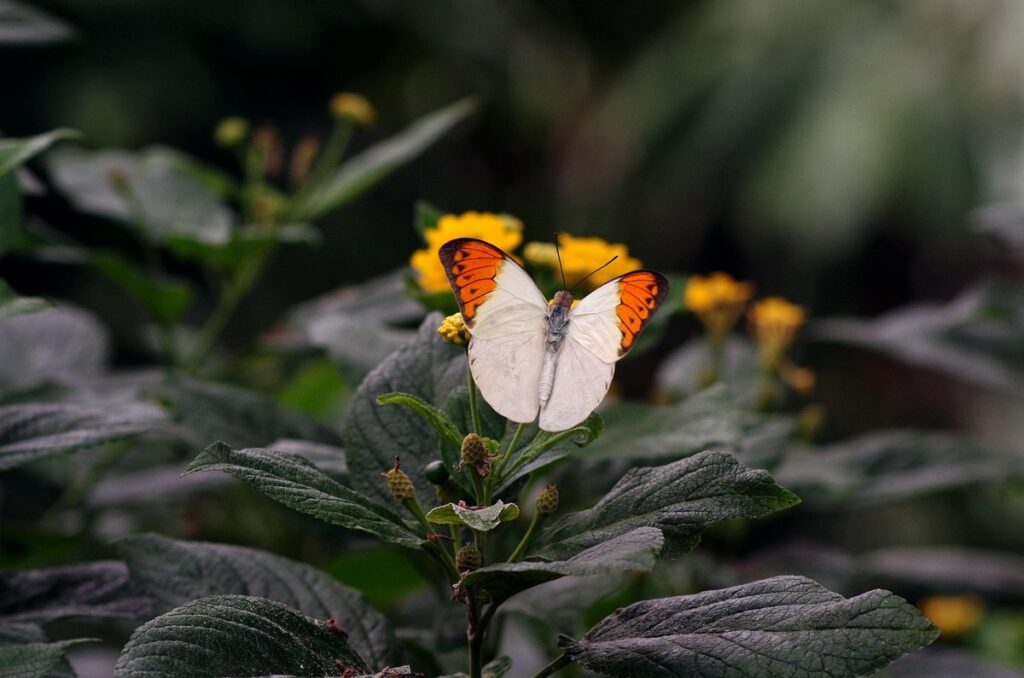
Pollinators like bees and butterflies are the unsung heroes of pumpkin reproduction. Without them, your pumpkins would struggle to produce viable seeds, affecting not only their yield but also their quality. In fact, it’s estimated that one-third of all crops globally rely on animal pollination, including pumpkins.
When a bee visits a pumpkin flower, it collects nectar and inadvertently transfers pollen from the male reproductive organ (anther) to the female stigma. This process is called pollination, and it’s essential for seed production. Without this transfer of pollen, your pumpkin will not produce viable seeds, even if it produces fruit.
Bees are particularly important for pumpkin pollination due to their ability to visit numerous flowers in a single trip, increasing the chances of successful pollination. To attract more bees to your pumpkin patch, consider planting bee-friendly flowers like sunflowers or zinnias near your vines. By doing so, you’ll not only boost pollination but also support the local bee population.
Identifying Male and Female Flowers
Understanding the role of male and female flowers in pumpkin pollination is crucial for a bountiful harvest. To identify these essential components, let’s first look at their appearances. Male flowers typically have long, thin stems and solitary blooms, while female flowers grow from the main vine with smaller, clustered blooms.
When it comes to growth habits, male flowers often emerge before the female flowers and are located near the base of the plant. They produce pollen that fertilizes the egg cells in the female flowers. Female flowers, on the other hand, are responsible for producing seeds and require successful pollination by male flowers.
To confirm you have both types of flowers, inspect your pumpkin plants closely. Male flowers tend to drop their pollen shortly after pollination, leaving behind a noticeable yellow or white powdery coating on nearby surfaces.
The Role of Wind in Pollination
When it comes to pumpkin pollination, many people assume that bees are solely responsible for transferring pollen from the anthers to the stigma. While they do play a significant role, wind also plays a crucial part in this process – especially for varieties with wind-pollinated characteristics.
Wind-borne pollination occurs when the delicate pollen grains from the anther of one plant are carried away by the breeze and land on the stigma of another plant. This method is particularly effective for pumpkin varieties that have been bred specifically to be self-incompatible, meaning they can’t pollinate themselves. These plants rely heavily on external factors like wind to facilitate the transfer of pollen.
In fact, research has shown that wind-borne pollen is responsible for a significant portion of pumpkin pollination – up to 70% in some cases! To maximize the benefits of wind-borne pollination, consider planting your pumpkins in an open area with good air circulation. Avoid dense plantings or those with tall structures nearby that could block or disrupt airflow.
Preparing Your Pumpkin Patch for Optimal Pollination
To ensure your pumpkin patch receives the pollination it needs, start by selecting a variety of pumpkins that are well-suited to cross-pollination. This step is crucial for a bountiful harvest!
Choosing the Right Variety
When it comes to growing pumpkins, choosing the right variety is crucial for optimal pollination and a bountiful harvest. Not all pumpkin varieties are created equal, and some may perform better than others in your specific region’s climate. Selecting a variety that’s well-suited for your area will not only increase your chances of successful pollination but also ensure you’re growing pumpkins that thrive in the local conditions.
Consider factors like frost tolerance, disease resistance, and growth habits when selecting a pumpkin variety. For example, if you live in an area with short summers or frequent frosts, choose a variety that matures quickly (around 100 days) and is resistant to powdery mildew. Similarly, if you’re growing pumpkins in a region prone to heavy rainfall, opt for a variety with compact growth habits and improved waterlogging tolerance.
Some popular pumpkin varieties known for their pollinator-friendliness include ‘Jack Be Little’, ‘Baby Boo’, and ‘Sugar Pie’. These varieties not only produce plenty of blooms but also have the right balance of female flowers (which need to be pollinated) and male flowers (which produce pollen).
Creating a Pollinator-Friendly Environment
Creating a pollinator-friendly environment is crucial for optimal pumpkin pollination. By incorporating native plants, reducing pesticides, and maintaining soil health, you’ll be inviting beneficial insects like bees and butterflies to visit your patch.
Start by selecting native plant species that bloom during the same season as your pumpkins. These will serve as a rich source of nectar and pollen, providing sustenance for pollinators when they need it most. Some excellent choices include coneflower, black-eyed Susan, and sunflower. Plant them around the perimeter of your patch or intersperse them throughout to create a diverse landscape.
Limit pesticide use in your pumpkin patch as these can harm or kill beneficial insects. Instead, adopt integrated pest management strategies like introducing natural predators, practicing good sanitation, and using physical barriers to control pests. By doing so, you’ll be creating a haven for pollinators while still protecting your crop from damage.
Maintaining soil health is also essential for attracting pollinators. Add organic matter like compost or manure to improve the structure and fertility of your soil. This will not only attract beneficial insects but also promote healthy plant growth, leading to a more productive pumpkin harvest.
Optimizing Your Pumpkin Patch Layout
When it comes to creating an optimal environment for pumpkin pollination, the layout of your patch plays a crucial role. Arranging your pumpkins to maximize sunlight exposure is essential for healthy growth and development. Consider placing taller varieties towards the north or west side of the patch to avoid shading smaller plants.
Air circulation is also vital for preventing disease and promoting pollination. By leaving enough space between each plant (about 3-5 feet), you’ll allow bees and other pollinators to easily access nectar-rich flowers. This will not only boost pollination but also reduce the risk of fungal diseases that thrive in humid conditions.
Finally, ensure your pumpkin patch is easily accessible for pollinators by incorporating a mix of native wildflowers and herbs, which will provide a constant source of food and shelter for beneficial insects. Planting companion flowers like sunflowers or zinnias near your pumpkins can also attract pollinators and add visual appeal to the area.
By optimizing your pumpkin patch layout, you’ll create an environment that promotes healthy growth, boosts pollination, and ultimately leads to a bountiful harvest.
Techniques for Enhancing Pollination
To ensure a bountiful harvest, let’s dive into some valuable techniques that can enhance pollination and increase the chances of successful seed production. We’ll explore these methods in detail.
Hand Pollination Methods
When it comes to hand pollination methods, you have several options to ensure successful pumpkin pollination. One common technique is using a small brush to transfer pollen between flowers. Dip the bristles of the brush into the anther (the pollen-producing part) of one flower and then gently sweep them across the stigma (the pollen-receiving part) of another flower. This method allows for precise control over the amount of pollen transferred, reducing the risk of over-pollination.
Another technique is to use a cotton swab to collect and transfer pollen. Dampen the cotton end with water, then rub it against the anther to pick up pollen grains. Gently apply the swab to the stigma of another flower, making sure not to touch any other parts of the plant to avoid cross-contamination.
It’s essential to perform hand pollination in the morning when the flowers are fully open and receptive to pollen transfer. Avoid touching the delicate reproductive structures to minimize damage. By mastering these hand pollination techniques, you’ll be well on your way to a bountiful pumpkin harvest.
Using Bees as Nature’s Pollinators
When it comes to pumpkin pollination, bees are one of nature’s best allies. These tiny creatures play a crucial role in transferring pollen between pumpkin flowers, facilitating the reproduction process that leads to a bountiful harvest. However, many bee populations face threats such as habitat loss, pesticide use, and climate change.
To support local bee populations and enhance pollination, consider providing bee hotels or creating bee-friendly habitats around your pumpkin patch. Bee hotels offer a safe haven for solitary bees to nest and lay their eggs, while also serving as a source of shelter from harsh weather conditions. To create a bee hotel, gather materials such as bamboo tubes, hollow reeds, or wooden blocks and stack them in a pyramid shape. Add some mud or clay to the structure to provide insulation and protection.
By providing a welcoming environment for bees, you can encourage them to frequent your pumpkin patch and increase pollination rates. Plant a mix of flowers that are rich in nectar and pollen, such as sunflowers, zinnias, or cosmos, which will serve as a food source for the bees while they visit your pumpkins.
Other Methods of Enhancing Pollination
In addition to optimizing pumpkin growth and providing a welcoming environment for pollinators, there are several other methods you can employ to enhance pollination in your patch. One effective way is by incorporating pollinator-attracting plants into the surrounding area. These plants, such as sunflowers, zinnias, and cosmos, not only provide a source of nectar but also serve as a habitat for beneficial insects.
Modifying the microclimate within your pumpkin patch can also have a significant impact on pollination rates. By creating a more conducive environment, you can encourage pollinators to spend more time in the area. This can be achieved by introducing water features or installing windbreaks to reduce temperature fluctuations. For instance, using mulch to retain moisture and regulate soil temperatures can make your pumpkin patch a more attractive destination for pollinators.
Biological pest control measures are another crucial aspect of maintaining a healthy pumpkin patch. By attracting beneficial insects like lacewings and ladybugs, you can effectively manage pests without the need for pesticides.
Overcoming Common Pollination Challenges
You’re likely facing some common obstacles when it comes to pollinating your pumpkin plants, and we’ve got the solutions you need right here. From bees to weather conditions, let’s tackle them head-on.
Managing Weather-Related Issues
Weather-related issues can significantly impact pumpkin pollination, leading to reduced yields and poor fruit quality. Extreme heat stress, drought, or excessive rainfall can all disrupt the delicate balance necessary for effective pollination.
To mitigate the effects of heat stress, ensure that your pumpkin plants receive adequate water, especially during hot periods. Mulching around the base of the plants helps retain moisture in the soil, reducing evaporation and minimizing the risk of drought stress. Avoid watering during peak sun hours to prevent excessive water loss through transpiration. Monitor temperature fluctuations and consider providing shade for your plants if temperatures are expected to soar above 85°F (30°C).
In contrast, excessive rainfall can lead to fungal diseases that compromise pollination. Implement good drainage practices by ensuring the soil is well-draining and avoid planting in low-lying areas prone to waterlogging. Regularly inspect your plants for signs of disease and take prompt action if necessary.
Dealing with Pests and Diseases
When it comes to pumpkin pollination, managing pests and diseases is crucial to ensure a healthy crop. A single outbreak can compromise pollination efforts, leading to reduced yields and lower quality pumpkins. Integrated Pest Management (IPM) strategies are a key approach to controlling pests and diseases without harming the environment or your harvest.
Start by monitoring your pumpkin patch regularly for signs of pests and diseases. Keep an eye out for aphids, whiteflies, and squash bugs, which can spread diseases like powdery mildew and downy mildew. Use physical barriers, such as fine mesh row covers, to prevent these pests from reaching your plants.
For more severe infestations or diseases, consider using organic pesticides or fungicides. Neem oil and insecticidal soap are effective against a range of pests, while copper-based fungicides can help control fungal infections. Always follow the label instructions and take necessary precautions to avoid harming beneficial insects like bees and butterflies. By adopting an IPM approach, you’ll not only protect your pollination efforts but also promote a healthier and more resilient pumpkin crop.
Addressing Soil-Related Issues
Maintaining healthy soil conditions is crucial for optimal pumpkin pollination. Soil fertility, pH balance, and nutrient availability are key factors to consider when addressing potential issues that might impact pollination.
Adequate soil fertility ensures that your pumpkins receive the necessary nutrients for growth and development. Nitrogen-rich fertilizers can promote leafy growth, while phosphorus helps with fruit formation. However, over-fertilization can lead to an imbalance in nutrient availability. For instance, excessive nitrogen can cause a buildup of sugars in the plant, making it less attractive to pollinators.
To check your soil’s pH balance, you can use a DIY testing kit or send a sample to a lab for analysis. Most pumpkins thrive in slightly acidic to neutral soils (pH 6.0-7.0). Alkaline soils can lead to nutrient deficiencies and reduced plant vigor. Adjusting the pH through lime application can be a straightforward process.
It’s also essential to ensure that your soil has sufficient water-holding capacity, particularly during hot summer months when pumpkins are most vulnerable to drought stress. Incorporating organic matter like compost or well-rotted manure into your soil can help improve its structure and retention capabilities.
Monitoring and Maintaining Your Pumpkin Patch
Now that you’ve got your pumpkins pollinated, it’s time to make sure they get the care they need to thrive. This is where regular monitoring and maintenance come in to boost your harvest.
Tracking Pollination Progress
As you monitor the progress of pollination in your pumpkin patch, it’s essential to track success and make necessary adjustments. One way to do this is by observing flower development. Watch for changes in the color and shape of the flowers, as well as their position on the plant. As the season progresses, notice when flowers start to wilt or drop off – this could be a sign that pollination is occurring.
Another indicator of successful pollination is noting changes in leaf growth. Keep an eye out for new leaves emerging from the stem, and assess their color and size compared to previous seasons. Healthy plants with adequate nutrients will typically produce vibrant green leaves, while stressed or undernourished plants may have pale or curled leaves.
You can also use data loggers to track environmental conditions that affect pollination. This includes temperature, humidity, wind speed, and precipitation levels. For instance, cooler temperatures (around 65°F) are ideal for pumpkin pollination.
Managing Water and Nutrient Supply
Adequate water and nutrient supply are essential for pumpkin plants to thrive, which in turn supports successful pollination. To optimize water delivery systems, consider installing drip irrigation that delivers water directly to the roots, reducing evaporation and runoff. This method also allows you to apply precise amounts of moisture, taking into account factors such as soil type, temperature, and humidity.
In terms of nutrient supply, a balanced fertilizer application is crucial for pumpkin growth. Aim for a ratio of 5-10-10 (nitrogen-phosphorus-potassium) or follow the recommended fertilization schedule for your specific variety. Organic options like compost tea can also provide essential micronutrients while promoting beneficial soil microorganisms.
Regular monitoring of plant moisture levels and adjusting irrigation schedules accordingly will help prevent overwatering, which can lead to fungal diseases that compromise pollination success. Similarly, maintaining optimal nutrient levels through regular fertilization and mulching ensures a robust plant capable of supporting healthy pollinator activity.
Maintaining Records and Evaluating Progress
Keeping detailed records of your pumpkin patch’s performance is crucial for long-term success. Start by tracking yields, noting the weight and size of each harvested pumpkin. This information will help you identify areas where improvements can be made, such as optimizing soil quality or adjusting irrigation schedules.
Monitor weather patterns closely, recording temperature fluctuations, precipitation levels, and sunlight hours. Extreme weather events can significantly impact pollination rates, so documenting these occurrences will enable you to adjust your strategies accordingly. Don’t forget to note any pest management activities, including the types of pests encountered and the effectiveness of control methods used.
Regularly reviewing your records will allow you to identify trends and patterns in your patch’s performance. This data will inform decisions about crop rotation, fertilizer applications, and pruning techniques – all essential for maximizing pollination rates and yields. By maintaining a thorough record-keeping system, you’ll be better equipped to optimize your pumpkin patch’s conditions and boost its overall productivity.
Frequently Asked Questions
Can I still grow pumpkins without bees on my property?
Yes, it’s possible to grow pumpkins even without a natural bee population nearby. You can consider using other pollinators like butterflies or hand-pollination methods to transfer pollen between flowers.
How do I know if my pumpkin patch is attracting the right type of pollinators?
To attract beneficial pollinators, make sure your pumpkin patch has an abundance of nectar-rich flowers and provides shelter from harsh weather conditions. Incorporate a variety of plants with different blooming times to ensure a constant source of food for pollinators throughout the season.
What’s the best way to handle common pests that disrupt pollination?
Common pests like aphids, whiteflies, or squash bugs can harm your pumpkin crop and impede pollination. Use integrated pest management techniques by combining physical barriers, sticky traps, and natural predators to control infestations before they become severe.
Can I plant multiple types of pumpkins in a single patch without compromising pollination?
Yes, growing different varieties of pumpkins together can benefit pollinators due to the diverse range of flowers. However, ensure that the mature plants have sufficient space between them and are well-maintained to promote efficient cross-pollination.
How do I troubleshoot if my pumpkin flowers aren’t receiving enough pollen?
If you notice a lack of pollen or inefficient transfer between flowers, inspect your plants for any signs of disease or pests. Also, consider factors like weather conditions, soil quality, and the proximity of male and female flowers to determine where improvements can be made to optimize pollination.