
As a gardener, there’s nothing quite like the satisfaction of watching your squash plants thrive. But when squash bugs infest your garden, they can quickly turn that joy into frustration. These pesky insects can cause significant damage to your crops, reducing yields and leaving you with a disappointing harvest. Identifying squash bug infestations early is crucial to preventing long-term damage. That’s where this article comes in – we’ll explore effective organic and chemical methods for controlling squash bugs, including how to use natural predators and implement long-term management strategies. By the end of this post, you’ll be equipped with the knowledge to protect your garden from these unwanted pests and enjoy a healthy, thriving crop.
Understanding Squash Bugs
Let’s dive into what these pesky bugs look like and how to identify them before we get started on prevention and removal methods. Recognizing squash bug infestations is key to taking control of your garden.
What Are Squash Bugs?
If you’ve ever grown squash or other cucurbit plants, chances are you’re familiar with squash bugs. These pesky insects are a common problem for gardeners, and if left unchecked, can cause significant damage to your crops.
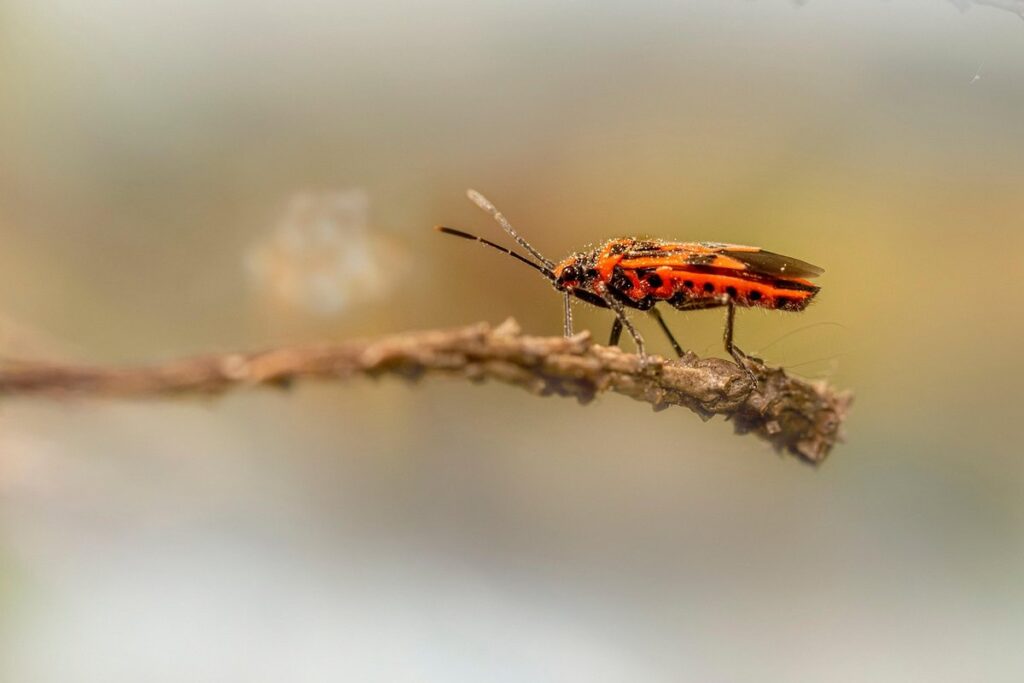
Squash bugs are flat, shield-shaped insects that feed on the sap of squash plants. They have a distinctive oval shape, typically ranging in length from 5/8 inch to 1 inch (16-25 mm), with a brownish-red color and six legs. These insects thrive in warm temperatures and can be found hiding under leaves or in the soil near your plants.
When they feed on the sap of squash plants, squash bugs cause damage that can lead to stunted growth, yellowing leaves, and even plant death. This feeding behavior is often accompanied by a sweet, sticky substance called honeydew, which attracts other pests and promotes fungal growth.
To identify squash bugs in your garden, look for these signs: wilting or curled leaves, small black spots on the stems, and clusters of eggs laid under leaves or on the plant’s underside.
Life Cycle and Behavior of Squash Bugs
Squash bugs undergo complete metamorphosis, which means their life cycle consists of four distinct stages: egg, nymph, adult, and eventually the reproductive adult. Female squash bugs lay eggs on the underside of leaves, typically during spring or early summer. The female can lay up to 20 eggs at a time, which hatch into small, yellowish nymphs within two weeks.
These nymphs resemble tiny versions of adults and feed by piercing plant tissues using their rostrum. As they grow, nymphs molt several times before reaching adulthood in approximately three weeks. Adult squash bugs are about 1/4 inch long, brown or gray with distinctive white markings, and have a hump-like appearance on their back.
Adult squash bugs begin to reproduce shortly after feeding starts, which is usually during the summer months. A female can lay up to 50 eggs per week, ensuring their population grows rapidly. Female squash bugs mate with multiple males, resulting in fertilized eggs being laid near potential food sources. As the life cycle of squash bugs progresses, it’s essential for gardeners to understand that controlling these pests requires a comprehensive approach that includes monitoring, cultural practices, and targeted treatments.
Identifying Infestations
To effectively control squash bugs, it’s crucial you can identify when your plants are infested. This section will walk you through the signs and symptoms to look out for in your garden.
Visual Inspection for Signs of Squash Bug Damage
When inspecting your squash plants, it’s crucial to identify signs of infestation before they spread. A visual inspection can help you detect squash bug damage early on, preventing further harm to your crops. Start by examining the leaves and stems of your plants. Look for yellowing leaves or those with black spots – these are often the first signs of squash bug feeding.
Next, inspect the stems, checking for curled or twisted growth patterns. Squash bugs can cause the stems to become brittle and discolored, making them more susceptible to damage from other pests or diseases. Check the undersides of leaves as well, as this is where squash bugs tend to hide.
To further confirm a squash bug infestation, gently remove any affected leaves or stems to inspect for eggs or actual bugs. Keep an eye out for eggs in clusters on the underside of leaves, and adult squash bugs will likely be found hiding on the undersides of leaves or along plant stems.
Common Places to Find Squash Bugs
When inspecting your squash plants for signs of infestation, it’s essential to know where to look. Squash bugs tend to congregate in specific areas of the plant, making them easier to detect and manage. Under leaf axils are a prime location, as these pests often hide among the dense foliage, protected from view.
Along plant stems, particularly near the base of the stem, is another area to focus on. Squash bugs will frequently cluster together, their distinctive red coloration blending in with the surrounding leaves. Be sure to examine both sides of the leaf and check for any tiny white spots or eggs that may be present.
In addition to these areas, squash bugs can also be found near the soil line, where they often feed on the sap of the plant’s roots. As you inspect your plants, gently lift up the leaves and peer underneath, looking for any signs of pests in these common congregating areas. Remember, early detection is key to effective squash bug control, so keep a close eye on your plants throughout the growing season.
Organic Methods for Squash Bug Control
When it comes to squash bug control, you’ll want to try these gentle yet effective methods that prioritize your garden’s ecosystem and eliminate harsh chemicals. We’ll explore some organic approaches together.
Introduction to Organic Control
When it comes to controlling squash bug populations, many gardeners turn to conventional pesticides as their go-to solution. However, these chemicals can harm beneficial insects, contaminate soil and water, and even pose health risks to humans and pets. That’s why organic methods of control are gaining popularity among gardeners who want to maintain a healthy, thriving ecosystem in their gardens.
Organic control methods for squash bugs focus on disrupting the life cycle of the insect through natural means. This can be achieved by introducing beneficial insects that prey on squash bugs, such as ladybugs or lacewings, into your garden. You can also use physical barriers like fine mesh or fine netting to prevent adult squash bugs from reaching your plants.
Another effective organic method is to encourage the growth of beneficial plants alongside your squash crop. Plants like nasturtiums and calendula repel squash bugs, while others like radishes and marigolds attract beneficial insects that prey on them. By incorporating these methods into your gardening routine, you can reduce squash bug populations without harming the environment or your family’s health.
Neem Oil and Soap Solution Recipes
When it comes to controlling squash bugs without harming beneficial insects, neem oil and soap solutions are two effective alternatives. Here’s a simple recipe for each solution that you can easily make at home.
Neem Oil Solution
To prepare the neem oil solution, mix 2-3% neem oil with water in a spray bottle. For example, if you’re using a 100ml spray bottle, add 2-6 ml of neem oil to it and fill the rest with water. You can also use neem oil as a concentrate by mixing it with dish soap or insecticidal soap at the ratio of 1:10.
Soap Solution
For a soap solution, mix 1 tablespoon of mild liquid soap (preferably fragrance-free) with 1 quart of water in a spray bottle. Stir well and shake before each use to ensure the soap is evenly distributed throughout the mixture. Use this solution as a last resort, as it can also harm beneficial insects.
Remember to always spot test any new solutions on a small area of your plant before spraying the entire thing to avoid any damage. Apply these solutions regularly, ideally every 7-10 days, to effectively deter squash bugs and maintain a healthy garden ecosystem.
Chemical Controls for Severe Infestations
If you’re dealing with severe squash bug infestations, chemical controls can be a last resort to save your garden. We’ll explore effective chemicals and application methods here.
Overview of Insecticides Effective Against Squash Bugs
When it comes to controlling severe squash bug infestations, chemical controls can be an effective measure. However, it’s essential to use these methods judiciously and under the guidance of a local agricultural expert or extension service.
Some of the most effective insecticides against squash bugs include neonicotinoids such as imidacloprid (e.g., Marathon), pyrethroids like permethrin (e.g., Pounce), and organophosphates like malathion. These active ingredients can be applied through a variety of methods, including soil drenches, foliar sprays, or seed treatments.
When using these chemicals, it’s crucial to follow the label instructions carefully and take necessary precautions to minimize risks to humans, pets, and the environment. For example, apply insecticides in the evening when bees are less active, and avoid spraying during peak sun hours to prevent drift onto nearby plants or waterways.
If possible, consider using Integrated Pest Management (IPM) strategies that combine chemical controls with cultural practices like crop rotation, sanitation, and biological control methods. This holistic approach can help reduce the need for chemical pesticides while maintaining a healthy and productive garden.
Precautions When Using Chemical Controls
When using chemical controls to manage severe squash bug infestations, it’s crucial to exercise caution and follow essential precautions to avoid harming people, pets, or beneficial insects in the garden. Always read and follow the label instructions for the specific insecticide you’re using, as some products may have unique application requirements.
To minimize risks, ensure good ventilation when applying chemical controls, either by spraying during early morning or evening hours when temperatures are lower or by positioning yourself upwind of the area being treated. This will help prevent inhaling any potentially hazardous fumes. Wear protective clothing, including gloves and a long-sleeved shirt, to prevent direct contact with the insecticide.
When using chemical controls, also take steps to safeguard beneficial insects in your garden, such as bees and butterflies. Avoid spraying during peak pollination hours or when these beneficial insects are present on plants. Instead, try to target specific areas of infestation rather than applying a broad, blanket treatment that may harm unintended targets.
Cultural and Biological Controls
While chemical pesticides can be effective, they’re not always the best solution for squash bug control. In this next section, we’ll explore more gentle yet equally potent methods to keep your garden thriving.
Crop Rotation and Companion Planting Strategies
When it comes to managing squash bug populations, incorporating crop rotation and companion planting strategies into your garden plan can be a game-changer. By rotating your crops and selecting the right companions, you can disrupt the life cycle of squash bugs, reduce their numbers, and create a more balanced ecosystem.
To start, focus on rotating your crops to break the squash bug’s life cycle. For example, if you’re growing cucumbers in a particular spot, try switching to a different crop like tomatoes or peppers for the next season. This will give the soil time to recover and reduce the likelihood of squash bugs laying eggs nearby.
Some excellent companion plants that repel or attract beneficial insects include:
* Nasturtiums, which release chemicals that deter aphids and whiteflies
* Radishes, which attract cucumber beetles and their natural predators
* Basil, which repels flies and mosquitoes
* Marigolds, which deter nematodes and other pests
By incorporating these techniques into your garden plan, you can reduce the pressure on beneficial insects to control squash bug populations and promote a more balanced ecosystem.
Encouraging Natural Predators of Squash Bugs
Encouraging natural predators of squash bugs is an essential step in maintaining a balanced garden ecosystem. These beneficial insects, such as lady beetles and lacewings, feed on squash bug eggs, nymphs, and adults, helping to regulate their populations. By preserving these natural predators, you can reduce the need for chemical controls and create a healthier environment for your plants.
To attract these beneficial insects, consider creating a diverse garden with a variety of flowers that provide nectar and shelter for them. Plant species like marigold, sunflower, and dill are known to attract lady beetles, while milkweed and cosmos can lure lacewings into your garden. Avoid using broad-spectrum pesticides, which can harm or kill these beneficial insects.
By incorporating these natural predators into your garden ecosystem, you’ll be reducing the pressure on your squash plants and creating a more resilient garden environment.
Preventative Measures for Future Seasons
Now that you’ve learned how to control squash bugs, it’s time to think ahead and prevent future infestations by taking proactive steps in your garden. Here are some essential preventative measures to consider.
Timing and Frequency of Inspections
When it comes to preventing squash bug infestations from taking over your garden, timing and frequency of inspections are crucial. Catching these pests early on can make all the difference in minimizing damage and reducing the need for chemical interventions.
To schedule regular inspections effectively, consider dedicating a specific day each week or every two weeks to monitor your plants closely. This allows you to identify potential issues before they escalate into full-blown infestations. Start by examining the undersides of leaves, as squash bugs often hide in these areas.
Some key signs of an impending infestation include yellowing or curling leaves, tiny eggs on plant stems, and adult bug sightings during your inspections. If you notice any of these warning signs, act quickly to contain the issue. Implement a targeted removal plan by removing heavily infested plants from the garden and disposing of them properly.
Remember that squash bugs are most active during warm summer months, so adjust your inspection schedule accordingly.
Long-Term Strategies for Squash Bug Management
To maintain a healthy squash crop and prevent future infestations, it’s essential to integrate multiple control methods into a long-term management plan. This approach will not only help you combat the squash bug problem but also promote ecological balance in your garden.
Start by identifying the underlying causes of the infestation. Is it due to poor soil quality, inadequate pest management, or favorable weather conditions? Once you’ve identified the root cause, you can implement targeted strategies to prevent future occurrences. For instance, incorporating crop rotation and companion planting can help disrupt the life cycle of the squash bug.
Another key aspect is maintaining a diverse and balanced ecosystem in your garden. This can be achieved by introducing beneficial insects, such as ladybugs or lacewings, which prey on squash bugs. Additionally, adopting integrated pest management (IPM) techniques that combine physical barriers, cultural controls, and biological methods will provide a robust defense against these pests.
By incorporating multiple control methods into your long-term plan, you’ll be better equipped to manage the squash bug population and ensure a thriving garden for years to come.
Frequently Asked Questions
What is the best time to inspect my squash plants for signs of infestation?
Yes, regular inspections are crucial, but timing is everything. Inspect your plants during early morning or late evening when they’re most active and easier to spot. This frequency should be every 7-10 days during peak season.
How do I know if neem oil is effective against squash bugs on my specific plant variety?
Neem oil can be an excellent natural control option, but its effectiveness may vary depending on your plant’s sensitivity. Always test a small area of the plant before applying neem oil to ensure it doesn’t cause any adverse reactions.
Can I use companion planting as a standalone solution for squash bug management?
While companion planting is an effective long-term strategy, it shouldn’t be relied upon alone. Combine companion planting with other organic methods and cultural controls for optimal results. Incorporate plants like nasturtiums, radishes, or marigolds to repel squash bugs.
How can I monitor the effectiveness of my squash bug control methods?
Monitoring is key to adjusting your strategy as needed. Keep a gardening journal to track temperature fluctuations, precipitation levels, and pest activity. This data will help you identify patterns and optimize your management plan for future seasons.
Can I use diatomaceous earth (DE) to kill squash bugs, or is it only effective against eggs?
Diatomaceous earth can be used both as a barrier to deter adult squash bugs and to kill their eggs. Apply DE around the base of plants and along stems to prevent re-infestation. However, ensure proper application and follow-up to achieve desired results.