
Are you eager to grow your own delicious cucumbers, but not sure where to start? Planting cucumber seeds can be a bit tricky, but with the right guidance, you’ll be enjoying fresh homegrown cukes in no time. When it comes to growing these versatile vegetables, choosing the right variety is crucial – some are better suited for warmer climates, while others prefer cooler temperatures. In this comprehensive guide, we’ll take you through the entire process of planting cucumber seeds, from selecting the perfect variety for your garden to providing expert care tips for optimal growth and harvest.
We’ll cover everything you need to know to successfully plant cucumber seeds in your garden, so whether you’re a seasoned gardener or just starting out, this article is perfect for you. By following our simple steps and tips, you’ll be well on your way to enjoying the rewards of homegrown cucumbers all season long.
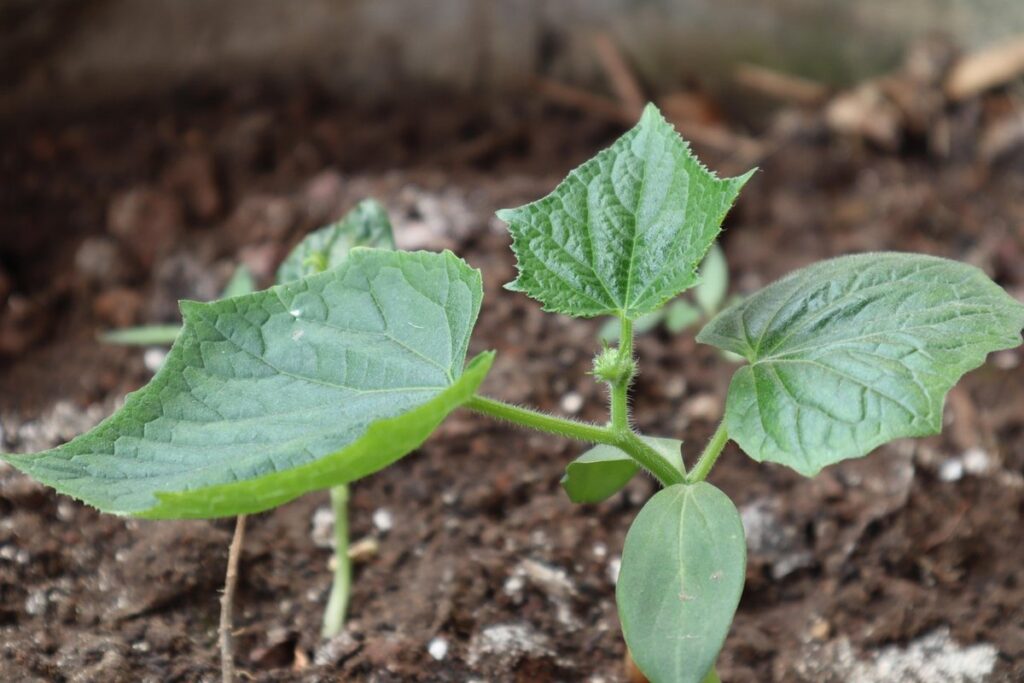
Choosing the Right Variety and Growing Conditions
Before you start planting, it’s crucial to choose a cucumber variety that thrives in your local climate and growing conditions. Consider factors like sunlight, soil type, and temperature requirements for optimal growth.
Understanding Cucumber Varieties
When it comes to planting cucumber seeds, understanding the different varieties is crucial for achieving success. There are several types of cucumbers, each with its unique characteristics and uses.
Slicing cucumbers are perhaps the most widely cultivated variety, known for their long, thin shape and sweet flavor. They’re ideal for snacking, salads, and sandwiches. English cucumbers, on the other hand, have a smaller diameter and a more delicate skin. They’re perfect for slicing and using in recipes where a thinner cucumber is desired.
For pickling purposes, you’ll want to use a pickling cucumber variety, which tends to be shorter and more compact than slicing or English cucumbers. These cucumbers are bred specifically for their small size and firm texture, making them ideal for preserving through pickling.
When selecting a cucumber variety, consider the space you have available in your garden, as some varieties require more support than others. Make sure to research the specific growing requirements of the variety you choose to ensure optimal results.
Evaluating Soil Quality and pH Level
Soil quality and pH level play a crucial role in determining the success of your cucumber crop. Cucumbers are sensitive to extreme pH levels, preferring a slightly acidic to neutral soil pH between 6.0 and 7.0. To evaluate your soil’s quality and pH level, start by testing its pH using a DIY kit or sending a sample to a laboratory for analysis.
If your soil test reveals an alkaline or acidic pH, don’t worry – it’s easy to adjust. For alkaline soils, add elemental sulfur or aluminum sulfate to lower the pH. Conversely, if your soil is too acidic, mix in dolomitic limestone or crushed eggshells to raise the pH.
In addition to pH testing, inspect your soil for nutrient deficiencies and structure issues. Cucumbers thrive in well-draining, fertile soils with a high organic matter content. To improve soil quality, incorporate compost or well-rotted manure into the top 6-8 inches of soil before planting. This will provide essential nutrients and support healthy root development.
Determining Ideal Growing Conditions
When it comes to planting cucumber seeds, understanding their ideal growing conditions is crucial for optimal growth. Cucumbers thrive in warm temperatures between 65°F and 90°F (18°C and 32°C). If the temperature drops below 55°F (13°C), the plant’s growth will slow down significantly. In contrast, if it rises above 95°F (35°C), the fruit may become bitter.
Sunlight is another essential factor for cucumber plants. They require full sun to partial shade, with a minimum of six hours of direct sunlight per day. A south-facing wall or a spot that receives direct morning sun is ideal. Avoid planting cucumbers in areas with dense tree cover or where they will be shaded by other plants.
Watering requirements are also critical for cucumber growth. The soil should be kept consistently moist, but not waterlogged. Aim to provide about 1-2 inches of water per week, either through rainfall or irrigation. A well-draining potting mix can help prevent overwatering issues. By meeting these basic growing conditions, you’ll be setting your cucumber plants up for success and a bountiful harvest.
Preparing the Soil for Planting
Before you start sowing your cucumber seeds, it’s essential to prepare the soil to give them a strong foundation and optimal growing conditions. Let’s dive into the specifics of how to do that.
Testing and Amending Your Soil
Before planting cucumber seeds, it’s essential to test and amend your soil if necessary. Cucumbers are heavy feeders and require a well-balanced nutrient profile to thrive. A poor soil pH can also hinder their growth, making testing and amending crucial steps in the process.
Start by getting a soil test kit or sending a sample to a lab for analysis. This will give you an accurate reading of your soil’s pH level and nutrient content. You’re looking for a slightly acidic to neutral pH range (around 6.0-7.0) with adequate levels of nitrogen, phosphorus, potassium, magnesium, and sulfur.
If your test results show deficiencies, amend your soil accordingly. For instance, if your soil lacks nitrogen, add compost or well-rotted manure. If it’s too alkaline, mix in some elemental sulfur to lower the pH. A balanced fertilizer can also provide a quick fix, but be cautious not to over-fertilize, which can harm your plants.
Keep in mind that cucumbers are sensitive to extreme pH fluctuations, so make adjustments gradually and monitor their growth closely.
Adding Organic Matter and Fertilizers
When it comes to planting cucumber seeds, one of the most crucial steps is preparing the soil for optimal growth. Adding organic matter and fertilizers can significantly enhance soil fertility, which directly impacts the health and productivity of your cucumbers.
Start by incorporating compost or manure tea into your soil. These natural materials are rich in nutrients that promote beneficial microbial activity, improve drainage, and increase soil’s water-holding capacity. For example, a 2-inch layer of well-rotted compost can provide up to 3% nitrogen, 1% phosphorus, and 4% potassium – essential for cucumber growth.
Use balanced fertilizers, such as 10-10-10 NPK, to supply your cucumbers with the necessary nutrients. Apply these in moderation (about 2 pounds per 100 square feet), ideally at planting time and again after about six weeks when plants are around two feet tall. Be cautious not to over-fertilize, as this can lead to weak growth and reduced yields. By combining organic matter and fertilizers wisely, you’ll be well on your way to creating a thriving environment for your cucumber seeds to flourish in.
Planting Cucumber Seeds
Now that you have your seeds and tools ready, let’s move on to planting cucumber seeds directly into the soil. This is where careful planning and execution come into play.
Sowing Seeds Indoors vs. Directly in the Garden
When it comes to planting cucumber seeds, one of the most debated topics is whether to sow them indoors versus directly in the garden. Both methods have their pros and cons, which we’ll explore below.
Sowing cucumber seeds indoors allows for a head start on the growing season. By starting seedlings 2-3 weeks before the last frost date, you can give them a chance to get established before being transplanted outside. This method also provides better control over temperature and humidity levels, reducing the risk of seedlings succumbing to harsh weather conditions.
However, direct sowing in the garden has its advantages as well. Cucumber seeds are relatively easy to germinate and require minimal care, making them a great choice for beginners. Plus, they can make the most of the garden’s natural growing conditions, such as sunlight and soil temperature.
To ensure success with either method, it’s essential to harden off seedlings before transplanting them outside. This process involves gradually exposing them to outdoor conditions over the course of 7-10 days, starting with brief periods outdoors and increasing the duration each day.
When direct sowing in the garden, choose a spot that receives full sun (at least 6 hours of direct sunlight) and has well-draining soil. Plant seeds 1 inch deep and 6 inches apart, and keep the soil consistently moist during the first few weeks after germination.
Spacing and Depth Guidelines
When planting cucumber seeds, it’s essential to pay attention to spacing and depth guidelines. This will ensure that your cucumbers receive adequate air circulation, sunlight, and water, promoting healthy growth.
For optimal results, plant cucumber seeds about 1 inch deep in the soil. Plant them in rows with 6-8 inches of space between each seed, allowing for easy access for harvesting and pruning. If you’re planting multiple rows, leave at least 3 feet of space between them to prevent overcrowding.
Cucumbers are a vining crop that spreads out as they grow. To accommodate their spreading habit, use a trellis or other support system to keep the vines off the ground and encourage vertical growth. This will also help maintain good air circulation around the plants, preventing fungal diseases from taking hold.
In cooler climates, you may need to plant cucumber seeds in rows that are 8-10 feet long to allow for maximum sun exposure. In warmer areas, you can space them out at 5-6 feet between each row. Regardless of your location, make sure to check the specific seed package instructions for recommended spacing and depth guidelines, as some varieties may have unique requirements.
Caring for Young Cucumber Plants
Now that you’ve successfully planted your cucumber seeds, it’s time to give them the TLC they need to thrive – learn how to care for young cucumbers in this next crucial step.
Providing Adequate Watering and Humidity
Young cucumber plants are particularly vulnerable to changes in moisture levels and humidity. Consistent watering and humidity will help them establish a strong root system and develop healthy leaves. To avoid overwatering, which can lead to fungal diseases and root rot, check the soil daily by inserting your finger into it up to the first knuckle.
If the soil feels dry, it’s time to water. Water the seedlings gently but thoroughly until the excess moisture drains away from the pot’s bottom. Make sure not to get water on the leaves or crown of the plant to prevent fungal diseases.
Maintaining optimal humidity levels is crucial for young cucumber plants. Covering the pots with a clear plastic bag or a cloche will trap moisture and create a microclimate. However, avoid using this method for too long as it can lead to fungal growth.
Monitor your seedlings closely and adjust your watering schedule according to their needs. You should also ensure good air circulation around the plants by keeping them at least 6-8 inches apart from each other. This will prevent moisture from becoming trapped near the soil surface, reducing the risk of fungal diseases.
Managing Pests and Diseases
Cucumber plants are susceptible to various pests and diseases that can significantly impact their growth and productivity. Some common issues you might encounter include aphids, whiteflies, powdery mildew, and fungal infections like downy mildew.
To manage these problems effectively, it’s essential to adopt an integrated pest management (IPM) approach. This means using a combination of techniques such as physical barriers, cultural controls, biological control methods, and targeted pesticide use when necessary.
For instance, you can prevent aphid infestations by keeping your plants well-watered but not waterlogged, which can make them more vulnerable to pests. Also, ensure good air circulation around your cucumber patch to reduce the risk of fungal diseases.
Biological controls like introducing natural predators or using neem oil can also be effective in controlling pest populations. For example, ladybugs are known to feed on aphids and can be introduced to your garden as a biocontrol method.
In severe cases, you may need to use targeted pesticides but this should always be done under the guidance of local gardening experts to minimize the impact on beneficial insects. Regular monitoring of your plants is crucial in identifying potential issues early on and taking corrective action before they become major problems.
Supporting Cucumber Plant Growth
Now that you’ve planted your cucumber seeds, it’s time to focus on providing them with the best conditions for growth. This next step will cover some essential tips and tricks for supporting their development.
Using Trellises, Supports, and Pruning
As you begin growing cucumbers from seed, it’s essential to consider ways to maximize their growth potential and prevent common issues. One of the most effective strategies is using trellises, supports, and pruning techniques.
Trellises offer a space-saving solution for climbing plants like cucumbers, allowing them to grow upwards and outwards while keeping the surrounding area clear. By training your cucumber vines to climb up a trellis or other support, you can promote healthy growth, increase yields, and prevent disease from spreading through the soil.
Pruning is also crucial in maintaining optimal plant health. Regular pruning encourages bushy growth, increases sunlight penetration, and helps reduce moisture-borne diseases that thrive in humid conditions. Remove any weak or spindly shoots to direct the plant’s energy towards producing more robust fruit. For instance, prune your cucumber plants when they reach about 6-8 inches tall, and again after flowering to encourage more blooms.
When using trellises and supports, ensure they’re sturdy enough for the weight of mature vines and keep them at least 6 feet away from any walls or structures to avoid damage.
Monitoring and Adjusting pH Levels Regularly
Monitoring and adjusting pH levels regularly is crucial for supporting optimal growth and nutrient uptake of cucumber plants. A pH level that’s too high or too low can lead to stunted growth, reduced yields, and even plant death. For cucumbers, the ideal soil pH range is between 6.0 and 7.0.
To monitor your soil’s pH levels, you’ll need a pH test kit available at most gardening stores. Follow the manufacturer’s instructions to collect a sample from your soil, then dip it into the testing solution. Compare the resulting color change to the provided chart to determine your soil’s pH level.
If your readings show an unhealthy pH level, adjust it by adding either lime (to raise the pH) or elemental sulfur (to lower it). Mix these amendments according to package instructions and work them into the top 6-8 inches of soil. Be cautious not to over-correct, as this can be detrimental to plant health.
For example, if your initial reading is 5.2, you may need to add lime to raise the pH gradually over several weeks. Check the levels regularly to avoid over-adjustment and ensure a healthy growing environment for your cucumber plants.
Harvesting Your Cucumber Crop
Once you’ve planted and nurtured your cucumber crop, it’s time to harvest those delicious fruits. This section will guide you through the process of picking cucumbers at the perfect stage of ripeness.
Determining Maturity and Ripeness
When it comes to harvesting your cucumber crop, timing is everything. You want to pick them at just the right moment to ensure they’re both mature and ripe for eating. But how do you know when that is?
For slicing cucumbers, look for a bright green color with no white or yellow spots. They should be firm but not hard, and about 6-8 inches long. English cucumbers are longer and more slender, typically reaching 10-12 inches in length. For these types of cucumbers, check the skin – it should be a deep green color with no signs of softening or bruising.
Check for ripeness by gently tugging on the fruit; if it comes off easily, it’s ready to pick. If you notice any yellowing or browning around the stem end, it’s likely past its prime and may not be as tasty.
For pickling cucumbers, wait until they’re about 1-2 inches in length – these will continue to grow and mature after being picked. Keep an eye on your plants regularly to catch them at just the right moment for harvesting.
Tips for Preserving Freshness and Shelf Life
When you’ve finally harvested those succulent cucumbers from your garden, it’s essential to handle and store them properly to maintain their freshness. The moment they’re plucked from the vine, cucumbers begin to lose moisture and become more prone to spoilage.
To extend the shelf life of your fresh produce, make sure to:
* Store them in a cool, dry place away from direct sunlight
* Keep them at a consistent refrigerator temperature below 40°F (4°C)
* Don’t wash them until you’re ready to use them – excess moisture can lead to mold and spoilage
* Handle them gently to avoid bruising or damaging the skin
If you plan on consuming your cucumbers within a few days, you can store them in an airtight container at room temperature. For longer storage, consider wrapping each cucumber individually in plastic wrap or aluminum foil to maintain humidity.
Regularly inspect your stored cucumbers for signs of spoilage and use the first-in-first-out rule to ensure older produce is consumed before it goes bad. With proper handling and storage techniques, you can enjoy your homegrown cucumbers at their peak freshness for a longer period.
Frequently Asked Questions
What if I accidentally plant my cucumber seeds too deep or shallow? Can I still expect a good harvest?
Planting your seeds at the correct depth is crucial for optimal growth. If you’ve planted them too deeply, they may struggle to reach sunlight and develop properly. On the other hand, seeds planted too shallowly can be washed away by rain or irrigation. To avoid this issue in the future, make sure to check the seed packet instructions and plant at the recommended depth.
How often should I water my cucumber plants when they’re young?
Young cucumber plants need consistent moisture, especially during their first few weeks of growth. Water them gently but thoroughly once or twice a week, depending on weather conditions. Avoid overwatering, which can lead to root rot and other problems. Keep the soil consistently moist but not waterlogged.
Can I grow cucumbers in containers if I don’t have space for a large garden bed?
Yes! Cucumbers are perfect for container gardening because they’re compact and require minimal space. Choose a container that’s at least 6-8 inches deep to accommodate the roots, and make sure it has good drainage holes. Use a well-draining potting mix and a trellis or other support system to keep your plants upright.
How do I prevent pests like aphids and whiteflies from infesting my cucumber crop?
To prevent pest infestations, start by using physical barriers like fine mesh or fine netting to cover your plants. Keep your garden area clean, removing any debris that might attract pests. Also, use neem oil or insecticidal soap to control infestations early on. Companion planting with basil, mint, or other herbs can also help deter pests.
What if I notice my cucumber plant is developing powdery mildew? Can I save it?
Powdery mildew is a common fungal disease affecting cucumbers. To treat the issue, remove any infected leaves and destroy them to prevent the fungus from spreading. Increase air circulation around your plants by pruning nearby vegetation or using a fan to circulate air. Apply a fungicide specifically designed for powdery mildew, following the product instructions carefully. With prompt action, you can save your plant and continue growing healthy cucumbers.