
Are you tired of struggling with seeds that just won’t germinate? Do you find yourself wondering why your favorite plants are taking forever to sprout? The answer might lie in seed stratification, a simple yet powerful technique that can make all the difference. This game-changing method is used by gardeners and plant enthusiasts worldwide to break dormancy and promote healthy growth in even the most finicky seeds. But what exactly is seed stratification, and how does it work its magic? In this article, we’ll delve into the world of seed stratification, exploring what it’s all about, why it matters, and providing you with a step-by-step guide on how to incorporate it into your gardening routine. By the end of this post, you’ll be equipped with the knowledge to take your seed-starting skills to the next level!
Introduction to Seed Stratification
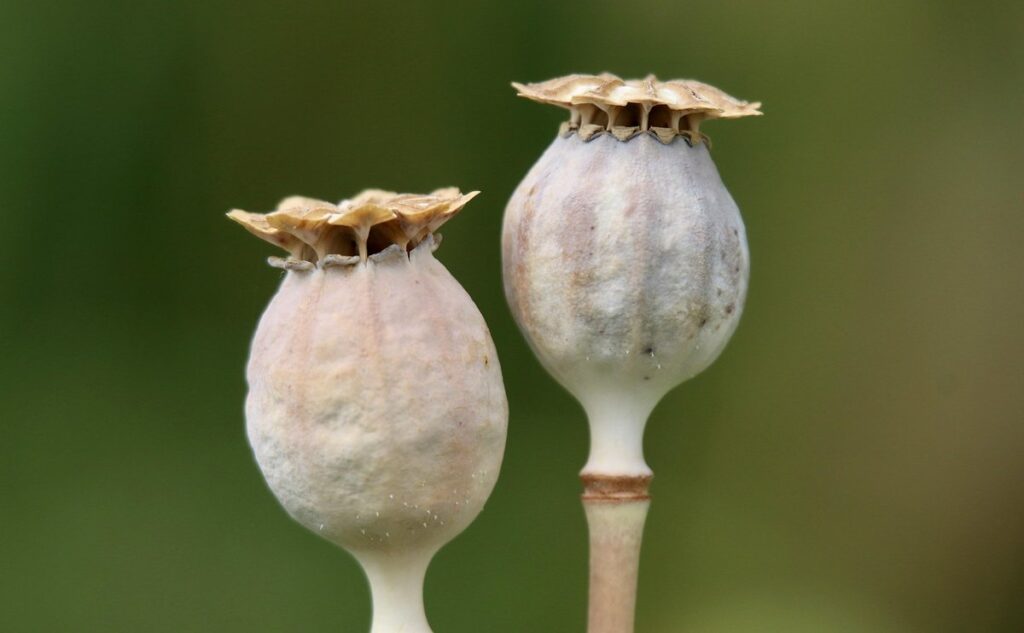
Seed stratification is a natural process that mimics winter weather conditions, helping seeds germinate when they’re ready. This crucial step ensures your seeds get off to a healthy start.
Importance of Seed Stratification
Seed stratification is a crucial step in the seed starting process that plays a vital role in breaking dormancy and promoting healthy growth. Without it, seeds may struggle to germinate or remain dormant indefinitely. This can be particularly challenging for gardeners working with tropical or subtropical species, which often require specific temperature and moisture conditions to break their dormancy.
When seeds are exposed to the right combination of cold temperatures, moisture, and darkness during stratification, they undergo a series of physiological changes that prepare them for germination. This process can take anywhere from 30 days to several months, depending on the species. By simulating these natural conditions through seed stratification, gardeners can effectively break dormancy and increase the chances of successful germination.
For example, many temperate plant species require a period of cold stratification before they can grow. This is why some seeds are labeled as “cold-stratify” or “after-ripen”. By understanding how to stratify seeds properly, gardeners can ensure that their seeds have the best possible chance at germination and healthy growth.
History of Seed Stratification
Seed stratification has been practiced for centuries by gardeners and farmers to overcome seed dormancy and improve germination rates. Ancient civilizations such as the Egyptians, Greeks, and Romans used various techniques to mimic natural environmental conditions that stimulate seed germination. For example, they would store seeds in damp sand or bury them in the ground to replicate winter weather.
In the 17th century, European botanists like Carolus Linnaeus began documenting and classifying plant species, including their seed requirements for stratification. This marked a significant milestone in the development of modern horticultural practices.
By the early 20th century, researchers had discovered that specific temperature fluctuations, moisture levels, and light exposure could trigger seed germination. This understanding paved the way for controlled laboratory experiments to study seed stratification more systematically. Today, we can apply these principles to our own gardens using techniques like cold frames, propagation trays, or even storing seeds in a refrigerator.
The key takeaway is that seed stratification has evolved over time through observation and experimentation. By acknowledging its rich history, we can appreciate the science behind this practice and adapt it to our needs for successful plant propagation.
Understanding Seed Dormancy
Seed dormancy is a crucial concept that affects how seeds respond to stratification, and understanding it will help you maximize your plant’s chances of germination. Let’s dive into what seed dormancy is all about.
What is Seed Dormancy?
Seed dormancy refers to a state where seeds remain inactive and unable to germinate, despite being provided with optimal conditions for growth. This phenomenon is a natural adaptive mechanism that ensures the survival of plant species under unfavorable environmental conditions.
Several factors can induce seed dormancy, including temperature fluctuations, moisture levels, and light exposure. For instance, some seeds require a period of cold temperatures to break their dormancy, while others may need a specific amount of rainfall or sunlight to trigger germination.
When seeds are dormant, they are unable to sprout and grow, which can significantly impact plant growth and development. This is particularly evident in tropical regions where seedlings often struggle to emerge from the soil due to high temperatures and humidity levels.
However, not all seeds exhibit dormancy. Some species, such as certain grasses and forbs, have adapted to germinate quickly in response to changing environmental conditions. Understanding the causes of seed dormancy is crucial for growers and gardeners who aim to improve seedling establishment rates and optimize crop yields.
Types of Seed Dormancy
Seed dormancy refers to the inability of seeds to germinate immediately after sowing. This phenomenon is crucial for understanding seed stratification techniques, as it determines the type and duration of treatment required for optimal germination rates. There are two primary types of seed dormancy: deep physiological dormancy (DPD) and non-deep physiological dormancy (NDPD).
Deep physiological dormancy occurs when seeds require a specific combination of cold temperatures, moisture, and oxygen to break their dormancy. This type of dormancy is often found in temperate zone plants like trees, shrubs, and perennials. Seeds that exhibit DPD typically undergo stratification for several weeks or months before germinating.
Non-deep physiological dormancy, on the other hand, requires only a single cold treatment to break dormancy. This type of dormancy is more common in annuals and warm-season crops like tomatoes and peppers. For seeds with NDPM, a shorter stratification period may be sufficient.
When selecting seed stratification techniques, understanding the type of seed dormancy is crucial for achieving optimal germination rates.
The Stratification Process
Now that you know what seed stratification is, let’s dive into how it works: the stratification process involves mimicking nature to trick seeds into thinking they’ve completed their winter dormancy.
Preparing Seeds for Stratification
Preparing seeds for stratification is an essential step to ensure their viability and successful germination. To begin with, clean the seeds thoroughly by gently brushing off any dirt or debris using a soft-bristled brush. This helps remove contaminants that may interfere with the stratification process.
Next, dry the cleaned seeds completely, either air-drying them in a cool, dark place or using a paper towel to gently pat them dry. Excess moisture can cause mold and fungal growth, compromising seed viability.
Proper storage is crucial during the stratification period. Store the dried seeds in an airtight container filled with moist peat moss or vermiculite. Keep the container away from direct sunlight and heat sources. For example, you can store them in a refrigerator at 40°F (4°C) to simulate winter conditions.
Remember to label the containers with the seed type, date, and storage location. Regularly check on the seeds during the stratification period to ensure they remain moist but not waterlogged. This care will help maintain the seeds’ viability until they’re ready for planting.
Choosing the Right Stratification Method
When it comes to seed stratification, choosing the right method is crucial for successful germination. There are three primary types of stratification: cold stratification, warm stratification, and dry stratification.
Cold stratification involves exposing seeds to a period of cold temperatures (usually between 35°F to 45°F) to break dormancy. This method is ideal for seeds that require a winter chill period, such as those from trees and shrubs like oak, maple, and apple. For example, the American beech tree requires at least 30 days of cold stratification before it can germinate.
Warm stratification, on the other hand, involves simulating the conditions of a warm summer, typically between 65°F to 75°F. This method is suitable for seeds from tropical regions or those that don’t require a cold period, such as African violets and begonias. For instance, to stratify African violet seeds, maintain a consistent temperature around 70°F.
Dry stratification involves storing seeds in an environment with low humidity, allowing them to dry out slightly. This method is often used for seeds that are prone to rotting, such as those from cacti and succulents like the Christmas cactus. By understanding the specific requirements of your seed type, you can choose the most suitable stratification method for optimal results.
Remember to research the specific needs of your plant species before selecting a stratification method. This will ensure that you’re providing the best conditions for successful germination.
Cold Stratification: The Most Common Method
One of the most widely used methods of seed stratification is cold stratification, a process that mimics winter conditions to break dormancy. This section will walk you through the specifics.
Overview of Cold Stratification
Cold stratification is indeed the most widely used method for breaking seed dormancy, and its effectiveness can be attributed to its ability to mimic natural winter conditions. This process involves subjecting seeds to a period of cold temperatures, typically between 32°F (0°C) and 45°F (7°C), which helps to break down seed dormancy.
The advantages of cold stratification are numerous. For one, it’s a relatively simple and inexpensive method that can be done at home with minimal equipment. Additionally, it’s a highly effective way to germinate seeds that would otherwise require months or even years to sprout. This makes it an ideal method for gardeners who want to get a head start on their planting season.
Common applications of cold stratification include germinating seeds from trees and shrubs, as well as certain types of perennials and bulbs. For example, to cold stratify seeds, you can place them in a plastic bag or container with some moistened peat moss, and then store it in the refrigerator for 30-120 days. After this period, transfer the seeds to a warm location and keep the soil consistently moist until germination occurs.
Temperature Requirements for Cold Stratification
To successfully complete cold stratification, it’s essential to control the temperature accurately. The ideal temperature range for cold stratification is between 32°F (0°C) and 45°F (7°C). Some gardeners prefer their refrigerator at a consistent 39°F (4°C), which is an excellent setting for this process.
For example, if you’re trying to break dormancy in a species like tulip or daffodil, placing the seed packet in the refrigerator with a water-dampened paper towel can help maintain optimal humidity. Alternatively, some growers use a dedicated cold frame, typically set between 35°F (2°C) and 40°F (4°C), which provides better control over temperature fluctuations.
In practice, you can replicate these conditions using your home refrigerator or a programmable thermostat. For instance, if your refrigerator has an adjustable thermostat, setting it to around 38°F (3°C) should work well for most seeds. Remember that each seed species may have slightly different requirements; always research the specific needs of the seeds you’re working with. By maintaining consistent temperature conditions, you’ll increase the chances of successful cold stratification and higher germination rates.
Alternative Stratification Methods
For seeds that require a specific temperature and moisture level to break dormancy, alternative stratification methods can be just as effective, if not more so. We’ll explore some of these approaches below.
Warm Stratification: A Soaking Method
Warm stratification is an alternative method for seeds that don’t respond well to cold temperatures. This technique involves providing warmth and moisture to the seed rather than cool, damp conditions. Seeds that thrive with this method typically require a warm environment between 65°F to 75°F (18°C to 24°C) to germinate.
This process is often applied to seeds that are native to tropical or subtropical regions. For instance, cacti and succulent seeds benefit from warm stratification as they usually don’t tolerate cold temperatures well. By providing warmth, you can mimic the natural conditions these seeds would experience in their native habitats.
To implement warm stratification, mix a small amount of water with peat moss or perlite to create a consistent moisture level. Place the seed on top of this mixture and keep it in a sealed container or plastic bag. Store the container in a warm location, such as an indoor area near a heating vent or on a sunny windowsill. Check on the seed periodically to ensure the moisture levels remain consistent.
The benefits of warm stratification include accelerating germination rates and improving seed viability. Seeds that may have taken weeks to germinate can sprout within days when using this method.
Dry Stratification: An Experimental Approach
Dry stratification is a niche approach to seed stratification that involves exposing seeds to dry conditions, typically between 35-45°F (2-7°C), with minimal moisture. This method is often used for specific seed types, such as those from plants native to Mediterranean or South African climates. The experimental nature of dry stratification means that there’s still much to be learned about its effectiveness and optimal parameters.
While some studies suggest that dry stratification can be effective for certain seeds, more research is needed to establish best practices. For example, a study on the germination of Aloe ferox seeds found that 12 weeks of dry stratification resulted in higher germination rates compared to other methods. However, similar results have not been replicated for all seed types.
If you’re considering trying dry stratification with your own seeds, approach it as an experiment. Start by researching specific guidelines for the seed type you’re working with and begin with a small batch of seeds. Monitor their progress closely, taking note of any observations or successes. Keep in mind that dry stratification may not be suitable for all seeds, and more conventional methods may be necessary to achieve optimal results.
Tips and Tricks for Successful Seed Stratification
Now that you know what seed stratification is, let’s dive into some practical tips to help you achieve success with this essential technique. We’ll explore expert techniques to get your seeds off to a great start.
Monitoring Progress and Troubleshooting
As you begin to monitor your seeds’ progress during stratification, it’s essential to keep an eye out for signs of mold and fungal growth. These issues can arise due to factors such as excess moisture, poor ventilation, or contaminated equipment.
To prevent mold and fungal growth, ensure that the stratification container is well-ventilated and not overcrowded with seeds. You should also maintain consistent temperatures between 32°F (0°C) and 45°F (7°C), as deviations from this range can encourage microbial growth.
Regularly inspect your seeds for signs of mold or fungal growth, such as white powdery patches or black spots. If you notice any issues, immediately remove the affected seeds to prevent the problem from spreading. To treat infected seeds, gently scrub them with a mild soap solution and then rinse thoroughly before returning them to the stratification container.
By monitoring your seeds’ progress closely and addressing any potential issues promptly, you’ll be able to provide optimal conditions for successful seed stratification.
Best Practices for Record-Keeping and Data Collection
Accurate record-keeping and data collection are crucial aspects of experimenting with seed stratification. By tracking your results and sharing data with others, you can refine your techniques and contribute to the collective knowledge on this topic.
When documenting your experiments, consider using a spreadsheet or a dedicated note-taking app to keep track of variables such as seed type, temperature, humidity, and duration. This will enable you to analyze patterns and make informed decisions for future trials. Additionally, be sure to include photos and notes about any notable observations, as these can provide valuable insights when revisiting past experiments.
Sharing your data with the community is also essential, as it allows others to learn from your experiences and build upon them. Consider uploading your results to a seed stratification database or forum, where they can be accessed by enthusiasts worldwide. This collaborative approach not only accelerates progress but also helps ensure that best practices are identified and adopted by the broader community.
Conclusion: Putting Seed Stratification into Practice
Now that you’ve learned how seed stratification works, it’s time to put these principles into action and start experimenting with your own seeds at home. Let’s explore practical applications and tips for successful stratification.
Real-Life Applications and Success Stories
Seed stratification has been successfully applied in various real-life scenarios, showcasing its practical value and potential impact. In gardening projects, seed stratification has helped to improve germination rates for plants such as orchids and cyclamen, which typically require a period of cold temperatures to break dormancy.
For instance, the Royal Horticultural Society (RHS) recommends seed stratification for certain species of orchids, including Phalaenopsis and Cattleya. By following a controlled temperature regime, gardeners can encourage these plants to germinate successfully, resulting in healthier and more robust seedlings.
In research initiatives, scientists have employed seed stratification to study the effects of climate change on plant development. A notable example is a study published in the journal “Annals of Botany,” which investigated how seed stratification affects the germination patterns of wheat under simulated drought conditions. The results highlighted the potential for seed stratification to mitigate the impacts of water scarcity on crop yields.
By applying these principles, gardeners and researchers can unlock the full potential of their seeds, ultimately leading to increased plant diversity and resilience in the face of environmental challenges.
Future Directions for Research and Innovation
As we conclude our comprehensive guide to seed stratification, it’s essential to consider the future directions for research and innovation in this field. Continued scientific inquiry is necessary to refine methods and improve results, ultimately enhancing our ability to successfully germinate a wide range of seeds.
One area ripe for investigation is the development of more precise and efficient stratification protocols for specific plant species. For instance, researchers could focus on understanding the unique dormancy mechanisms present in certain seeds, such as those from alpine or tropical regions. By doing so, they can tailor their methods to meet the specific needs of these plants.
Another area of exploration is the integration of seed stratification with cutting-edge technologies like precision agriculture and artificial intelligence. This convergence could enable more precise control over environmental conditions, leading to improved germination rates and reduced resource consumption. As we continue to push the boundaries of what’s possible in seed stratification, it’s crucial that we prioritize collaboration between researchers, farmers, and industry experts to drive innovation forward.
Frequently Asked Questions
Can I use seed stratification for all types of seeds?
No, not all seeds require stratification to break dormancy. Some seeds, like those from warm-season crops, may not need stratification at all. However, many cool-season crops and plants native to temperate regions do benefit from the process. It’s essential to research specific seed requirements before attempting stratification.
What happens if I don’t stratify my seeds?
If you skip stratification, your seeds may struggle to germinate or remain dormant indefinitely. This can lead to reduced germination rates, delayed growth, and increased risk of disease or pests. By incorporating stratification into your seed starting routine, you’ll significantly improve the chances of healthy seedling development.
How long does seed stratification typically take?
The length of time for seed stratification varies depending on the method and species being used. Cold stratification, for example, can take anywhere from 30 to 90 days or even longer. Warm stratification is generally faster, requiring only a few hours or days. Be patient and follow specific guidelines for your chosen method.
Can I use household items as substitutes for commercial seed starting mix?
While it’s tempting to get creative with household items, it’s recommended to stick with commercial seed starting mixes specifically designed for stratification. These mixes have the right pH balance and moisture levels to promote optimal germination and growth. Household materials may not provide the necessary conditions for successful stratification.
How do I know if my seeds have successfully gone through stratification?
Monitor your seeds closely after stratification, looking for signs of germination such as swelling or visible roots. Keep track of temperatures, humidity levels, and seed moisture to ensure you’re providing optimal conditions. If you notice no significant changes, reassess your stratification method or consider consulting with a gardening expert.