
When it comes to giving your plants the best chance at thriving, high-quality potting soil is essential. But have you ever stopped to think about what exactly makes up this miracle mixture? From organic matter and inorganic components to essential nutrients and a perfect pH balance, the ingredients that go into potting soil are crucial for optimal plant growth. In this article, we’ll take a closer look at what’s really in high-quality potting soil, and why it matters for your plants’ health. You’ll learn about the importance of organic matter, how to choose a potting soil with the right balance of nutrients, and even some tips for adjusting pH levels to create an ideal environment for your plants to flourish. By the end of this article, you’ll be equipped to make informed decisions when selecting a potting soil that will give your plants the best chance at thriving.
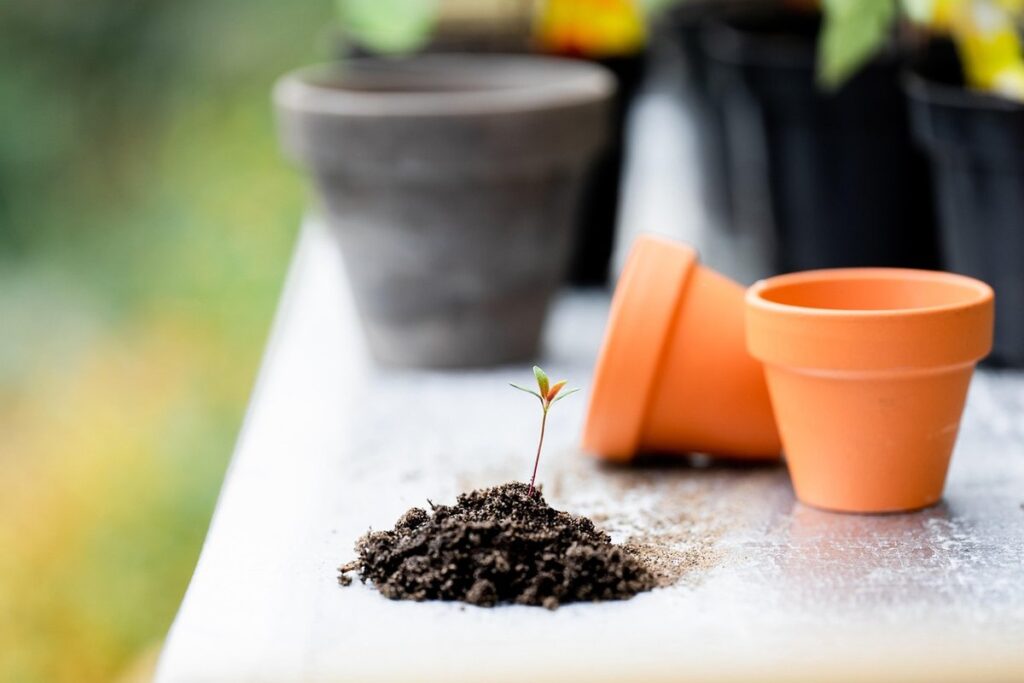
The Importance of Understanding Potting Soil Composition
Understanding potting soil composition is crucial for healthy plant growth, which is why it’s essential to know what exactly makes up your potting mix. Let’s dive into the key components that make a great potting soil blend.
Organic Matter in Potting Soil
Organic matter is a crucial component of potting soil, playing a vital role in its structure and fertility. Among the various types of organic matter, peat moss stands out for its exceptional water-holding capacity and acidic pH. It helps to retain moisture, reduce soil temperature fluctuations, and create an environment conducive to root growth.
Compost is another essential ingredient, rich in nutrients and beneficial microorganisms. Adding compost to potting soil not only improves fertility but also encourages a balanced ecosystem. Bark chips, although less common, can provide valuable benefits when used in moderation. They help with drainage, aeration, and moisture retention while adding organic matter to the mix.
When choosing an organic matter-rich potting soil, look for products containing a blend of these components. Aim to include at least 10-20% peat moss or compost, as this will significantly enhance soil fertility and structure. By incorporating various types of organic matter, you can create a balanced and thriving ecosystem for your plants, promoting healthy growth and optimal development.
Inorganic Components in Potting Soil
Inorganic components play a crucial role in potting soil composition, ensuring that plants receive the necessary support for healthy growth. One of the primary functions of inorganic materials like perlite and vermiculite is to improve drainage and aeration in the soil. Perlite, a lightweight, porous volcanic glass, helps to prevent waterlogged conditions by allowing excess moisture to escape freely.
Vermiculite, another popular additive, has a unique property that allows it to retain moisture while still providing excellent aeration. This makes it an ideal component for seed starting and propagation mixes. Sand, often added in small quantities, aids in drainage and helps prevent water from pooling around plant roots.
When choosing a potting soil mix, consider the specific needs of your plants and incorporate inorganic components accordingly. For example, if you’re growing plants that prefer well-draining conditions, look for mixes containing perlite or vermiculite. By understanding the role of these inorganic materials, you can create an optimal environment for your plants to thrive.
The Role of Nutrients in Potting Soil
So, you’ve learned what organic matter and perlite do for potting soil – now let’s talk about how nutrients come into play to help your plants thrive. In this section, we’ll explore the essential role of nutrients in a healthy potting mix.
Macronutrients: Nitrogen, Phosphorus, and Potassium
When it comes to potting soil, three essential macronutrients play a crucial role in supporting plant growth and development: nitrogen (N), phosphorus (P), and potassium (K). These nutrients are often referred to by the acronym NPK, which indicates their respective proportions in a fertilizer.
A balanced NPK ratio is vital for healthy plant growth. Nitrogen promotes leafy green growth, while phosphorus encourages root development and flowering. Potassium, on the other hand, helps with overall plant health and resistance to disease. In potting soil, you’ll typically see NPK ratios ranging from 10-10-10 (equal parts nitrogen, phosphorus, and potassium) to 20-5-5 or even 30-3-3.
When selecting a fertilizer for your plants, look for one that matches the specific needs of your plant species. For example, if you’re growing vegetables like tomatoes, peppers, or eggplants, choose a balanced NPK ratio (e.g., 10-10-10). However, if you’re cultivating flowering plants, opt for a higher phosphorus content (e.g., 15-30-15).
It’s also essential to consider the fertilizer type. Organic options like fish emulsion and bone meal release nutrients slowly over time, while synthetic fertilizers provide a quicker but potentially more toxic dose of NPK.
Micronutrients and Other Essential Elements
Micronutrients and other essential elements play a crucial role in potting soil composition. These nutrients are vital for plant growth and development, but often go unnoticed compared to macronutrients like nitrogen, phosphorus, and potassium. Iron, zinc, and magnesium are some of the most important micronutrients, as they are involved in various physiological processes such as photosynthesis, respiration, and nutrient uptake.
A deficiency in any of these micronutrients can lead to stunted growth, yellowing leaves, or reduced crop yields. For example, iron deficiency is often characterized by interveinal chlorosis, where the veins of the leaves remain green while the surrounding tissue turns yellow. To prevent such deficiencies, potting soil manufacturers often add micronutrient-rich fertilizers or incorporate organic matter like compost that contains these essential elements.
Common deficiencies in potting soil include calcium and sulfur imbalances. Calcium is necessary for cell wall development and nutrient transport, while sulfur plays a key role in protein synthesis and photosynthesis. Symptoms of these deficiencies can range from blossom end rot to reduced plant vigor. To avoid such issues, choose a well-balanced potting mix that contains adequate amounts of micronutrients and other essential elements.
pH Balance in Potting Soil
When it comes to creating a healthy environment for your plants, getting the right pH balance in your potting soil is crucial. This can affect nutrient availability and overall plant growth.
Factors Affecting Soil pH
When it comes to maintaining a healthy potting soil pH balance, several factors come into play. The amount of peat moss added to the mix can significantly impact its acidity level. Peat moss has a naturally acidic pH, which can range from 3.5 to 4.5. High concentrations of peat moss in your potting soil can result in an excessively acidic environment, potentially harming plant roots.
The type of fertilizer used also affects soil pH. Organic fertilizers like compost or manure tend to have a more neutral pH, whereas synthetic fertilizers can be quite alkaline. When choosing a fertilizer for your potting mix, consider the potential impact on pH levels.
Soil age is another factor that can influence pH balance. Over time, potting soil can become exhausted and more acidic due to nutrient depletion. This can lead to an imbalance in the soil’s pH. Regularly rejuvenating your potting soil with fresh ingredients or replacing it entirely every 2-3 years can help maintain a stable pH.
It’s also worth noting that specific plants have unique pH requirements, so be sure to research and choose a potting mix tailored to the needs of your specific plants.
Maintaining Optimal pH Levels for Plant Growth
Maintaining optimal pH levels for plant growth is crucial to ensure their overall health and productivity. Most plants prefer a slightly acidic to neutral soil pH, ranging from 6.0 to 7.0. However, some plants like azaleas and blueberries thrive in more acidic conditions (pH 4.5-6.0), while others such as succulents and cacti can tolerate higher pH levels up to 8.0.
To adjust the pH of your potting soil, you can use acidic or alkaline fertilizers. For example, ammonium sulfate is an acidic fertilizer that can lower the pH of your potting mix by 1-2 points. On the other hand, dolomitic limestone is an alkaline fertilizer that can raise the pH by 1-3 points.
Here are some general guidelines to follow:
* To lower the pH: Use a small amount of acidic fertilizer (about 1/4 teaspoon per gallon of potting mix) and water thoroughly.
* To raise the pH: Mix in 1-2 tablespoons of alkaline fertilizer per gallon of potting mix, depending on the severity of the deficiency.
Keep in mind that pH adjustments should be made gradually to avoid shocking your plants. Regularly test your potting soil’s pH using a soil testing kit to ensure you’re within the optimal range for your specific plants.
Other Ingredients in Potting Soil
While potting soil is primarily composed of basic ingredients, there are several other components that may be included to enhance its functionality and performance. Let’s take a closer look at these supplementary additives.
Water-Holding Agents and Moisture-Retention Materials
When shopping for potting soil, you may come across terms like gel-like substances, polymers, and superabsorbent materials. These additives play a crucial role in maintaining optimal moisture levels within the soil.
Water-holding agents are designed to retain water within the soil, reducing the need for frequent watering. One common example is gel-like substances such as polymer gels or hydrogels. These substances have unique properties that allow them to absorb and release water slowly, providing a consistent supply of moisture to the roots. For instance, a study on succulent care used a hydrogel-based potting mix, resulting in improved plant growth and reduced watering frequency.
Superabsorbent materials are another type of additive that helps retain water in the soil. These materials have an incredible ability to absorb large amounts of water relative to their weight. This is achieved through microscopic pores within the material that allow it to swell when exposed to moisture. By incorporating these additives into your potting mix, you can create a more resilient and water-efficient growing environment for your plants.
When selecting a potting soil with water-holding agents or superabsorbent materials, consider factors such as plant type, climate, and watering habits. This will help you choose the right product to meet your specific needs and ensure optimal growth for your plants.
Fungicides and Pest Control Chemicals
When it comes to maintaining healthy plants, potting soil often contains fungicides and pest control chemicals to prevent common issues. These additives can help prevent root rot, fungal diseases, and infestations by insects like whiteflies and spider mites.
Some benefits of using fungicides in potting soil include:
• Improved plant health: Fungicides can help prevent fungal diseases that can harm or kill plants.
• Increased crop yields: By preventing disease and pests, you can expect higher yields from your plants.
• Reduced maintenance: With fewer issues to contend with, you’ll spend less time caring for your plants.
However, there are potential risks associated with using fungicides and pest control chemicals in potting soil. These include:
• Chemical residue: If not used properly, these chemicals can leave behind residues that can harm humans and pets.
• Environmental impact: Improper use or disposal of these chemicals can contaminate soil and waterways.
To minimize risks, it’s essential to follow the manufacturer’s instructions when using potting soil containing fungicides and pest control chemicals. Always choose products from reputable manufacturers, and follow proper usage guidelines.
Best Practices for Choosing and Using Potting Soil
When selecting and using potting soil, it’s essential to follow best practices that ensure healthy plant growth and prevent potential problems, such as root rot and nutrient deficiencies. Let’s take a closer look at how to make informed choices.
Selecting a High-Quality Potting Mix
When selecting a high-quality potting mix, it’s essential to read labels carefully and look for certifications like OMRI (Organic Materials Review Institute). This will ensure that the mix is free from synthetic fertilizers, pesticides, and genetically modified organisms.
Consider the specific needs of your plants when choosing a potting mix. For example, if you’re growing vegetables or herbs, opt for an organic mix with a pH range between 6.0 and 7.0. If you’re dealing with cacti or succulents, choose a mix specifically designed to drain excess water quickly.
Some key ingredients to look for in a high-quality potting mix include peat moss, vermiculite, and perlite. These materials help retain moisture, regulate temperature, and prevent waterlogged soil. Avoid mixes containing sharp particles like pine bark or walnut hulls, which can cause root damage.
When shopping for potting mixes, check the ingredient list for certifications from reputable organizations like OMRI or WFF (Washington State University’s Fertilizer and Liming Materials Test). This ensures that the mix meets organic standards and is safe for your plants.
Preparing and Reusing Potting Soil
Preparing and reusing potting soil can be a cost-effective and sustainable way to reduce waste. However, it requires proper cleaning and sterilization of containers to prevent the buildup of diseases and pests.
To clean and sterilize containers, start by removing as much old potting soil as possible. Next, soak the container in a solution of 1 part bleach to 10 parts water for at least 30 minutes. This will help kill any remaining pathogens and fungi. Alternatively, you can use a mixture of equal parts water and white vinegar for a more eco-friendly option.
Once cleaned and sterilized, add a new layer of potting soil and mix well to optimize fertility. You can also recondition the soil by adding organic matter like compost or worm castings. This will help replenish nutrients and improve the soil‘s structure.
When reusing potting soil, keep in mind that it may lose its effectiveness over time due to nutrient depletion. To maintain optimal fertility, test the pH levels regularly and adjust as needed. With proper care and maintenance, you can enjoy a long-lasting and healthy potting soil mixture.
Conclusion: Mastering the Art of Potting Soil Composition
Now that we’ve broken down the key components of potting soil, let’s summarize our findings and explore how to master the art of composition for optimal results.
Recap of Key Points
In conclusion to our comprehensive breakdown of potting soil composition, let’s recap the key points that will help you create an optimal growing medium for your plants. As we’ve discussed throughout this article, understanding what potting soil contains is crucial for achieving healthy and thriving plant growth.
One of the primary takeaways from our discussion on organic matter in potting soils is the importance of including a sufficient amount of compost or peat moss to provide essential nutrients and retain moisture. This is particularly true for plants that require high levels of nitrogen, such as vegetables and fruits. For instance, adding 20-30% of compost to your potting soil mix can significantly enhance nutrient availability and promote healthy root development.
Another critical aspect of potting soil composition is the pH level, which should ideally range between 6.0 and 7.0 for most plants. As we explored earlier, using acidic ingredients like peat moss or sulfur can help lower the pH level, while alkaline materials such as lime can raise it. It’s essential to monitor your potting soil’s pH regularly and make adjustments accordingly.
Additionally, our discussion on physical structure highlighted the significance of incorporating perlite, vermiculite, or sand to improve drainage and aeration. This is especially crucial for plants that prefer well-draining conditions, such as succulents and cacti.
In summary, mastering the art of potting soil composition requires attention to detail in terms of organic matter content, pH level, and physical structure. By incorporating these key elements and adjusting your mix according to specific plant needs, you’ll be well on your way to creating a thriving growing environment for your plants. Remember, the recipe for optimal potting soil is unique to each plant species, so it’s essential to conduct thorough research and experimentation to find the perfect balance for your garden.
Frequently Asked Questions
Can I make my own potting soil using organic matter from my garden?
Yes, you can create a custom blend by combining various organic materials like compost, peat moss, or coconut coir with the right ratio of ingredients. However, keep in mind that creating an optimal potting mix requires balancing multiple components to achieve the perfect pH and nutrient levels for your plants.
How do I know if my potting soil has too many micronutrients?
Yes. An excessive amount of micronutrients can be toxic to your plants, so it’s crucial to follow the manufacturer’s instructions or test the soil with a reliable kit. Aim for optimal levels (around 10-20 ppm) and adjust accordingly. Excessive micronutrient buildup can lead to nutrient imbalances, affecting plant growth.
What’s the best way to maintain optimal pH levels in my potting mix?
The ideal pH range for most plants is between 6.0 and 7.0. To maintain this balance, use a soil test kit or consult with a gardening expert. You can adjust pH levels by adding acidic (sulfur or peat moss) or alkaline materials (limestone or dolomitic limestone). Regularly monitoring your potting mix will help you make informed decisions.
Can I reuse my potting soil after the plants have finished growing?
While some components like perlite and vermiculite can be reused, it’s generally recommended to create a fresh batch of potting mix each time. This ensures optimal nutrient levels and prevents pathogens from building up in the soil. If you do decide to reuse your potting soil, make sure to sterilize it with heat or solarization.
How do I choose the right water-holding agents for my specific climate?
The choice of water-holding agent depends on your region’s climate and local regulations regarding water conservation. Consider materials like coconut coir, peat moss, or vermiculite that offer excellent moisture retention without adding too much weight to your potting mix. You can also experiment with different combinations to find the best fit for your plants’ needs in your specific environment.