
Are you ready to grow your own delicious sweet corn at home? With a little practice and patience, you can enjoy fresh, juicy ears of corn right from your own garden. But where do you start? Selecting the right variety of sweet corn is key – with so many options available, it’s essential to choose one that suits your climate, soil type, and taste preferences.
In this comprehensive guide, we’ll walk you through every step of planting sweet corn, from preparing the perfect soil to expert tips on watering, pest management, and harvesting. You’ll learn how to optimize growing conditions for a bountiful harvest, and discover common mistakes to avoid when cultivating your own sweet corn. Whether you’re a seasoned gardener or just starting out, our guide will give you the confidence and knowledge to grow mouth-watering sweet corn that’s sure to become a summer staple in your household.
Choosing the Right Variety and Climate
Before you start planting, it’s essential to choose a sweet corn variety that thrives in your local climate. This decision will make all the difference in getting a bountiful harvest.
Selecting a Suitable Sweet Corn Variety
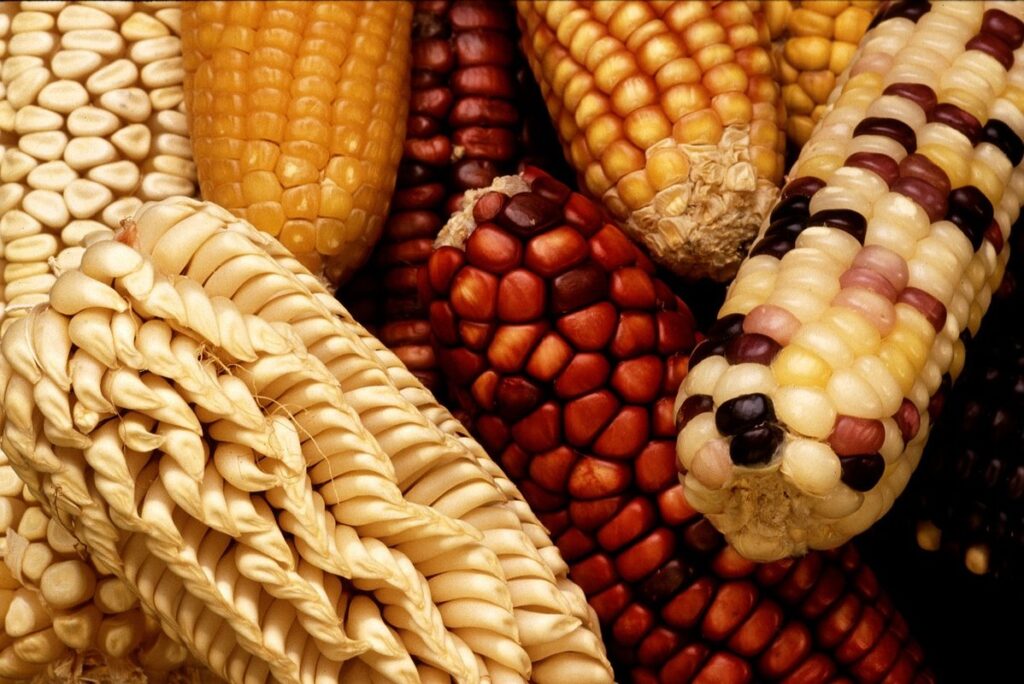
When it comes to planting sweet corn, choosing the right variety is crucial for a bountiful harvest. Sweet corn varieties can be broadly classified into three categories: heirloom, hybrid, and specialty.
Heirloom sweet corn varieties have been around for generations and are prized for their unique flavors and textures. They often require more maintenance than hybrids but offer a level of authenticity that many gardeners find appealing. For example, the ‘Stowell’s Evergreen’ variety is a popular heirloom choice known for its tender ears and rich flavor.
Hybrid sweet corn varieties, on the other hand, are bred specifically for their high yields and disease resistance. They tend to mature more quickly than heirlooms but may lack some of their charm. Look for hybrids like ‘Honey & Cream’ or ‘Silver Queen’, which offer a balance between yield and taste.
Specialty sweet corn varieties cater to specific needs, such as ornamental uses or unique flavor profiles. For instance, the ‘Purple Breeze’ variety boasts deep purple ears with a natural sweetness.
When selecting a sweet corn variety for your region and climate, consider factors like maturity days, heat tolerance, and moisture requirements. This will help ensure that you choose a variety that thrives in your local conditions.
Understanding Climate Requirements for Sweet Corn
When it comes to growing sweet corn, understanding the ideal climate requirements is crucial for a successful harvest. Sweet corn prefers full sun and warm temperatures, but excessive heat can lead to poor germination and reduced yields. Ideally, plant sweet corn when the soil temperature reaches at least 55°F (13°C) during the day and no lower than 50°F (10°C) at night.
Sweet corn requires a long growing season with moderate rainfall. Aim for at least 20-25 inches of annual precipitation or supplemental irrigation to prevent moisture stress. Be mindful of extreme weather conditions, such as intense heatwaves, droughts, or heavy downpours, which can impact pollination and ear development.
In terms of sunlight, sweet corn needs full sun (at least 6 hours of direct sunlight) to produce well. Ensure your planting area receives adequate sunlight by choosing a location that’s free from shade. Consider using row covers to protect your crop from wind and frost damage during the sensitive seedling stage.
Preparing the Soil
Before planting sweet corn, it’s essential to prepare your soil for optimal growth. This involves loosening the dirt and adding necessary nutrients to create a fertile environment.
Testing and Amending Your Soil
Soil testing is an essential step before planting sweet corn. It helps you determine the nutrient levels and pH balance of your soil, ensuring it’s suitable for corn growth. You can collect a soil sample from your garden bed and send it to a lab for analysis or use a DIY kit. The test results will provide information on nutrient levels such as nitrogen (N), phosphorus (P), and potassium (K). A soil pH between 6.0 and 7.0 is ideal for sweet corn, but most corn varieties can tolerate slightly acidic to neutral soil.
If your soil tests indicate low nutrient levels or an imbalance, you’ll need to amend it with fertilizers and other substances. Common soil amendments for growing sweet corn include compost, manure, and well-rotted farmyard manure. These natural sources of nutrients will enrich the soil without contaminating groundwater. Synthetic fertilizers like ammonium nitrate can also be used but in moderation as excessive use can damage your soil’s ecosystem.
To ensure optimal growth, incorporate 2-4 inches of compost or other amendments into the top 6-8 inches of soil before planting sweet corn. You may also need to adjust your irrigation schedule based on soil moisture levels and temperature.
Creating a Well-Draining Bed for Sweet Corn
When planting sweet corn, it’s essential to create a well-draining bed that will support healthy growth and prevent waterlogged soil. To achieve this, start by loosening the soil to a depth of about 12 inches. This will allow for proper drainage and aeration.
Next, incorporate organic matter like compost or well-rotted manure into the soil. These materials help improve the soil‘s structure, increase its ability to retain water, and provide essential nutrients for your sweet corn plants. Aim to add at least 2-3 inches of organic matter per foot of soil depth.
To further enhance drainage, consider using mulch or other materials like perlite or sand. Mulch helps retain moisture in the soil while preventing it from becoming waterlogged. You can spread a 2-inch layer of mulch around the plants after they’ve reached about 6 inches tall.
Planting Sweet Corn
Now that you’ve prepared the soil and gathered your seeds, it’s time to plant sweet corn directly into the ground, where they’ll thrive in a sunny spot. Choose a location with rich soil and full sun for best results.
Sowing Seeds at the Right Depth and Spacing
When sowing sweet corn seeds, it’s essential to get the depth and spacing just right. If the seeds are planted too deeply, they may not have enough energy to reach maturity. On the other hand, if they’re planted too shallowly, they can be susceptible to drying out and disease.
A good rule of thumb is to plant sweet corn seeds about 1 inch deep and 6-8 inches apart in rows that are 3 feet apart. This allows for proper root development and minimizes competition between plants. When planting, make sure the seeds are sown in a zigzag pattern or in hills, rather than in straight lines. This will help prevent moisture from collecting in the row and causing fungal diseases.
Proper seed treatment is also crucial. Before sowing, gently remove any debris or weak seeds from the packet, and soak the remaining seeds in water for 24 hours to enhance germination rates. Handle the seeds carefully to avoid damaging them, as this can lead to lower yields and more fragile stalks.
Planting in Blocks or Rows: What’s Best?
When it comes to planting sweet corn, one of the most crucial decisions you’ll make is whether to plant in blocks or rows. While both methods have their benefits and drawbacks, understanding these differences will help you maximize your yield.
Planting in rows can be beneficial for smaller spaces, as it allows for a more compact layout. This method also enables easier access for weeding and harvesting. However, row planting can lead to reduced yields due to competition between plants for space, sunlight, and water.
On the other hand, block planting involves planting multiple rows together, creating a larger contiguous area of corn. This method promotes healthy growth by allowing plants to spread out and receive adequate air circulation, reducing disease risk. Block planting also increases yields, as more pollination occurs within the compacted area. In fact, studies have shown that block planting can result in up to 20% higher yields compared to row planting.
Ultimately, the decision between blocks or rows comes down to your specific garden space and needs. Consider your available square footage, crop rotation plan, and desired yield before deciding on a planting method.
Watering and Irrigation
To ensure your sweet corn grows strong and healthy, it’s essential to learn proper watering and irrigation techniques, which we’ll cover next. Let’s dive into the specifics of how to water and irrigate your sweet corn crop effectively.
Meeting Sweet Corn’s Moisture Needs
Determining the right amount of water for your sweet corn crop is crucial to ensure its optimal growth and development. Climate plays a significant role in this process. If you’re planting in a hot and dry climate, your sweet corn will require more frequent watering compared to cooler and wetter regions.
Soil type also affects moisture needs. Well-draining soils may need less water as excess moisture can lead to root rot, while heavy clay soils may require more consistent watering due to their poor drainage capabilities. Seasonality is another important factor – during periods of rapid growth or when ears are forming, sweet corn requires more water.
To gauge your sweet corn’s moisture needs, check the soil daily by inserting a finger into the soil up to about 4 inches deep. If it feels dry, it’s time to water. Aim for about 1-2 inches of water per week, either from rainfall or irrigation. Keep in mind that overwatering can be detrimental to your sweet corn crop, so monitor its needs closely and adjust accordingly.
Installing Drip Irrigation Systems for Efficient Water Use
When it comes to watering your sweet corn plants efficiently, drip irrigation systems are an excellent choice. These systems deliver water directly to the roots of the plants, reducing evaporation and runoff. This not only conserves water but also minimizes soil erosion.
To install a drip irrigation system for your sweet corn crop, start by laying out the tubing according to the spacing of your plants. Use a soaker hose or emitter tubes that release water at a rate of 0.5-1 gallon per hour. This will ensure even moisture distribution and prevent overwatering.
Maintenance is relatively easy with drip irrigation systems. Simply check for clogs, clean the emitters regularly, and replace them every few years to maintain optimal performance. These systems are also cost-effective in the long run, as they use less water than traditional sprinkler systems and can be set up to automatically water your plants while you’re away.
For a 10×10 foot bed of sweet corn, you’ll need around $20-$50 worth of materials, including tubing, emitters, and fittings. This is a one-time investment that will pay for itself in just a few seasons through reduced water bills and increased yields.
Pest Management and Disease Prevention
To ensure a healthy sweet corn crop, it’s essential to implement effective pest management and disease prevention techniques right from the planting stage. Let’s take a closer look at these crucial steps.
Identifying Common Sweet Corn Pests and Diseases
Sweet corn crops are susceptible to various pests and diseases that can significantly impact yields. One of the most common sweet corn pests is the earworm moth, whose larvae feed on kernels from within. Early signs of infestation include small holes in ears or kernels that have been consumed entirely.
Another key pest to watch out for is the European corn borer, which bores into stalks and can lead to weakened plants. Its caterpillars are often found on the underside of leaves. You may also encounter the sugarcane aphid, a sap-sucking insect that can cause curled or distorted leaves.
Diseases affecting sweet corn include common rust, powdery mildew, and Stewart’s wilt. Common rust is characterized by reddish-brown spores on leaves and stems, while powdery mildew appears as white or gray powder on plant surfaces. To manage these issues early detection is key. Inspect your plants regularly for signs of infestation or disease.
If you do encounter a pest or disease issue, take action promptly to minimize damage. This might involve introducing beneficial insects, adjusting irrigation and fertilization practices, or applying targeted pesticides as a last resort.
Organic Methods for Controlling Pests and Fungus in Sweet Corn
Controlling pests and fungus is crucial for a healthy sweet corn crop. To achieve this without harming the environment, consider these organic methods:
Crop rotation is an effective way to reduce pest pressure. Rotate your sweet corn with other plants like beans, peas, or cucumbers, which can help deter common pests like aphids and whiteflies. For example, if you planted corn in a particular spot last season, try planting it on the opposite side of the garden this time around.
Companion planting is another technique that promotes healthy growth while keeping pests at bay. Certain herbs and flowers repel insects and diseases naturally. Planting basil or mint alongside sweet corn can deter aphids and other pests. Similarly, marigold flowers are known to repel nematodes, microscopic worms that can harm the roots of your corn plants.
For fungal diseases like powdery mildew and blight, use neem oil or diatomaceous earth as a natural defense mechanism. Neem oil works by coating the plant’s surfaces with a thin layer, making it difficult for fungal spores to attach. Diatomaceous earth, on the other hand, dehydrates fungal cells when they come into contact with its sharp edges.
Remember, these organic methods may require more effort and planning upfront, but they’re essential for maintaining a balanced ecosystem in your garden.
Harvesting Your Sweet Corn
Now that your sweet corn is mature, it’s time to reap what you’ve sown by harvesting your crops at the perfect stage of ripeness. This ensures maximum flavor and sweetness.
Determining the Optimal Maturity Date for Sweet Corn
Determining when sweet corn is ready for harvest can be a bit tricky, but there are some simple ways to determine its optimal maturity date. One of the most reliable methods is to check the color and texture of the kernels. As sweet corn matures, the kernels will change from a milky white to a creamy yellow or golden color. This process usually takes around 18-20 days after silking.
To ensure you’re harvesting at the right time, gently peel back one of the husks and inspect the kernels. A ripe ear of sweet corn will have plump, tender kernels that are slightly firm to the touch. The juice should also be clear, not milky or cloudy. If you notice any green spots on the kernels or a sour smell, it’s likely overripe.
When checking for maturity, consider the following characteristics: kernel size, texture, and color. A ripe ear of sweet corn will have plump, even-sized kernels with a smooth texture. The husk should be tightly wrapped around the ear, and the silk should be dry and brittle.
Hand-Harvesting vs. Machine Harvesting: What’s Best?
When it comes to harvesting sweet corn, you’ll need to decide between two main methods: hand-harvesting and machine harvesting. Both approaches have their own set of advantages and disadvantages that can impact the quality and yield of your crop.
Hand-harvesting involves manually plucking the ears of corn from the stalks using a variety of tools such as gloves, pruning shears, or even just your hands. This method is ideal for small-scale growers or those with limited equipment resources. Benefits include the ability to carefully select ripe ears and minimize damage to the plants. However, hand-harvesting can be labor-intensive, time-consuming, and may lead to inconsistent yields.
Machine harvesting, on the other hand, uses specialized equipment like corn pickers or combines to collect the ears of corn in a single pass. This method is often preferred by commercial growers due to its efficiency and higher yield potential. However, machines can cause damage to the plants and miss some ripe ears if not properly calibrated. If you choose machine harvesting, make sure to follow the manufacturer’s guidelines for optimal performance.
Ultimately, the choice between hand-harvesting and machine harvesting depends on your specific needs and resources. If you’re new to growing sweet corn or have limited space, hand-harvesting may be a more manageable option. But if you’re looking to scale up production, machine harvesting could be worth considering.
Conclusion
Now that you’ve successfully planted your sweet corn seeds, it’s essential to remember that patience is key. Sweet corn typically takes around 60-90 days to mature after sowing. Make sure to keep the soil consistently moist during this time and avoid overwatering, which can lead to disease and pests. As your corn stalks grow, you’ll notice them forming ears, which will eventually fill with juicy kernels. When harvesting, be gentle when removing the ears from the plant to avoid damaging the delicate tips.
By following these simple steps and providing optimal care for your sweet corn plants, you’ll be enjoying a bountiful harvest in no time!
Frequently Asked Questions
Can I grow sweet corn in containers or must it be planted directly in the ground?
Yes, you can grow sweet corn in large containers with good drainage, but keep in mind that they will require more frequent watering and fertilization than those grown directly in the soil. Choose a container at least 6-8 inches deep to accommodate the mature root system of the plants.
How do I prevent moisture from causing fungal diseases in my sweet corn crop?
Yes. To minimize the risk, ensure good air circulation around your plants by spacing them far enough apart and avoiding overwatering. Apply a fungicide specifically designed for sweet corn if you notice any signs of disease. Regularly inspect your plants and remove any infected areas to prevent the spread.
Can I plant multiple varieties of sweet corn together in the same bed, or will they cross-pollinate?
No, different sweet corn varieties can cross-pollinate, which may result in reduced yields and inferior taste. To avoid this issue, choose only one variety for each planting area or separate different varieties by at least 100 feet to minimize cross-pollination.
What’s the ideal soil pH range for growing sweet corn?
Yes. Sweet corn prefers a slightly acidic to neutral soil pH between 6.0 and 7.0. Test your soil regularly to determine its pH level, then adjust it if necessary with lime or sulfur. Avoid planting in areas with consistently low or high pH levels.
Can I replant seeds from my previous sweet corn harvest for future seasons?
No, seed quality deteriorates over time due to genetic degradation and reduced viability. For optimal results, purchase new seeds each season from a reputable supplier.