
The tiny terror of gardeners everywhere: aphids. These pesky insects can quickly multiply and devastate your prized plants, leaving them weakened and vulnerable to disease. But don’t worry, getting rid of aphids on your plants is a task you can tackle with ease using the right techniques. In this article, we’ll cover both natural and chemical methods for killing aphids, as well as integrated pest management strategies to prevent future infestations. We’ll explore the best ways to identify an aphid problem, how to use neem oil and insecticidal soap to control outbreaks, and what steps you can take to keep these pests from coming back. Whether you’re a seasoned gardener or just starting out, this guide will give you the tools you need to protect your plants and enjoy a healthy, thriving garden.
Understanding Aphid Infestations
To effectively kill aphids on your plants, it’s essential to understand what causes these infestations and how they spread. Let’s dive into why aphids infest certain plants in the first place.
What Are Aphids?
Aphids are one of the most common and destructive garden pests, and understanding what they are is crucial to effectively managing their populations. These tiny insects measure between 1-10 millimeters in length and have a distinctive pear-shaped body that is soft and fragile. Aphids feed on plant sap, sucking it from leaves, stems, and flowers, which can cause significant damage to the plant.
As aphids feed, they also excrete a sticky substance called honeydew, which attracts other insects like ants and wasps, further exacerbating the problem. Moreover, aphids can spread plant viruses and diseases as they feed, making them a double threat to your plants’ health. For instance, the potato aphid is known to transmit the potato virus X (PVX), which can lead to stunted growth and reduced yields.
To identify aphids on your plants, look for clusters of white, cottony material or curled leaves, which are often a sign of an aphid infestation. Regular monitoring and prompt action can help prevent severe damage and reduce the risk of disease transmission.
Identifying Aphid Symptoms
When it comes to identifying aphid infestations, there are several common signs to look out for. One of the most noticeable symptoms is curled or distorted leaves. This is because aphids secrete a sticky substance called honeydew as they feed on plant sap. The sugar content in honeydew can attract ants and promote the growth of sooty mold, which can further damage your plants.
To confirm if you have an aphid infestation, inspect your plants carefully for sticky droplets or residue on leaves, stems, and soil. Discolored stems and leaves are also a giveaway, as aphids inject toxins while feeding, causing discoloration and stunted growth.
Look out for ants crawling on the undersides of leaves or along the stem, as they’re often attracted to honeydew secreted by aphids. These tiny insects can multiply quickly, so it’s essential to act fast if you spot any signs of an infestation. Regularly inspecting your plants and taking prompt action can help prevent aphid infestations from getting out of hand.
The Dangers of Unchecked Aphid Growth
Aphid infestations can have severe consequences if left unchecked. As these tiny insects feed on plant sap, they weaken the plant’s immune system and disrupt its ability to carry out essential functions like photosynthesis and nutrient uptake. This can cause stunted growth, yellowing leaves, and reduced fruit production.
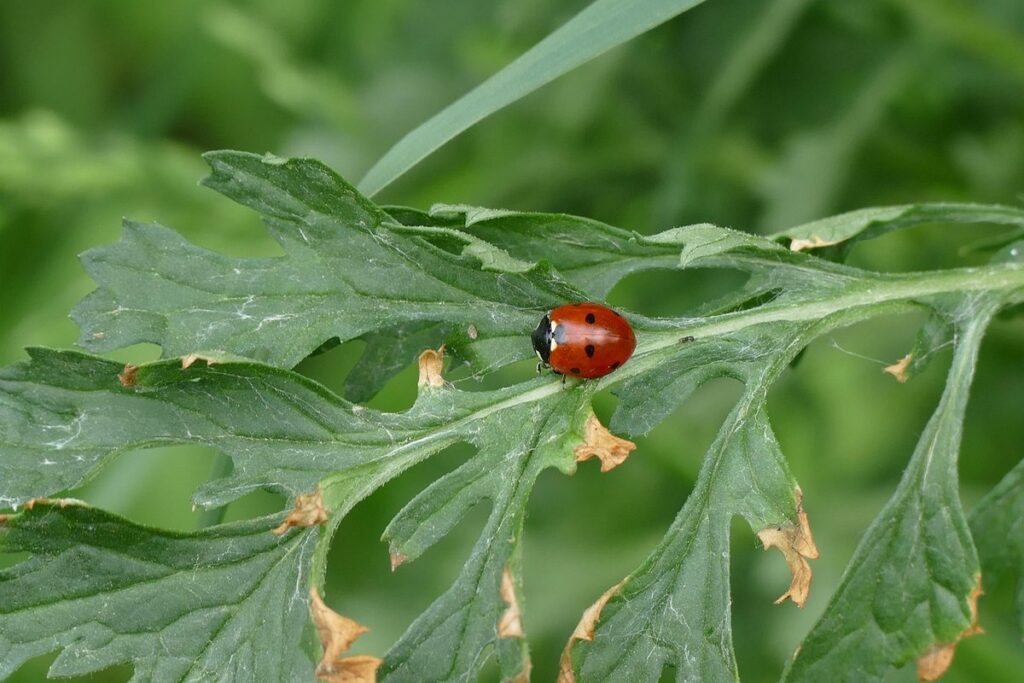
But that’s not all – aphids also attract other pests to your plants. Ladybugs, lacewings, and hoverflies are often naturally occurring predators of aphids, but they may also feed on the plant itself if the aphid population becomes too large. This can lead to a cascade of problems as the plant struggles to recover from the damage.
Moreover, aphids can transmit plant viruses like tobacco rattle virus (TRV) and potato virus Y (PVY), which can cause widespread destruction in crops. They also contribute to fungal infections by secreting sticky honeydew that fosters the growth of fungi on plant surfaces. If you don’t address an aphid infestation promptly, it can spread quickly through your garden or greenhouse, causing significant damage and losses.
Organic Methods for Killing Aphids
If you’re looking for a chemical-free solution to kill aphids on your plants, we’ll dive into some effective organic methods that are gentle on your garden. Let’s explore natural ways to keep these pests under control!
Neem Oil: A Natural Pest Control
Neem oil is a natural and highly effective solution for controlling aphid populations on plants. This plant-based insecticide has been used for centuries to manage pests, and its benefits are well-documented. The primary active compound in neem oil is azadirachtin, which disrupts the insect’s hormone system, preventing them from reproducing and eventually killing them.
One of the most significant advantages of using neem oil is its environmental safety. Unlike synthetic pesticides, neem oil breaks down quickly in water and sunlight, making it a non-toxic option for gardeners who want to minimize their chemical footprint. Additionally, neem oil can be used on a wide range of plants, including vegetables, fruits, and flowers.
To use neem oil effectively, mix 2-3% of the oil with water and spray it on the affected areas. It’s essential to note that neem oil works best as a preventative measure, so regular application is key. For existing aphid infestations, combine neem oil with other organic methods, such as introducing beneficial insects or using horticultural soap, for optimal results.
Soap Solution: A Gentle yet Effective Approach
Using a mild dish soap solution is an effective and gentle approach to controlling aphid populations on plants. This method involves mixing 1-2 teaspoons of mild dish soap with 1 quart of water in a spray bottle. The solution should be sprayed directly on the affected areas, making sure to cover all surfaces where aphids are present.
The advantages of using a soap solution include its ease of preparation and application, as well as its affordability compared to commercial insecticides. Additionally, this method is gentle enough for most plants, even those with delicate leaves or flowers. For example, if you’re dealing with an aphid infestation on your prized rose bush, a soap solution can be used without causing damage.
However, there are potential drawbacks to consider. Overusing the soap solution can harm your plant’s roots and leave residues that may affect its growth. To avoid this, always test a small area of the plant first and use a dilute concentration. It’s also essential to repeat the treatment every 7-10 days for optimal results, as aphid populations can quickly regrow after treatment.
Garlic Spray: A Natural Deterrent
Making garlic spray is a simple process that can be done at home using just a few ingredients. To make it, you’ll need 3-4 cloves of minced garlic, 1 quart of water, and a small bowl or container to mix everything together. Start by mixing the minced garlic into the water and let it sit for about an hour to allow the flavors to infuse.
After that, strain the mixture through a cheesecloth or a fine-mesh sieve to remove the garlic solids and create a clear liquid spray. This is your garlic spray, which can be stored in the fridge for up to 3 days.
As an organic aphid repellent, garlic spray has shown promising results in garden trials. The pungent smell of garlic can repel aphids and other pests from plants without harming beneficial insects or the environment. However, it’s essential to note that garlic spray may not kill existing infestations but rather prevent new ones.
To use garlic spray effectively, dilute it with water according to the ratio specified on the label (usually 2-3 parts water to 1 part garlic spray), and spray it directly onto affected areas of the plant. Reapply every few days as needed.
Chemical Methods for Killing Aphids
When it comes to chemical methods, we’re talking about using pesticides that specifically target aphids and their colonies on your plants. These can be a fast and effective solution when used correctly.
Insecticidal Soap: A Popular Choice
Insecticidal soap is a popular choice among gardeners for controlling aphid populations due to its effectiveness and gentle impact on beneficial insects. This chemical pesticide works by breaking down the insect’s exoskeleton, ultimately leading to their death.
One of the key benefits of using insecticidal soap is its targeted approach. Unlike broad-spectrum pesticides that harm all insects, including those beneficial to your garden, insecticidal soap is relatively harmless to bees and butterflies. This makes it an excellent option for gardeners who want to maintain a balanced ecosystem.
When applying insecticidal soap, mix the recommended concentration with water according to the product’s instructions. Spray the solution directly on aphid-infested areas of the plant, making sure to cover all surfaces thoroughly. Repeat applications may be necessary depending on the severity of the infestation and the soap’s effectiveness.
For best results, use insecticidal soap in combination with other control methods, such as introducing natural predators or removing heavily infested plants from the garden. This integrated approach can help minimize aphid populations while preserving beneficial insects and maintaining a healthy ecosystem.
Systemic Insecticides: A More Aggressive Approach
Systemic insecticides are a more aggressive approach to killing aphids on plants. These chemicals work by being absorbed by the plant’s roots and then distributed throughout its tissues, including leaves, stems, and fruits. They can be effective against aphid infestations, but their use comes with significant risks.
One major concern is their impact on beneficial insects. Systemic insecticides can harm or kill bees, butterflies, ladybugs, lacewings, and other pollinators that help maintain the health of your garden. This is particularly problematic for gardeners who want to create a balanced ecosystem.
When it comes to environmental consequences, systemic insecticides have been linked to water pollution and soil contamination. They can leach into groundwater or run off into nearby waterways, harming aquatic life. Some systemic insecticides are also known to persist in the environment for extended periods.
If you still choose to use systemic insecticides, be sure to follow the label instructions carefully and take precautions to minimize harm. This may include avoiding application during peak pollinator activity or using integrated pest management techniques that incorporate other methods of aphid control.
Imidacloprid: A Widely Used but Controversial Pesticide
Imidacloprid is one of the most widely used pesticides for controlling aphids, but its use has also raised concerns about safety and environmental impact. This systemic insecticide works by being absorbed by plants and transmitted to pests through their sap, ultimately killing them. One advantage of imidacloprid is its effectiveness in providing long-lasting protection against aphids and other pests.
However, there are several disadvantages associated with the use of imidacloprid. Research has shown that this pesticide can be toxic to bees and butterflies, and may also affect beneficial insects like ladybugs and lacewings. Moreover, imidacloprid has been linked to environmental issues such as water pollution and soil contamination.
As a result, many countries have implemented restrictions on the use of imidacloprid, particularly in areas where it is most needed. If you still choose to use this pesticide, make sure to follow the recommended dosage and application guidelines carefully. It’s also essential to consider integrated pest management (IPM) practices that minimize chemical use and promote a balanced ecosystem.
Integrated Pest Management (IPM) Strategies
When it comes to managing aphid populations, a multi-faceted approach is often the most effective way to go. In this section, we’ll explore integrated pest management strategies that can be used in conjunction with other methods to keep your plants safe and healthy.
Monitoring and Inspecting Your Plants
Regular monitoring is essential when it comes to managing aphid infestations. By keeping a close eye on your plants, you can detect early signs of infestation and take action before the problem escalates. Start by inspecting your plants regularly, ideally once a week, for any visible signs of aphids, such as shiny eggs or live insects.
When monitoring, focus on areas like the undersides of leaves, stems, and soil around plant bases, where aphids often congregate. Take note of any unusual growth patterns or discoloration, which can indicate infestation. For example, curled or distorted leaves are common symptoms of aphid damage.
To inspect your plants effectively, use a hand lens or magnifying glass to get up close and personal with potential problem areas. If you do spot aphids, consider using sticky traps or yellow traps nearby to capture the pests and prevent them from spreading. By catching infestations early, you can prevent further damage and reduce the need for more drastic measures like pesticides.
Cultural Controls: Adjusting Plant Care Habits
When it comes to managing aphid infestations, adjusting plant care habits can be an effective and non-chemical approach. By modifying your pruning, watering, and fertilizing routines, you can create an environment that’s less conducive to aphid growth.
Pruning is a crucial step in controlling aphids. Regularly removing dead or diseased branches not only improves air circulation but also reduces the number of hiding spots for these pests. For example, if you’re growing roses, pruning them back by one-third each spring can help control aphid populations. Watering habits are another area to focus on – overwatering can lead to weak, succulent growth that’s more vulnerable to aphid attacks. Conversely, underwatering can stress the plant, making it more susceptible to pest infestations.
Fertilizing your plants wisely is also essential in deterring aphids. Avoid using high-nitrogen fertilizers as they promote lush foliage that aphids love. Instead, opt for balanced or low-nitrogen formulas that encourage root growth and robust stem development. This type of plant will be better equipped to withstand aphid infestations.
By implementing these changes, you can create a more resilient plant that’s less appealing to aphids – reducing the need for chemical controls. Remember, it’s all about creating an environment that’s hostile to pests and favorable to healthy plant growth.
Biological Controls: Encouraging Beneficial Insects
Beneficial insects play a crucial role in controlling aphid populations. These natural predators are a valuable addition to your garden’s ecosystem and can significantly reduce the need for chemical pesticides. Ladybugs, lacewings, and parasitic wasps are some of the most effective beneficial insects for aphid control.
To attract these predators to your garden, create an environment that is conducive to their survival. Plant a diverse range of flowers that provide nectar and pollen, such as marigolds, sunflowers, and cosmos. These plants will not only attract beneficial insects but also provide a food source for them. Additionally, maintain a balanced ecosystem by avoiding the use of broad-spectrum pesticides, which can harm or kill these beneficial insects.
Ladybugs, in particular, are known to feed on aphids, consuming up to 60 eggs and 20 nymphs per day. Lacewings are also effective predators, preying on aphid eggs, larvae, and adults. Parasitic wasps lay their eggs inside aphid eggs or bodies, killing them from within. By incorporating these beneficial insects into your garden’s ecosystem, you can significantly reduce aphid populations without the need for chemical pesticides.
Preventing Future Aphid Infestations
To ensure you don’t have to deal with aphids again, we’ll cover essential tips for preventing infestations and creating an aphid-free environment around your plants.
Creating a Barrier Against Pests
Creating a barrier against pests is an essential step in preventing future aphid infestations. One of the most effective methods is to use physical barriers. You can cover plants with fine-mesh screens or fine-netted row covers to prevent aphids from reaching them. For example, if you’re growing roses or other tender shoots, consider using individual plant covers to protect them from aphid attacks.
Another method is companion planting. Certain plants, such as basil and mint, repel aphids due to their strong scent. Planting these species alongside your vulnerable plants can help deter aphids without the need for chemicals. Additionally, introducing beneficial microorganisms into your garden soil can also create a barrier against pests. Beneficial nematodes, for instance, feed on grubs that can attract aphids and other pests.
When using companion planting, remember to plant the repellent species near the affected plants but not so close that it competes with them for resources. Similarly, when introducing beneficial microorganisms, ensure you follow the manufacturer’s instructions for application rates and timing. By creating a barrier against pests, you can significantly reduce the likelihood of aphid infestations and protect your plants from damage.
Encouraging Healthy Plant Growth
Maintaining healthy plant growth is crucial to preventing future aphid infestations. Aphids are attracted to stressed and weakened plants, so by providing your plants with the right care and nutrition, you can significantly reduce their risk of getting infested.
Firstly, ensure that your plants receive adequate sunlight and water. Most houseplants need direct sunlight for at least 4-6 hours a day, while others prefer indirect light. Be mindful of watering schedules, as overwatering or underwatering can cause stress to the plant. A well-draining potting mix will help prevent root rot, which is a common issue in plants that are waterlogged.
Proper fertilization is also essential for healthy plant growth. Feed your plants with a balanced fertilizer during the growing season (spring and summer), following the product’s instructions. You can also add compost tea or worm castings to provide a boost of beneficial microbes that help the plant absorb nutrients more efficiently.
Keep in mind that different plants have unique needs, so research specific care requirements for your plant species. By giving your plants the right conditions and nutrients, you’ll create an environment that’s less appealing to aphids, making it easier to prevent future infestations.
Frequently Asked Questions
What are the best timing for spraying neem oil to kill aphids, during their life cycle or after?
Spraying neem oil when aphid populations are high is most effective. Apply it during the evening or night to avoid harming beneficial insects that may be present on plants during the day. Timing your sprays according to the insect’s life cycle (typically every 7-10 days) will also help control infestations.
Can I use neem oil and soap solution together, or is one more effective?
Yes, you can combine neem oil and soap solution for a potent aphid-killing cocktail. However, be cautious not to overdo it, as excessive soapy residue can harm plants. Start with a small test batch to ensure the combination doesn’t cause any adverse effects.
How do I prevent aphids from returning after using natural pest control methods?
To create a long-term barrier against pests, incorporate multiple strategies into your garden routine. Include cultural controls like adjusting plant care habits and biological controls by encouraging beneficial insects. Regular monitoring and inspecting plants will also help catch early signs of infestation.
Can systemic insecticides be used as a last resort to kill aphids quickly?
Yes, systemic insecticides can provide rapid control over aphid populations. However, due to concerns about the environmental impact and potential harm to pollinators, they should only be considered as a last resort after exploring other management strategies. Always follow label instructions carefully when using these chemicals.
How long does it take for neem oil or soap solution to kill aphids after application?
Neem oil typically starts killing aphids within 24-48 hours of application, while soap solutions can take slightly longer (2-3 days). The exact timeframe depends on the severity of the infestation and environmental conditions like temperature and humidity.