
Kale lovers, rejoice! You don’t have to bid farewell to your favorite leafy greens just yet. Kale is often thought to be a fragile plant that can’t withstand harsh winter conditions. But, surprisingly, many kale varieties are quite hardy and can tolerate a decent amount of cold. In fact, with proper care and selection, you can enjoy kale throughout the year, even in areas where frost is common.
As we approach the colder months, protecting your kale plants from frost damage, slow growth, and root damage becomes crucial. This is where overwintering techniques come into play. By choosing the right varieties, monitoring soil temperature, and taking preventative measures, you can ensure a bountiful harvest even in the dead of winter. In this article, we’ll delve into the surprising cold hardiness of kale plants and share expert tips on how to keep them thriving all year round.
Understanding Kale’s Hardiness
When it comes to cold tolerance, one of the most frequently asked questions is how low can kale plants really go? Let’s dive into what makes kale so hardy in chilly conditions.
Frost Tolerance: A Key Factor in Kale’s Cold Resistance
Frost tolerance is a crucial aspect of a plant’s ability to withstand cold temperatures. It refers to the extent to which a plant can survive and recover from exposure to frost. Kale plants have some level of frost hardiness, but it depends on various factors such as the specific variety, age of the plant, and environmental conditions.
In general, kale is more resistant to cold temperatures than other leafy greens like spinach or lettuce. However, prolonged periods of extreme cold can still damage or kill the plant. To determine how well your kale plants will tolerate frost, consider their stage of growth: younger plants are generally more susceptible to damage than mature ones.
If you live in an area prone to frosts, choose varieties that are bred for high frost tolerance, such as ‘Winterbor’ or ‘Red Russian’. Plant them at the right time, ideally when the soil has cooled down and there’s no risk of sudden drops in temperature. Regular watering also helps kale recover from light frosts.
Impact of Temperature on Kale Growth
Kale growth is significantly impacted by temperature fluctuations. When temperatures are ideal, kale plants thrive and produce an abundance of leaves. The optimal temperature range for kale growth is between 60°F (15°C) and 70°F (21°C). Within this range, kale plants grow at a moderate pace, developing robust leaves and stems.
However, when temperatures dip below this range, growth slows down dramatically. Temperatures above 80°F (27°C) can cause stress to the plant, leading to reduced growth rates or even bolting – a process where the plant focuses its energy on producing flowers instead of leaves. Lower temperatures, on the other hand, can bring growth to a near standstill.
For example, if exposed to prolonged periods below 40°F (4°C), kale plants may become stunted and produce smaller leaves. Prolonged exposure to freezing temperatures can even cause damage or kill the plant altogether. To maintain optimal growth conditions, it’s essential to monitor temperature fluctuations and provide protection for your kale plants during extreme weather events.
Factors Affecting Kale’s Cold Tolerance
When growing kale, it’s essential to consider the factors that impact its cold tolerance. This section will break down these key elements to help you grow robust and resilient kale plants year-round.
Soil Temperature: A Critical Factor
Soil temperature plays a crucial role in determining kale’s cold tolerance. While air temperature is often the focus when discussing plant hardiness, soil temperature is equally important for optimal growth. Kale requires a minimum soil temperature of around 40°F (4°C) to germinate and establish itself properly. If the soil is too cold, seedlings may emerge slowly or be more susceptible to disease.
In areas with cold winters, it’s essential to ensure your soil is at a suitable temperature before planting kale. You can achieve this by covering the soil with mulch or black plastic to warm it up. In regions with mild winters, you can plant kale directly into the garden as soon as the threat of frost has passed.
For existing kale plants, maintaining optimal soil temperature is crucial for continued growth and cold tolerance. Adding organic matter like compost or well-rotted manure can help regulate soil temperature and provide essential nutrients for healthy growth. By ensuring your soil meets the required minimum temperature, you’ll be able to enjoy a bountiful harvest of delicious, nutritious kale.
Moisture Levels and Cold Stress
When it comes to cold stress in kale plants, moisture levels play a crucial role. Extreme dryness can lead to desiccation, causing cellular damage and ultimately affecting the plant’s ability to withstand freezing temperatures.
Prolonged exposure to drought conditions can cause roots to become damaged, impairing their ability to absorb water and nutrients necessary for survival during cold snaps. This is especially true in young kale plants that are still developing their root system. To mitigate this risk, ensure your kale plants receive adequate moisture before winter sets in. A good rule of thumb is to provide about 1 inch of water per week, either through rainfall or irrigation.
Monitor soil moisture closely as temperatures drop below freezing. If the top 2-3 inches of soil feel dry to the touch, it’s likely that the roots have become damaged, and the plant may not recover from cold stress. In such cases, the only solution is to replant in the spring.
Effects of Prolonged Exposure to Cold
If you’ve been wondering how cold can kale plants tolerate, it’s essential to understand the effects of prolonged exposure to cold temperatures on these nutritious greens. This section breaks down what happens when your kale is subjected to frost and freezing temps.
Impact on Leaf Quality and Flavor
When kale plants are exposed to cold temperatures for an extended period, it can have a significant impact on their leaf quality and flavor. The texture of the leaves may become brittle and less palatable, making them unappealing for consumption. This is because cold temperatures slow down the plant’s metabolic processes, causing cell walls to break down and leading to a softer, more fragile texture.
In terms of flavor, prolonged exposure to cold can result in a loss of sweetness and an increase in bitterness. Kale leaves may become less sweet and more astringent, which can be off-putting for some consumers. This is because the cold temperatures disrupt the plant’s ability to synthesize sugars, leading to a decrease in overall flavor quality.
The nutritional content of kale leaves can also be affected by prolonged exposure to cold temperatures. While kale remains a nutrient-rich superfood even when exposed to cold, its vitamin C and beta-carotene levels may decline significantly. However, other essential vitamins and minerals like calcium and iron remain relatively stable under these conditions.
Potential Damage from Extreme Cold
When kale plants are exposed to extreme cold temperatures for an extended period, they can suffer from significant damage. One of the primary concerns is root damage, which can occur when water inside the plant’s cells freezes and expands, causing the roots to rupture or become dislodged. This can lead to a reduction in the plant’s ability to absorb nutrients and water, ultimately resulting in plant death.
Extreme cold stress can also cause physical damage to the leaves, stems, and flowers of kale plants. Prolonged exposure to temperatures below 25°F (-4°C) can lead to desiccation, causing the plant to shrivel up and become brittle. In severe cases, the plant may even freeze solid, resulting in permanent damage or death.
To minimize potential damage from extreme cold, it’s essential to take preventative measures. This includes providing adequate protection for your kale plants, such as using row covers or bringing potted plants under cover if possible.
Strategies for Overwintering Kale
To successfully overwinter kale, you’ll want to employ some clever strategies that involve protection from harsh winter conditions and a few clever gardening hacks. Let’s dive into those now!
Protection Methods: Row Covers, Greenhouses, and More
When it comes to overwintering kale, protecting your plants from harsh winter conditions is crucial. One of the most effective methods for keeping kale safe during extended periods of cold weather is by using row covers. These lightweight fabrics allow light and water to reach your plants while keeping frost and chill out.
There are various types of row covers available, including porous ones that allow air circulation and prevent moisture buildup. To use row covers effectively, simply drape them over your kale beds or individual plants, securing them with rocks or clips to prevent them from blowing away in the wind.
If you’re looking for a more long-term solution, consider investing in a greenhouse or cold frame. These structures provide a buffer against extreme temperatures and can extend the growing season by several weeks. You can also create your own mini-greenhouse using plastic bottles, old windows, or other recycled materials to keep your kale plants warm.
In addition to these methods, you can also use other creative solutions like mulching with straw or grass clippings to insulate your soil and retain heat.
Cold-Acclimation Techniques
When it comes to overwintering kale, cold-acclimation techniques play a crucial role in helping your plants adjust to gradual changes in temperature. This process is essential for kale’s survival during the harsh winter months when temperatures can drop significantly.
One of the most effective techniques for acclimating kale plants is to provide them with a period of gradual cooling. Start by moving your plants to a shaded area or providing some protection from direct sunlight, allowing them to adjust to the decreasing temperature. Over several days or weeks, you can gradually lower the temperature in small increments, ideally 5-10°F (3-6°C) per day.
Another technique is to use row covers or other breathable fabrics to shield your plants from extreme wind and frost. This will help prevent damage while still allowing for some airflow and moisture transfer. By using a combination of these techniques, you can help your kale plants acclimate to the changing temperature, ensuring they remain healthy and productive throughout the winter months.
Some gardeners also use the ‘hardening off’ method, which involves gradually exposing plants to outdoor conditions over a period of 7-10 days before moving them outside for good. This process helps strengthen their cell walls and improves their resistance to cold stress.
Best Practices for Kale Cultivation
To successfully grow kale, you’ll want to learn some best practices for cultivating these hardy greens, from soil preparation to frost tolerance. Here are our top tips to ensure a thriving kale crop.
Selecting Hardier Kale Varieties
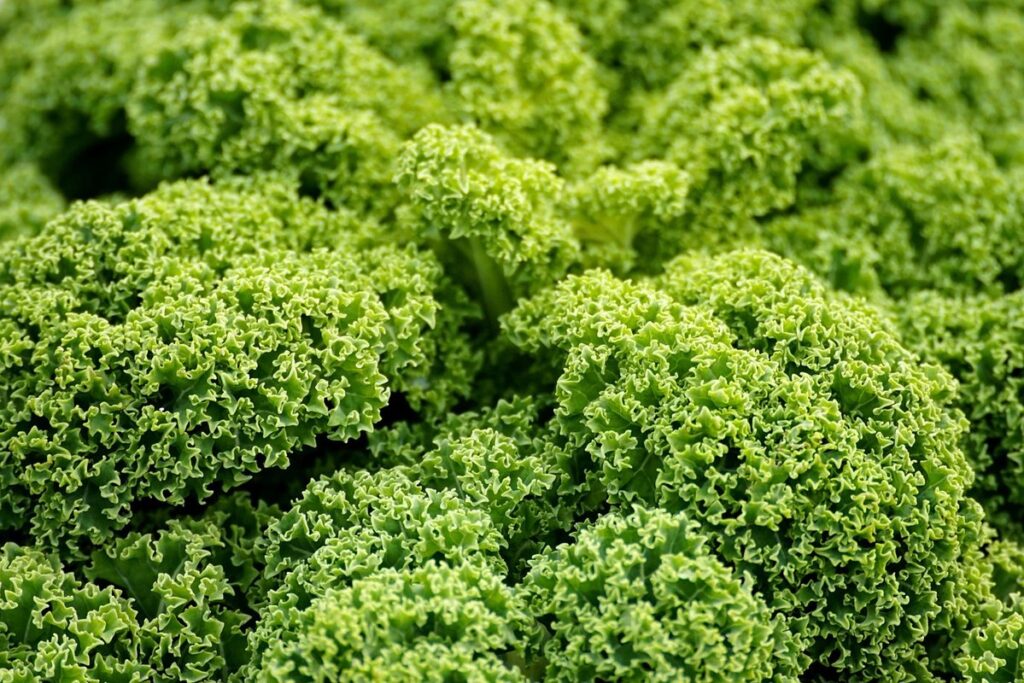
When it comes to cultivating kale, selecting hardier varieties is crucial for withstanding cold temperatures. Some kale varieties are bred specifically for their ability to tolerate frost and freezing conditions. Look for varieties like ‘Dwarf Blue Curled’, ‘Russian Red’, and ‘Lacinato’ (also known as ‘Tuscan Kale’). These varieties have been cultivated to be more resilient in the face of cold weather.
‘Dwarf Blue Curled’ kale, for instance, can withstand temperatures as low as 10°F (-12°C) without sustaining significant damage. Its compact growth habit and smaller leaves make it an excellent choice for colder climates. ‘Russian Red’ kale is another popular variety that can tolerate temperatures down to -15°F (-26°C). Its deep red color and curly leaves add a pop of color to any winter garden.
Choosing the right kale variety can make a significant difference in your harvest success. By selecting varieties bred for cold hardiness, you’ll be better equipped to handle unexpected frosts or prolonged periods of cold weather. This will not only ensure a bountiful harvest but also reduce stress and save time spent on maintenance.
Preparing Soils for Cold Weather
Preparing soils for cold weather is crucial to ensure optimal conditions for kale growth during winter. Before winter sets in, it’s essential to make some adjustments to retain moisture and regulate soil temperature.
One way to do this is by adding organic matter such as compost or well-rotted manure to your soil. This not only improves its structure but also helps retain moisture, reducing the need for frequent watering. Aim for a minimum of 2-3 inches of organic material incorporated into the top 6-8 inches of soil.
Another method is to use mulch. Apply a thick layer (around 4-5 inches) of straw or wood chips on top of your soil. This helps regulate soil temperature, keeping it from getting too cold during winter months. As the mulch breaks down, it will also add nutrients to your soil, promoting healthy growth.
By incorporating these methods into your pre-winter soil preparation routine, you’ll be setting your kale plants up for success in even the harshest of cold weather conditions.
Conclusion
Now that we’ve explored the optimal temperature range for kale, let’s summarize what you can expect from your cold-tolerant crop and how to protect it through winter months.
Recap of Key Takeaways
In conclusion to our exploration of kale plants’ cold tolerance, let’s recap the key takeaways. We’ve established that kale is a relatively hardy crop when it comes to withstanding low temperatures. However, its ability to tolerate cold weather is not solely dependent on its genetic makeup.
Key factors such as soil quality, moisture levels, and exposure to wind all play a significant role in determining how well a kale plant can withstand frost or extended periods of cold temperatures. For example, well-drained soil with adequate organic matter will help to insulate the roots and protect against root damage, while consistent moisture levels will help the plant maintain its structural integrity.
When planning for winter harvests or facing unexpected frosts, it’s essential to be aware of these factors and take proactive measures such as applying mulch, providing wind protection, and monitoring soil conditions closely. By understanding the interplay between these variables and taking steps to mitigate potential risks, you can successfully grow kale in colder climates and enjoy a bountiful harvest even when temperatures drop below freezing.
Future Considerations: Research and Innovation
As we wrap up our exploration of kale’s cold hardiness, it’s essential to acknowledge that there is still much to be discovered. Ongoing research into the genetics and physiology of kale will undoubtedly shed more light on its tolerance for frost and freezing temperatures.
Future breakthroughs in plant breeding may also unlock new varieties with even greater resilience to cold stress. For example, researchers have already identified genes associated with cold hardiness in other Brassica species, which could be used to develop similar traits in kale. By leveraging this knowledge, farmers and gardeners may soon have access to kale varieties that can thrive in areas previously deemed too harsh for cultivation.
To stay at the forefront of these advancements, growers should remain informed about emerging research and innovations in plant breeding and cultivation techniques. This might involve attending workshops or conferences focused on cold-tolerant crops or participating in online forums where experts share their findings and insights.
Frequently Asked Questions
What’s the ideal soil temperature for kale growth before winter?
While some kale varieties can tolerate cooler temperatures, optimal soil temperatures range from 40°F to 70°F (4°C to 21°C) for healthy growth. Before winter, ensure your soil temperature is above 32°F (0°C) to prevent root damage.
Can I still harvest kale during extreme cold snaps?
Yes, if you’ve taken preventative measures like using row covers or bringing plants under protection, you can continue harvesting kale even during short-term extreme cold snaps. However, prolonged exposure to temperatures below 25°F (-4°C) may cause irreparable damage.
How do I know which kale varieties are best for my region’s climate?
Choose kale varieties that have been bred specifically for your region’s climate and temperature range. Research local nurseries or consult with experts to find the most suitable variety for your area, taking into account factors like frost tolerance and growth habits.
What are some common mistakes to avoid when overwintering kale?
Don’t forget to monitor soil moisture levels closely during winter, as excessive water can exacerbate cold stress in kale plants. Additionally, ensure proper air circulation around plants to prevent disease buildup and maintain optimal growth conditions.
Can I use a simple frost blanket or tarp to protect my kale from frost damage?
Yes, a simple frost blanket or tarp can be an effective and cost-friendly option for protecting your kale from frost damage. Just make sure to cover the plants early enough to allow them to acclimate to the increased protection.