
As winter approaches, many gardeners worry about losing their harvest to frost. But did you know that there are some incredible frost-resistant vegetables that can thrive even in the coldest conditions? Not only can these hardy veggies protect your winter harvest, but they also offer a world of flavor and nutrition during the off-season. In this article, we’ll delve into the wonderful world of frost-resistant vegetables, exploring innovative techniques for growing and protecting them from harsh weather conditions. We’ll share expert tips on how to create a successful cold-season garden, even in areas with short growing seasons or unpredictable temperatures. Get ready to discover new favorites and learn how to grow your own frost-hardy veggies year-round!
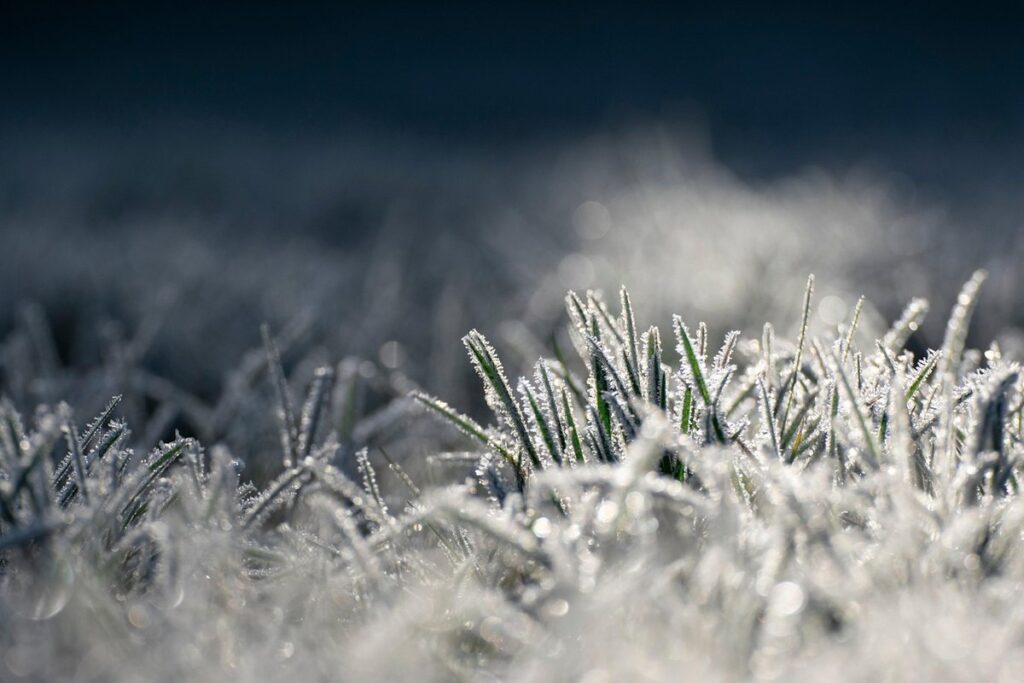
Understanding Frost Damage to Vegetables
Frost damage can be a frustrating problem for gardeners, especially when it comes to tender vegetables. In this next section, we’ll explore how frost affects different types of vegetables and what you can do to mitigate the damage.
Types of Frost Damage
When you think of frost damage to vegetables, it’s easy to assume that all types of frosts are created equal. However, the truth is that different levels of frost can cause varying degrees of damage to your crops. Let’s break down the three main types of frost and how they can impact your winter harvest.
Light frosts typically occur when temperatures drop just above freezing, usually between 24°F (-4°C) and 32°F (0°C). At this level, light frosts may cause minor damage to tender shoots or leaves, but more resilient plants like broccoli, kale, and Brussels sprouts can tolerate these conditions with minimal impact. However, repeated exposure to light frosts can weaken plant defenses and make them more susceptible to disease.
Moderate frosts are a bigger concern, as temperatures drop between 24°F (-4°C) and -15°F (-26°C). At this level, moderate frosts can cause significant damage to plant tissues, including leaf scorching, bud kill, and even the destruction of entire crops. Root vegetables like carrots and beets may be more resilient than above-ground crops during moderate frosts.
Severe frosts are the most damaging, as temperatures plummet below -15°F (-26°C). In extreme cases, severe frosts can kill plant tissues instantly, leaving behind little to no crop. Even frost-resistant varieties can be severely impacted by prolonged exposure to such harsh conditions.
Signs of Frost Damage
When frost damage occurs, it can be challenging to detect until it’s too late. However, being aware of common signs can help you take action before the damage becomes irreversible. One of the most noticeable signs is discoloration, which can range from yellowing or browning of leaves to complete blackening. This usually occurs on the most susceptible parts of the plant, such as buds and young shoots.
Tissue death is another indicator that frost has affected your crops. It may appear as dry, brittle, or mushy areas on the stem or branches, which can be a sign that cell damage has occurred. Reduced growth rates are also common after a frost event, particularly if it was severe enough to cause significant damage to the plant’s reproductive structures.
Keep an eye out for these signs and act promptly if you notice any of them. If possible, inspect your plants in the morning when moisture is still present on the leaves, as this will make discoloration more visible. Regular monitoring can help you catch issues early and take corrective action before they lead to further damage or even plant loss.
Choosing Frost Resistant Vegetables
When selecting frost-resistant vegetables, it’s essential to consider the specific hardiness of each crop and its ability to withstand harsh winter conditions. Choose varieties that thrive in cooler temperatures.
Best Bets for Winter Harvests
When it comes to winter harvests, there are several frost-tolerant vegetables that can thrive in cold temperatures. Among these, Brussels sprouts stand out as one of the hardiest options. These tiny cabbage-like wonders can tolerate light frosts and even continue to produce new buds after a light freeze.
Other top performers include broccoli, which is almost as cold-hardy as Brussels sprouts, and kale, which can survive in temperatures as low as 20°F (-7°C). Carrots are also surprisingly resilient and can be harvested right through the winter months. These vegetables are perfect for adding some color and nutrition to your winter meals.
To get the most out of these frost-tolerant veggies, make sure to choose varieties that are specifically bred for cold weather. Some popular options include ‘Redbor’ kale, ‘Deep Purple’ broccoli, and ‘Long Island Improved’ Brussels sprouts. By planting these varieties in a sheltered spot or using row covers to protect them from harsh winds, you can enjoy a bounty of delicious winter vegetables all season long.
Other Options for Cooler Climates
While cauliflower, cabbage, and spinach are often associated with cooler climates, they’re not as hardy as some of the other options we’ve discussed. However, they can still perform relatively well under light to moderate frost conditions.
Cauliflower is a bit more sensitive than the others, but it can tolerate temperatures as low as 25°F (-4°C) for short periods. To ensure its success, choose a variety specifically bred for cooler climates and provide protection with row covers or cold frames if necessary.
Cabbage and spinach are a bit hardier, tolerating temperatures down to around 20°F (-7°C). These two vegetables also benefit from the same protective measures as cauliflower, but can sometimes be grown right up until the first frost.
If you live in an area where light frosts occur regularly, these three vegetables offer a good compromise between hardiness and flavor. Be sure to plan your planting schedule accordingly, taking into account the specific needs of each variety. By doing so, you’ll be able to enjoy a successful harvest even on the chilliest of winter days.
It’s worth noting that spinach is one of the most cold-tolerant leafy greens available, making it an excellent choice for areas with mild winters.
Growing Methods to Protect Against Frost
To grow frost-resistant vegetables successfully, you’ll want to learn how to protect them from harsh winter conditions and use techniques that shield against extreme cold snaps. This section will cover effective growing methods for frost protection.
Covering Plants with Row Covers
When it comes to protecting your frost-resistant vegetables from light frosts and wind chill, row covers are an excellent tool. These lightweight, breathable fabrics allow air and water to reach your plants while trapping heat and keeping the cold out. By covering your plants with row covers during the day, you can help keep them warmer than they would be exposed to direct sunlight.
At night, when the temperature drops, the row cover helps retain any residual heat that’s still present in the soil and air. This means your plants won’t experience those harsh temperature fluctuations that can damage or kill them. For example, if it’s 40°F (4°C) outside during the day, but dips to 30°F (-1°C) at night, a row cover can help keep your plants around 5-10°F (3-6°C) warmer than the ambient air.
To use row covers effectively, choose a breathable material like cotton or mesh, and drape it over your plants, securing it with rocks or soil to prevent wind from lifting it. Apply it lightly, as too much weight can damage stems or crush leaves.
Using Cold Frames or Greenhouses
Creating a mini-greenhouse or cold frame is an excellent way to extend your growing season and shield your frost-resistant vegetables from harsh winter conditions. Not only can these structures protect against extreme temperatures, but they also retain heat and light, creating an ideal environment for growth.
Imagine being able to enjoy fresh, homegrown produce in the dead of winter – it’s a reality with cold frames or greenhouses. These mini-structures are essentially walls that surround your plants, trapping warmth and preventing frost damage. You can create one using old windows, wooden planks, and some basic construction skills.
By extending the growing season, you’ll be able to harvest crops like spinach, kale, and Brussels sprouts long after they would have been killed off by frost. And with a little creativity, you can build your cold frame or greenhouse to fit any available space in your garden – even on a balcony or patio.
Some key considerations when building a cold frame include choosing the right materials (wood, plastic, or glass), ensuring adequate ventilation to prevent overheating, and providing sufficient light for your plants.
Selecting Varieties for Frost Tolerance
When selecting frost-tolerant vegetables, you’ll want to consider varieties that can withstand light frosts and potentially even survive short periods of prolonged cold snaps. Let’s explore some top choices for your winter garden.
Hardy Heirlooms vs. Hybrid Varieties
When selecting frost-resistant vegetables for your winter garden, you’ll often come across two main types of varieties: hardy heirlooms and hybrid varieties. While both have their benefits and drawbacks, they can exhibit varying levels of frost tolerance.
Heirloom varieties are often chosen for their rich flavor and unique characteristics, but they may not be the most reliable choice when it comes to withstanding harsh winter conditions. This is because heirloom seeds are typically saved from previous harvests and bred for their desirable traits, rather than specifically for frost resistance. However, some heirlooms have been selectively bred over time to develop natural cold hardiness.
Hybrid varieties, on the other hand, are bred specifically for their desirable traits, including disease resistance, improved yields, and enhanced tolerance to extreme weather conditions. They can offer a reliable choice when it comes to frost-resistant vegetables. When selecting hybrid varieties, look for specific keywords like “cold hardy” or “frost tolerant” to ensure you’re getting the best option for your winter garden.
Keep in mind that even within these categories, individual varieties will vary in their tolerance to frost and other environmental stressors. Always check the specific growing requirements for each variety and plan accordingly to ensure a successful harvest.
Breeding Programs for Frost-Resistant Crops
Plant breeders are working tirelessly to develop new vegetable varieties that can thrive even under the most challenging winter conditions. These breeding programs focus on identifying and enhancing existing traits within crops to make them more resilient to frost. For instance, researchers have been experimenting with incorporating natural compounds that help protect plant cells from damage caused by ice crystals.
Some notable examples of these efforts include the development of broccoli varieties that can be harvested in as little as 50 days after planting, even at temperatures as low as 20°F (-7°C). Similarly, sweet potato breeders are working on creating varieties with improved cold tolerance, which could help stabilize food supplies in regions prone to winter frosts.
To take advantage of these innovations, gardeners can look for specific keywords when selecting seeds or seedlings. These might include terms like “early maturity,” “cold hardy,” or “frost tolerant.” By choosing the right varieties and providing optimal growing conditions, even the most novice growers can enjoy a bountiful harvest despite the challenges posed by winter weather.
Tips for Successful Winter Gardening
Now that you’ve chosen your frost-resistant vegetables, let’s dive into some valuable tips to help ensure a successful winter gardening experience.
Soil Preparation is Key
When it comes to growing frost-resistant vegetables during the winter months, soil preparation is often overlooked but plays a crucial role. Without proper care, soil can become compacted and lose its fertility, making it difficult for plants to thrive. To maintain your soil’s structure and fertility, incorporate organic matter into your garden beds.
Add compost or well-rotted manure in autumn, before the ground freezes, to give microorganisms time to break down over winter. You can also use green manures like clover or rye as a cover crop to add nutrients and prevent erosion. Avoid tilling too deeply, as this can damage soil’s fragile ecosystem.
By focusing on soil preparation, you’ll create an optimal environment for your winter crops to grow. Remember that frost-resistant vegetables need good drainage, so ensure your soil isn’t waterlogged before planting. Test your soil pH regularly and amend it if necessary, keeping in mind that most winter vegetables prefer a slightly acidic to neutral soil condition.
Crop Rotation Strategies
Crop rotation is an essential strategy for maintaining a healthy and productive winter garden. By regularly changing the crops you plant, you can break the life cycle of pests and diseases, reduce nutrient depletion, and improve soil fertility. For example, if you planted brassicas (such as broccoli or kale) in a particular bed last season, consider planting legumes like beans or peas this season to avoid attracting pests that specifically target those crops.
To implement an effective crop rotation strategy, divide your garden into sections based on the type of crop family and growing requirements. This will allow you to rotate different types of vegetables within each section while minimizing disruptions to the soil ecosystem. For instance, group cool-season crops like carrots, beets, and radishes together in one area, and warm-season crops like tomatoes, peppers, and eggplants in another.
Rotate your crops every 3-4 months to avoid depleting specific nutrients and allow for replenishment through natural means.
Advanced Techniques for Frost Protection
Once you’ve chosen your frost-resistant vegetables, let’s dive into some advanced techniques for protecting them from harsh winter conditions and potential damage.
Hydroponic Systems for Year-Round Production
Hydroponic systems are revolutionizing indoor gardening, enabling growers to cultivate frost-resistant vegetables year-round under controlled conditions. This method eliminates the need for traditional outdoor farming techniques and the associated risks of frost damage. By leveraging hydroponics, you can enjoy a continuous harvest of winter crops, regardless of weather conditions.
To get started with hydroponic systems, you’ll need to choose a suitable location with adequate space for growing towers or troughs. Ensure that your system is well-ventilated and equipped with LED grow lights, which provide the necessary spectrum for healthy plant growth. The soilless medium can be either rockwool or coco coir, both of which are designed for optimal water retention.
Some popular hydroponic systems for indoor gardening include NFT (Nutrient Film Technique) and DWC (Deep Water Culture). These methods involve circulating nutrient-rich solutions to the roots of the plants, promoting healthy growth and maximum yields. For example, you can grow up to 8-10 lettuce or herb plants in a single NFT system.
Bio-Protective Agents
As you explore advanced techniques for frost protection, you may have come across the concept of bio-protective agents. These biological agents, such as certain bacteria and fungi, have shown promise in promoting plant resilience and adaptation to frost damage.
Research has identified various microorganisms that can enhance a plant’s ability to withstand cold temperatures. For example, some strains of Pseudomonas fluorescens have been found to produce compounds that protect plants from freezing temperatures by regulating ice crystal formation. Similarly, the fungus Trichoderma harzianum has been shown to stimulate the production of stress-related proteins in plants, making them more resistant to frost.
To utilize these bio-protective agents in your winter crop management, you can consider applying them as a soil drench or foliar spray. Some products already contain these beneficial microbes, which can be incorporated into your growing routine. Alternatively, you may need to source the microorganisms separately and follow specific application instructions. By leveraging these biological agents, you can further enhance the frost resistance of your crops and improve their overall hardiness.
Frequently Asked Questions
Can I grow frost-resistant vegetables indoors using hydroponic systems?
You can use hydroponic systems to grow frost-resistant vegetables year-round, regardless of outdoor weather conditions. This method allows for precise control over temperature, light, and nutrient levels, making it an ideal choice for indoor gardening. When selecting varieties, choose those bred specifically for hydroponics or with a high level of frost tolerance.
What’s the best way to protect my existing garden from unexpected frosts?
If you’re concerned about unexpected frosts, consider investing in row covers or cold frames. These simple and cost-effective solutions can provide your plants with protection from even the lightest frosts. Simply drape row covers over your plants or install a cold frame around your bed – both methods will help keep the chill off.
Can I use regular seeds for frost-resistant vegetables, or do I need to purchase specialized varieties?
While some regular seed varieties may exhibit a degree of frost resistance, it’s generally best to opt for seeds specifically bred for their hardiness. These specialized varieties have been developed using advanced breeding programs that prioritize frost tolerance and will yield better results in cold conditions.
How often should I check my plants for signs of frost damage during winter?
Regular monitoring is essential when growing frost-resistant vegetables. Check your plants daily for signs of frost damage, such as discoloration or brittleness, and take prompt action to address any issues you spot. This proactive approach will help minimize losses and ensure a healthy harvest.
Can I use bio-protective agents like neem oil to protect my plants from frost?
Bio-protective agents can provide additional protection against fungal diseases but are not a substitute for proper frost management techniques. While they may offer some benefits, their effectiveness in preventing frost damage is limited. Focus on using tried-and-tested methods like row covers or cold frames to safeguard your winter crops.