
Are you ready to take your seed germination to the next level? Temperature plays a crucial role in successfully growing plants, but many gardeners struggle with getting it just right. Whether you’re a seasoned green thumb or a beginner, understanding the optimal temperature for seed germination is essential for achieving healthy and robust growth.
In this ultimate guide, we’ll delve into the world of temperature-controlled seed germination, covering everything from ideal temperatures to environmental considerations that can make all the difference. We’ll also provide troubleshooting tips to help you overcome common challenges and ensure your seeds germinate successfully. By the end of this article, you’ll have a solid understanding of how to use temperature to your advantage in growing thriving plants. Let’s get started on this journey to seed success!
Understanding Seed Germination Basics
To grow healthy plants, it’s essential to understand how seeds germinate, and that starts with knowing the basic principles of seed germination. Let’s dive into these fundamentals together!
What is Seed Germination?
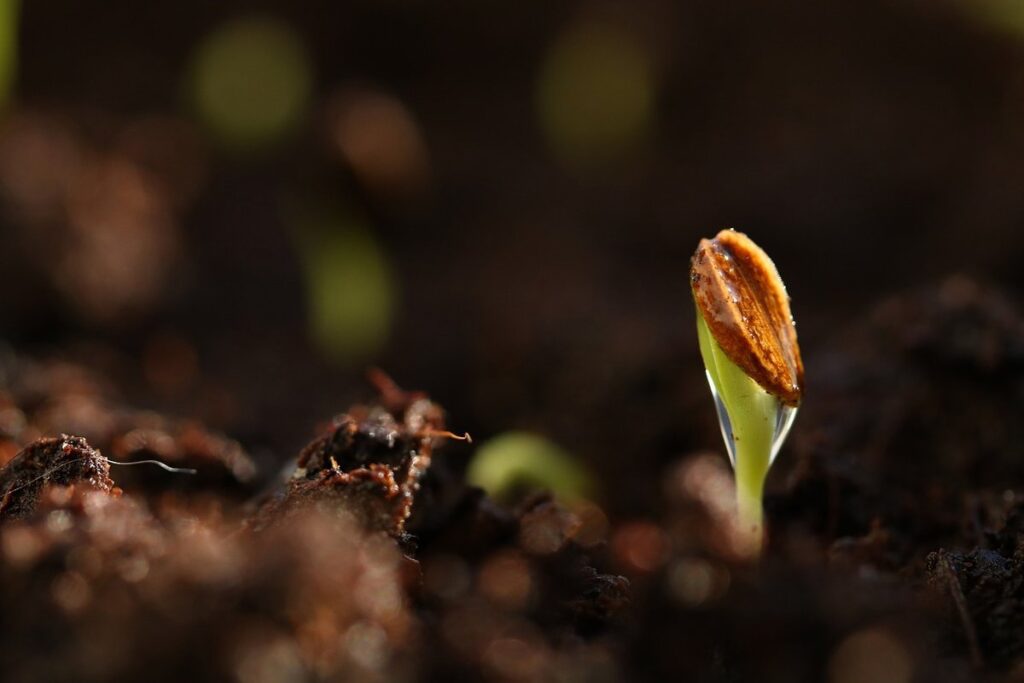
Seed germination is the fascinating process by which seeds sprout into seedlings. It’s an essential step in plant growth and development, marking the beginning of a new plant’s life cycle. When a seed absorbs sufficient water, it triggers a series of biochemical reactions that ultimately lead to the emergence of a young plant.
During germination, the seed coat softens, and the embryo inside begins to grow. The radicle (primary root) emerges first, followed by the cotyledon (seed leaf), which eventually develops into a mature leaf. This process is crucial for plants to adapt to their environment and establish themselves as living organisms.
The importance of germination cannot be overstated; it’s a delicate phase that determines the seedling’s ability to survive and thrive in its surroundings. Factors such as soil quality, moisture levels, temperature, and light exposure all play critical roles in facilitating successful germination. By understanding these factors, gardeners can optimize their conditions to promote healthy germination and set their plants up for long-term success.
Factors Affecting Seed Germination
Seed germination is a complex process that involves the coordinated effort of various environmental factors. While temperature plays a crucial role in seed germination, it’s not the only factor at play. Light, water, and oxygen also have significant impacts on this delicate process.
Light, for instance, can either promote or inhibit seed germination depending on its intensity and duration. Seeds that require light to germinate, such as those of marigolds and tomatoes, will be severely impaired if placed in a dark environment. Conversely, seeds like lettuce and cabbage are sensitive to light and should be sown in a shaded area.
Water is another critical factor, with most seeds requiring adequate moisture to break dormancy. However, overwatering can lead to fungal infections and other problems that hinder germination. Oxygen levels also play a vital role, as some seeds require oxygen-rich soil to sprout. Understanding these factors will help you create the ideal conditions for seed germination, even when working with temperature-sensitive varieties.
Importance of Temperature for Seed Germination
Temperature plays a crucial role in seed germination, and its effects can be both subtle and dramatic. The optimal temperature range for seed germination varies greatly depending on the type of plant and seed being used. For example, tomato seeds typically require a warm environment between 70-80°F (21-27°C) to germinate, while lettuce seeds prefer cooler temperatures around 40-50°F (4-10°C).
If the temperature is too low, seeds may remain dormant or take an excessively long time to germinate. Conversely, extremely high temperatures can cause seeds to overheat and fail to germinate altogether. To give you a better idea of how temperature affects seed germination, consider this: most garden vegetables and flowers require a consistent temperature between 60-75°F (15-24°C) for optimal germination.
Understanding the ideal temperature range for your specific seeds is essential for successful germination. Check the seed package or consult with a gardening expert to determine the optimal temperature requirements for your seeds. By providing the right temperature conditions, you’ll be well on your way to achieving high-quality seed germination results.
Temperature Zones for Seed Germination
To help you get started, we’ll break down temperature zones by seed type and explore which ones thrive in different temperatures. Let’s take a look at some specific examples.
Cool-Season Crops: Temperature Requirements
Cool-season crops are ideal for gardeners who want to cultivate plants that thrive in cooler temperatures. These crops typically require temperatures below 70°F (21°C) to germinate and grow well. Some popular cool-season crops include broccoli, cauliflower, kale, spinach, carrots, beets, and radishes.
When it comes to temperature requirements, these crops have specific needs for optimal germination. For example, broccoli requires a soil temperature of around 60-65°F (15-18°C) for germination, while cauliflower prefers temperatures between 55-60°F (13-15°C). Kale and spinach can germinate in temperatures as low as 40-50°F (4-10°C), making them excellent choices for early spring planting.
In areas with mild winters, some cool-season crops can be planted in late fall or early winter. This allows the plants to mature before the ground freezes, producing a delicious harvest during the cooler months. To ensure successful germination, make sure to choose varieties that are specifically bred for your region’s climate and temperature zones. Check the seed package or consult with local gardening experts to determine the optimal planting time for your specific cool-season crops.
Warm-Season Crops: Temperature Requirements
When it comes to warm-season crops, temperature plays a crucial role in their germination. These crops require warmer temperatures, typically above 70°F (21°C), to initiate the germination process. Some examples of warm-season crops that fall into this category include tomatoes, peppers, eggplants, okra, and southern peas.
The optimal temperature range for these crops varies, but generally falls between 75°F (24°C) and 85°F (29°C). Tomatoes, for instance, typically germinate best between 80°F (27°C) and 85°F (29°C), while peppers prefer temperatures around 82°F (28°C). Eggplants tend to germinate faster at warmer temperatures, usually above 85°F (29°C).
To give you a better idea of the temperature requirements for warm-season crops, consider the following: if your local temperature averages around 70°F (21°C) during the day but drops to 50°F (10°C) at night, it’s likely too cool for warm-season crops. Conversely, temperatures consistently above 90°F (32°C) can lead to seed rot and other problems.
Keep in mind that these are general guidelines, and specific varieties may have slightly different temperature requirements. Always check the seed packet or consult with a local nursery expert to determine the best temperature range for your specific crop.
Tropical Seeds: Specialized Temperature Needs
Seeds from tropical regions often have unique temperature requirements for successful germination. One of the most striking examples is the coconut seed, which requires a warm and humid environment to germinate. Coconut seeds typically thrive between 75°F (24°C) and 90°F (32°C), with optimal temperatures ranging from 85°F (29°C) to 88°F (31°C). This narrow temperature window makes it challenging for growers in cooler climates to successfully germinate these seeds.
Other tropical seeds, such as those of the mango and papaya trees, have similar requirements. Mango seeds typically germinate between 75°F (24°C) and 90°F (32°C), while papaya seeds prefer temperatures above 80°F (27°C). For successful germination, it’s essential to provide these seeds with a consistent temperature within their optimal range.
Growers can use techniques such as seed stratification or controlled environment agriculture to replicate the tropical conditions required for germination. By understanding and mimicking the natural temperature fluctuations of tropical regions, growers can increase the chances of successful seed germination even in cooler climates.
Germinating Different Types of Seeds
Whether you’re working with delicate herbs, robust vegetables, or exotic flowers, understanding how to germinate different types of seeds is crucial for success. We’ll explore the unique temperature requirements for various seed categories.
Flowering Plant Seeds
When it comes to flowering plant seeds, the temperature requirements for germination can vary significantly from one type to another. For example, orchid seeds typically require a cooler temperature between 65-75°F (18-24°C) to initiate germination, while African violet seeds prefer warmer temperatures around 70-80°F (21-27°C).
Other popular flowering plant seeds like petunias and begonias have more moderate requirements, with optimal germination temperatures ranging from 65-85°F (18-29°C). Meanwhile, geraniums and impatiens tend to require slightly cooler temperatures between 60-75°F (15-24°C) for successful germination.
To give you a better idea of the temperature needs for flowering plant seeds, here are some specific examples:
* Carnations: 70-80°F (21-27°C)
* Chrysanthemums: 65-75°F (18-24°C)
* Gerbera daisies: 60-70°F (15-21°C)
Keep in mind that these temperatures are general guidelines, and some specific varieties may have unique requirements. To ensure optimal germination, always check the seed packet or consult with a local nursery for more information on temperature needs for your specific flowering plant seeds.
Vegetable Seeds
Vegetable seeds have unique temperature requirements that can significantly impact their germination rates and overall growth. For popular varieties like tomatoes, cucumbers, and lettuce, the optimal temperatures for germination are as follows: Tomatoes thrive between 70°F to 80°F (21°C to 27°C), while cucumbers prefer slightly warmer temperatures between 75°F to 85°F (24°C to 29°C). Lettuce, on the other hand, can be sown as low as 40°F (4°C) and as high as 70°F (21°C).
When choosing vegetable seeds for your garden, consider the temperature range specific to each variety. For example, if you live in an area with a mild winter, you can sow lettuce seeds directly into the ground in early spring or late summer. However, if you’re growing tomatoes, make sure the soil has warmed up to at least 55°F (13°C) before sowing.
It’s also essential to note that some vegetable seeds are more sensitive to temperature fluctuations than others. For instance, brassicas like broccoli and cauliflower require cooler temperatures between 60°F to 65°F (15°C to 18°C), while warm-season crops like peppers and eggplants prefer temperatures above 65°F (18°C). By understanding the specific temperature requirements for each variety, you can optimize your seed germination rates and enjoy a bountiful harvest.
Fruit Seeds
Fruit seeds often pose a unique challenge when it comes to germinating them due to their diverse temperature requirements. For instance, citrus seeds typically prefer warmer temperatures between 75°F and 85°F (24°C to 30°C) to initiate germination. This is because they are native to tropical regions where the climate is warm and humid.
Mango seeds, on the other hand, require a slightly cooler temperature range of around 65°F to 75°F (18°C to 24°C). If you’re trying to germinate avocado seeds, keep in mind that they thrive in temperatures between 70°F and 80°F (21°C to 27°C).
When it comes to fruit seed germination, it’s essential to mimic their natural environment as closely as possible. This means providing them with the right temperature conditions during the germination process. For example, if you’re starting citrus seeds indoors, make sure your grow light or heating mat is set to the optimal temperature range.
To give yourself a better chance of success, research the specific temperature requirements for the fruit seed variety you’re working with. With the right temperature and care, you’ll be on your way to successfully germinating even the most finicky fruit seeds.
Environmental Considerations for Seed Germination
When it comes to seed germination, environmental factors can greatly impact how seeds grow and thrive. Let’s explore the essential environmental considerations that influence temperature-sensitive seeds.
Light Requirements for Seed Germination
Light is another crucial environmental factor that influences seed germination. While some seeds can tolerate full light, others require darkness or specific light spectra to break dormancy and initiate germination. The effect of light on seed germination is often underestimated, but it’s a critical component of the overall environment.
Seeds such as lettuce, radish, and alfalfa prefer darkness during germination. These seeds have evolved to remain dormant until exposed to suitable environmental conditions, like soil moisture and adequate temperature, which can be triggered by complete darkness. In contrast, plants like tomato, pepper, and eggplant need specific light spectra – typically blue or red light – to initiate germination.
When experimenting with seed germination, consider the light requirements of your specific seeds. If you’re unsure about the optimal light conditions for your seeds, research their specific needs or consult a reliable resource. It’s also essential to maintain consistent light levels throughout the germination process to avoid shocking the developing seedlings.
Water Requirements for Seed Germination
When it comes to seed germination, adequate water is just as crucial as optimal temperature. Seeds need enough moisture to break dormancy and initiate growth, but overwatering can be detrimental to the process. In fact, excessive water can lead to root rot, fungal infections, and even kill the seedling before it has a chance to emerge.
The ideal amount of water required for seed germination varies depending on the type of seed and its natural environment. As a general rule, seeds should be kept moist but not waterlogged. A good starting point is to provide about 10-15% more moisture than what’s naturally present in the soil. For example, if the seed is adapted to grow in a region with 20% relative humidity, you can aim for around 30-35% relative humidity during germination.
Be cautious not to overwater seeds, especially those from tropical or subtropical regions that prefer dry conditions. Check on your seeds regularly and adjust watering accordingly.
Soil and Humidity Considerations
When it comes to seed germination, soil conditions play a crucial role. Ideal soil should have good drainage and aeration to prevent waterlogged soil, which can lead to fungal growth and other issues. A general rule of thumb is to use a well-draining potting mix specifically designed for seed starting.
Humidity levels also impact seed germination. Most seeds require a humid environment to germinate, typically between 70-90% relative humidity. You can create a humid microclimate by covering the container with a clear plastic bag or a cloche. This helps retain moisture and maintain the optimal temperature range for germination.
Maintaining proper soil moisture is also essential. Seeds need consistent moisture during germination, but overwatering can be detrimental. Check the seed package instructions for specific watering recommendations, as different varieties may have unique needs. Water gently but thoroughly when the top inch of soil feels dry to the touch.
Troubleshooting Common Temperature-Related Issues
If you’re experiencing difficulties getting your seeds to germinate, don’t worry – we’ve got some common temperature-related issues covered and how to troubleshoot them. Let’s dive in!
Slow or Inconsistent Germination Rates
Slow germination rates can be frustrating, especially when you’ve carefully prepared your seeds. There are several common causes for this issue that stem from temperature fluctuations or incorrect temperatures. For instance, if the soil temperature drops below 50°F (10°C), seed germination will slow down significantly. This is because most seeds have an optimal germination temperature range between 65°F to 75°F (18°C to 24°C).
Another common cause of inconsistent germination rates is sudden changes in temperature. For example, if the soil temperature increases by more than 10°F (5.6°C) within a short period, it can shock the seeds and disrupt their natural germination process.
To mitigate this issue, ensure that your seed starting mix has good insulation properties to maintain a stable temperature. You can also use heating mats or warm grow lights to provide a consistent heat source. Remember to monitor the soil temperature closely using a thermometer to avoid overheating or underheating your seeds.
Seed Rot or Mold Due to Incorrect Temperatures
Seed rot and mold can be a nightmare for gardeners, especially when it’s caused by incorrect temperatures. Excessive heat can cause seeds to germinate too quickly, making them more susceptible to moisture-related issues. On the other hand, cold temperatures can slow down the germination process, but also increase the risk of seed rot.
When temperatures are either too high or too low, the embryo inside the seed becomes compromised. This can lead to a host of problems, including fungal growth and seed mold. To prevent this from happening, make sure you’re storing your seeds in an environment with consistent temperature between 32°F (0°C) and 68°F (20°C).
When sowing seeds, ensure that the soil is not too moist, as this can lead to moisture-related issues. Water your seeds gently but thoroughly after sowing, and maintain a consistent level of moisture during the germination period. By taking these precautions, you’ll be well on your way to avoiding seed rot and mold caused by temperature fluctuations.
Tips for Improving Seed Germination Success
To improve seed germination success, it’s essential to understand that accurate temperature control is key. When working with sensitive seeds, even minor temperature fluctuations can impact germination rates and overall plant growth.
One crucial aspect of achieving optimal temperatures is ensuring a consistent environment around the seeds. This means using thermometers and heat mats to monitor and regulate temperature levels. For instance, if you’re starting seedlings indoors for a specific climate zone, make sure your indoor setup mirrors the external conditions as closely as possible.
To take it a step further, consider investing in a propagation dome or using clear plastic containers with lid covers to maintain humidity while allowing light penetration. These small modifications can significantly boost germination rates by replicating natural environmental conditions.
Additionally, some seeds have specific temperature requirements for optimal germination. Be sure to research the ideal temperatures for each type of seed you’re working with and adjust your setup accordingly.
Frequently Asked Questions
Can I use a single temperature for all types of seeds?
While understanding optimal temperatures is crucial, it’s also important to note that different plants have varying temperature requirements. For instance, cool-season crops like broccoli and kale thrive at lower temperatures (40-70°F), while warm-season crops like tomatoes and peppers prefer higher temperatures (65-85°F). Be sure to research specific temperature needs for the seeds you’re working with.
How can I ensure consistent seed germination rates in different environments?
Consistency is key when it comes to achieving optimal seed germination. To maintain uniform results, keep your environment as controlled as possible. Use a thermometer to monitor temperatures and consider investing in a humidity-controlled propagation tray or greenhouse to create an ideal environment for germination.
Are there any temperature-related issues I should be aware of during the winter months?
Yes. Cold temperatures can lead to seed dormancy, causing some seeds to require stratification before they’ll germinate. Be sure to research specific cold hardiness requirements for your plants and take necessary steps to simulate winter conditions if needed (e.g., using a refrigerator or providing artificial cold exposure).
Can I use a heat mat for starting seeds indoors?
Yes, but be cautious not to overdo it. A heat mat can help speed up the germination process by maintaining an optimal temperature range (around 70-80°F). However, ensure you’re not keeping the soil too hot – temperatures above 85°F can cause seedlings to become leggy and weak.
What’s the ideal temperature for seeds that require stratification?
For seeds requiring stratification, it’s essential to provide a cold period (typically between 30-50°F) for a specified number of days (usually 2-4 weeks). After this period, allow the seeds to return to room temperature before resuming their germination process.