
Are you growing cucumbers but struggling to get the most out of your harvest? Pruning is an essential part of keeping these plants healthy and productive, yet many gardeners neglect this crucial step. By pruning your cucumber plants regularly, you can encourage bushy growth, promote fruiting, and even prevent pests and diseases from taking hold. But how do you prune cucumbers like a pro? In this article, we’ll cover the importance of pruning for maximum yields and healthy growth, share expert techniques to help you get it right, and reveal common mistakes to avoid along the way. From understanding when to prune to mastering the art of selective cutting, our comprehensive guide has got you covered. Whether you’re a seasoned gardener or just starting out, by the end of this article, you’ll be well on your way to harvesting a bounty of delicious cucumbers all season long.
Understanding Cucumber Plant Growth and Pruning Needs
To prune cucumber plants effectively, it’s essential to understand their unique growth patterns and pruning needs. This knowledge will help you provide your plants with the right care at the right time.
Why Pruning is Essential for Cucumbers
Pruning is an essential part of cucumber plant care, often misunderstood as being optional. However, regular pruning can significantly boost healthy growth and increase yields. By removing the weakest and most vulnerable vines, you give the remaining plants more resources to focus on producing high-quality cucumbers.
In a study conducted by the University of California, Davis, pruning was shown to increase cucumber yields by up to 20% compared to unpruned plants. This is because pruning removes the energy-sucking weak growth, directing it towards the main stem and fruit production.
Regular pruning also helps prevent disease from spreading quickly through the plant. When vines are crowded and touching each other, moisture becomes trapped, creating an ideal environment for fungal diseases like powdery mildew and downy mildew to thrive. Pruning these weak areas removes the breeding grounds for these pathogens.
By regularly inspecting your cucumber plants and removing any weak or damaged growth, you can prevent disease from taking hold and promote a healthier plant that’s more resistant to pests and diseases. This is why it’s crucial to make pruning a part of your regular maintenance routine when growing cucumbers.
Identifying the Right Time to Prune
When it comes to pruning cucumber plants, timing is everything. You’ll want to prune at different stages of development depending on what you’re trying to achieve with your plant. For example, if you want to encourage bushy growth and more fruiting branches, you should prune in the early morning or late evening when the sun isn’t intense.
If your cucumber plants are still young and not yet producing flowers, it’s best to wait until they reach about 6-8 inches tall before pruning. This will give them a chance to establish their root system and develop strong stems.
On the other hand, if you’re looking to induce fruiting, prune in mid-season when the plant is at its peak production. Remove any weak or spindly growth, as well as any leaves that are shading the fruit from direct sunlight.
In general, it’s best to prune cucumber plants during periods of cooler weather, such as spring and fall. Avoid pruning during intense heat waves or droughts, as this can cause stress to the plant.
Preparing for Pruning: Tools and Safety Considerations
Before we dive into pruning your cucumber plants, let’s go over the essential tools you’ll need to get the job done safely and effectively. This section covers must-have gear and safety tips to keep in mind.
Choosing the Right Pruning Tools
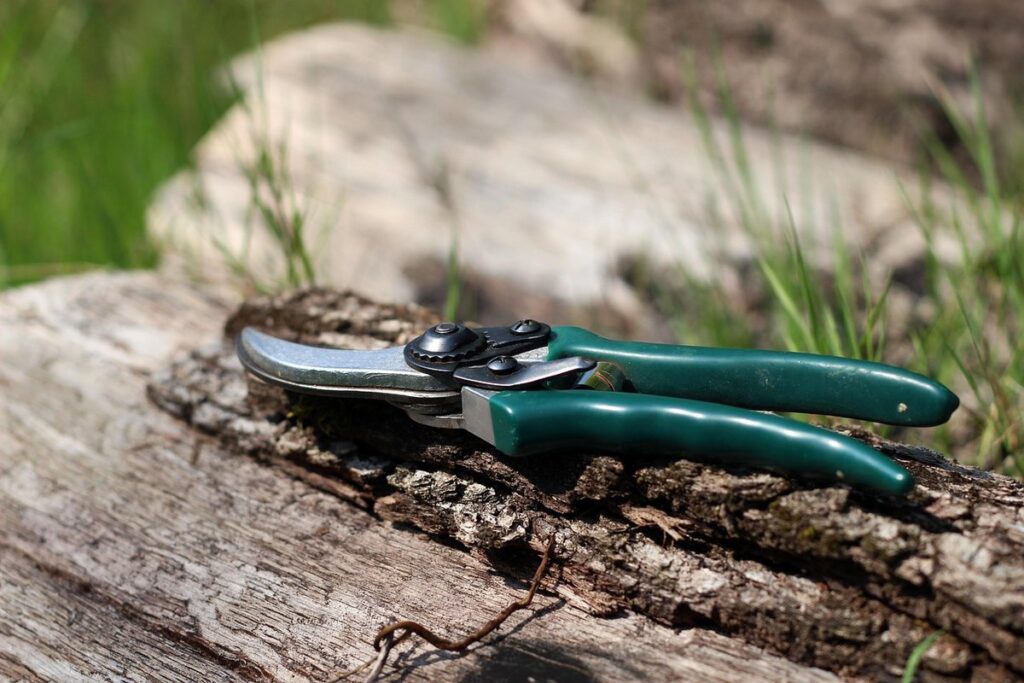
When it comes to pruning cucumber plants, having the right tools for the job is crucial. You don’t want to be stuck with a dull, rusty pruner that can cause more harm than good. Start by gathering the essential tools you’ll need: sharp, clean pruners or loppers for smaller stems and branches, and a pruning saw for thicker, woody areas.
Investing in high-quality pruning tools will make a big difference in your pruning experience. Dull blades can crush or tear plant tissue, leading to infection and disease. On the other hand, sharp tools will make clean cuts, promoting healthy growth and reducing the risk of damage. For example, look for pruners with curved blades, which are specifically designed for delicate stems and won’t crush them.
When choosing pruning saws, consider a foldable or compact option to save space in your garden shed. These often come with interchangeable blades, making it easy to tackle different sizes of branches. Remember to always sanitize your tools after each use to prevent the spread of diseases. By having the right tools and following proper sanitation practices, you’ll be well on your way to pruning cucumber plants like a pro!
Pruning Safety Tips and Precautions
When working with pruning equipment, it’s essential to be aware of potential hazards and take steps to minimize risks. One of the primary concerns is hand positioning – never reach for a tool while pruning, as this can lead to accidents or injuries. Instead, keep pruning shears or loppers within easy reach, so you can maintain control over your hands.
Wearing protective gear is also crucial. Gardening gloves not only provide grip but also protect your skin from thorns and cuts. Look for gloves made of durable materials that fit snugly around the cuffs to prevent debris from entering. Maintain good visibility by keeping a clear path around your workspace, free from obstacles or clutter.
Before pruning, inspect your equipment regularly to ensure blades are sharp and clean. Dull tools can cause more damage than necessary, while dirty ones may spread disease. Consider investing in gardening safety glasses for added protection from flying debris or sap. By taking these precautions seriously, you’ll be better equipped to prune cucumber plants with confidence.
Removing Dead, Diseased, or Damaged Leaves and Stems
When pruning cucumber plants, it’s essential to remove any dead, diseased, or damaged leaves and stems to prevent the spread of disease and encourage healthy growth. Let’s tackle this step-by-step!
Identifying and Removing Infected Plant Tissue
When pruning cucumber plants, it’s essential to identify and remove infected plant tissue to prevent the spread of diseases. Cucumber plants are susceptible to several common issues, including powdery mildew and downy mildew.
Powdery mildew appears as a white, powdery coating on leaves, while downy mildew causes yellowing leaves with black spots on the underside. To remove affected areas, use clean, sharp tools like pruning shears or a sterile knife. Make sure to disinfect your tools between cuts by wiping them with rubbing alcohol.
Carefully cut away any infected tissue, making sure not to damage surrounding healthy plant material. Cut just above a node (where a leaf meets the stem), as this will help the plant heal quickly and prevent water from collecting in the wound.
If you notice powdery mildew on your cucumber plant, consider removing entire infested leaves or stems to prevent further spread. Regularly inspecting your plants will allow you to catch issues early on, preventing them from getting out of control.
Pruning Dead or Damaged Growth for Healthy Regrowth
Removing dead or damaged growth is crucial for promoting healthy regrowth in cucumber plants. When you allow diseased or damaged areas to linger, the plant redirects its energy resources toward those unproductive stems and leaves instead of focusing on producing new fruit. This can lead to a decrease in overall productivity and a reduced harvest.
By pruning away these dead or damaged areas, you’re essentially giving your plant a much-needed boost. You’re telling it to channel its energy into healthy growth, which ultimately leads to more bountiful yields. Think of it like decluttering your home – getting rid of the old and unnecessary makes room for the new and valuable.
When pruning dead or damaged growth, make sure to cut back affected areas as close to the main stem as possible. This will help prevent the spread of disease and encourage healthy cell division in the remaining tissue. For example, if you notice a leaf with powdery mildew, prune it off entirely to prevent the fungus from spreading to other leaves. Remember, regular pruning is essential for maintaining your cucumber plant’s overall health and promoting maximum growth.
Shaping Cucumber Plants for Maximum Yield and Health
To maximize your cucumber harvest, it’s essential to prune your plants regularly to promote healthy growth and direct their energy towards producing more fruit. This section will walk you through how to shape your cucumbers for maximum yield.
Encouraging Bushy Growth vs. Inducing Fruiting
When it comes to pruning cucumber plants, one of the key decisions you’ll need to make is whether to encourage bushy, compact growth or induce vining behavior. Both approaches have their benefits and drawbacks when it comes to optimizing fruit production.
Encouraging bushy growth can be beneficial for early-season production, as it allows the plant to produce more fruits in a shorter amount of time. This type of growth also makes the plant more resistant to pests and diseases. However, bushy plants tend to be less productive overall, as they can become leggy and difficult to support.
On the other hand, inducing vining behavior encourages the plant to spread out and climb up supports or trellises. While this approach may seem counterintuitive for maximizing yield, it actually allows the plant to produce more fruits over a longer period of time. Vining plants are also less susceptible to disease and can be trained to grow in a more compact space.
To promote vining behavior, prune your cucumber plant by removing lower leaves and encouraging new growth from the top. This will direct the plant’s energy towards producing more fruiting nodes and climbing up supports. By understanding how to balance bushy growth with vining behavior, you can optimize your cucumber plant’s production and enjoy a healthier, more productive crop.
Tying Up or Providing Support
Providing structural support is an essential part of shaping cucumber plants for maximum yield and health. As your cucumbers grow, they can become quite heavy with fruit, which can cause them to sag under the weight. This not only makes them more susceptible to disease but also makes it difficult to access the fruit.
To prevent this, consider using a trellis or stake system. These can be set up as soon as you plant your cucumber seeds, and will provide support for the entire length of the stem. This is particularly important if you’re growing compact or bush varieties, which can produce a high volume of fruit.
When choosing a support system, look for something that’s sturdy enough to hold the weight of your cucumbers without toppling over in the wind. You’ll also want to make sure it allows for good air circulation around the plants to prevent disease from spreading.
Techniques for Reducing Cucumber Plant Size and Encouraging Fruiting
To maximize your cucumber harvest, you’ll want to learn how to prune your plants to encourage fruiting and keep them at a manageable size. We’ll cover essential techniques for achieving this balance.
Pinching or Removing Apical Meristems
When you want to encourage cucumber plants to focus on fruiting rather than vegetative growth, pinching or removing apical meristems is an effective technique. The apical meristem, located at the very tip of the stem, is responsible for producing new leaves and stems.
To pinch off the growing tips, locate the topmost set of true leaves, just above the first flower node (the point where a leaf meets the main stem). Using your thumb and index finger, gently snap or cut off this section. This will not only prevent the plant from producing more foliage but also redirect energy towards developing fruit.
Pinching the apical meristem encourages lateral growth, causing side shoots to develop into new stems. These stems will then produce more flowers and ultimately, cucumbers. By removing the growing tip, you’re essentially telling your cucumber plant that it’s time to focus on producing fruit rather than just growing taller. This technique is particularly useful for compact varieties or when space is limited.
To maximize results, remove the top growth every 2-3 weeks as your plants continue to grow. This will keep them focused on producing cucumbers and prevent overgrowth.
Thinning Fruit Sets for Better Quality and Increased Yield
When it comes to pruning cucumber plants, many gardeners focus on reducing the plant’s size and encouraging fruiting. However, another crucial aspect of effective pruning is selecting which fruits to remove. This process is known as thinning fruit sets.
By carefully choosing which fruits to keep or discard, you can prevent overloading your plant. When too many cucumbers grow at once, it can lead to a decrease in overall yield quality. The extra weight and stress on the plant can cause some of the smaller, younger cucumbers to become deformed or even drop off.
Thinning fruit sets also promotes better air circulation within the plant. This helps prevent fungal diseases from taking hold and reduces the risk of pest infestations. A good rule of thumb is to leave only 2-3 of the largest, healthiest fruits per node. Remove any weak or deformed growth, as well as any fruits that are growing inwards towards the center of the plant.
Regularly monitoring your cucumber plants and thinning out the fruit sets as needed will not only improve overall yield quality but also encourage the remaining fruits to grow larger and more flavorful.
Common Mistakes to Avoid When Pruning Cucumber Plants
As you learn how to prune your cucumber plants, it’s essential to avoid some common mistakes that can harm your crop and lead to disappointing yields. Make sure you steer clear of these critical errors.
Misjudging Pruning Timing or Intensity
Accurately assessing your cucumber plant’s needs is crucial when it comes to pruning. Misjudging the timing or intensity of pruning can lead to damage or missed opportunities for improvement.
When a plant appears healthy, it’s easy to assume that it doesn’t need pruning at all. However, this couldn’t be further from the truth. Pruning encourages bushy growth, promotes fruiting, and prevents pests and diseases from taking hold.
Overlooking or misjudging your plant’s needs can result in weak vines, reduced yields, or even the spread of disease. For instance, if you prune too late in the season, the plant may not have enough time to produce new growth before the first frost.
To avoid these common mistakes, observe your cucumber plants regularly and adjust pruning schedules accordingly. Keep an eye out for signs such as overcrowding, sparse fruiting, or pest infestations. Prune when necessary, taking care to remove weak or damaged growth while preserving healthy sections of the plant. By doing so, you’ll be able to optimize your plant’s potential and maximize its productivity throughout the growing season.
Over-Pruning: A Guide to Maintaining Balance
Over-pruning can have serious consequences for cucumber plants. When you remove too much foliage, you expose the plant to excessive sunlight, which can cause scorching and reduce its ability to photosynthesize. This can lead to weak growth, reduced yields, and a higher risk of disease.
Finding a balance between pruning for health and aesthetics is crucial when maintaining your cucumber plant. A good rule of thumb is to remove no more than one-third of the plant’s leaves at any given time. Focus on removing weak or spindly growth, as well as any branches that are rubbing against each other or growing inward.
When in doubt, it’s better to err on the side of caution and prune less rather than more. Remember, your goal is to promote healthy growth and encourage the plant to produce plenty of fruit. With a little practice and patience, you’ll develop an eye for pruning that balances form with function, resulting in a thriving and productive cucumber plant.
Conclusion and Next Steps
Now that you’ve learned how to prune your cucumber plants effectively, let’s discuss what to expect from your newly trimmed vines and plan for their continued growth.
Recap of Key Takeaways
In conclusion, pruning cucumber plants is a crucial step in promoting healthy growth and maximizing yields. By understanding why pruning is essential, you can avoid common mistakes that often lead to reduced plant performance. Pruning helps control the plant’s size, encourages bushy growth, and directs energy towards producing more fruit. It also prevents the spread of diseases by removing infected leaves.
When done correctly, pruning can have a significant impact on your cucumber harvest. To reap these benefits, prune your plants when they reach about 12 inches in height. Remove any weak or spindly growth, cutting them off at the base to prevent regrowth. This will encourage the plant to focus energy on producing more fruit. Remember to make clean cuts using sharp pruning shears and avoid over-pruning, which can stress the plant.
By following these tips and avoiding common pitfalls, you’ll be well on your way to achieving a bountiful cucumber harvest.
Planning Your Pruning Schedule Moving Forward
As you’ve mastered the art of pruning your cucumber plants, it’s time to incorporate this newfound skill into your ongoing gardening routine. Regular inspections and adjustments will be essential to maintaining healthy and productive plants. Set aside a specific day each week or month to walk through your garden and inspect your cucumbers.
Consider creating a schedule that outlines when you’ll prune, water, and fertilize your cucumber plants. This will help ensure that you’re providing the necessary care for optimal growth. For example, if you notice your plants are becoming leggy, add pruning to your next scheduled visit.
As the seasons change, so will your plant’s needs. Be prepared to adjust your pruning schedule accordingly. In areas with a long growing season, you may need to prune more frequently to maintain control over the plant’s growth. Conversely, in cooler climates, less frequent pruning may be necessary.
Remember, pruning is an ongoing process that requires attention and adjustment throughout the growing season. By incorporating regular inspections and scheduled adjustments into your routine, you’ll be able to keep your cucumber plants healthy, thriving, and productive.
Frequently Asked Questions
What if I’m new to pruning cucumber plants? Are there any beginner-friendly tips?
If you’re a beginner, start by observing your plant’s growth pattern. Identify the strongest vines and remove the weaker ones. This will help you understand how pruning affects your plant’s overall health and yield. Remember, it’s better to err on the side of caution when pruning for the first time.
Can I prune my cucumber plants too much? What are the consequences?
Yes, over-pruning can severely harm your plant by reducing its ability to produce fruit. Be mindful of how many leaves or stems you remove each session, as this will impact the plant’s energy reserves and overall growth.
How do I prevent pests and diseases from spreading after pruning my cucumber plants?
After pruning, inspect your plants regularly for signs of infestation or disease. Remove any infected tissue to prevent the spread of pests and diseases. Use clean tools and gardening gloves when handling the plants to minimize the risk of transferring diseases.
Can I prune my cucumber plants in extreme weather conditions (e.g., intense sunlight, heavy rain)?
No, it’s best not to prune your cucumber plants during extreme weather conditions like strong winds or direct sunlight. Wait for a calm, overcast day to minimize damage and stress on the plant. Prune in the morning to give your plants ample time to recover from any potential shock.
What if I accidentally damage a healthy part of my cucumber plant while pruning? Can it still recover?
Yes, most cucumber plants can recover from minor damage. However, if you’ve severely damaged a significant portion of the plant, take immediate action to provide support and care for the remaining healthy tissue. Keep your plants consistently watered and fertilized to promote regrowth.