
As an avid gardener or farmer, you know how crucial it is to get the most out of your crop. But have you ever wondered if you’re giving your onions enough space to thrive? Proper onion spacing can make all the difference in reducing disease spread, increasing yield, and improving bulb quality. Inadequate density can lead to overcrowding, which creates an ideal environment for pests and diseases to take hold. On the other hand, too much space between plants might not utilize the available area effectively. In this article, we’ll dive into the importance of onion spacing inches, providing expert tips on measuring and maintaining ideal density to ensure a bountiful harvest and healthy crops.
Benefits of Proper Onion Spacing
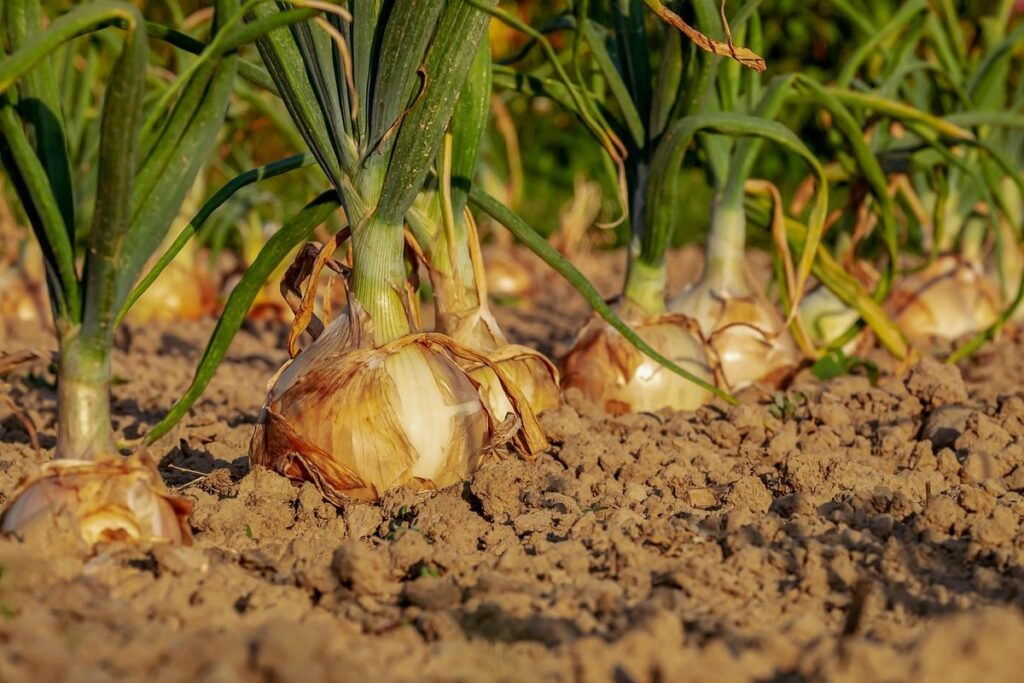
When you space onions correctly, several benefits emerge, including improved air circulation and reduced risk of disease that can decimate your crop. Proper spacing also promotes healthy root growth.
Reduced Disease Spread and Weeds
Proper onion spacing is crucial not just for healthy growth but also for maintaining a weed-free and disease-resistant crop. When onions are planted too densely, their dense foliage creates an ideal environment for diseases to spread rapidly. Fungal diseases like downy mildew and botrytis thrive in humid conditions, which can be exacerbated by the crowded plant density.
Weeds, too, find it easy to compete with onions when they’re planted too closely together. The weeds receive more sunlight and resources, leaving the onions vulnerable to stress. This can lead to a weakened crop, making them more susceptible to pests and diseases. It’s estimated that weeds can reduce onion yields by up to 20% if left unchecked.
To mitigate these issues, it’s essential to space your onions correctly. A general rule of thumb is to plant onions 4-6 inches apart in rows spaced 12-18 inches apart. This allows for good air circulation, reducing the risk of disease transmission and weed growth. Regularly inspecting your crop and removing weeds promptly can also help maintain a healthy onion crop. By following these guidelines, you’ll be able to enjoy a bountiful harvest while minimizing the risk of disease spread and weed competition.
Increased Crop Yield and Quality
When properly spaced, onions are capable of producing significantly larger and more numerous bulbs. This is because ample space allows each individual onion to receive sufficient sunlight, water, and nutrients without competition from neighboring plants.
Onions planted too closely together will typically suffer from a condition known as “necking,” where the bulbs become deformed due to inadequate growing room. Conversely, those spaced appropriately will experience optimal growth and develop into larger, more robust bulbs.
Data collected by researchers at various universities demonstrate a clear correlation between proper spacing and improved yields. For instance, one study found that onions grown with 4-6 inches of space between plants yielded an average of 20% more than those grown in denser conditions.
To maximize your onion crop’s potential, consider maintaining a spacing range of 3-6 inches per plant, depending on the specific variety being cultivated.
Factors Affecting Onion Spacing
When planning your onion garden, several key factors will influence how far apart you can plant onions to ensure healthy growth and optimal yields. Let’s explore these variables together.
Climate and Soil Conditions
When it comes to onion spacing, environmental factors like climate and soil conditions play a significant role in determining optimal plant density. Temperature, for instance, can affect the growth rate of onions. In regions with high temperatures, such as above 85°F (30°C), onions may grow too quickly, leading to overcrowding if not enough space is provided between plants. On the other hand, cooler temperatures below 60°F (15°C) can slow down onion growth, allowing for closer spacing without compromising yields.
Soil type also impacts onion spacing. In heavy clay soils that retain moisture, onions may require more space due to increased competition from weeds and reduced air circulation. Conversely, in well-draining sandy soils, onions can be planted more closely together as they will not experience the same level of moisture retention. Additionally, soil pH affects nutrient availability, with optimal onion growth typically occurring between a pH range of 6.0-7.0.
To determine optimal onion spacing based on your specific climate and soil conditions, consider consulting local gardening resources or conducting small-scale experiments to find the ideal balance for your region.
Variety-Specific Requirements
When it comes to onion spacing, understanding that different varieties have unique requirements is crucial. For instance, sweet onions like ‘Vidalia’ and ‘Texas Grano’ are more sensitive to overcrowding than others. They thrive when planted 12-18 inches apart, allowing for optimal sunlight penetration and air circulation.
In contrast, red onions like ‘Beltsville Bunching’ and ‘Walla Walla’ can be planted slightly closer together, at a spacing of 10-14 inches. This tighter spacing promotes better bulb formation and helps prevent the onions from becoming too large.
If you’re growing heirloom or specialty onion varieties, be sure to check the specific planting instructions provided by the breeder or seed supplier. Some of these varieties may require even more precise spacing, such as 9-12 inches apart for smaller bulbs like ‘Shallots’ and ‘Elephant’.
Remember, proper spacing is essential for healthy onion growth, regardless of the variety you’re growing. By tailoring your planting distances to meet the unique needs of each onion type, you’ll set yourself up for a bountiful harvest.
Common Mistakes in Onion Plant Spacing
Onion plant spacing mistakes can be costly and frustrating, so let’s examine some of the most common errors gardeners make when planting onions too close together.
Overcrowding and Its Consequences
When you overcrowd onion plants, it can lead to reduced air circulation between them. This means that as they grow, their leaves will start to touch each other, creating an environment that fosters the spread of diseases like powdery mildew and botrytis. Not only does this impact the individual plant’s health but also compromises the overall yield.
Increased competition for resources is another consequence of overplanting onions. With too many plants competing for space, water, and nutrients, they will inevitably suffer from reduced growth rates, stunted development, or even die off prematurely. For instance, if you have a densely packed bed with 6-8 inches between rows, the resulting competition can lead to losses as high as 30% in yield.
Decreased yields are also a direct result of overcrowding onion plants. Without adequate space, they will struggle to store water and nutrients efficiently, which means less energy for bulb growth. To avoid these issues, ensure you leave enough space between rows (usually around 12-18 inches) and between individual plants within the row (about 4-6 inches). This balance allows for healthy air circulation, competition-free resource distribution, and maximum yield potential.
Under-Utilization of Space
Planting onions too far apart can lead to under-utilization of space in your garden. This not only results in wasted space but also inefficient use of resources such as water, fertilizers, and labor. For example, if you plant onions 12 inches apart, and each onion yields an average of 2-3 bulbs per season, the maximum yield would be approximately 5-7 bulbs per square foot.
However, most gardeners don’t achieve this optimal yield due to factors like reduced sunlight penetration and competition for resources among the plants. To avoid under-utilization of space, it’s essential to adopt a more intensive planting strategy. You can start by reducing the spacing between onion plants to 6-8 inches apart, allowing you to plant multiple rows in the same area.
By doing so, you’ll increase your overall yield and make better use of the available space in your garden. Additionally, this approach will also help reduce soil erosion and improve soil fertility due to increased plant density.
Best Practices for Onion Spacing
When planting onions, proper spacing is crucial to prevent overcrowding and promote healthy growth. Let’s dive into the best practices for onion spacing inches to ensure a thriving crop.
Row Spacing and Plant-to-Plant Distance
When it comes to onion spacing, the ideal row spacings and plant-to-plant distances are crucial for achieving maximum yields while optimizing resource allocation. In general, onions require a relatively narrow spacing between plants, typically 2-4 inches (5-10 cm) apart, depending on the variety. This close spacing allows each plant to receive an adequate amount of sunlight and nutrients without overcrowding.
To determine the optimal row spacings for your onion crop, consider factors such as soil type, climate, and available space. For example, in areas with a high water table or heavy clay soils, you may want to increase the row spacing to 12-18 inches (30-45 cm) to prevent waterlogging and root damage.
Aim for at least 3-4 rows of onions per bed to promote air circulation and even growth. This will also make it easier to harvest and maintain your crop without compacting the soil or promoting disease spread.
Companion Planting Strategies
When it comes to growing onions, companion planting can be a game-changer. By strategically pairing onions with other crops, you can create a healthier and more productive garden ecosystem. For example, planting garlic near onions can help repel aphids and other pests that target these bulbs. This is because garlic emits sulfur compounds that deter aphids, reducing the risk of infestation.
On the other hand, attracting pollinators like bees and butterflies can also benefit your onion crop. Planting flowers like nasturtiums or calendula near onions can attract these beneficial insects, which are essential for pollination. This is especially important for onions, as they’re wind-pollinated and rely on external help to reproduce.
To implement companion planting strategies in your garden, start by researching the specific needs of each crop. Consider factors like growing habits, sunlight requirements, and pest resistance when selecting companion plants. For instance, if you’re growing a tall variety of onion, choose companion plants that won’t compete for space or resources. By thoughtfully pairing onions with other crops, you can create a thriving garden ecosystem that promotes healthy growth and minimizes the need for pesticides.
Measuring and Maintaining Onion Spacing
When it comes to growing healthy onions, getting their spacing just right is crucial. In this next part of our guide, we’ll cover how to measure and maintain optimal onion spacing inches.
Using Gardening Tools for Accurate Measurements
When it comes to maintaining proper onion plant spacing, using accurate measuring tools is crucial. To ensure you’re not overcrowding your onion beds, invest in a few essential gardening tools that will help you measure and maintain the perfect spacing.
A tape measure or garden ruler is an obvious choice for measuring distances between plants. However, consider also using a laser level to accurately measure and mark out your rows. This will save you time in the long run and prevent mistakes.
Another useful tool is a string line with pegs. By stretching a string line between two pegs at the correct spacing, you can use it as a guide for planting onions at regular intervals. This will help maintain uniform spacing throughout your bed.
Regularly check and adjust the spacing of your onion plants using a measuring tape or ruler to ensure they’re not becoming too crowded. Overcrowding can lead to reduced yields and increased susceptibility to disease.
Monitoring Progress and Adjusting Spacing
As you continue to monitor your onion crop’s progress, it’s essential to regularly assess its health and adjust planting densities as necessary to ensure optimal growth conditions. This involves keeping a close eye on factors such as plant height, leaf color, and bulb size.
To do this effectively, create a simple monitoring schedule that takes into account the different stages of onion growth. For example, during the first 4-6 weeks after planting, focus on checking for signs of pests or diseases that could impact your crop’s density. As plants begin to bulb, pay attention to spacing and adjust as needed.
A general rule of thumb is to leave about 3-4 inches between each plant when they reach a height of around 12-18 inches. This allows for optimal air circulation and sunlight penetration, which can lead to healthier bulbs.
Regularly inspect your crop and adjust planting densities based on specific needs. For instance, if you notice that some plants are growing more densely than others, thin them out by carefully removing weaker or damaged stalks. Conversely, if there are gaps in the spacing, consider replanting those areas to maintain a uniform density.
Frequently Asked Questions
Can I apply proper onion spacing to any type of onion crop, or are there variety-specific requirements?
While some general guidelines can be applied across various onion types, specific varieties may require unique spacing strategies due to differences in growth habits and sizes. For example, shallots and multiplier onions prefer closer spacing than larger bulbs like storage onions.
How do I ensure accurate plant-to-plant distance when the row spacing is not uniform?
To maintain consistent spacing, consider using a measuring tool or a stick with markings to measure out precise intervals between plants as you plant them. You can also create a guide by drawing lines on the soil surface at the desired spacing interval.
What happens if I notice overcrowding in my onion bed mid-season? Can I still adjust spacing for improved air circulation?
Yes, it’s possible to adjust onion spacing during the growing season, but be cautious not to damage existing roots. Gently remove any weak or diseased plants to create space between remaining onions, and mulch around them to maintain moisture and suppress weeds.
How can I determine if my onion crop is being under-utilized due to inadequate row spacing?
Assess your crop by looking for signs of wasted space, such as bare patches between rows or uneven growth. Also, observe the plants’ orientation – if they’re leaning away from each other, it may indicate overcrowding.
Are there any companion planting strategies that can complement onion spacing and promote healthy growth?
Onions benefit from being planted alongside garlic, chives, and marigolds, which repel pests that target onions. These companions also enhance soil health and improve air circulation within the crop bed.