
Growing your own tomatoes can be a rewarding experience, but it requires careful planning. A key aspect to consider is the optimal spacing between plants to ensure healthy growth, maximum yield, and easy access for support systems like trellises or cages. However, with so many factors at play – climate, soil type, indeterminate versus determinate varieties – it can be overwhelming to determine the perfect spacing.
This article aims to provide you with expert advice on creating a comprehensive tomato plant spacing chart tailored to your specific needs. We’ll explore optimal spacing for different types of tomatoes, including container gardening, and discuss how to consider climate, soil type, and support systems when planning your garden layout. By the end of this post, you’ll have a clear understanding of how to create a well-planned and thriving tomato patch.
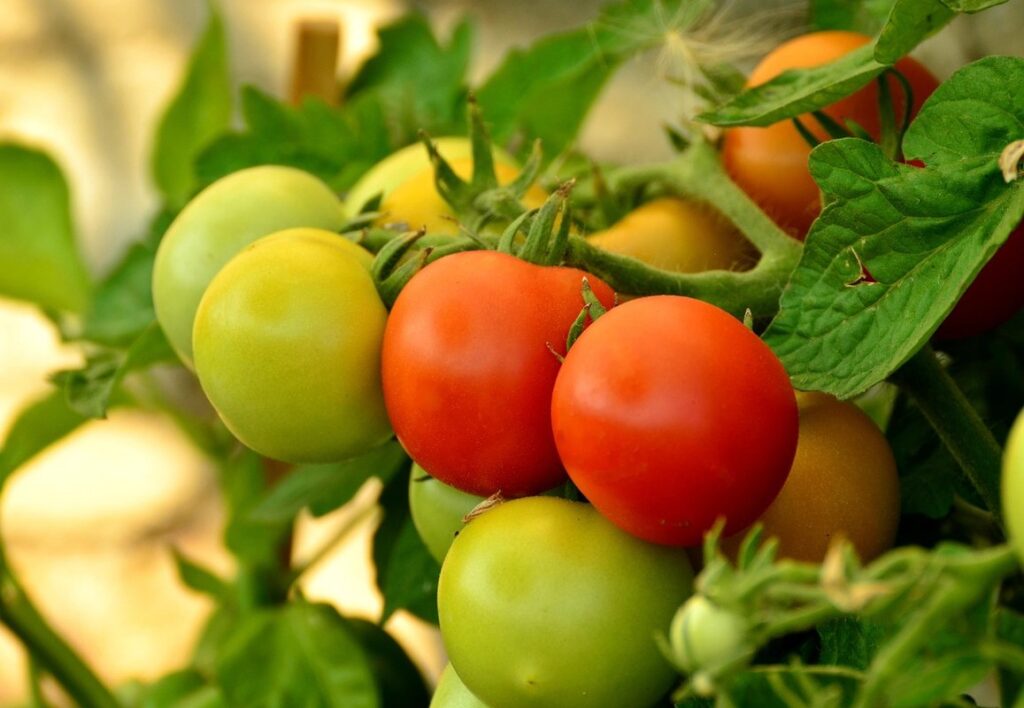
Understanding the Importance of Proper Spacing
When it comes to growing tomatoes, getting the spacing right is crucial for optimal growth and production. Let’s explore why proper spacing matters for your tomato plants.
What is the Purpose of Spacing in Tomatoes?
Proper spacing of tomato plants is crucial for several reasons. Firstly, it allows for adequate air circulation around each plant, which is essential for healthy growth and development. When plants are overcrowded, the risk of fungal diseases such as powdery mildew and septoria leaf spot increases significantly. These diseases thrive in humid environments where air circulation is restricted.
By providing sufficient space between plants, you enable them to grow upright and produce more fruit. Overcrowding can lead to weaker stems, reduced yields, and a higher likelihood of pests and diseases taking hold. For instance, the American Society for Horticultural Science notes that spacing tomato plants 18-24 inches apart can increase yields by up to 20% compared to planting them at closer intervals.
To ensure healthy growth, make sure to leave enough space between rows as well. A general rule of thumb is to plant rows 3-4 feet apart, depending on the variety and expected mature size of the plants. By following these guidelines, you’ll be able to promote healthy growth, prevent disease spread, and maximize your tomato harvest.
Factors Affecting Tomato Plant Spacing
When it comes to growing tomatoes, one of the most crucial factors to consider is the optimal spacing between plants. However, this isn’t a one-size-fits-all solution – various factors can influence what works best for your specific garden.
Climate plays a significant role in determining the ideal spacing chart for tomato plants. In areas with high temperatures and intense sunlight, you’ll want to provide more space between each plant (typically around 3-4 feet) to prevent overcropping and promote air circulation, which helps prevent fungal diseases. On the other hand, cooler climates can tolerate closer spacing (2-3 feet), but it’s essential to keep an eye out for potential frost damage.
Soil type is another crucial factor to consider when deciding on tomato plant spacing. Well-draining soil with a pH between 6.0 and 7.0 will allow roots to grow more freely, making closer spacing suitable (around 2-3 feet). In contrast, dense or poorly draining soils may require wider spacing to prevent root competition and promote better growth.
Support systems also play a critical role in determining optimal spacing. For indeterminate varieties, which need staking or caging for support, you can grow multiple plants per square foot with the right structure.
Determining Your Climate Zone
To grow tomatoes successfully, you first need to determine your climate zone, which will help you choose the right spacing for your plants and ensure optimal growth. This section will guide you through the process.
USDA Hardiness Zones for Tomatoes
When it comes to growing tomatoes, understanding your local climate is crucial for success. One essential tool for determining suitable growing conditions is the USDA Hardiness Zone Map. Developed by the US Department of Agriculture, this map divides North America into 11 distinct zones based on average annual extreme minimum temperatures.
To determine which zone you’re in, simply enter your zip code or city name at the USDA website. Once you know your hardiness zone, you can assess its suitability for growing tomatoes. Tomatoes are typically considered a warm-season crop and thrive in zones with average winter temperatures above 30°F (-1°C). For most gardeners, zones 4-10 provide ideal conditions.
Keep in mind that temperature isn’t the only factor affecting tomato growth. Other environmental factors like sunlight hours, moisture levels, and soil quality also play significant roles. However, knowing your hardiness zone gives you a solid foundation for planning your tomato crop. In this guide, we’ll show you how to adjust plant spacing based on your specific climate zone, ensuring optimal yields in even the most challenging growing conditions.
For example, if you live in zone 5, where winters can be quite harsh, it’s essential to choose shorter-season or cold-tolerant tomato varieties and follow a more conservative planting schedule. This will help minimize potential damage from frost and ensure a healthier crop.
Climate-Specific Spacing Recommendations
When determining the perfect tomato plant spacing for your garden, it’s essential to consider the regional climate variations. This is because extreme temperatures, humidity levels, and sunlight exposure can significantly impact the growth and productivity of your tomatoes.
In hot and dry climates, such as those found in Arizona or California, you’ll want to provide more space between each plant to prevent overcrowding and promote air circulation. A general rule of thumb for these regions is to plant tomatoes 3-4 feet apart to ensure they receive adequate sunlight and air flow.
Conversely, cooler and more humid climates like those in the Pacific Northwest require closer spacing to maximize yields. Planting tomato plants 2-3 feet apart can help them thrive in these conditions by reducing moisture loss through transpiration.
It’s also crucial to consider microclimates within your garden. For example, if you have a shaded area or a spot with poor drainage, you may need to adjust the spacing accordingly to accommodate specific growing conditions.
Calculating Your Space and Choosing a Layout
To determine how many tomato plants you can fit into your garden, it’s essential to calculate your space carefully. This involves considering factors like plant size and growth habits.
Measuring Your Garden Bed Size
Measuring your garden bed size accurately is crucial to choosing an optimal layout for your tomato plants. Without this step, you may end up with overcrowding, which can lead to reduced yields and increased susceptibility to diseases.
To measure your space effectively, start by identifying the length and width of your garden bed in feet. You can use a tape measure or a gardening app on your smartphone to make it easier. Record these dimensions carefully to ensure accuracy.
Next, consider any obstacles within the bed, such as trees, water pipes, or electrical lines. These features will impact your layout choices and plant placement. If you have an irregularly shaped bed, divide it into smaller sections to help visualize potential layouts.
Take note of the mature size of each tomato variety you plan to grow. Check the seed packet or consult online resources for this information. This will help you determine how many plants can fit comfortably within your garden bed without overcrowding. By taking these steps, you’ll be well-prepared to select a suitable layout from our tomato plant spacing charts later on in this guide.
Popular Tomato Plant Layouts for Different Spaces
When it comes to growing tomatoes, choosing the right layout is crucial for maximizing space and promoting healthy plant growth. Fortunately, there are several popular tomato plant layouts that cater to different garden bed sizes.
For compact spaces, a square or rectangular bed with raised beds (about 2-3 feet wide) is ideal. This layout allows for efficient use of space, making it perfect for small backyards or urban gardens. In this setup, plant tomatoes on the perimeter and utilize the center area for companion plants like basil or mint.
For larger spaces, consider a sprawling layout with three main beds: one for determinate varieties, another for indeterminate varieties, and a third for companion plants. This design promotes air circulation, reduces disease risk, and increases yields. In this setup, plant tomatoes at 18-24 inches apart in rows spaced 3-4 feet apart.
When choosing a layout, remember to consider the mature size of your tomato variety and leave enough space for growth and maintenance.
Recommended Spacing Chart for Tomatoes
To help you plan your garden, we’ll provide a recommended spacing chart for tomatoes that takes into account mature plant size and ideal growth conditions. This will ensure healthy, thriving plants.
For Indeterminate Varieties:
When growing indeterminate tomato varieties that require support systems, such as cages, trellises, or stakes, you’ll need to consider a few factors when determining spacing. These plants can grow quite large, up to 6 feet tall or more, so they need adequate room to spread out and receive sunlight.
Typically, for indeterminate tomatoes, it’s recommended to space them about 2-3 feet apart in rows that are at least 4-5 feet wide. This allows for proper air circulation, which is crucial to preventing disease and promoting healthy growth. You can also consider using a “double row” system where two rows of plants are spaced close together, with the middle paths left open for easy access.
Some popular indeterminate varieties that require support include ‘Brandywine’, ‘Cherokee Purple’, and ‘Beefsteak’. When planting these, be sure to provide sturdy support systems early on, as they’ll need it as they grow. By following these guidelines and keeping in mind the specific needs of your variety, you can create a thriving tomato garden with plenty of fruit to enjoy throughout the season.
For Determinate Varieties:
For determinate varieties that don’t require support, you can plant them a bit closer together than indeterminate tomatoes. A good rule of thumb is to space them 18-24 inches apart. This allows for good air circulation and access for harvesting.
Keep in mind that while determinate varieties don’t need staking or caging like indeterminates do, they may still benefit from some support if you live in a windy area or have heavy fruit set. However, this is optional.
When planting determinate tomatoes without support, make sure to plant them deep enough so the “eye” of the seedling (where the stem meets the roots) is above soil level. This will encourage strong root growth and help prevent disease issues.
Some popular determinate varieties that don’t need support include ‘Early Girl’, ‘Patio’, and ‘Tiny Tim’. These compact plants are perfect for small gardens or containers, and they can be spaced even closer together if needed – as little as 12-18 inches apart.
Special Considerations for Container Gardening:
When growing tomatoes in containers, you’ll need to make some adjustments to traditional spacing charts. This is because container gardens have unique characteristics that can affect plant growth and density.
One key consideration is that container soil tends to dry out faster than in-ground soil, which means plants may require more frequent watering. To account for this, consider reducing the recommended spacing by 1-2 feet. For example, if a traditional chart recommends planting tomatoes 3 feet apart, you might want to try planting them 2-1/2 or even 2 feet apart in containers.
Another factor is container size and depth. Smaller containers may require more dense planting to make the most of space, while deeper containers can accommodate more root growth and allow for wider spacing. Keep in mind that air circulation is still crucial, so don’t overcrowd your container garden.
Lastly, be mindful of the specific tomato variety you’re growing. Compact or dwarf varieties are often well-suited for container gardens and may require less space than larger heirloom types. Research the specific needs of your chosen variety to ensure optimal growth in your container garden.
Factors to Consider When Planting Tomatoes Too Close Together
When planting tomatoes too close together, several issues can arise that may impact their growth and overall health. Let’s explore the key factors to consider in this situation.
Potential Problems with Overcrowding:
When tomatoes are planted too close together, it can lead to a range of issues that can have a significant impact on their overall health and productivity. One of the main concerns is the increased risk of disease transmission. When plants are crowded, they create an environment that’s conducive to fungal diseases such as powdery mildew and late blight. These diseases thrive in humid conditions and can quickly spread from one plant to another.
Another issue with overcrowding is reduced fruit production. Tomatoes require adequate space to grow and produce well. When they’re too close together, their growth is stunted, and fruiting is impaired. This can result in lower yields and smaller fruit size.
To avoid these problems, it’s essential to give your tomatoes enough space to breathe and grow. Aim for a spacing of at least 18-24 inches between each plant, depending on the variety. By providing your plants with sufficient room to spread out, you’ll be creating an environment that’s less conducive to disease and more favorable to healthy growth.
Strategies for Rescuing Overcrowded Tomato Plants:
When you notice that your tomato plants are overcrowded, it’s essential to take action quickly to prevent further damage. Overcrowding can lead to reduced air circulation, increased risk of disease, and decreased fruit production. To rescue these plants, start by assessing their condition and deciding whether they need pruning or replanting.
Begin by removing any weak or damaged growth from the overcrowded plant using a pair of clean pruning shears. This will help promote healthy growth and direct the plant’s energy towards producing fruit. Next, inspect the roots to see if they have become entangled with neighboring plants. Gently tease them apart, taking care not to damage the root system.
If the plants are severely overcrowded, it may be necessary to replant them in a more spacious area. When doing so, handle the roots carefully and plant them at the same depth as before. Water thoroughly after transplanting to help the roots establish themselves quickly. By taking these steps, you can prevent further damage and give your tomato plants a fighting chance to thrive despite being overcrowded initially.
Expert Tips and Tricks for Mastering Tomato Plant Spacing
To get the most out of your tomato plants, expert tips on spacing will help you maximize yields, prevent overcrowding, and reduce disease susceptibility. We’ll share our top insider secrets for optimal plant placement.
Experience-Based Insights from Seasoned Gardeners:
Seasoned gardeners have been perfecting tomato plant spacing for years, and their collective knowledge is invaluable. By sharing their experiences, we can gain a deeper understanding of what works best for optimal yields.
For instance, Jane from California has found that planting cherry tomatoes 12 inches apart allows for maximum sunlight penetration and air circulation. On the other hand, her neighbor, Mark, prefers to space his beefsteak tomatoes 24 inches apart due to their larger size and sprawling growth habit.
Another seasoned gardener, Maria from Florida, notes that tomatoes planted too close together are more susceptible to disease transmission. She recommends leaving at least 18-20 inches between indeterminate varieties for better air circulation and pest management.
To apply these insights to your garden, consider the specific needs of your tomato variety. If you’re growing compact or dwarf varieties, you can plant them as close as 12-18 inches apart. However, if you have larger varieties that require more space, make sure to provide at least 24-36 inches between plants for proper growth and air circulation.
Innovative Techniques for Maximizing Space:
When growing tomatoes, it’s not uncommon to find yourself with limited space in your garden. But that doesn’t mean you can’t grow multiple plants at once! With a little creativity and some innovative techniques, you can make the most of your available space.
One popular method is vertical gardening, which involves training your tomato plants to climb up trellises or walls. This not only saves space but also adds visual interest to your garden. For example, you can use aEspalier technique by pruning your plant’s branches to create a flat, two-dimensional form that can be trained along a wall or fence.
Another creative way to maximize space is through interplanting techniques. By planting smaller varieties of tomatoes among larger ones, you can increase yields while minimizing the space required for each individual plant. For instance, try planting cherry tomato seedlings amidst your maincrop varieties – this will create a diverse and thriving community in your garden without taking up too much room.
By implementing these innovative techniques, you can grow more plants in less space and enjoy a bountiful harvest with minimal effort.
Frequently Asked Questions
How can I adjust my tomato plant spacing chart for a small garden with limited space?
Adjusting your spacing chart for a small garden requires careful planning to maximize space without compromising plant health. Consider using vertically stacked containers or trellises to increase yields while minimizing ground space. For indeterminate varieties, leave at least 18-24 inches of space between plants, and for determinate varieties, you can get away with 12-18 inches.
What are the consequences of overcrowding in tomato plants, and how can I prevent them?
Overcrowding in tomato plants leads to reduced air circulation, increased disease susceptibility, and stunted growth. To avoid these issues, ensure proper spacing (about 2-3 feet between plants) and maintain a balanced layout. Regularly inspect your plants for signs of overcrowding and take corrective action promptly.
Can I use the same tomato plant spacing chart for both container gardening and in-ground gardens?
While the principles remain the same, you’ll need to adjust the spacing based on the specific needs of each environment. Container gardens often require more frequent watering and may benefit from slightly closer spacing (about 1-2 feet between plants). In-ground gardens can accommodate wider spacing due to better air circulation and soil moisture retention.
How do I handle unexpected weather conditions that affect my tomato plant spacing?
Be prepared for extreme weather events by having a flexible plan in place. For example, during dry spells, increase watering frequency to compensate for reduced soil moisture. Conversely, when heavy rainfall is forecasted, ensure your plants have adequate support and space to prevent waterlogged soil.
Can I reuse or repurpose materials from last season’s tomato plant spacing chart?
Yes, you can certainly reuse some materials like trellises or stakes, but it’s essential to assess their condition before reusing. Inspect for damage, rust, or rotting wood, and replace them if necessary. This will ensure your plants have the support they need without introducing potential health risks.
What are some creative ways to maximize space in my small garden using tomato plant spacing?
Consider vertical gardening methods like hanging baskets or trellises, which allow you to grow multiple plants in a compact area while maintaining good air circulation and sunlight penetration. You can also use space-saving containers like self-watering planters or tiered planters to increase yields without sacrificing precious ground space.
How do I know if my tomato plant spacing chart is correct for my specific climate zone?
To determine the optimal spacing for your climate, research your USDA Hardiness Zone and corresponding climate-specific recommendations. For example, in warmer climates (Zone 8-10), plants may require more frequent watering and closer spacing (about 2 feet between plants). Conversely, cooler climates (Zone 3-5) can accommodate wider spacing due to reduced humidity and temperature fluctuations.
Can I combine different types of tomato varieties in the same garden using a single spacing chart?
While it’s technically possible, combining different varieties may lead to inconsistent growth rates, disease susceptibility, or conflicting support requirements. For optimal results, group plants by variety, spacing, and support needs to minimize potential issues and ensure healthy growth.
How often should I review and update my tomato plant spacing chart as the season progresses?
Regularly inspect your garden and adjust your spacing chart as needed based on plant growth, weather patterns, and pest/disease pressures. Updates may be necessary every 1-2 weeks during peak growing seasons or more frequently if you notice significant changes in plant health or environmental conditions.
What are some expert tips for troubleshooting common issues related to tomato plant spacing?
Monitor your plants regularly for signs of overcrowding, disease, or pests. Implement strategies like crop rotation, pruning, and companion planting to promote healthy growth and minimize stress on individual plants. Stay informed about local climate conditions and adjust your spacing chart accordingly to maximize yields and reduce losses.
How can I effectively integrate companion planting into my tomato plant spacing chart for enhanced growth?
Choose compatible varieties that complement each other in terms of growth habits, space requirements, and pest/disease resistance. Examples include basil with tomatoes (pest repellent), marigolds with tomatoes (soil health improvement), or nasturtiums with tomatoes (aphid control). Be mindful of space allocation and ensure companion plants don’t compete with your main crop for resources.
What are some innovative techniques for maximizing space in my small garden using tomato plant spacing?
Consider hydroponic systems, aeroponic gardens, or living walls to create vertically stacked growing spaces. These methods allow you to grow multiple plants in a compact area while maintaining optimal conditions and yields.