
As a gardener or farmer, you’re likely no stranger to the challenges of growing spinach in hot weather. But did you know that even the most resilient varieties can be sensitive to temperature fluctuations? Heat stress is a real concern for spinach growers, and if not managed properly, it can lead to reduced yields, stunted growth, and even crop loss. In this article, we’ll delve into the world of spinach heat tolerance, exploring its temperature requirements, breeding techniques, and environmental strategies that can help mitigate heat stress. By the end of this post, you’ll have a better understanding of how to optimize your spinach growth and ensure a bountiful harvest even in scorching conditions. Let’s get started on the journey to heat-tolerant spinach!
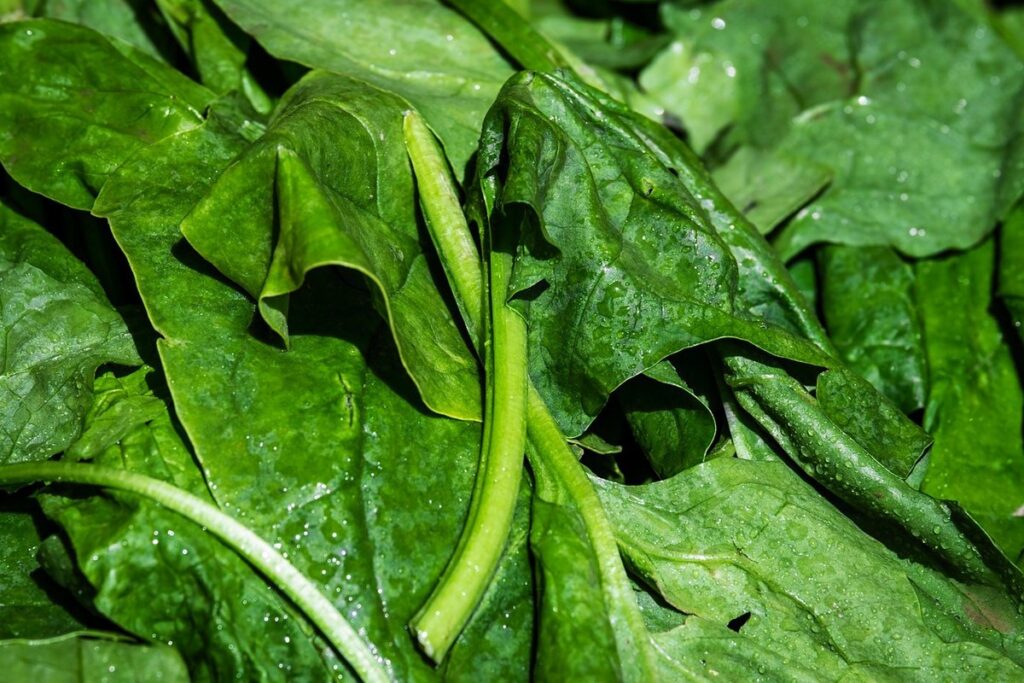
The Importance of Heat Tolerance in Spinach
As we explore the world of spinach heat tolerance, it’s essential to understand why some varieties thrive in warmer temperatures while others struggle. Let’s dive into the key factors that determine a spinach plant’s heat tolerance.
What is Heat Tolerance in Plants?
Heat tolerance in plants is a critical factor that determines their ability to thrive under high temperature conditions. Essentially, it’s a plant’s capacity to maintain optimal growth and productivity when exposed to heat stress. Heat stress occurs when the temperature rises above a plant’s threshold, causing damage to cellular processes, photosynthesis, and ultimately affecting crop yields.
When plants experience heat stress, they may exhibit signs such as wilting, yellowing leaves, or stunted growth. In spinach, excessive heat can lead to reduced leaf size, distorted shape, and decreased chlorophyll content. This not only affects the plant’s appearance but also impacts its nutritional quality and shelf life.
Spinach growers must consider heat tolerance when selecting varieties for warmer climates. Some popular spinach varieties exhibit better heat tolerance than others, such as ‘Tyee’ or ‘Space’. By choosing the right variety, farmers can minimize crop losses due to heat stress.
Factors Affecting Heat Tolerance in Spinach
When it comes to heat tolerance in spinach, several factors come into play. Genetic predisposition is one of the most significant contributors. Some spinach varieties are bred to be more resilient to high temperatures, while others may struggle to survive even mild heatwaves. If you’re planting spinach in a region with scorching summers, look for heat-tolerant or “Southern” varieties specifically designed for warm climates.
Environmental conditions also play a crucial role. Temperature is perhaps the most obvious factor – prolonged exposure to temperatures above 75°F (24°C) can cause significant stress and damage to spinach plants. Light and water levels are equally important: spinach requires partial shade, especially in warmer temperatures, and consistent moisture to maintain optimal growth. A well-balanced fertilizer program can also help spinach recover from heat-related stress.
Effective management practices can make a big difference too. Implementing smart irrigation strategies – such as drip irrigation or mulching – can reduce water loss due to evaporation and ensure your plants receive the right amount of moisture. Additionally, timing fertilization correctly is key: applying nitrogen-rich fertilizers during cooler periods (early morning or evening) allows plants to absorb nutrients without excessive heat stress.
Understanding Spinach’s Temperature Requirements
To grow spinach at its best, understanding the optimal temperature range is crucial. In this next part, we’ll break down exactly what temperatures are suitable for healthy spinach growth.
Optimal Temperature Range for Spinach Growth
When it comes to spinach growth, temperature plays a crucial role in determining its optimal development. The ideal temperature range for spinach is between 60°F (15°C) and 75°F (24°C), with daytime temperatures slightly higher than nighttime temperatures. If the daytime temperature exceeds 85°F (29°C), spinach may start experiencing heat stress.
Heat stress occurs when the plant’s water loss through transpiration exceeds its ability to absorb water from the soil. To identify heat stress, look for symptoms such as yellowing or wilting leaves, reduced growth rates, and a decrease in leaf density. If you notice any of these signs, it’s essential to provide your spinach with some respite.
To mitigate heat stress, ensure your spinach receives adequate moisture by providing about 1-2 inches (2.5-5 cm) of water per week. Additionally, consider using row covers or other shading materials to reduce direct sunlight exposure during the hottest part of the day. By maintaining a balance between temperature and moisture levels, you can optimize your spinach’s growth even in warmer temperatures.
Temperature-Related Challenges in Spinach Cultivation
As you strive to grow spinach in warmer temperatures, it’s essential to be aware of the temperature-related challenges that can impact its growth. One common issue is bolting, which occurs when spinach plants rapidly transition from a vegetative to a reproductive state, causing them to flower prematurely. This can happen as early as 30-40°F (1.7-4.4°C) above optimal temperatures for some varieties.
When exposed to excessive heat, spinach yields can also decrease significantly. In fact, research has shown that even moderate temperature increases of just 5-10°F (2.8-5.6°C) above the optimal range can lead to yield losses of up to 20%. Furthermore, high temperatures can compromise the quality of your spinach, making it more susceptible to disease and reducing its nutritional value.
To mitigate these effects, growers often implement strategies such as shade cloth, irrigation management, and cultivar selection. For instance, selecting heat-tolerant varieties like ‘Tyee’ or ‘Space’ can help minimize bolting and yield losses. By understanding the temperature requirements of spinach and taking proactive steps to manage its growth in warmer temperatures, you can optimize yields and produce high-quality crops even under challenging conditions.
Breeding and Selection for Improved Heat Tolerance
When breeding spinach varieties for improved heat tolerance, farmers and researchers rely on selective breeding techniques to identify plants that thrive under warmer conditions naturally. This process involves careful evaluation of a crop’s genetic makeup.
Traditional Breeding Approaches for Heat Tolerance
Traditional breeding approaches for heat tolerance have been used to select spinach varieties that can thrive in warmer temperatures. These methods involve identifying and selecting plants with desirable traits, such as higher photosynthetic rates or greater stomatal density, which enable them to withstand heat stress. Breeders typically use a combination of pedigree selection and recurrent selection to achieve this goal.
Pedigree selection involves choosing parents with superior heat tolerance and then selecting their offspring based on their performance in controlled heat experiments. This approach can be time-consuming and labor-intensive but has been used successfully to develop spinach varieties like ‘Tyee’ and ‘Space’. However, it may not always yield the desired results, as the expression of heat tolerance can be influenced by multiple genetic factors.
Another traditional breeding method is recurrent selection, which involves selecting plants with desirable traits over several generations. This approach can help to accumulate beneficial alleles for heat tolerance but may also lead to inbreeding depression if not managed carefully. Despite these limitations, traditional breeding methods have been effective in improving the heat tolerance of spinach varieties and continue to play an important role in plant breeding programs.
Modern Breeding Techniques: Molecular Markers and Genetic Engineering
Modern breeding techniques have revolutionized the development of heat-tolerant spinach varieties. One key approach is the use of molecular markers to identify genes associated with heat tolerance. This involves analyzing DNA samples from spinach plants to pinpoint specific genetic variations that contribute to heat resistance. By doing so, breeders can develop markers that help predict a plant’s ability to withstand high temperatures.
Genetic engineering takes this concept further by allowing scientists to introduce desirable traits directly into the spinach genome. For example, researchers have successfully engineered spinach plants with the gene for trehalose-6-phosphate synthase, which helps regulate heat stress responses in plants. This approach enables breeders to rapidly develop new varieties with enhanced heat tolerance.
To optimize breeding programs, consider integrating these modern techniques with traditional selection methods. By combining the precision of molecular markers and genetic engineering with the power of phenotypic selection, you can accelerate the development of spinach varieties that thrive in warmer temperatures.
Environmental Strategies for Mitigating Heat Stress in Spinach
As you strive to optimize spinach growth in warmer temperatures, implementing effective environmental strategies is crucial for mitigating heat stress and ensuring healthy crops. This includes adjusting irrigation, shading, and soil management practices.
Irrigation Management for Heat Tolerance
Proper irrigation management is crucial for mitigating heat stress in spinach. When temperatures soar, excessive water application can exacerbate heat stress by increasing soil temperature and promoting fungal diseases that thrive in moist environments. To avoid this, adjust irrigation schedules to match the crop’s water requirements at different growth stages.
Monitor soil moisture levels regularly to ensure you’re not over- or under-watering your spinach plants. A well-draining potting mix can help prevent waterlogged soil conditions. Installing a rain gauge or a soil moisture probe near the plant roots allows for precise monitoring and timely adjustments to irrigation schedules.
Drainage control is equally important. Make sure that excess water drains freely from the soil to prevent waterlogging, which can be detrimental to spinach growth in hot weather. Implement mulching practices to reduce soil temperature and retain moisture in the root zone, further alleviating heat stress.
Shading and Mulching: Alternative Methods to Reduce Soil Temperature
When working with spinach in warmer temperatures, it’s essential to consider methods that don’t rely solely on irrigation for cooling. Shading and mulching can be effective alternative approaches to reducing soil temperature.
Shading involves using physical barriers or structures to block direct sunlight from reaching the soil. This technique is particularly useful during peak sun hours when the sun’s rays are most intense. A study conducted in Arizona found that shading reduced soil temperature by up to 10°C (18°F) compared to unshaded plots. To implement shading, consider installing row covers or using shade cloth with a UV-blocking rating of at least 50%. When selecting materials, choose those that allow for good air circulation and won’t trap heat.
Mulching involves applying organic materials such as straw, wood chips, or compost directly to the soil surface. This technique serves two purposes: it retains moisture and cools the surrounding area through evaporation. Apply a 5-7 cm (2-3 inch) layer of mulch around your spinach plants, keeping it several inches away from the plant’s base to prevent rotting. Some popular mulching options include wood chips, which can be sourced locally or purchased in bulk, and coconut coir, which is biodegradable and compostable.
Best Practices for Growing Spinach in Warmer Temperatures
When growing spinach in warmer temperatures, there are several key strategies you can employ to maximize its heat tolerance and ensure a bountiful harvest. Let’s dive into the best practices for thriving spinach growth.
Crop Management Strategies for Heat Stress Mitigation
When heat stress events occur, adopting effective crop management strategies is crucial to mitigate damage and ensure spinach yields. One approach is adjusting sowing dates to avoid peak heat periods. In regions with extremely high temperatures during the summer months, planting spinach in early spring or late summer when temperatures are milder can be beneficial.
Another strategy involves thinning plants to promote healthy growth and reduce competition for resources such as water and nutrients. This process should be done carefully, as over-thinning can lead to reduced yields. Typically, seedlings that are around 2-3 inches tall can be thinned to 6-8 inches apart. This spacing allows for optimal air circulation, which helps to prevent moisture retention on the leaves.
Using row covers is also an effective technique for managing heat stress in spinach. These lightweight fabrics allow sunlight and water while preventing excessive soil temperature increases. By keeping the soil cooler, spinach growth is promoted, reducing its susceptibility to heat-related damage. For example, applying a 50% shade mesh during peak sun hours can lower soil temperatures by as much as 10°F. This simple yet effective method can significantly enhance spinach yields under heat stress conditions.
Tips for Choosing the Right Spinach Variety for Your Climate
When selecting spinach varieties for warmer climates, it’s essential to choose ones that are specifically bred for heat tolerance. Some popular options include ‘Space’ and ‘Tyee’, which can thrive in temperatures up to 80°F (27°C). However, if you live in an area with extremely high temperatures, consider ‘Red Cardinal’ or ‘Rouge d’Hiver’, which have a higher heat threshold.
If you’re growing spinach in areas with mild winters, varieties like ‘Winterkeeper’ and ‘Tyee’ will do well. These plants can handle temperatures as low as 40°F (4°C) and still produce healthy leaves. For regions with intense sunlight, consider spinach varieties that are resistant to bolting, such as ‘Space’ or ‘Red Cardinal’. These plants will direct their energy towards leaf production rather than flowering.
When shopping for spinach seeds, look for the specific temperature range and climate adaptation mentioned on the packet. This information can help you make informed decisions about which variety is best suited for your area.
Frequently Asked Questions
How Do I Choose the Right Spinach Variety for My Climate?
When selecting a spinach variety, it’s essential to consider your local climate conditions. Look for varieties bred for heat tolerance and resistance to specific pests or diseases prevalent in your region. Check the seed packet or consult with local nurseries or gardening experts to find the best match for your area.
What Temperature Threshold Should I Use as a Guide for Spinach Growth?
While spinach can tolerate temperatures up to 75°F (24°C), its optimal growth range is between 60°F (16°C) and 65°F (18°C). Keep in mind that short periods of heat stress above 85°F (29°C) may not significantly impact yields, but prolonged exposure can lead to damage.
How Can I Optimize My Irrigation Schedule for Heat-Tolerant Spinach?
To avoid water stress while minimizing the risk of overwatering, which can exacerbate heat stress, implement a drip irrigation system or soaker hoses. This will allow you to deliver moisture directly to the roots, reducing evaporation and runoff.
What Are Some Alternative Methods to Mulching for Reducing Soil Temperature?
In addition to mulching, consider using white row covers to reflect sunlight and radiative cooling from nearby surfaces. Another option is to incorporate shading structures like shade cloths or sunshades into your garden design.
Can I Grow Spinach in Containers if I Live in a Hot Climate?
Yes, growing spinach in containers can be an excellent solution for hot climates. Use large pots with good drainage, choose heat-tolerant varieties, and ensure the containers receive partial shade to prevent overheating. Regularly monitor soil moisture and adjust your irrigation schedule accordingly.