
If you’re looking for ways to take your garden or farm to the next level, one simple yet powerful solution is to incorporate cover crops into your rotation. But when exactly should you plant these beneficial plants? The timing can make all the difference in maximizing their benefits, from soil health and fertility to pest control and biodiversity.
In this article, we’ll explore the key factors that determine the best time to plant cover crops, including soil conditions, climate, and growth stages. We’ll also examine how to choose the right type of cover crop for your specific needs and how to integrate them into your existing garden or farm plan. Whether you’re a seasoned farmer or just starting out with gardening, understanding when to plant cover crops is crucial for reaping their rewards and achieving a more sustainable and productive growing system.
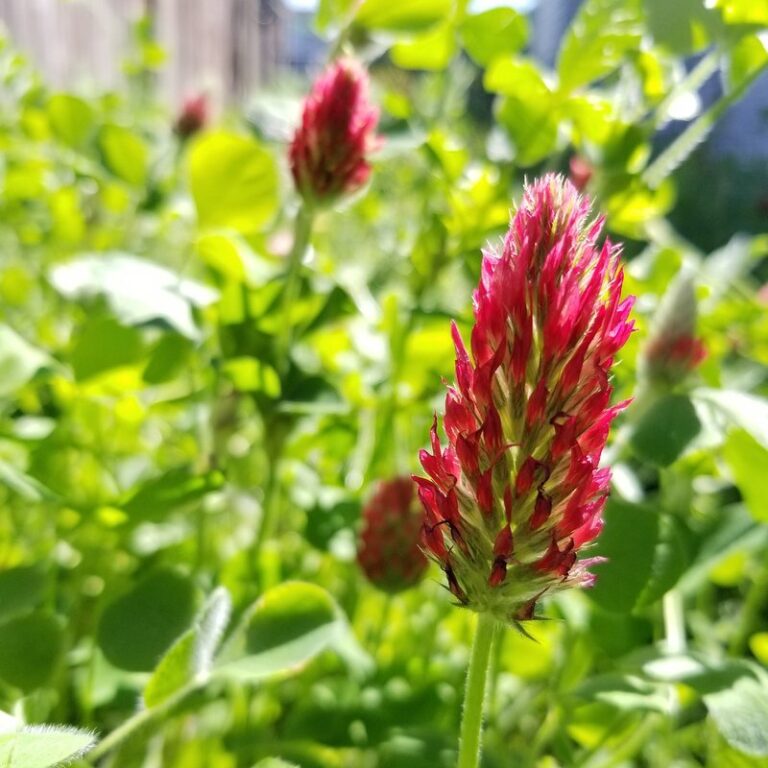
Choosing the Right Cover Crop for Your Needs
With so many types of cover crops available, selecting the right one can be overwhelming. Let’s explore how to choose a cover crop that meets your specific needs and goals.
Types of Cover Crops Suitable for Different Soil Conditions
When selecting a cover crop for your soil, it’s essential to consider its adaptability to different conditions. For heavy clay soils, plants like rye and oats are ideal due to their deep root systems that help break up compacted clay particles. These crops also have a low water requirement, making them suitable for areas with limited moisture.
Sandy loam soils benefit from cover crops such as hairy vetch and winter peas, which have a strong ability to fix nitrogen in the soil. This is particularly useful for areas where synthetic fertilizers are not an option or where soil health needs improvement.
Acidic soils require cover crops that can tolerate low pH levels. Brassicas like radish and turnip are suitable choices as they are relatively tolerant of acidity and can help improve soil structure.
Ultimately, the choice of cover crop depends on your specific climate and region requirements. Consider factors such as temperature, rainfall patterns, and prevalent pests or diseases when selecting a cover crop that will thrive in your area. This ensures optimal growth and maximum benefits for your soil health.
Understanding the Benefits of Cover Crops
Cover crops offer a multitude of benefits that can significantly impact your soil’s health and overall ecosystem. One of the primary advantages is their ability to improve soil structure and fertility. By breaking up compacted soil, cover crops like rye or oats create pathways for water and air to penetrate deeper into the soil profile. This process not only reduces erosion but also enhances nutrient cycling.
In addition to these benefits, cover crops play a vital role in supporting pollinators and beneficial insects. Planting flowers such as clover or calendula alongside your main crop can attract bees and butterflies, which are essential for pollination. These beneficial insects also help control pest populations by preying on insects that might otherwise harm your plants.
When selecting cover crops, consider their growth habits, maturity dates, and compatibility with your primary crop. Some popular choices include winter rye, hairy vetch, and buckwheat. Planting a mix of cover crops can create a diverse ecosystem that supports the entire soil food web.
Determining the Best Time to Plant Cover Crops
To determine the best time to plant cover crops, consider your local climate and soil conditions, as well as the type of crop you’re growing. This will help ensure optimal growth and benefits.
Understanding the Importance of Timing for Cover Crop Success
Timing is everything when it comes to planting cover crops. It’s not just about throwing some seeds into the ground and hoping for the best. The optimal planting time can make all the difference between a successful crop that provides benefits like improved soil health, increased biodiversity, and enhanced ecosystem services, and one that struggles to survive.
One of the most critical factors is temperature. Most cover crops are sensitive to extreme temperatures, whether it’s scorching heat or freezing cold. For example, winter rye does well in cool temperatures but can be damaged by prolonged periods above 70°F (21°C). Spring oats, on the other hand, thrive in temperatures between 60-80°F (15-27°C).
Moisture levels are also crucial. Cover crops need adequate water to germinate and grow, especially during their initial stages. However, excessive moisture can lead to fungal diseases and root rot. Understanding your local climate conditions is essential for choosing the optimal planting time.
When selecting a cover crop species, consider its growth stage and how it will interact with your existing crops. For instance, if you’re planning to plant small grains like oats or wheat after harvest, choose a cover crop that complements their growth patterns and doesn’t compete for resources. By taking these factors into account, you can significantly improve the chances of success for your cover crop planting.
When to Plant Before Main Season Crops
Planting cover crops before main season crops is a crucial strategy to maintain soil health and structure. This approach allows you to create a protective barrier against erosion, suppress weeds, and add nutrients to the soil. Before planting cover crops ahead of main season crops, it’s essential to prepare the soil.
Typically, this involves tilling or incorporating organic matter into the soil in early spring or fall. For example, planting rye or oats as a cover crop can help improve soil structure and fertility by breaking up compacted soil layers and adding organic matter. When selecting cover crops for this purpose, consider those with shallow root systems that won’t compete with main season crops.
Planting strategies for cover crops ahead of main season crops include seeding at the right time to ensure adequate growth before the next crop is planted. A general rule of thumb is to seed 4-6 weeks before planting main season crops. Follow-up care requirements may include monitoring soil moisture and adjusting irrigation schedules as needed, ensuring that the cover crop doesn’t shade out the emerging main season crop.
Planning Ahead: Factors to Consider When Selecting a Cover Crop Mixture
When selecting a cover crop mixture, there are several key factors to consider before planting, including your soil type and the specific needs of your farm. Choosing the right mix can make all the difference in its effectiveness.
Assessing Soil pH Levels and Nutrient Requirements
Soil pH levels and nutrient requirements are crucial factors to consider when selecting a cover crop mixture. A soil test can provide valuable insights into its condition, helping you choose the right cover crops for optimal growth and benefits.
When interpreting soil test results, look for the pH level, which should ideally fall between 6.0 and 7.0 for most crops. If your soil is too acidic (pH below 6.0) or alkaline (pH above 7.0), it may affect nutrient availability and crop growth.
To adjust your cover crop selection based on soil pH, consider the following:
* For acidic soils (pH below 6.0), choose cover crops that tolerate low pH levels, such as rye or oats.
* For alkaline soils (pH above 7.0), select cover crops like clover or alfalfa, which can thrive in higher pH conditions.
By choosing the right cover crop mixture based on your soil’s specific needs, you can improve soil fertility over time through processes like nitrogen fixation and organic matter addition. This will not only support future crop growth but also reduce the need for external fertilizers.
Maximizing Biodiversity with Diverse Cover Crop Mixtures
Planting diverse cover crop mixtures is one of the most effective ways to maximize biodiversity on your farm. By incorporating a variety of species into your rotation plan, you can create a thriving ecosystem that supports not only your crops but also pollinators and other beneficial organisms.
A diverse cover crop mixture can provide a range of benefits, from improved soil health to enhanced pest control. For example, planting a mix of annual rye, winter rye, and hairy vetch can help to suppress weeds, reduce erosion, and increase nitrogen fixation in the soil. This type of mix can also attract beneficial insects like bees and butterflies, which are essential for pollination.
When designing your diverse cover crop rotation plan, consider factors such as climate, soil type, and intended use of the land. You may want to group similar species together or alternate between cool-season and warm-season crops. For instance, you might plant a mix of oats, barley, and radish in the spring and then follow with a summer mix of sunflowers, buckwheat, and sorghum.
Remember to choose cover crop species that are well-suited to your local climate and soil conditions. This will ensure that they grow vigorously and provide optimal benefits for your ecosystem.
Overwintering Cover Crops: A Key to Sustainable Farming Practices
When it comes to incorporating cover crops into your sustainable farming practices, overwintering varieties can provide valuable benefits for your soil and ecosystem. Let’s dive into their specific planting requirements.
Strategies for Managing Winter Weather Conditions
As you plant cover crops in the fall, it’s essential to consider the challenges of overwintering them. Winter weather conditions can be unpredictable and harsh, posing significant threats to successful cover crop establishment during the dormant season. Wind protection is crucial to prevent damage to emerging shoots and roots. To shield your cover crops from wind, consider using windbreaks such as row covers or snow fencing. These barriers will not only protect against strong gusts but also help retain moisture and regulate soil temperature.
Snow management is another critical aspect of overwintering cover crops. Heavy snowfall can be detrimental to plant growth, so it’s vital to ensure adequate drainage around your crops. You can use raised beds or mounds to reduce waterlogging and prevent root rot. Additionally, monitor temperature fluctuations closely, as extreme cold snaps can cause damage to tender shoots.
To successfully establish cover crops during the dormant season, make sure to choose varieties that are specifically bred for winter hardiness. Consider planting cool-season crops like hairy vetch, oats, or rye, which can thrive in low temperatures and tolerate some snow cover. By implementing these strategies, you’ll be well-equipped to overcome common challenges associated with overwintering cover crops, ultimately promoting healthy growth and maximizing the benefits of your crop rotation plan.
Benefits of Overwintering Cover Crops in Perpetual Cropping Systems
Incorporating overwintering cover crops into perpetual cropping systems offers numerous benefits for sustainable farming practices. By doing so, you can significantly improve soil health, which is essential for long-term productivity and environmental balance. Overwintering cover crops help to increase the soil’s water-holding capacity, reduce erosion, and promote nutrient cycling.
When integrated with other conservation practices, such as crop rotation and reduced tillage, overwintering cover crops can have a profound impact on soil health. For example, legume cover crops like winter peas or hairy vetch fix atmospheric nitrogen in the soil, making it available for subsequent cash crops. This reduces the need for synthetic fertilizers and minimizes the environmental footprint of your farm.
To integrate overwintering cover crops effectively, consider planting a mix of species that suit your climate and crop rotation plan. For instance, you can plant winter rye or oats as a pre-harvest cover crop to protect soil from erosion during the fall, followed by a legume cover crop like clover in the spring. By doing so, you’ll not only improve soil health but also create a more resilient and diverse farm ecosystem.
Managing Cover Crop Growth and Development for Optimal Results
Now that you’ve chosen your cover crop, let’s talk about how to manage its growth and development for maximum benefit in your fields. This section will walk you through optimal growing conditions and maintenance tips.
Understanding Growth Stages and Maturity Dates
Cover crops go through distinct growth stages, from germination to maturation. Understanding these stages and managing their growth rates is crucial for achieving optimal results.
Germination typically occurs 7-10 days after sowing, depending on factors like soil temperature and moisture. During this stage, seeds absorb water, breaking dormancy and initiating root growth. Seedling establishment usually takes place within the first two weeks, as young plants develop their leaves and roots.
Maturation is a critical phase where cover crops reach full biomass production, often 30-60 days after germination. This is when they’re most effective at suppressing weeds and preventing soil erosion. However, in warmer climates, maturation can occur much faster – sometimes within just two weeks.
To manage growth rates, consider factors like climate, soil type, and the specific cover crop species you’re using. For instance, cool-season crops like oats or rye tend to grow slower than warm-season crops like sorghum-sudan grass or sunflower. By understanding these differences, you can adjust planting dates and management strategies accordingly, ensuring your cover crops reach optimal maturity in their respective environments.
Tips for Harvesting and Incorporating Cover Crops into Main Season Crops
When it’s time to harvest and incorporate cover crops into your main season crops, timing is crucial. Typically, you’ll want to do this when the cover crop is at its peak growth stage, usually 4-6 weeks before planting the next crop. This allows for maximum biomass production, which will help suppress weeds and retain soil moisture.
To successfully integrate cover crops with your main season crops, use a few key tools: a no-till or reduced-till planter, which can minimize soil disturbance and preserve the benefits of the cover crop; a roller crimper, which can kill the cover crop on contact while leaving its roots intact to act as a living mulch; or a mower/conditioner, which can cut the cover crop close to the ground.
Incorporating cover crops into your main season crops is essential for maintaining soil health and structure. By doing so, you’ll reduce soil compaction, improve drainage, and increase nutrient cycling. Remember, the key to successful cover crop integration lies in timing and technique – get it right, and you’ll be rewarded with a healthier, more productive soil ecosystem.
Common Challenges and Troubleshooting Tips for Successful Cover Cropping
Even with careful planning, issues can arise when establishing a cover crop – from poor germination to inadequate weed control. Let’s tackle these common challenges head-on.
Dealing with Pests and Diseases Affecting Cover Crops
Cover crops are vulnerable to various pests and diseases that can significantly impact their growth and effectiveness. To ensure successful cover cropping, it’s essential to be aware of the common culprits: aphids, whiteflies, spider mites, powdery mildew, and fungal diseases like root rot and crown gall.
To identify these issues early on, closely monitor your cover crops for signs of infestation or infection. Look out for yellowing leaves, stunted growth, and a sticky residue on the leaves (indicating aphid presence). Regularly inspect your fields, especially during peak pest seasons, to catch problems before they spread.
Prevention is key: use crop rotation, maintain soil health through proper fertility management, and adopt integrated pest management (IPM) strategies that combine physical barriers, biological controls, and chemical controls judiciously. For example, introducing beneficial insects like ladybugs or lacewings can help control aphid populations naturally. Implement these proactive measures to safeguard your cover crops from pests and diseases, ensuring a successful and healthy cover cropping experience.
Addressing Unforeseen Weather Events and Other Environmental Factors
Weather can be unpredictable, and unforeseen events like extreme temperatures, droughts, and floods can impact cover crop success. As a cover cropper, it’s essential to be prepared for these challenges and have a plan in place to mitigate their effects.
Droughts can be particularly damaging to cover crops, as they require adequate moisture to germinate and establish themselves. If you’re experiencing a drought, consider planting drought-tolerant cover crop species like sorghum-sudan or hairy vetch. These plants are more resistant to water stress and can thrive in dry conditions.
In contrast, heavy rainfall and flooding can also pose challenges for cover crops. When anticipating excessive rain, choose cover crops that can handle saturated soils, such as oats or rye. If you’re experiencing a flood, consider replanting the affected area with a cover crop species that’s more tolerant of wet conditions.
To adapt to unforeseen weather events, it’s crucial to monitor local weather forecasts and adjust your planting schedule accordingly. Be prepared to make changes quickly if necessary. By doing so, you can minimize losses and ensure the success of your cover crops, even in challenging environmental conditions.
Frequently Asked Questions
Can I use cover crops in small garden spaces or do they require a large area to be effective?
Yes, cover crops can be beneficial for small garden spaces too. You don’t need acres of land; even a few rows of cover crop can make a difference. Consider using compact varieties like radish or clover that mature quickly and won’t outcompete your main crops.
How do I prevent cover crops from competing with my main season crops for resources like water and nutrients?
You can easily manage this by timing the planting of your cover crops to finish their growth cycle before your main crops begin. For example, if you’re growing a winter cover crop, terminate it in early spring to allow your summer crops to thrive.
What are some common mistakes people make when incorporating cover crops into their farming or gardening routine?
Common mistakes include planting the wrong type of cover crop for their specific needs, not considering factors like soil pH and nutrient levels, and neglecting to plan ahead for integrating cover crops into their existing rotation. Be sure to assess your soil conditions and choose a suitable cover crop mixture.
Can I use cover crops as a means to attract beneficial insects or improve pollination in my garden?
Yes! Some cover crops, such as flowers like clover and hairy vetch, are excellent at attracting beneficial insects and improving pollination. Incorporating these types of cover crops into your rotation can lead to healthier ecosystems and improved yields for your main crops.
How long does it typically take for the benefits of cover cropping to be noticeable?
The benefits of cover cropping can start to manifest as early as a few weeks after planting, but most growers see significant improvements in soil health and fertility within 3-6 months. With consistent use over multiple seasons, you’ll likely notice even more pronounced effects on your garden’s overall productivity.