
Onions are a staple in many kitchens around the world, but they’re often fleeting – gone within a few weeks after purchase. However, with the right storage methods and understanding of their cold tolerance, you can enjoy your onions for months to come. Did you know that certain onion varieties can withstand temperatures as low as 32°F (0°C) without losing their flavor or texture? In this article, we’ll delve into the world of onion storage, exploring how cold they can tolerate and expert methods to keep them fresh all year round. We’ll cover climate-specific tips, specialized containers, and more, giving you a head start on keeping your onions fresh for longer. Whether you’re an avid cook or just starting out, this guide will help you make the most of your onion stash.
Understanding Onion Cold Hardiness
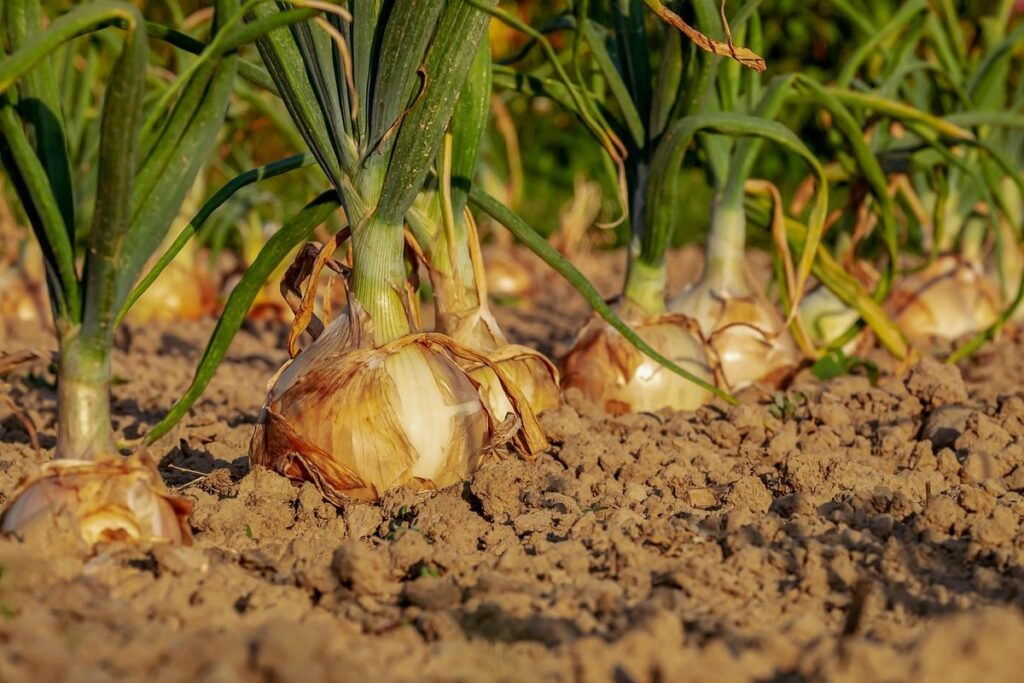
Onions can be surprisingly resilient to cold temperatures, but understanding their hardiness is crucial for growers and gardeners who want to protect their crops from frost. Let’s take a closer look at how cold onions can actually tolerate.
Types of Onions and Their Temperature Tolerance
Onions come in various shapes, sizes, and colors, each with its own unique characteristics. Among these varieties are yellow onions, white onions, red onions, and sweet onions, which differ significantly in their cold hardiness levels.
Yellow onions and white onions, commonly used for cooking and storage, can tolerate temperatures as low as 0°F (-18°C). They can withstand light frosts but may experience damage if exposed to prolonged periods of sub-zero temperatures. On the other hand, red onions are generally more sensitive to cold temperatures and should be harvested before the first frost.
Sweet onions, a popular variety due to their mild flavor, have higher moisture content and lower acidity levels compared to other types of onions. This makes them less tolerant of extreme temperature fluctuations, requiring careful protection during winter months.
It’s essential to note that even within these categories, specific cultivars can exhibit varying degrees of cold hardiness. For instance, ‘Texas Grano’ yellow onion is bred for its exceptional tolerance of frost and freezing temperatures.
Factors Affecting Onion Cold Hardiness
When it comes to onion cold hardiness, several factors come into play that can either enhance or compromise an onion’s ability to withstand freezing temperatures. Let’s take a closer look at the key influencers of onion cold hardiness.
Soil quality plays a significant role in determining how well onions will tolerate cold snaps. Well-draining soil with adequate organic matter is essential for healthy root development, which helps onions access moisture and nutrients more efficiently during stressful periods like frost. Sandy soils with low fertility levels can lead to waterlogged conditions that exacerbate damage from cold temperatures.
Moisture levels also impact onion cold hardiness significantly. Excessively dry or overly saturated soil can reduce an onion’s ability to withstand freezing temperatures. Adequate moisture retention is crucial for maintaining healthy cell membranes and keeping the plant’s internal systems functioning properly during periods of extreme cold.
Exposure to wind and frost are other critical factors that affect onion cold hardiness. Avoid exposing onions to direct winds, which can accelerate evaporation from the soil surface and increase damage from frost. Onions growing in areas prone to frequent or prolonged frosts may benefit from mulching or covering with a protective layer to shield them from extreme temperatures.
Additionally, onions grown in regions with fluctuating temperature patterns may experience repeated stress cycles that gradually weaken their cold hardiness over time.
Effects of Prolonged Cold on Onions
When left out in freezing temperatures, onions can suffer from damage that affects their flavor, texture, and overall quality. This section explores what happens when onions are exposed to prolonged cold conditions.
Impact on Flavor and Texture
When onions are exposed to prolonged cold temperatures, their flavor and texture can undergo significant changes. One of the most noticeable effects is the potential for onions to become sweeter. This is because cold stress triggers the conversion of sugars within the onion from non-sugar compounds to glucose, making them taste sweeter. On the other hand, some onions may develop a more pungent flavor due to the breakdown of cell walls and the release of sulfur compounds.
This shift in flavor profile can be attributed to the way onions respond to cold stress. When onions are chilled, their cells undergo changes that disrupt normal metabolic processes. As a result, enzymes within the onion begin breaking down existing compounds, releasing volatile sulfur-containing molecules responsible for the characteristic onion smell. This can lead to an intense pungency in some onions, while others may develop a milder flavor.
It’s worth noting that cold stress can also affect texture. Onions exposed to prolonged cold temperatures may become soft or mushy due to the breakdown of cell walls and the loss of water content.
Risk of Onion Decay and Rot
Storing onions in cold conditions can lead to rapid decay and rot, particularly if they’re exposed to temperatures below 40°F (4°C). This can result in a significant loss of quality and shelf life. Onions are high in water content, making them more susceptible to moisture-related issues.
When stored at low temperatures, the cell walls of onions become less permeable, causing the starchy cells to break down into simple sugars. These sugars serve as a food source for mold and bacteria, accelerating decay and rot. In fact, studies have shown that even slight changes in temperature can trigger an increase in onion spoilage.
To minimize these risks, it’s essential to monitor storage temperatures closely. If you must store onions in cold conditions, ensure they’re in a dry, well-ventilated area to maintain optimal airflow. Regularly inspect your stored onions for signs of decay or rot, removing any affected bulbs promptly to prevent further deterioration.
Storage Methods for Onions in Cold Temperatures
If you’re looking to store onions in cold temperatures, there are several methods that can help keep them fresh for a longer period of time. We’ll explore some effective storage techniques below.
Proper Handling and Storage Techniques
When storing onions in cold temperatures, it’s essential to follow proper handling and storage techniques to maintain their quality and longevity. Start by ensuring good air circulation around the onions. This can be achieved by leaving some space between each layer of onions or placing them on a wire rack to allow for airflow.
Moisture control is also crucial when storing onions in cold temperatures. Excess moisture can cause onions to rot, so it’s vital to keep them dry. You can achieve this by wrapping the onions in paper bags or breathable cloth, such as burlap, and placing them in a well-ventilated area.
When packing onions for storage, consider using a mesh bag or a ventilated container to maintain air circulation. Avoid stacking onions on top of each other, as this can create a humid microclimate that promotes rot. By following these simple tips, you can store your onions safely and effectively in cold temperatures, extending their shelf life and keeping them fresh for longer. Remember to check on the onions regularly to ensure they remain dry and mold-free.
Temperature-Resistant Storage Containers
When storing onions in cold temperatures, utilizing specialized containers can make all the difference. These temperature-resistant storage containers are specifically designed to maintain a consistent cold environment, which is crucial for onion preservation.
Features of these containers typically include:
* Insulation to regulate temperature and prevent extreme cold spots
* Breathable materials that allow for gas exchange while keeping moisture out
* Durable construction to withstand harsh conditions
The benefits of using these containers are numerous. For one, they can significantly extend the shelf life of your onions by maintaining a consistent refrigerated environment. This is especially important during periods of high humidity or extreme cold snaps.
However, there are some potential drawbacks to consider. Temperature-resistant containers can be more expensive than standard storage bins, and may not be as widely available. Additionally, if not properly cleaned and maintained, these containers can harbor moisture and promote rot. To minimize this risk, make sure to dry the containers thoroughly after cleaning and store them in a well-ventilated area.
Growing Onions in Cold Climates
If you live in a cold climate, growing onions can still be a possibility with some careful planning and protection from extreme temperatures. Here’s how to succeed.
Tips for Planting and Caring for Onions in Cold Weather
When planting onions in cold weather, timing is crucial. In regions with harsh winters, it’s essential to plant onion sets (small bulbs) 4-6 weeks before the first frost. This allows them to establish a strong root system before winter sets in. Choose varieties bred for cold tolerance, such as ‘Beltsville Bunching’ or ‘Rossa di Venezia’.
For prolonged periods of cold weather, onions need protection from extreme temperatures and moisture. Create a raised bed with good drainage to prevent waterlogged soil. Apply a 2-inch layer of organic mulch (straw or wood chips) to insulate the soil and retain heat. Water onions regularly during cold snaps to prevent dehydration.
When caring for onion crops in cold climates, monitor temperature fluctuations closely. Onions can tolerate temperatures as low as 20°F (-7°C), but prolonged exposure to freezing temperatures can cause damage. Bring potted onions indoors if possible or cover them with a frost blanket to shield from wind and extreme cold. By taking these precautions, you can enjoy a bountiful onion harvest even in the coldest of winters.
Varieties Suitable for Cold Climates
When growing onions in cold climates, choosing varieties that can withstand frost and freezing temperatures is crucial for success. Some onion varieties are more tolerant of cold than others, making them ideal for regions with long winters.
Onion varieties such as ‘Walla Walla’, ‘Vidalia’, and ‘Candy’ are popular choices for growers in colder areas. These onions have a natural resistance to bolting, which means they won’t go to seed prematurely when exposed to cold temperatures. They also tend to store better over the winter months.
Other varieties like ‘Yellow Granex’ and ‘Redwing’ are bred specifically for their ability to withstand frost and freezing temperatures. They may not be as sweet or mild as other onions, but they’ll provide a reliable harvest even in areas with harsh winters.
When selecting onion varieties for your garden, look for ones that have been tested and proven to perform well in cold climates. Check the seed packet or consult with local gardening experts to find out which varieties are best suited for your specific region.
Comparison of Onion Storage Methods
When it comes to storing onions, you’ve got several options, and we’re diving into a head-to-head comparison of the best methods. Let’s see how each approach affects onion longevity.
Comparative Analysis of Different Storage Techniques
When it comes to storing onions, different techniques can make a significant difference in their quality and shelf life. Let’s compare the effectiveness of refrigeration, root cellaring, and specialized containers to help you determine which method works best for you.
Refrigeration is an excellent way to store onions, especially if you live in a humid climate. By keeping them in the crisper drawer or a breathable bag, you can extend their shelf life by several weeks. However, refrigeration can cause the onions to become sweeter and lose some of their flavor.
Root cellaring is another popular method for storing onions. This involves storing them in a cool, dark place with high humidity. The ideal temperature for root cellaring is between 32°F and 40°F (0°C and 4°C), which can help preserve the onions’ natural sweetness and crunchiness. If you have access to a root cellar or a similar space, this method can be highly effective.
Specialized containers like onion bags or mesh bags can also help extend the shelf life of your onions. These breathable materials allow for air circulation, which prevents moisture buildup and spoilage. You can store these containers in the pantry, fridge, or even a dark closet to keep your onions fresh for months.
It’s worth noting that some methods may be more suitable depending on the type of onion. For example, shallots and scallions tend to do better in refrigeration than garlic or red onions, which prefer root cellaring. Experiment with different techniques to find what works best for you and your specific climate.
Factors to Consider When Choosing a Storage Method
When choosing a storage method for onions, there are several key factors to consider. First and foremost, cost is an important consideration. Some storage methods, such as root cellars, can be quite expensive to set up, while others, like cardboard boxes, are relatively inexpensive.
Space requirements are also crucial. If you have limited space in your home or garden, a compact storage method like a small chest or a hanging basket may be more suitable than a larger storage container. On the other hand, if you have ample space available, you can opt for a bigger storage solution that can hold more onions.
Maintenance needs are another factor to consider. Some storage methods require regular monitoring of temperature and humidity levels, while others are more low-maintenance. For example, storing onions in a paper bag requires checking on them periodically to ensure they’re not developing mold or sprouting.
It’s also essential to think about the climate where you live when selecting a storage method. If your area experiences extreme temperatures or humidity fluctuations, you’ll need a storage solution that can adapt to those conditions.
Conclusion
As we’ve explored how cold onions can tolerate, let’s summarize the key takeaways and revisit what you need to know for successful onion storage.
Recap of Key Takeaways
In reviewing our discussion on onions’ ability to tolerate cold temperatures, it’s clear that their durability is largely dependent on proper handling and storage. It’s essential to note that onions can indeed survive some degree of frost but prolonged exposure to freezing temperatures will eventually cause them to deteriorate.
A key takeaway from this conversation is the importance of selecting the right onion variety for your specific needs. Some varieties, such as the globe onion, are more resistant to cold than others. When storing onions in a frozen environment, make sure to keep them in a dry place away from direct sunlight and moisture. Also, consider using breathable containers or bags that allow for airflow to prevent condensation buildup.
As previously mentioned, onions can be safely stored at temperatures as low as 32°F (0°C) for short periods of time but prolonged exposure will result in spoilage. If you must store onions at very cold temperatures, it’s crucial to keep them away from other frozen foods that might release moisture and cause the onions to rot.
When bringing onions indoors after a period of storage outside, be sure to inspect them carefully for any signs of damage or decay before using them in cooking. In some cases, minor bruises or blemishes may not affect the overall quality of the onion but more severe damage could lead to spoilage and waste.
To maximize shelf life when storing onions at home, consider implementing a few simple storage tips: keep them away from heat sources, maintain good ventilation, and check on them regularly for any signs of spoilage.
Frequently Asked Questions
What’s the ideal storage temperature for onions to maintain their cold hardiness?
To maximize onion longevity, store them at a consistent refrigerator temperature between 32°F (0°C) and 40°F (4°C). Avoid storing near heating vents or direct sunlight, which can cause temperature fluctuations. Use breathable containers or bags that allow for air circulation.
Can I grow onions in extremely cold climates where the temperature drops below -18°C (0°F)?
While some onion varieties can tolerate temperatures as low as -18°C (0°F), extreme cold may still cause damage. Choose varieties bred for cold hardiness, and use protection methods like mulching or covering plants with a frost blanket to minimize damage.
How long do onions typically last when stored at 32°F (0°C) in a temperature-resistant container?
When properly stored in a temperature-resistant container, onions can last 3-6 months. However, their quality may degrade over time. Regularly inspect your onions for signs of decay and discard any that show visible damage.
Can I store onions at room temperature, or do they require refrigeration to maintain their cold hardiness?
Onions typically don’t benefit from storing at room temperature, as this can cause moisture loss and flavor degradation. Refrigerate them instead to maintain optimal humidity levels and prevent spoilage.
What’s the best way to handle and prepare onions for storage in cold temperatures?
Before storing, remove any excess moisture from the onion bulbs by gently patting them dry with a paper towel. This helps prevent mold growth and maintains their quality during storage.