
As a gardener, you’ve probably encountered the frustrating issue of garlic sprouting in the ground at the wrong time. Not only can this affect your harvest, but it can also lead to a decrease in quality and flavor. Garlic sprouting is not just an annoyance; it’s a sign that something’s amiss with your growing conditions or techniques. In this article, we’ll delve into the causes of garlic sprouting, including factors like soil temperature, moisture, and sunlight exposure. We’ll also cover prevention strategies to help you optimize your harvest and enjoy a bountiful crop of healthy, flavorful garlic. By following our comprehensive guide, you’ll learn how to care for your garlic properly and prevent unwanted sprouting in the ground, ensuring a successful harvest every time.
Understanding Garlic Sprouting
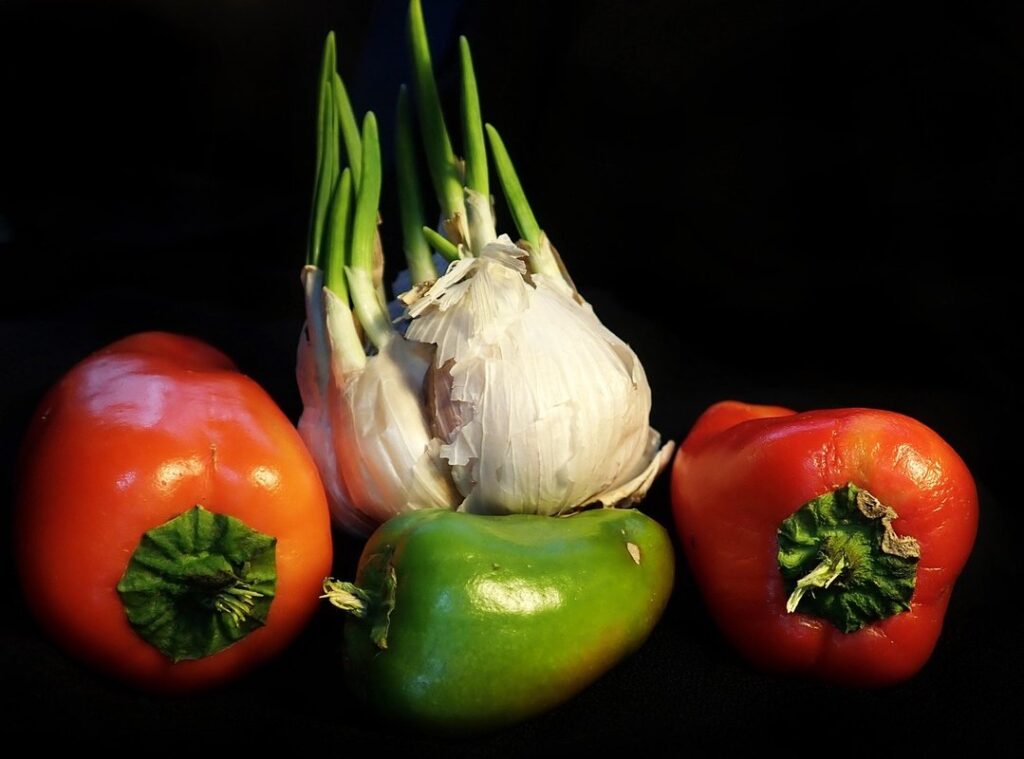
Garlic sprouting in ground can be a bit confusing, especially for beginners. In this next part of our guide, we’ll dive into what exactly garlic sprouting is and why it happens.
Causes of Garlic Sprouting
When garlic sprouts in the ground, it’s often due to a combination of factors. One major reason is temperature fluctuations. Garlic needs a period of cold temperatures, typically around 40°F (4°C) for several weeks, to induce dormancy and prevent sprouting. If the soil temperature rises above this threshold, even if just briefly, it can trigger garlic to sprout prematurely.
Another factor that contributes to garlic sprouting is an irregular watering schedule. Garlic needs consistent moisture levels, especially during its dormant period. However, if the soil dries out significantly between waterings, or if you’re overwatering, it can cause the cloves to sprout early.
Soil quality also plays a significant role in preventing or promoting garlic sprouting. Well-draining, loose soils tend to promote healthy growth and prevent sprouting. On the other hand, compacted soils with poor drainage can lead to moisture accumulation, causing garlic to sprout prematurely.
To minimize the risk of garlic sprouting in the ground, ensure you maintain a consistent watering schedule, monitor soil temperature, and cultivate well-draining soil conditions.
Importance of Preventing Garlic Sprouting
Preventing garlic sprouting is crucial for optimal growth and yield. When garlic sprouts too early, it can lead to reduced yields, as the bulb size decreases due to energy being redirected towards vegetative growth instead of bulb formation. This can result in significantly lower harvests, which may be financially devastating for farmers or gardeners relying on a large garlic crop.
Another significant consequence of garlic sprouting is its impact on flavor and aroma. Sprouted garlic often has a milder taste and less pungency compared to properly matured bulbs. This reduction in flavor can affect the overall quality and value of the harvested product, making it less desirable for chefs and consumers.
Furthermore, sprouted garlic may also become more susceptible to disease due to its weakened state. When a garlic bulb begins to sprout, it becomes vulnerable to fungal infections that thrive in moist environments. Regularly inspecting your garlic crop can help identify early signs of sprouting, allowing you to take corrective action before the issue escalates.
To prevent garlic sprouting, ensure your bulbs receive adequate sunlight and air circulation while maintaining consistent moisture levels. This balance will promote healthy growth without encouraging premature sprouting.
Choosing the Right Garlic Variety for Ground Planting
When planting garlic in the ground, selecting the right variety is crucial to ensure healthy growth and optimal flavor. Let’s explore the key factors to consider when choosing a suitable garlic variety.
Factors to Consider When Selecting a Garlic Variety
When selecting a garlic variety for ground planting, there are several key factors to consider. Climate adaptation is one of the most critical considerations. Garlic varieties can be broadly categorized into two groups: hardy and softneck. Hardy garlic varieties are more tolerant of cooler temperatures and humidity, making them well-suited for areas with mild winters. Softneck garlic varieties, on the other hand, prefer warmer climates with dry summers.
Another important factor to consider is growth habits. Some garlic varieties are more compact and suitable for smaller spaces, while others can grow quite large. If you’re planting in a small garden bed or container, look for varieties that have a smaller bulb size and a more upright growth habit. Disease resistance is also crucial, as certain garlic varieties are more prone to diseases like rust and downy mildew.
Some popular garlic varieties that excel in ground plantings include ‘Silverskin’, ‘Creole’, and ‘Germann’. These varieties offer excellent climate adaptation, growth habits, and disease resistance, making them ideal for gardeners of all levels. When selecting a garlic variety, be sure to research its specific needs and characteristics to ensure the best possible outcome for your crop.
Popular Garlic Varieties for Ground Planting
When it comes to growing garlic in the ground, choosing the right variety is crucial for success. There are numerous popular garlic varieties that excel in this environment, and we’ll highlight some of the most notable ones below.
One of the most popular choices among gardeners is ‘Elephant’ garlic (Allium ampeloprasum), known for its large, mild cloves and robust flavor. It’s an excellent choice for those who want to harvest a large quantity of garlic, as it produces multiple bulbs per plant. Another favorite is ‘Rocambole’ (Allium sativum var. rocambole), prized for its rich, aromatic flavor and ease of growth.
For gardeners with limited space, compact varieties like ‘Silverskin’ (Allium sativum var. silverskin) are ideal. This hardy variety produces smaller bulbs but is less susceptible to disease and requires minimal maintenance. ‘Creole’ garlic (Allium sativum var. creole) is another versatile choice, with its rich flavor and resistance to pests making it a popular pick among gardeners.
When selecting a garlic variety for ground planting, consider factors such as climate, soil type, and pest susceptibility to ensure the best results.
Preparing the Soil for Garlic Sprouting
Before you start planting, it’s crucial to prepare your soil properly to give your garlic a strong foundation for healthy sprouting. This involves incorporating essential nutrients and ensuring optimal drainage.
Importance of Soil Quality for Garlic Growth
Soil quality plays a vital role in garlic growth and yield. When it comes to sprouting garlic in ground, the condition of your soil can either support or hinder the process. pH levels are one key factor to consider, as most garlic varieties prefer a slightly acidic to neutral soil pH (around 6-7). If your soil’s pH is too high or low, it may affect nutrient availability, leading to stunted growth and reduced yields.
Proper drainage is another essential aspect of soil quality. Garlic needs consistent moisture, but excessive water can cause roots to rot. Ensure that your soil drains excess water efficiently to prevent root damage. Nutrient availability is also crucial, as garlic requires a balanced mix of nitrogen, phosphorus, and potassium. Test your soil regularly to determine its nutrient levels and amend it with organic matter or fertilizers as needed.
Maintaining good soil quality will give your garlic the best chance to thrive when sprouted in ground.
How to Improve Soil Quality for Garlic Planting
Improving soil quality is crucial for garlic sprouting. Healthy soil provides essential nutrients and optimal growing conditions for your garlic bulbs to thrive. To enhance soil fertility, start by adding organic matter such as compost, well-rotted manure, or peat moss. These materials not only improve the soil‘s structure but also supply vital micronutrients. Aim to incorporate 2-4 inches of compost into the top 6-8 inches of soil.
Another key factor is adjusting the pH levels. Garlic prefers a slightly acidic to neutral soil environment with a pH between 6.0 and 7.0. Test your soil’s pH before planting, and make necessary adjustments by adding lime or sulfur according to your results. Keep in mind that garlic grown in extremely alkaline soils may suffer from reduced yields.
Remove any debris, rocks, or weeds from the area to ensure even growth and prevent competition for water and nutrients. Use a fork or spade to gently loosen compacted soil, promoting healthy root development.
Tips for Minimizing Garlic Sprouting
To prevent garlic sprouts from growing out of control, follow these simple tips that will help you minimize the issue and keep your crop healthy and productive. With a few adjustments to your storage and handling habits, you can reduce sprouting significantly.
Proper Planting Techniques to Prevent Sprouting
When planting garlic in the ground, it’s essential to adopt proper techniques that minimize sprouting. One of the most critical factors is depth. Planting too deep can cause the cloves to rot, while shallow planting may lead to weak and leggy growth. As a general rule, plant individual garlic cloves 2-3 inches deep and 4-6 inches apart, depending on the specific variety.
Another crucial aspect is orientation. Make sure the pointed end of each clove is facing upwards, allowing for proper growth and development. Incorrect orientation can cause the clove to sprout prematurely or develop unevenly. To achieve optimal results, plant the cloves in a spot with well-draining soil and full sun, which will help control moisture levels and prevent fungal diseases that can lead to sprouting.
Additionally, consider planting garlic on a slight incline to promote air circulation and prevent water from pooling around the bulbs. This simple technique can make all the difference in preventing unwanted sprouts from emerging during the growth cycle. By following these guidelines, you’ll be well on your way to minimizing garlic sprouting in your garden.
Post-Planting Care to Reduce Sprouting Risk
After planting garlic, it’s essential to provide proper care to reduce the risk of sprouting. A consistent watering schedule is crucial to prevent excessive moisture that can lead to sprouts. Water your garlic plants when the top 2-3 inches of soil feel dry to the touch, usually once or twice a week depending on weather conditions.
Mulching around the plants helps retain moisture and suppress weeds that compete with garlic for resources. Organic mulch like straw or wood chips is ideal as it breaks down slowly and doesn’t attract pests. Apply a 2-3 inch layer of mulch around the plants, keeping it a few inches away from the bulbs to prevent rot.
Pest management is also vital in preventing sprouting. Keep an eye out for aphids, spider mites, and other pests that can weaken the plants and trigger sprouting. Use neem oil or insecticidal soap to control infestations, following the product’s instructions carefully. Regularly inspect your garlic plants and address any issues promptly to minimize the risk of sprouting.
Addressing Garlic Sprout Issues
Don’t worry if things aren’t going as planned, we’ll tackle common issues that can arise when garlic sprouts appear above ground, like pests and weather damage. We’ll offer practical solutions to get your crop back on track.
Identifying Common Problems Associated with Garlic Sprouting
One of the most frustrating experiences for garlic growers is dealing with common problems associated with sprouting. Disease, pests, and nutrient deficiencies are just a few issues that can sabotage your harvest.
Disease is a major concern when it comes to garlic sprouting in the ground. Common diseases include pink root, purple blotch, and white rot. These fungal diseases thrive in moist environments, making them particularly problematic for garlic growers who don’t maintain good drainage or crop rotation. To prevent disease, make sure your soil has adequate drainage and use crop rotation to break the disease cycle.
Pests like aphids, spider mites, and thrips can also wreak havoc on your garlic sprouts. These tiny insects feed on the sap of the plant, causing damage that can be difficult to repair. Regularly inspect your plants for signs of infestation and use organic pest control methods whenever possible.
Nutrient deficiencies are another common issue with garlic sprouting in the ground. Garlic requires a balanced diet of nutrients to produce healthy bulbs. A lack of essential micronutrients like sulfur, boron, or calcium can result in weak or deformed bulb growth.
Strategies for Dealing with Sprouted Garlic
Dealing with sprouted garlic can be frustrating, especially when you’ve invested time and effort into growing it. However, there are ways to salvage the crop, remove affected plants, and adjust future planting strategies to prevent this issue from happening again.
Firstly, if only a few cloves have sprouted, you may still be able to use them for cooking. Simply trim off the green shoots and use the bulbs as usual. But if most of the garlic has sprouted, it’s better to remove the affected plants to prevent further growth and potential mold issues.
To salvage the crop, carefully dig up the entire bed and separate the sprouted garlic from the healthy ones. Use a garden fork to gently loosen the soil around each bulb, taking care not to damage any of the surrounding cloves. Discard the affected bulbs, and replant only the healthy ones in a new location with improved drainage.
To prevent future sprouting, make sure your garlic is planted at a depth that’s sufficient to prevent exposure to light. A good rule of thumb is to plant individual cloves about 2-3 inches deep, depending on their size. This will help minimize the likelihood of sprouting and ensure healthier growth in subsequent seasons.
Seasonal Garlic Harvesting and Storage Tips
Now that you’ve successfully harvested your garlic, it’s time to store it properly to enjoy its flavor all year round. Let’s dive into the seasonal tips for harvesting and storing garlic for maximum freshness.
Timing of Harvest for Optimal Flavor and Texture
When it comes to harvesting garlic that’s been sprouted in the ground, timing is everything. You want to pick the bulbs when they’re at their peak flavor and texture, but not so early that they dry out before you can use them.
Weather conditions play a significant role in determining the optimal harvest time for your sprouted garlic. If it’s been a hot and dry spell, it’s best to wait until the cooler months arrive, as this will allow the bulbs to mature further without drying out. On the other hand, if there’s been an abundance of rain, you may need to harvest sooner to prevent rot.
Check on your garlic regularly during the summer months by gently digging around each bulb with a fork. If the necks are yellow or have begun to split, it’s likely time to pull them up. Be sure to avoid harvesting too early, as this can result in bulbs that are green and not yet fully formed. Typically, garlic is ready to harvest when the tops begin to turn yellow and fall over, which usually occurs about 3-4 months after planting.
Keep in mind that some varieties of garlic mature faster than others, so be sure to research specific harvesting times for your particular strain. With a little patience and attention to weather conditions, you’ll be able to enjoy your homegrown garlic at its best.
Post-Harvest Care to Preserve Quality
Proper storage and care of harvested garlic is crucial to preserving its quality and extending shelf life. Once you’ve carefully lifted your garlic bulbs out of the ground, it’s essential to dry them thoroughly to prevent rot and mold from developing.
Begin by spreading the harvested garlic cloves out in a single layer on a wire rack or paper bags, allowing air to circulate freely around each bulb. This process is called “curing,” and it helps draw out excess moisture that can lead to spoilage. You can also use a fan to speed up the drying process, but be careful not to blow the bulbs too vigorously.
After 2-3 days of curing, move your garlic to a cool, dry place with good air circulation, such as a basement or garage. Store them in paper bags or mesh bags, rather than plastic bags, which can trap moisture and promote mold growth. Keep the stored garlic away from direct sunlight and heat sources.
Remember, it’s essential to inspect your stored garlic regularly for signs of spoilage, such as soft spots or mold growth. By following these simple steps, you can enjoy your homegrown garlic throughout the year while maintaining its quality and flavor.
Frequently Asked Questions
Can I still harvest garlic if it’s sprouted?
Yes, it’s possible to still harvest garlic even after it has sprouted, but the quality may be compromised. If you notice your garlic is sprouting in the ground, it’s essential to carefully dig around the bulbs without damaging them. Harvesting sprouted garlic can be more challenging than regular garlic, and the flavor and texture might not be as optimal.
How do I prevent garlic from sprouting too early due to temperature fluctuations?
To prevent garlic from sprouting too early, ensure that your soil temperature remains within the 40°F (4°C) threshold. You can achieve this by mulching around the plants or using row covers to regulate soil temperature. Additionally, choose a garlic variety that is specifically bred for its cold hardiness.
What’s the ideal time frame between planting and harvesting garlic?
The ideal time frame between planting and harvesting garlic varies depending on your location and climate. As a general rule, it takes around 4-6 months from planting to harvest for most garlic varieties. However, this can range from 3-7 months, so it’s crucial to monitor your plants closely and adjust the harvest schedule accordingly.
How do I address common issues associated with sprouted garlic?
To address common issues associated with sprouted garlic, start by inspecting the bulbs carefully. If the sprouts are still soft and green, you can try trimming them back to encourage the bulb to focus on growth rather than sprouting. If the sprouts have turned brown or brittle, it’s likely too late to salvage the bulb.
What’s the best way to store garlic after harvesting to minimize sprouting?
To minimize sprouting, store harvested garlic in a cool, dry place with good ventilation. Aim for temperatures between 40°F (4°C) and 50°F (10°C). Avoid storing garlic near direct sunlight or heat sources, as this can trigger further sprouting. You can also consider refrigerating the bulbs to maintain dormancy until you’re ready to use them.