
The disappointing moment when you finally check on your prized potato harvest, only to find that they’re rotting away. It can be frustrating and disheartening, especially if you were counting on them for meals or storage. But don’t worry, potato rot is a common issue many gardeners face, and it’s usually not due to any fault of their own. In this article, we’ll delve into the causes of potato rot and provide practical prevention strategies to help you avoid this problem in the future. We’ll also explore some effective treatment options so that even if your potatoes do start to rot, you can salvage what you can and minimize losses. With our comprehensive guide, you’ll be equipped with the knowledge to enjoy a healthy and bountiful harvest.
Understanding the Problem
Let’s take a closer look at what might be causing your potatoes to rot, starting with some common mistakes even experienced gardeners make. We’ll explore the root of the problem together.
What Causes Potato Rot?
Potatoes are prone to rot due to several factors. One of the most common reasons is improper storage. If potatoes are not stored in a cool, dark place with good ventilation, they can develop high temperatures and humidity levels that foster bacterial growth. Storing them near fruits, especially apples and bananas, is also not advisable as these fruits release ethylene gas, which accelerates the ripening process.
Temperature fluctuations are another significant cause of potato rot. Potatoes should be kept at a consistent temperature between 40°F to 50°F (4°C to 10°C). Avoid storing them near heating vents or radiators, and don’t leave them outside in direct sunlight or freezing temperatures.
Fungal infections also contribute significantly to potato rot. These can be caused by improper handling during harvesting, storage, or transportation. Bacteria such as Erwinia carotovora can infect potatoes through wounds or cracks on the skin. Regularly inspecting your potatoes and removing any damaged or diseased tubers is crucial in preventing the spread of fungal infections.
When storing potatoes, it’s essential to keep them in a breathable bag or container to prevent moisture buildup.
Recognizing Signs of Rot
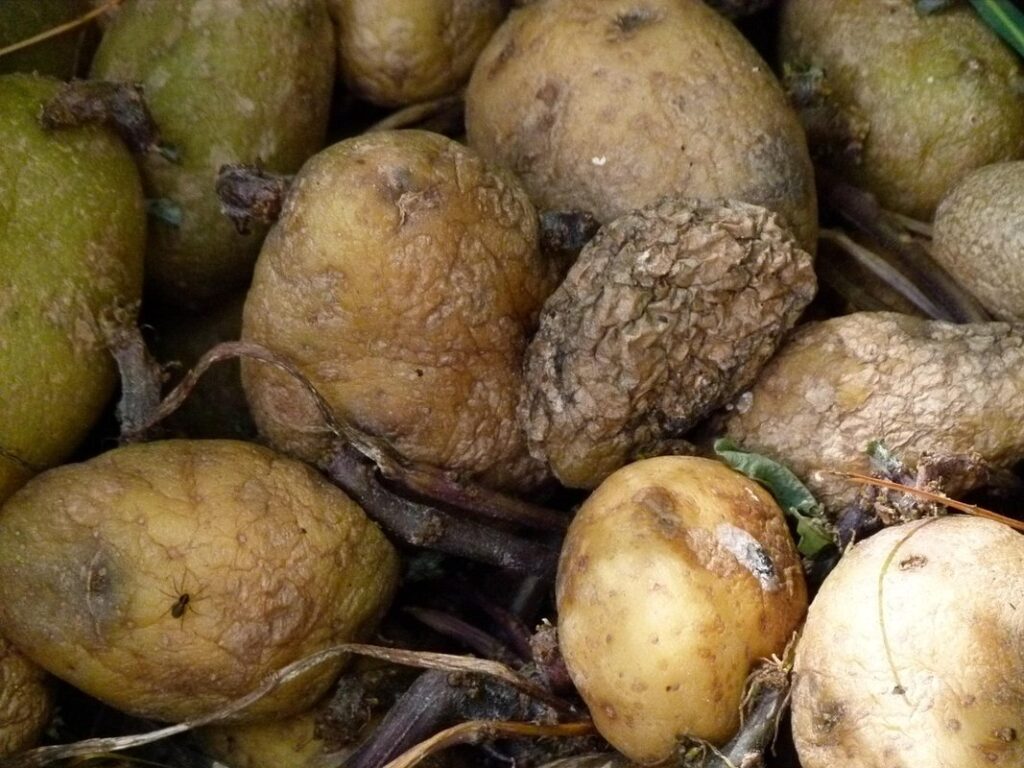
Rot can sneak up on you, even if you’re keeping an eye on your potatoes. To identify rot in potatoes, look for changes in texture and appearance. Start by checking the skin – if it’s shriveled, soft, or has brown spots, it may be a sign of rot.
Cut into one of the affected areas to inspect further. If the flesh is discolored, mushy, or has an unpleasant odor, it’s likely rotten. Check for any black spots or mold growth, as these are clear indicators of decay.
Be aware that some potatoes may develop a “soft eye” – a small, soft spot on one end. This can be a sign of rot starting to set in. Remove and discard the affected area to prevent further spoilage. If multiple areas of your potato show signs of rot, it’s likely too far gone to salvage.
When inspecting for rot, use a clean knife to avoid transferring bacteria. Check potatoes regularly, especially if you notice any of these visual cues or physical changes. Remember, prevention is key – learn how to store and handle your potatoes correctly to minimize the risk of rot.
The Impact of Rot on Your Harvest
Letting potato rot set in can have far-reaching consequences that affect not just your harvest but also the long-term health of your soil. Reduced yields are one of the most immediate concerns – a single infestation can wipe out an entire crop, leaving you with nothing to harvest. But it’s not just about lost revenue; contaminated soil poses a significant risk to future crops as well.
When potato rot takes hold, it releases fungal spores into the surrounding environment, creating a perfect breeding ground for further infections. This sets off a cycle of decay that can be difficult to break, ultimately reducing your soil’s fertility and increasing the likelihood of subsequent infestations.
To put this in perspective, consider this: if left unchecked, a single infestation can lead to a 20-30% reduction in crop yields over an entire season. This is not just an economic blow but also a sustainability issue – the more you allow potato rot to spread, the harder it becomes to grow healthy crops in that soil.
The sooner you address the issue, the better equipped you’ll be to mitigate its effects and prevent future occurrences.
Causes of Potato Rot
Let’s dive into some common causes of potato rot, from improper storage to pests and diseases that can quickly ruin your spuds.
Your potatoes may be susceptible to rot due to factors like temperature fluctuations, moisture issues, and poor handling.
Fungal Infections
When it comes to potato rot, fungal infections are often the primary culprit. There are several types of fungi that can infect potatoes, but some of the most common ones include Phytophthora infestans, Pyrenochaeta terrestris, and Fusarium oxysporum.
These fungi typically infect plants through wounds or openings in the skin, such as those caused by bruises, cuts, or insect damage. They can also spread through contaminated soil, water, or equipment. Once inside the plant, the fungi begin to break down the cell walls, causing the potato to rot from the inside out.
To identify fungal infections, look for symptoms like soft spots, mushy texture, and a sour or unpleasant odor. In severe cases, the fungus can cause the entire plant to die. To prevent fungal infections, make sure to store potatoes in a cool, dry place with good ventilation. Wash your hands thoroughly before handling potatoes, and avoid bruising or damaging them during harvest or storage.
If you do notice signs of infection, remove the affected areas immediately to prevent the fungus from spreading.
Bacterial Diseases
Bacterial diseases can be a major contributor to potato rot, particularly soft rot and blackleg. These diseases are caused by bacteria that infect the plant’s tissues, breaking down the cell walls and leading to decay. Soft rot is typically characterized by a soft, mushy texture on the affected area, while blackleg causes a darkening of the tissue and can lead to the entire stem becoming rotten.
Soft rot is often spread through wounds or bruises in the tuber, which provide an entry point for bacteria. This can occur during harvesting or handling, making it essential to handle potatoes with care. Blackleg, on the other hand, is usually caused by infection through the soil or contaminated water. Both diseases thrive in warm, humid conditions, making them more common in regions with mild winters.
To prevent bacterial diseases, focus on maintaining good hygiene when handling your potatoes. Avoid bruising or damaging the tubers during harvest and storage. Regularly inspect your potatoes for signs of disease and discard any affected areas to prevent further spread.
Nutrient Deficiencies and Toxicities
Nutrient deficiencies and toxic substances can significantly contribute to potato rot. Low potassium levels, for instance, can lead to an increased risk of disease susceptibility and water loss in potatoes, creating an environment conducive to rotting. On the other hand, high nitrate levels can promote the growth of microorganisms that break down the starches within the tubers, accelerating decay.
Similarly, exposure to toxic substances such as ethylene gas, certain fungicides, or heavy metals like lead and mercury can damage potato cells and compromise their natural defense mechanisms, making them more vulnerable to rotting. Even some organic amendments like compost tea can be detrimental if applied in excess, causing excessive nitrogen availability that fosters anaerobic conditions perfect for fungal growth.
To mitigate the risk of nutrient deficiencies and toxicities contributing to potato rot, it’s essential to maintain a balanced fertilizer program, monitor soil pH levels, and implement proper storage practices. Regularly inspect your potatoes for signs of damage or decay, and remove any affected tubers to prevent further contamination. By being mindful of these factors and taking proactive steps, you can reduce the likelihood of nutrient deficiencies and toxicities contributing to potato rot.
Prevention Strategies
Now that you know why potatoes rot, let’s dive into effective prevention strategies to help you enjoy your spuds for a longer time. We’ll explore simple ways to keep them fresh and healthy.
Proper Storage Techniques
When storing potatoes, it’s essential to maintain optimal conditions to slow down their natural ripening process. To start, choose a cool, dark place with consistent temperatures between 40°F and 50°F (4°C and 10°C). Avoid storing them near heat sources or in direct sunlight.
Proper ventilation is also crucial; ensure good air circulation around the potatoes by keeping them away from each other and not overcrowding the storage area. High humidity can cause potatoes to rot quickly, so it’s recommended to store them in a well-ventilated area with a relative humidity of 80% to 90%. You can achieve this by storing them in paper bags or breathable containers, rather than plastic bags.
In some cases, storing potatoes in their original bags might be convenient, but it can lead to an environment that’s too humid and promotes rot. To prevent this, consider moving the potatoes to a more suitable storage container as soon as possible.
Choosing Healthy Seed Potatoes
When selecting seed potatoes for planting, it’s crucial to choose disease-free tubers to minimize the risk of rot and other diseases. Not all seed potatoes are created equal, and buying from a reputable supplier can make a significant difference.
Look for certified disease-free seed potatoes from nurseries or suppliers that specialize in seed potato sales. These tubers have been tested and graded for quality, reducing the likelihood of contamination. Check for certification labels such as ‘Certified Disease-Free’ or ‘Solanum Tuberosum’.
When inspecting your seed potatoes, look for signs of disease, such as black spots, soft patches, or a sour smell. Healthy seed potatoes should be firm, smooth, and have no visible defects. Avoid tubers with cuts, cracks, or bruises, as these can provide entry points for diseases.
Handle seed potatoes gently to prevent damage during transportation and storage. Store them in a cool, dark place until planting time, keeping them separate from regular potatoes that may harbor disease-causing organisms. By selecting healthy seed potatoes and following proper handling procedures, you can significantly reduce the risk of rot and ensure a successful harvest.
Crop Rotation and Soil Management
Crop rotation is a simple yet effective way to break disease cycles and improve soil health, both of which can help prevent potato rot. By rotating your potatoes with other crops, you’re reducing the likelihood that pests and diseases will build up in the soil. For example, planting legumes like beans or peas after a potato crop can fix nitrogen in the soil, making it easier for future crops to grow.
To implement crop rotation effectively, start by identifying which crops are most susceptible to disease in your area. Then, plan out your rotation schedule accordingly. For instance, if you’re growing potatoes in one season, consider planting brassicas like broccoli or kale in the next. This will help reduce the risk of club root, a common potato disease.
Maintaining healthy soil is also crucial for preventing potato rot. Add organic matter like compost or well-rotted manure to improve soil structure and fertility. Avoid over-tilling, as this can damage soil ecosystems and lead to erosion. By taking these simple steps, you’ll be creating an environment that’s less conducive to disease growth and more supportive of healthy plant growth.
Troubleshooting Rotting Potatoes
If you’ve found that your potatoes are rotting, don’t worry – we’re here to help you identify and fix the issue, starting with common mistakes to avoid. Let’s get started with troubleshooting.
Assessing the Damage
When assessing the damage, it’s essential to evaluate the extent of rotting on each tuber. Start by gently handling the potatoes to avoid damaging them further. Begin by examining the affected area, looking for signs of softening, darkening, or mold growth. Be aware that even if only a small portion is rotten, the entire tuber may be compromised.
Check the texture and firmness of the potato. Healthy potatoes should feel firm and heavy for their size. If a potato feels light or has soft spots, it’s likely gone bad. Use this method to inspect each tuber individually. Remember that some rotting might be superficial, while others could have penetrated deeper into the flesh.
Consider the age of the potatoes as well. Old potatoes are more susceptible to spoilage than fresh ones. If you’ve stored them for an extended period, it’s possible that the entire batch is affected.
Keep in mind that salvaging partially rotten tubers can be a gamble. While some might still be usable, others may have spread their rot to neighboring spuds. Proceed with caution and only salvage those that appear minimally affected.
Saving Remaining Tubers
Unfortunately, not all potatoes are salvageable when some have begun to rot. However, you can still save the remaining tubers by following these simple steps. First, carefully remove the rotten potatoes from the storage area to prevent the spread of disease and spores. Then, inspect each potato for any signs of mold or soft spots.
If a potato has minor damage but is otherwise firm, you can clean it with a gentle brush to remove any debris or bacteria. To dry the potato, wrap it in a paper towel or cloth and let it sit at room temperature for 24-48 hours. This will help to kill any remaining spores and prevent further decay.
Once your potatoes are clean and dry, store them in a cool, dark place with good ventilation. The ideal storage conditions for potatoes include temperatures between 40°F (4°C) and 50°F (10°C), with humidity levels around 80-90%. Check on your stored potatoes regularly to ensure they’re not developing any new problems.
Preventative Measures for Future Crops
To avoid dealing with rotting potatoes again, it’s essential to take preventative measures from the start. This includes adjusting storage conditions and crop management practices.
For optimal potato storage, ensure that you’re storing them in a dark place with consistent cool temperatures between 40°F and 50°F (4°C and 10°C). Aim for humidity levels of around 80-90% by storing them in paper bags or breathable containers. Keep the potatoes away from direct sunlight, as this can cause moisture to accumulate on their skin.
When it comes to crop management practices, take note of the soil quality and drainage when planting your next batch of potatoes. Avoid overwatering, which can lead to rot. Instead, focus on maintaining a balanced water supply and make sure the soil isn’t waterlogged. Also, rotate your potato crops regularly to maintain nutrient levels in the soil.
Regularly inspect your stored potatoes for any signs of spoilage or decay. Remove any affected tubers to prevent the spread of rotting spores.
Dealing with Contamination
Now that we’ve discussed why potatoes rot, let’s tackle a crucial aspect of potato care: how to prevent and deal with contamination that can cause spoilage. We’ll explore some practical solutions to salvage your crop.
Understanding Soil Contamination
Soil contamination is a major contributor to potato rot, and it’s essential to understand its role before we dive into prevention and solutions. When soil contains contaminants like pathogens, heavy metals, or pesticides, these can be absorbed by the potatoes as they grow, making them more susceptible to disease. For instance, contaminated soil can harbor fungi and bacteria that cause common potato diseases such as late blight and scab.
These microorganisms can spread through the soil, infecting multiple plants, and even persist in the soil for years if not properly managed. Similarly, heavy metals like lead or arsenic can accumulate in the soil and be absorbed by potatoes, causing damage to their tissues and making them more vulnerable to disease. It’s estimated that contaminated soil is responsible for up to 70% of crop losses worldwide.
To mitigate these risks, it’s crucial to test your soil regularly for contaminants and take steps to remediate any issues found. This may involve removing infected plants, adding beneficial microorganisms to the soil, or using organic amendments to improve soil health. By understanding the role of contaminated soil in potato rot, you can take proactive measures to protect your crops and enjoy a healthy harvest.
Testing Your Soil
Testing your soil is an essential step in identifying potential causes of potato rot. Nutrient deficiencies and toxic substances can manifest as rotting tubers, so it’s crucial to assess the quality of your soil. You might be wondering how often you should test your soil or what specific tests are necessary. A general rule of thumb is to test your soil annually, especially if you’re new to gardening.
When testing for nutrient deficiencies, consider getting a comprehensive analysis that includes pH levels, nitrogen, phosphorus, potassium (NPK), and micronutrients like calcium and magnesium. These elements play vital roles in plant growth and development. For instance, an imbalance of NPK can lead to stunted growth or weak tubers.
As for toxic substances, heavy metals like arsenic, cadmium, and lead can be detrimental to your potatoes’ health. Other potential contaminants include pesticides and herbicides, which can seep into the soil through irrigation or nearby agricultural activities. If you suspect contamination, consult with a local laboratory that specializes in environmental testing.
Remediation Strategies
When dealing with contaminated soil that’s caused your potatoes to rot, remediation strategies come into play. The goal is to restore the soil’s health and fertility so you can grow healthy crops again.
One effective way to clean up contaminated soil is by rotating crops. This involves growing different types of plants in succession, which helps break down pollutants and toxins in the soil. For example, planting legumes like beans or peas can fix nitrogen in the soil, making it more fertile for future crops. After harvesting these crops, you can plant other vegetables that don’t require a lot of nutrients, allowing the soil to recover.
Cover crops are another great option for remediation. These are plants grown specifically to protect and improve soil health during off-season periods or when the main crop is not in season. Cover crops like clover or rye help suppress weeds, retain moisture, and add organic matter to the soil. By incorporating these strategies into your gardening routine, you can gradually restore contaminated soil to a healthy state, making it possible to grow healthy potatoes again.
Frequently Asked Questions
What if I’ve already stored my potatoes improperly, can I still salvage them?
While it’s difficult to completely reverse the effects of improper storage, you can try salvaging any remaining healthy tubers by carefully inspecting and discarding any visibly rotten or soft areas. Keep in mind that even if you manage to save some, their quality might be compromised. To avoid this situation in the future, focus on proper storage techniques as discussed in the article.
How do I know which diseases are causing my potato rot?
Identifying the cause of potato rot can be tricky, but look for specific signs like black spots or white patches on the skin, which could indicate fungal infections like late blight. Bacterial diseases often produce a softer, more mushy texture and may emit a strong odor. Nutrient deficiencies might lead to yellowing leaves or stunted growth. If you’re still unsure, consider consulting with a gardening expert or taking soil samples for analysis.
Can I replant the same crop next season if some potatoes rotted?
While it’s tempting to reuse the same crop, doing so can perpetuate disease and pest issues in your soil. To minimize risks, practice crop rotation and choose healthy seed potatoes from reputable sources. This will help break disease cycles and promote a balanced ecosystem.
How often should I check on my stored potatoes for signs of rot?
Regular monitoring is key to preventing losses due to potato rot. Check on your stored tubers every 1-2 weeks during the first few months, paying attention to any visible signs of decay or softening. Be sure to inspect them carefully after any periods of unusual temperature fluctuations.
What can I do if I suspect my soil is contaminated with disease-causing pathogens?
If you believe your soil might be the source of potato rot issues, consider testing it for nutrient deficiencies and pH levels. Based on your results, implement remediation strategies like adding beneficial microbes or adjusting fertilizers to promote a healthy soil ecosystem.