
Are you growing your own spinach crop and wondering when to pick those delicious leaves? Determining the perfect harvest time for spinach is crucial to ensure optimal yield and freshness. But, with so many factors at play – climate, soil quality, and growing methods – it can be tricky to know exactly when to strike. In this article, we’ll break down the key considerations for spinach harvest time, helping you to identify the ideal moment to pick your crop. We’ll explore how climate conditions, like temperature and rainfall, impact spinach growth, as well as the importance of soil quality and growing methods on yield and freshness. By the end of this post, you’ll be equipped with the knowledge to make informed decisions about your spinach harvest time.
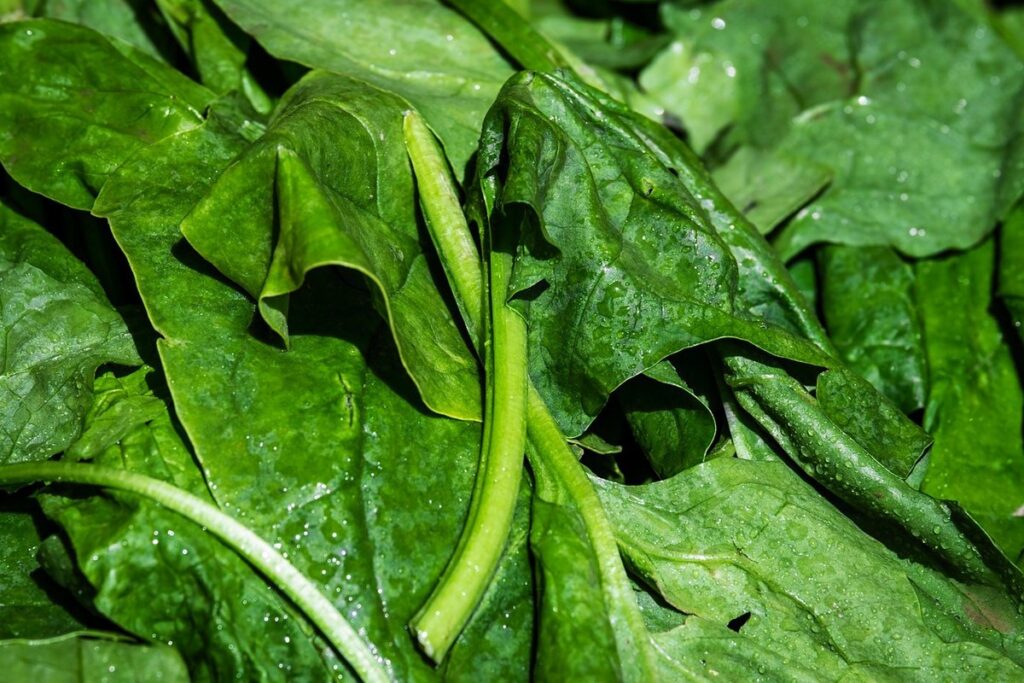
Understanding Spinach Growing Seasons
Spinach growing seasons can vary greatly depending on your location and climate, which is why it’s essential to know when to plant and harvest spinach in your specific region. Let’s dive into the details of what influences spinach growth.
Climate and Weather Factors Affecting Harvest Time
Climate and weather conditions play a crucial role in determining spinach harvest time. Temperature fluctuations can significantly impact growth, with optimal temperatures ranging between 40°F to 70°F (4°C to 21°C). Prolonged exposure to high temperatures above 80°F (27°C) can lead to bolting, where the plant focuses on producing seeds instead of leaves.
Precipitation patterns also affect spinach harvest time. Adequate moisture is necessary for growth, but excessive rainfall or flooding can damage the crop. Aim for about 1-2 inches of rain per week, supplementing with irrigation if needed.
Sunshine hours are another essential factor. Spinach requires at least 6 hours of direct sunlight per day to grow efficiently. However, in regions with intense sunlight, it’s recommended to provide partial shade to prevent scorching and promote healthy growth.
To adapt to changing weather conditions, spinach farmers often employ strategies like selecting heat-tolerant varieties or using row covers to regulate temperature and moisture levels. By understanding the impact of climate and weather on spinach harvest time, growers can optimize their crop management techniques and achieve a successful harvest.
Regional Variations in Spinach Harvest Times
The growing conditions and harvest times for spinach can vary significantly depending on where you are in the world. In general, spinach is a cool-season crop that thrives in temperatures between 60°F to 70°F (15°C to 21°C). However, regional differences in climate, soil type, and growing practices play a substantial role in determining when the harvest time for spinach occurs.
For instance, regions with mild winters can enjoy two or three spinach crops per year, whereas areas with harsher winters may only have one crop. In California, USA, for example, spinach is typically harvested from February to September due to the state’s Mediterranean climate and long growing season. In contrast, areas like New York, with a more temperate climate, might harvest spinach from April to November.
If you’re planning to grow your own spinach, consider consulting local nurseries or gardening experts to determine the best time for harvesting in your region.
Determining the Optimal Harvest Time for Spinach
To determine when your spinach is ready to be harvested, you’ll want to check its color and texture carefully. Look for a vibrant green color and a slightly tender feel.
Checking for Visual Cues
When checking for visual cues to determine if spinach is ready for harvest, one of the most obvious signs is changes in color. As spinach approaches maturity, its leaves will typically transition from a deep green to a lighter, more yellowish hue, often with a slightly bleached or wilted appearance. This discoloration can occur due to reduced chlorophyll production and increased senescence (aging).
In addition to color changes, farmers and gardeners should also inspect the size of the leaves. Mature spinach will have larger leaves than younger plants, usually measuring between 4-6 inches in length. The stalks themselves should be relatively stiff, indicating a developed root system.
If you’re unsure about the maturity of your spinach crop, gently grasp a few of the largest leaves and give them a slight tug. If they come off easily without tearing or breaking, it’s likely that the plant is ready for harvest. Regular monitoring of these visual cues will help ensure you pick your spinach at the optimal time for peak flavor and nutrition.
Using Threshhold Tools or Hand-Pulling Methods
When it’s time to harvest your spinach crop, you’ll need to decide on the best method for gathering the leaves. Two popular options are using threshold tools and hand-pulling.
Threshold tools, such as leaf harvester or small-scale mechanical harvesters, can be effective for larger crops. They work by cutting the stems just above the crown of the plant, leaving a small portion of stem intact to promote regrowth. This method is faster than hand-pulling and can handle large quantities of spinach in a shorter amount of time.
However, threshold tools can also damage the plants if not used carefully, leading to reduced yields and lower quality leaves. Additionally, they may require significant investment and maintenance costs.
Hand-pulling, on the other hand, allows for more gentle handling of the plants and is ideal for smaller crops or areas with delicate soil. This method involves manually removing the spinach leaves from the soil, taking care not to damage the crown or roots.
Consider the size of your crop, available equipment, and personal preference when choosing between threshold tools and hand-pulling methods. If you do opt for hand-pulling, make sure to twist the stem rather than pulling directly up to avoid damaging the plant.
Factors Influencing Spinach Crop Yield and Quality
Understanding what affects your spinach crop’s yield and quality is crucial for a successful harvest. We’ll explore the key factors that impact these critical aspects of your crop.
Soil Quality and Nutrient Availability
Soil quality and nutrient availability play a crucial role in determining spinach crop yield and quality. When soil lacks essential nutrients, it can impact the crop’s growth and development, leading to lower yields and compromised quality. Composting is an effective way to improve soil health by adding organic matter that enhances nutrient cycling and structure. Mulching also helps retain moisture and suppress weeds, reducing the need for synthetic fertilizers.
To optimize soil health, consider implementing integrated pest management (IPM) techniques. This involves monitoring soil conditions, crop rotation, and using natural pest control methods instead of chemical pesticides. For example, introducing beneficial microorganisms through compost tea can help reduce soil-borne diseases. Regular soil testing can also identify nutrient deficiencies, allowing for targeted amendments.
Maintaining optimal pH levels is essential, as spinach prefers a slightly acidic to neutral soil environment (pH 6.0-7.0). By focusing on these strategies, you can create an ideal growing condition for your spinach crop, ensuring higher yields and better quality leaves at harvest time.
Pest and Disease Management Strategies
Effective pest and disease management is crucial during the harvest period to ensure optimal spinach crop yield and quality. Here are some strategies you can implement:
Regular monitoring of your spinach crop is essential to identify potential issues early on. Check for signs of pests like aphids, whiteflies, and spider mites, as well as diseases such as powdery mildew and downy mildew. Remove any affected plants or areas to prevent the problem from spreading.
To manage pests, use a combination of physical, cultural, and chemical controls. For example, introducing beneficial insects like ladybugs and lacewings can help control aphid populations. You can also practice good sanitation by disposing of debris and weeds that may harbor pests.
When it comes to diseases, focus on preventing them through proper crop rotation, irrigation management, and maintaining optimal temperature and humidity levels. Apply fungicides only when necessary and according to the product’s instructions.
Some organic alternatives to chemical pesticides and fungicides include neem oil and garlic spray. These can be effective in managing pests and diseases without harming your spinach crop or the environment.
Spinach Harvesting Techniques for Different Growing Methods
Whether you’re growing spinach in a backyard garden, indoor container, or hydroponic system, we’ll cover harvesting techniques tailored to each method. This section helps you optimize your crop’s yield and flavor.
Container Gardening
When growing spinach in containers, timing is everything. To ensure you harvest your container-grown spinach at its peak flavor and nutritional value, consider a few key factors. Spinach grown in containers typically matures faster than those planted directly in the ground, with a typical harvesting time ranging from 20 to 40 days after sowing.
Before determining harvest time for your container-grown spinach, inspect the leaves regularly. Check for signs of bolting, which can cause flavor and texture to suffer. Look for vibrant green color and slightly tender texture – this is when your spinach is at its best. Harvest individual leaves or the entire crop, depending on your preference.
Keep in mind that container size and drainage can impact harvest time. Smaller containers may require more frequent watering and harvesting due to their faster maturation rate. Additionally, ensure your container has adequate drainage holes to prevent root rot – a common issue for spinach grown in pots. Harvesting regularly will also encourage new growth, prolonging the life of your crop.
Hydroponics and Aeroponics
When it comes to harvesting spinach grown using hydroponic or aeroponic systems, there are some unique considerations to keep in mind. In these types of systems, the roots of the plants are suspended in a nutrient-rich solution rather than soil, which can affect the harvest timing and method.
For hydroponically grown spinach, you’ll want to check for visual cues such as yellowing or browning leaves, which indicate that the plant is ready to be harvested. Use scissors to snip off the entire plant at the base of the stem, taking care not to damage the roots. This will help prevent stress on the plant and promote continued healthy growth.
In aeroponic systems, where the roots are misted with a nutrient solution rather than being submerged in it, you can harvest individual leaves as needed using a sharp knife or pruning shears. This allows for more flexible harvesting and can be beneficial if you’re growing spinach for continuous production. Be sure to monitor your plants closely and adjust your harvesting schedule accordingly to ensure optimal yields.
Traditional Field-Grown Spinach
When it comes to traditional field-grown spinach, harvesting is typically done using a combination of hand-picking and mechanical means. This method involves selecting mature leaves with no signs of bolting, usually when the crop reaches 4-6 inches tall. Harvesting is often done in the morning, when the plants are at their highest water content.
To begin, farmers will carefully cut or pinch off individual leaves from the plant, taking care not to damage the stem or surrounding leaves. For larger quantities, a mechanical harvester may be used, which can be adjusted to remove specific leaf sizes and types.
A major advantage of traditional field-grown spinach harvesting is its adaptability to different growing conditions. Since the crop can tolerate some level of stress, farmers can delay harvest times if necessary due to weather or market fluctuations. However, this flexibility also means that precise timing is crucial to avoid over-maturity and reduced quality.
As a general rule, aim for a harvest window when 70-80% of leaves are fully expanded, with the remaining portion still developing. This will help ensure optimal flavor, texture, and color retention in your field-grown spinach crop.
Post-Harvest Handling and Storage of Fresh Spinach
Once you’ve harvested your spinach, proper handling and storage are crucial to maintaining its quality and freshness. We’ll walk you through the best practices for keeping your fresh spinach in top condition.
Cooling and Packaging Methods
To maintain the freshness and quality of harvested spinach, it’s essential to rapidly cool it down. This can be achieved through a combination of cooling methods and packaging options.
One effective method is hydrocooling, where spinach is cooled by circulating cold water around the produce. This technique helps to rapidly lower the temperature of the leaves, which in turn slows down respiration and metabolic processes that contribute to spoilage. For instance, research has shown that hydrocooling can help preserve spinach freshness for up to 7 days.
Another method is forced-air cooling, where fans blow cold air directly onto the produce. This technique is suitable for larger quantities of spinach and can be more cost-effective than hydrocooling. When it comes to packaging, breathable materials such as paper bags or mesh bags are ideal for storing cooled spinach. These allow for airflow, which helps to prevent moisture buildup and associated spoilage.
In addition to cooling methods, cold storage techniques also play a crucial role in preserving the freshness of harvested spinach. Ideally, stored spinach should be kept at a consistent temperature between 32°F (0°C) and 40°F (4°C), with high humidity levels to maintain optimal quality.
Transporting Harvested Spinach
When transporting harvested spinach from the field to market or storage facilities, it’s essential to follow best practices to maintain its quality and freshness. The journey should be as short as possible, ideally within a few hours of harvesting, to minimize exposure to heat, moisture, and oxygen.
To achieve this, consider using refrigerated trucks or containers with adequate ventilation to regulate temperature and humidity levels. It’s also crucial to handle the spinach gently to prevent bruising and damage, which can lead to spoilage.
When transporting large quantities, consider sorting and grading the spinach in the field before loading it onto transport vehicles. This helps ensure that only high-quality leaves are transported, reducing waste and potential losses.
Additionally, make sure to keep the transportation containers clean and sanitized to prevent contamination and maintain a hygienic environment for the spinach. By following these guidelines, you can ensure that your fresh spinach arrives at market or storage facilities in optimal condition, ready for consumption or further processing.
Seasonal Considerations for Commercial Spinach Producers
As you plan your spinach harvest, it’s essential to consider seasonal fluctuations in temperature and precipitation that can impact crop yields and quality. This affects commercial growers more significantly than small-scale farmers.
Adjusting Harvest Schedules for Weather Extremes
As a commercial spinach producer, you’re no stranger to adapting to changing weather conditions. Extreme weather events like droughts, floods, and frosts can significantly impact your harvest schedule and yields. To mitigate these risks, it’s essential to adjust your harvest schedules accordingly.
For instance, during periods of drought, spinach plants may require more frequent watering to prevent stress and bolting. This means you may need to shorten the interval between harvests or implement targeted irrigation strategies to ensure optimal moisture levels.
Conversely, excessive rainfall can lead to waterlogged soil, making it difficult for roots to absorb nutrients. In such cases, consider delaying harvests by a few days to allow excess water to drain and prevent root rot.
To prepare for frosts, monitor weather forecasts closely and plan for early-morning harvesting or using specialized frost protection measures like wind machines or sprinkler systems to protect your crop.
By staying vigilant and making timely adjustments to your harvest schedule, you can minimize the effects of extreme weather events on your spinach yields.
Planning Ahead for Market Demand Fluctuations
As a commercial spinach producer, you’re likely no stranger to market demand fluctuations. Spinach is one of those crops that’s heavily influenced by seasonal trends and consumer preferences. To stay ahead of the game, it’s essential to plan for these fluctuations well in advance.
Start by keeping an eye on historical sales data and market trends. Analyze your sales patterns from previous seasons to identify peak periods, slow periods, and any correlations with weather events or holidays. This information will help you anticipate changes in demand and adjust your production accordingly.
For example, say you notice that spinach sales tend to skyrocket during the winter months when consumers are looking for comfort foods. You can allocate more resources towards planting spinach varieties that mature quickly, such as ‘Space’ or ‘Tyee’, which take around 35-40 days to harvest. This ensures you have a steady supply of fresh produce to meet the increased demand.
Another crucial step is to diversify your market channels. By selling to different segments, such as restaurants, wholesalers, and online retailers, you can spread risk and capitalize on opportunities when one market becomes saturated. Consider partnering with local farmers’ markets or developing an online presence through social media platforms like Instagram or Facebook Marketplace.
Frequently Asked Questions
Can I harvest spinach in the morning or afternoon for optimal freshness?
Yes, it’s recommended to harvest spinach in the morning when the plant is typically at its highest moisture content. This helps preserve the leaf’s texture and flavor. Avoid harvesting during the hottest part of the day to prevent damage from heat stress.
How do I know if my spinach crop is bolting due to high temperatures?
Look for signs like a sudden increase in stem growth, flower stalks, or seed production. If you notice these symptoms, it’s likely that your spinach has bolted due to excessive heat. Consider providing shade or adjusting your harvest schedule to prevent further damage.
What are some effective methods for checking for visual cues during spinach harvesting?
Regularly inspect the plant’s leaves and stems for signs of over-maturity, such as yellowing or browning edges. Check the soil moisture levels and adjust watering schedules accordingly. Additionally, observe the plant’s growth pattern and harvest when the leaves reach their optimal size.
Can I use a threshold tool or hand-pulling method to harvest spinach in my hydroponic system?
Yes, both methods can be effective for harvesting spinach in hydroponic systems. Threshold tools help minimize damage to the plant roots, while hand-pulling ensures precise control over the harvest process. Be cautious not to damage the plant’s delicate structure during handling.
What factors should I consider when planning ahead for market demand fluctuations?
Keep track of local market trends and adjust your harvest schedule accordingly. Consider the seasonality of spinach demand and plan for peak production periods. Develop a contingency strategy for unexpected market shifts, such as storage and cooling methods to maintain freshness.