
Yellow melons are more than just a sweet summer treat. With their rich history, diverse characteristics, and impressive health benefits, these fruits have earned a special place in our lives. Whether you’re a seasoned gardener or a curious foodie, understanding the different types of yellow melons can open up new possibilities for your taste buds and culinary creativity.
This comprehensive guide will take you on a journey through the world of cantaloupes, honeydew, and other popular varieties of yellow melons. We’ll delve into their history, unique characteristics, and the many ways they can be enjoyed – from fresh fruit salads to refreshing smoothies and more. By the end of this article, you’ll not only know how to identify and choose the best yellow melons but also how to incorporate them into your daily life for maximum nutrition and flavor.
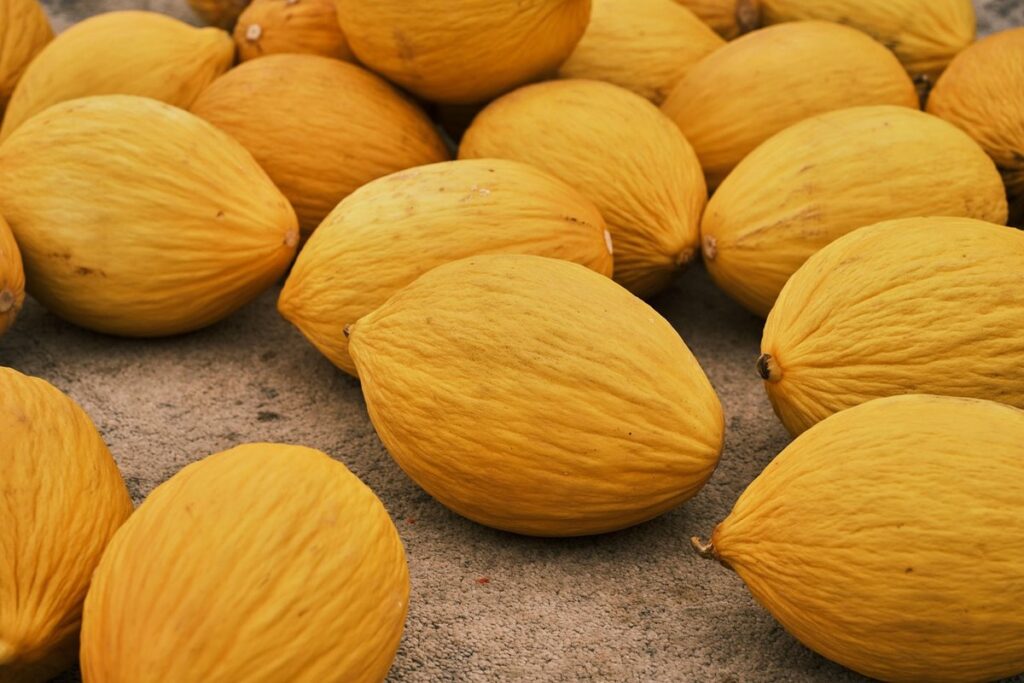
History and Origin of Yellow Melons
Let’s take a trip down memory lane as we explore the fascinating history and origin of yellow melons, from ancient civilizations to modern times. This journey will give you a deeper appreciation for these sweet and juicy fruits.
The Ancient Roots of Yellow Melon Cultivation
Yellow melon cultivation has an ancient and rich history that spans across various civilizations. In fact, the cultivation of these sweet and juicy fruits dates back to around 4000 BC in the Indus Valley Civilization, where archaeologists have discovered evidence of yellow melon farming. The Egyptians also revered yellow melons as a symbol of fertility and abundance, often featuring them in their art and literature.
In ancient Greece and Rome, yellow melons were considered a delicacy and were grown extensively for both culinary and medicinal purposes. The Greek physician Hippocrates (460-370 BC) even wrote about the health benefits of yellow melon consumption, recommending it as a treatment for digestive issues and fever.
The knowledge of yellow melon cultivation was also passed down through generations in Asia, where China and Japan have been growing these fruits for over 2,000 years. The unique combination of climate, soil, and water conditions in these regions has led to the development of distinct varieties of yellow melons that are prized for their sweetness, flavor, and texture.
These ancient civilizations laid the foundation for modern-day yellow melon cultivation, which continues to thrive around the world. By understanding the history behind these fruits, we can appreciate the importance of preserving traditional farming practices and protecting biodiversity in our quest to enjoy delicious and nutritious yellow melons.
How Yellow Melons Spread Across the Globe
As yellow melons traveled across the globe, they were adapted and adopted by different cultures, leading to an incredible diversity of varieties. In ancient Greece and Rome, yellow melons were highly prized for their sweet flavor and refreshing texture. The Greeks even used them as a symbol of hospitality, serving them at banquets and special occasions.
As trade routes expanded, yellow melon cultivation spread to Asia, where they became a staple in Chinese cuisine. The Chinese developed new varieties with thicker rinds and sweeter flesh, which were then introduced to Japan and Korea. In these countries, yellow melons were often served as a side dish or used in traditional desserts.
In the Americas, Spanish conquistadors brought yellow melon seeds from Spain, introducing them to Mexico and Central America. The local populations incorporated these new varieties into their own cuisine, creating unique hybrids that combined the best qualities of both cultures. Today, yellow melons can be found in almost every region of the world, with each culture having its own twist on this versatile fruit.
Types of Yellow Melons: A Detailed Look
There are several distinct types of yellow melons, each with its own unique characteristics and flavor profiles. In this next part, we’ll delve into their differences.
Cantaloupe Varieties with a Yellow Rind
Cantaloupes with a yellow rind may seem like an anomaly, but they’re actually quite common. One of the most notable types is the Charentais, hailing from France. This variety boasts a sweet and aromatic flavor profile, making it a favorite among melon enthusiasts.
The Cretan cantaloupe is another popular choice, originating from Greece. Its smooth skin often features a more pronounced yellow coloration than its netted counterparts. When ripe, the flesh of these melons is juicy and slightly musky, adding depth to their sweetness.
Some key characteristics of yellow-rinded cantaloupes include a higher sugar content and thicker rind than other varieties. This makes them perfect for slicing and serving as a refreshing snack or dessert topping. If you’re looking to try your hand at growing these unique melons, be sure to select a variety that’s well-suited to your climate.
In general, yellow-rinded cantaloupes require a slightly longer ripening period than their orange counterparts. Be patient and allow them to fully mature for the best flavor and texture.
Honeydew and Yellow Honeydew Melons
Honeydew and yellow honeydew melons are two popular varieties of melons with yellow skin. These sweet and refreshing fruits have gained immense popularity worldwide due to their unique flavor profiles. The most distinctive characteristic of these melons is their netted or smooth, creamy skin that’s typically a shade of pale yellow to golden.
In terms of sweetness, honeydew melons are known for their low acidity and high sugar content. This makes them perfect for snacking, salads, and even as a topping for various desserts. The flavor profile of honeydew melons is often described as sweet and slightly musky, with hints of citrus.
Some popular varieties of honeydew melons include the ‘Earli-Glow’ and ‘Hale’s Best’, which are known for their exceptional sweetness and crunchy texture. When choosing a honeydew melon, look for one that’s heavy for its size and has a slight give when pressed gently around the stem end.
To enjoy your honeydew melons at their best, store them in the refrigerator to maintain their crispness and flavor. You can also slice or scoop out the flesh and use it as a topping for salads or yogurt parfaits.
Characteristics and Uses of Yellow Melons
Now that we’ve explored the different types of yellow melons, let’s dive into what makes them special and how you can use them in your cooking. We’ll cover their unique characteristics and uses.
Sweetness Levels in Yellow Melons: What to Expect
When it comes to sweetness levels in yellow melons, there’s quite a bit of variation among different types. For instance, cantaloupe tends to be sweeter than honeydew. Cantaloupes typically have a higher sugar content, which contributes to their sweet flavor profile. Honeydew, on the other hand, has a slightly higher water content and lower sugar levels, resulting in a milder taste.
But it’s not just these two types that differ in terms of sweetness – there are many other varieties within the yellow melon family that also exhibit varying degrees of sweetness. Some popular types include Canary Melon, Galia Melon, and Charentais. Canary Melons tend to be quite sweet, with a flavor profile often described as a combination of cantaloupe and honeydew.
When selecting a yellow melon based on its sweetness level, try cutting it open and taking a peek inside. The rind color can give you an idea about the fruit’s ripeness and sweetness – generally, the more vibrant the color, the sweeter the melon should be.
Culinary Applications for Yellow Melons
Yellow melons are incredibly versatile and can be used in a variety of dishes beyond just being eaten fresh. One of the most popular uses for yellow melons is in salads, where their sweet and refreshing flavor pairs perfectly with savory ingredients like prosciutto or grilled chicken.
For example, try adding diced yellow melon to a classic Greek salad or using it as the base for a summer-inspired salad with mixed greens, cherry tomatoes, and a citrus vinaigrette. Yellow melons also make an excellent addition to smoothies, where their sweetness complements other fruits like berries or pineapple.
But yellow melons aren’t just limited to savory dishes – they’re also perfect for sweet treats! Try pureeing diced yellow melon with a little bit of honey and lime juice as a topping for ice cream or yogurt. You can also use yellow melon in baked goods, such as muffins or cakes, adding moisture and flavor without sacrificing texture.
Some popular ways to incorporate yellow melons into your dessert repertoire include making a melon sorbet by pureeing the fruit with a little bit of sugar and freezing it, or using diced yellow melon as a topping for cheesecake or creme brulee.
Growing and Caring for Yellow Melon Plants
If you’re eager to grow your own yellow melons, learn how to give them the right conditions to thrive, from sunlight to watering schedules. Proper care is key to a bountiful harvest!
Tips for Starting Yellow Melon Seeds Indoors
Starting seeds indoors can give you a significant head start on the growing season for your yellow melon plants. This is particularly useful if you live in an area with limited gardening seasons or want to get a jump-start on the harvest. To begin, gather some high-quality yellow melon seeds specifically bred for indoor germination.
Choose a good quality seed starting mix and fill small pots or cell trays about 1/4 inch deep with the mix. Plant 2-3 seeds per pot, about 1 inch apart, and cover them gently with the soil. Water the soil thoroughly and provide warmth, aiming for temperatures between 70-85°F (21-29°C). Keep the soil consistently moist but not waterlogged, as this can lead to fungal diseases.
Once seedlings emerge, usually within 7-10 days, provide supplemental lighting if necessary. Transplant them into larger pots or directly into your garden when the weather permits, taking care to harden off the plants first. By starting seeds indoors, you’ll be well ahead of schedule and ready for a bountiful harvest of delicious yellow melons.
Sunlight and Soil Requirements for Yellow Melons
When it comes to growing yellow melons, providing them with the right amount of sunlight and soil conditions is crucial for a bountiful harvest. Yellow melon plants require full sun to produce well, so choose a location that receives direct sunlight for at least 6 hours a day.
In terms of soil, yellow melon plants prefer well-draining, rich soil that’s high in organic matter. The ideal pH range for yellow melons is between 6.0 and 6.8. To achieve this, add compost or well-rotted manure to the soil before planting. A mix of sand, silt, and clay will also provide good drainage.
If you’re growing your yellow melon plant in a container, make sure the pot has good drainage holes to prevent waterlogged soil. Water your plants regularly, but avoid overwatering, which can lead to fungal diseases. Mulch around the base of the plant to retain moisture and suppress weeds.
For example, if you live in an area with hot summers, consider growing yellow melons in a spot that provides some afternoon shade to prevent scorching. By providing your yellow melon plants with the right amount of sunlight and soil conditions, you’ll be rewarded with delicious, sweet fruit all season long.
Nutritional Benefits and Health Effects of Yellow Melons
Let’s dive into the nutritional benefits of yellow melons, which are a rich source of vitamins A and C, potassium, and fiber. This section will highlight their potential health effects.
High Water Content in Yellow Melons: Hydrating Properties
Yellow melons are an excellent choice for hot summer days due to their incredibly high water content. In fact, a single cup of cubed yellow melon contains about 90% water, making it one of the most hydrating fruits available. This high water content not only quenches your thirst but also provides essential nutrients and electrolytes that help regulate body temperature.
The hydrating effects of yellow melons are particularly beneficial for individuals who engage in strenuous physical activities or live in hot and humid climates. The combination of water and electrolytes in yellow melons helps to replenish fluids lost through sweat, reducing the risk of dehydration and its associated symptoms.
To reap the full benefits of yellow melon’s hydrating properties, try incorporating it into your diet as a refreshing snack or adding it to salads and smoothies. You can also use yellow melon juice as a natural remedy for hangovers or post-workout replenishment. With their high water content and numerous health benefits, it’s no wonder why yellow melons have become a popular choice among fitness enthusiasts and health-conscious individuals alike.
Antioxidant Content in Yellow Melons: Potential Health Benefits
Yellow melons are not only a delight to eat, but they also pack a punch when it comes to antioxidants. The antioxidant content in these sweet and juicy fruits can help protect our cells from damage caused by free radicals. This can lead to a reduced risk of chronic diseases such as cancer, heart disease, and neurodegenerative disorders.
For instance, the cantaloupe variety is rich in vitamin C and beta-carotene, which are powerful antioxidants that have been shown to combat oxidative stress. The honeydew melon, on the other hand, contains a high amount of vitamin A, which has been linked to improved vision health and immune function.
When choosing yellow melons for their antioxidant content, look for those with vibrant colors and sweet aromas. These are indicative of higher levels of antioxidants and nutrients. You can also try incorporating sliced or diced yellow melon into your salads or smoothies for a boost of antioxidants on-the-go. By adding these nutritious fruits to your diet, you’ll be taking a step towards a healthier lifestyle.
Frequently Asked Questions
How can I store yellow melons to maintain their freshness for an extended period?
To keep your yellow melons fresh, store them at room temperature away from direct sunlight until they’re ripe. Once ripe, refrigerate them to prolong shelf life. Cut or sliced melons should be stored in airtight containers and kept refrigerated to prevent spoilage.
Can I grow yellow melon plants indoors, especially during the off-season?
Yes, you can start growing yellow melon seeds indoors using a greenhouse setup or under grow lights. This method allows for year-round cultivation, ensuring a consistent supply of fresh fruit.
Are all types of yellow melons suitable for making smoothies and purees, or are some varieties better suited for other uses?
While many yellow melon varieties can be used in smoothies and purees, cantaloupes tend to hold their shape well and make excellent scoops for fruit salads. Honeydews, on the other hand, have a sweeter flavor profile, making them ideal for desserts.
How do I determine the optimal sweetness level of my yellow melons?
The sweetness level of yellow melons can be influenced by factors such as climate, soil quality, and ripeness. Generally, cantaloupes tend to be sweeter than honeydews. If you prefer a sweeter taste, choose cantaloupe varieties or wait until your melons are fully ripe.
Can I grow multiple types of yellow melons in the same garden bed, or will they compete for resources?
While it’s possible to grow different yellow melon varieties together, be aware that some may have varying sunlight and soil requirements. To ensure optimal growth, choose compatible varieties and provide adequate space between plants to avoid competition for water, nutrients, and light.