
Are you ready to grow your own delicious garlic at home? Separating garlic cloves from bulbs is an essential step in preparing them for planting, but many gardeners struggle with this process. Don’t worry, we’ve got you covered! In this comprehensive guide, we’ll walk you through the simple steps of separating garlic cloves and getting them ready for a successful harvest.
We’ll cover everything from how to identify healthy cloves to the best techniques for separating and preparing them for planting. By following our easy-to-follow instructions, you’ll be well on your way to growing robust, disease-free garlic plants that will reward you with an abundance of flavorful bulbs come harvest time. Whether you’re a seasoned gardener or just starting out, this article is perfect for anyone looking to bring the taste of homegrown garlic to their kitchen table.
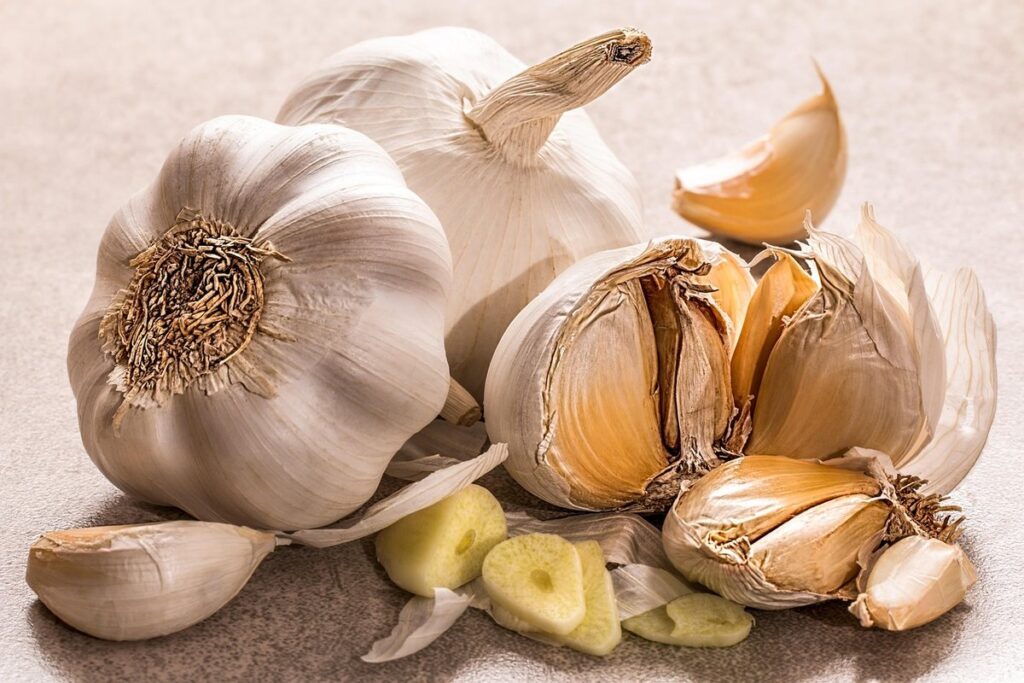
Choosing the Right Garlic Variety
Now that you have your garlic bulbs, it’s time to choose a variety that suits your needs and climate. We’ll guide you through selecting the perfect garlic for planting.
Understanding Garlic Types and Their Characteristics
When it comes to growing garlic, understanding the different types and their characteristics is crucial for success. There are primarily three main types of garlic: softneck, hardneck, and elephant garlic.
Softneck garlic is one of the most widely cultivated varieties, known for its mild flavor and long shelf life. It grows in a single stem with no central core, making it easier to harvest and store. Softneck garlic is ideal for warmer climates and can tolerate heat better than other types.
Hardneck garlic, on the other hand, has a hard central core that separates the cloves. This type of garlic is known for its stronger flavor and aroma and comes in a variety of sizes. Hardneck garlic prefers cooler temperatures and well-draining soil, making it suitable for regions with moderate climates.
Elephant garlic is a larger, milder version of softneck garlic and is often used in cooking due to its sweet flavor. It requires more space to grow than the other two varieties but can thrive in most climates.
When choosing a variety for planting, consider your local climate and growing conditions. Softneck garlic is best suited for warmer regions, while hardneck and elephant garlic prefer cooler temperatures.
Considering Climate and Soil Conditions
When it comes to growing garlic, climate and soil conditions play a crucial role in determining its success. As you’re preparing to separate garlic cloves for planting, it’s essential to consider the ideal temperature ranges, sunlight requirements, and soil types that will promote optimal growth.
Garlic thrives in temperate climates with cool winters and warm summers. It prefers temperatures between 40°F and 70°F (4°C and 21°C), which is why many regions experience a natural dormancy period during winter. In areas with extreme heat or cold, garlic may not produce well or may even fail to thrive.
When it comes to sunlight, garlic requires full sun to partial shade, depending on the variety. Some popular varieties like Silverskin and Creole tolerate full sun, while others like Asiatic prefer partial shade. Soil-wise, garlic loves well-draining soil with a pH between 6.0 and 7.0. Sandy loam or clay-loam soils are ideal for garlic cultivation.
Consider these factors when selecting the right garlic variety for your region and climate. If you’re unsure about specific conditions in your area, consult local gardening experts or check online resources for more information.
Preparing Garlic Cloves for Separation
To separate garlic cloves effectively, it all starts with properly preparing them. First, you’ll need to remove any excess papery skin from each clove.
Harvesting Mature Garlic Bunches
When to Harvest Mature Garlic Bunches
It’s essential to know when to harvest your mature garlic bunches for optimal separation and successful planting. Typically, this occurs about 3-4 months after the cloves have been planted, when the tops of the plants begin to yellow and fall over.
Identifying ripe garlic is crucial to ensure you’re harvesting at the right time. Look for bulbs with a deep purple color, firm skin, and a sweet aroma. Avoid harvesting too early, as this can lead to poor quality bulbs that may not store well or plant successfully. On the other hand, if you wait too long, the bulbs will begin to split open, making separation more challenging.
When selecting healthy, disease-free bulbs for planting, inspect each one carefully for signs of mold, rot, or pests. Remove any affected cloves and use only the healthiest bunches for separation. This attention to detail will ensure that your separated garlic cloves have the best chance at thriving when planted.
Curing and Drying Garlic
After you’ve harvested your garlic, it’s essential to cure and dry it properly before separating the cloves for planting. This process helps to remove excess moisture, preventing mold and mildew from developing, which can be detrimental to the health of your garlic plants.
To cure garlic, start by spreading the bulbs out in a single layer on a wire rack or tray. Make sure they’re not touching each other, as this can lead to rot. Allow them to air dry for 2-3 weeks, or until the tops begin to dry and turn brown. This step is crucial, as it helps to harden the cloves and prevent them from sprouting prematurely.
Next, transfer the dried garlic bulbs to a paper bag or breathable container with good airflow. Store them in a cool, dry place with low humidity (around 50-60%). Avoid storing garlic in direct sunlight or near heat sources, as this can cause it to degrade quickly. Proper drying and curing will help ensure your garlic cloves are healthy and ready for planting.
Separating Garlic Cloves
To get started, we’ll dive into the essential step of separating garlic cloves: carefully extracting individual cloves from the bulb without damaging them. This is a crucial process for successful planting.
Techniques for Separating Individual Cloves
When separating individual cloves from a garlic bulb for planting, you’ll want to use a technique that minimizes damage and promotes healthy growth. One common method is to gently twist the cloves apart using your fingers. This approach works best when the cloves are mature and easily separated.
For more stubborn bulbs, try soaking them in water for about 30 minutes. The moisture can help loosen the connections between the cloves, making it easier to separate them without causing damage. Be cautious not to soak the cloves for too long, as this can lead to rot and other issues.
If you prefer a more precise approach, use a sharp knife to carefully cut through the papery skin between the cloves. This method is particularly useful when separating smaller or younger bulbs. Regardless of the technique you choose, remember to handle the cloves gently to avoid bruising or crushing them, which can lead to infection and poor growth.
Handling and Storing Separated Cloves
After separating the garlic cloves, it’s essential to handle and store them properly to maintain their quality and viability for planting. To do this, you’ll want to use a breathable storage container that allows air to circulate around the cloves. A paper bag or mesh bag is ideal, as they prevent moisture buildup while keeping the cloves dry.
Store the separated cloves in a cool, dark place with consistent temperatures between 40°F and 50°F (4°C and 10°C). Avoid storing them near heating vents, radiators, or direct sunlight, which can cause the cloves to sprout or rot. Maintain a humidity level of around 60% to prevent moisture from accumulating on the cloves.
When storing, make sure the cloves are not touching each other or the container’s walls to prevent damage and promote healthy growth. You can also store them in small groups within the bag to keep them organized and easy to use when planting. Proper storage will help ensure your separated garlic cloves remain fresh and ready for planting when you’re ready to get started.
Planting Garlic Cloves
Now that you’ve separated and selected your garlic cloves, it’s time to plant them. This is where proper planting techniques come into play for a successful harvest.
Preparing the Soil for Planting
Preparing the soil for planting garlic cloves is an often-overlooked yet crucial step in ensuring a successful harvest. Before you can start separating and planting your garlic cloves, you need to create a well-draining and fertile growing medium.
To do this, it’s essential to test your soil first. You can purchase a soil testing kit or send a sample to a lab for analysis. This will give you an idea of your soil’s pH level, nutrient content, and structure. Based on the results, you may need to add amendments such as compost, fertilizer, or lime.
When it comes to tilling the soil, be sure to loosen it to a depth of at least 8-10 inches. This will allow for good root growth and prevent the garlic cloves from becoming waterlogged. Use a tiller or shovel to break up any clods and create a smooth, even surface.
Remember, garlic prefers well-draining soil that’s rich in organic matter. If your soil is heavy clay or sandy, consider adding organic matter like compost or well-rotted manure to improve its structure.
Planting Techniques and Spacing
When planting garlic cloves, proper spacing and technique are crucial for optimal growth and development. To ensure healthy bulbs, separate the cloves as previously discussed, and consider the following techniques:
Individual Planting: Space each clove 4-6 inches apart, with the pointed end facing upwards. This method is ideal for smaller gardens or when growing a single variety of garlic. Water well after planting to settle the soil.
Row Spacing: For larger spaces, plant cloves in rows, leaving 12-18 inches between each row. Space within the row remains the same as individual planting, at 4-6 inches apart. This method allows for more efficient use of space and can help with easier harvesting.
Planting Depth: Plant garlic cloves about 2-3 inches deep, with the pointed end facing upwards. Soil should be firm but not compacted to ensure proper growth.
When planting in rows, consider a north-south orientation to promote even sunlight and prevent shading between plants. This simple technique can significantly impact your harvest yield.
Caring for Garlic Plants
Now that you have your separated garlic cloves, it’s essential to learn how to care for them properly so they thrive and produce a bountiful harvest next season. We’ll guide you through the process.
Irrigation and Water Management
When it comes to watering your newly planted garlic cloves, consistency is key. Garlic needs about 1-2 inches of water per week, either from rainfall or irrigation. To ensure consistent moisture levels, aim to water your garlic plants when the top 2-3 inches of soil feel dry to the touch.
Overwatering can be detrimental to garlic, leading to rot and other fungal diseases that can quickly spread through the crop. Watch for signs like yellowing leaves, soft stems, or a sweet, unpleasant odor emanating from the soil. Conversely, underwatering can cause bulbs to form poorly, reducing their size and quality.
To avoid these issues, establish an irrigation schedule based on your local climate and weather patterns. In areas with high rainfall, you may only need to water every 10-14 days during dry spells. In drier climates, aim to water every 7-10 days. Monitor soil moisture levels by checking the soil’s consistency or using a moisture meter for more accuracy. This will help prevent overwatering and ensure your garlic plants receive just the right amount of hydration.
Fertilization and Pest Management
Garlic plants require careful fertilization and pest management to thrive. When it comes to fertilizing garlic, aim for a balanced diet that includes nitrogen, phosphorus, and potassium (NPK). A general rule of thumb is to side-dress with a high-nitrogen fertilizer about 4-6 weeks after planting, followed by a balanced NPK fertilizer around 2-3 weeks before harvest. For example, you can use a product like fish emulsion or compost tea, which are rich in micronutrients and beneficial microbes.
As for pests, common issues include aphids, spider mites, and root maggots. To manage these problems, adopt an integrated pest management (IPM) approach that combines physical barriers, cultural controls, and organic treatments. For instance, cover your plants with fine-mesh row covers to prevent insects from reaching them. You can also use neem oil or insecticidal soap to control infestations. Regular monitoring is key; inspect your garlic regularly for signs of pests or disease, and take action promptly to avoid damage.
Harvesting Garlic Bunches
Once you’ve successfully separated your garlic cloves, it’s time to harvest them into manageable bunches for planting. This step ensures each clove receives optimal growing conditions and support.
Timing the Harvest
Timing the harvest of garlic bunches is crucial to ensure you get the best flavor and quality. As a general rule, most garlic varieties take about 3-4 months to mature after planting, but this can vary depending on factors like climate, soil type, and specific cultivar.
One way to determine if your garlic is ready for harvest is by observing the tops of the plants. When they start to yellow and fall over, it’s a sign that the bulbs are mature and have stopped growing. Another indication is when the leaves begin to dry out and turn brown – this can take anywhere from 1-2 weeks before the final harvest.
Look for changes in color as well; mature garlic cloves will typically be a deep purple or white, depending on the variety. Avoid pulling up individual bulbs to check for readiness, as this can damage the surrounding cloves. Instead, carefully dig around the base of the plant with your fingers or a fork to gently loosen and lift the entire bulb. This allows you to inspect the size and development of each clove without damaging them.
Handling and Storing Harvested Garlic
Once you’ve harvested your garlic bunches, it’s essential to handle and store them properly to maintain their quality for planting. Curing is a critical step that involves drying the excess moisture from the garlic bulbs. Hang the harvested garlic bunches upside down in a warm, dry, dark place with good air circulation. This will help prevent rot and mold growth.
Allow the garlic to cure for 3-4 weeks, or until the necks of the bulbs feel slightly soft when pressed gently. After curing, trim the tops of the garlic cloves to about an inch from the top of the bulb. Then, store the cured garlic in a cool, dry place with good ventilation. Avoid storing them near heat sources or direct sunlight.
When storing your harvested garlic, consider keeping it separate from other produce items to prevent moisture transfer and potential contamination. Store the garlic bulbs in paper bags or breathable containers, making sure they’re not touching each other. Keep the storage area clean and dust-free to ensure the quality of the garlic remains high for planting.
Frequently Asked Questions
How do I know if my garlic cloves are ready for separation?
Before separating your garlic cloves, make sure they have formed individual divisions with a small amount of green shoot growing from each. This usually happens after the tops begin to yellow and fall over, signaling that the bulbs are mature.
Can I separate garlic cloves in direct sunlight or must it be done indoors?
It’s recommended to separate garlic cloves in a shaded area to prevent damage from direct sunlight. If you don’t have access to a shaded area, separating them under a tree or umbrella will also suffice.
How often should I water my separated garlic cloves after planting?
Water your separated garlic cloves regularly during the first growing season but avoid overwatering. Aim for about 1 inch of water per week either through rainfall or irrigation, making sure the soil remains consistently moist but not waterlogged.
What are some common pests and diseases to watch out for when growing garlic?
Be on the lookout for pests like aphids, spider mites, and thrips, as well as diseases such as fungal infections and bacterial blight. Use organic pest control methods whenever possible to maintain a healthy crop.
How long does it take for garlic plants to mature after separation?
Garlic typically takes about 6-9 months from planting to harvest, with the exact time depending on factors like climate, soil quality, and the specific variety being grown. Keep track of your growth cycle to ensure you’re harvesting at the optimal time.