
Growing your own potatoes can be an incredibly rewarding experience, but it requires some knowledge of their fascinating growth process. Selecting healthy seed potatoes is just the first step in cultivating a bountiful harvest. With the right care and conditions, these small tubers can quickly transform into a lush crop that’s packed with nutrients.
If you’re new to growing your own potatoes, this guide will walk you through the entire process from planting to harvesting. We’ll cover how to choose the perfect seed potatoes for your climate, tips on preparing the soil, and expert advice on caring for your potato plants as they mature. By following these steps, you’ll be able to enjoy a successful harvest of delicious homegrown potatoes, bursting with flavor and nutrients. Whether you’re a seasoned gardener or just starting out, this article will give you all the knowledge you need to get started.
Understanding Potato Plant Biology
To truly appreciate the amazing process of potato growth, it’s essential to understand the biology behind how these plants thrive. Let’s dive into the fascinating world of potato plant anatomy.
The Importance of Tubers in Potato Plants
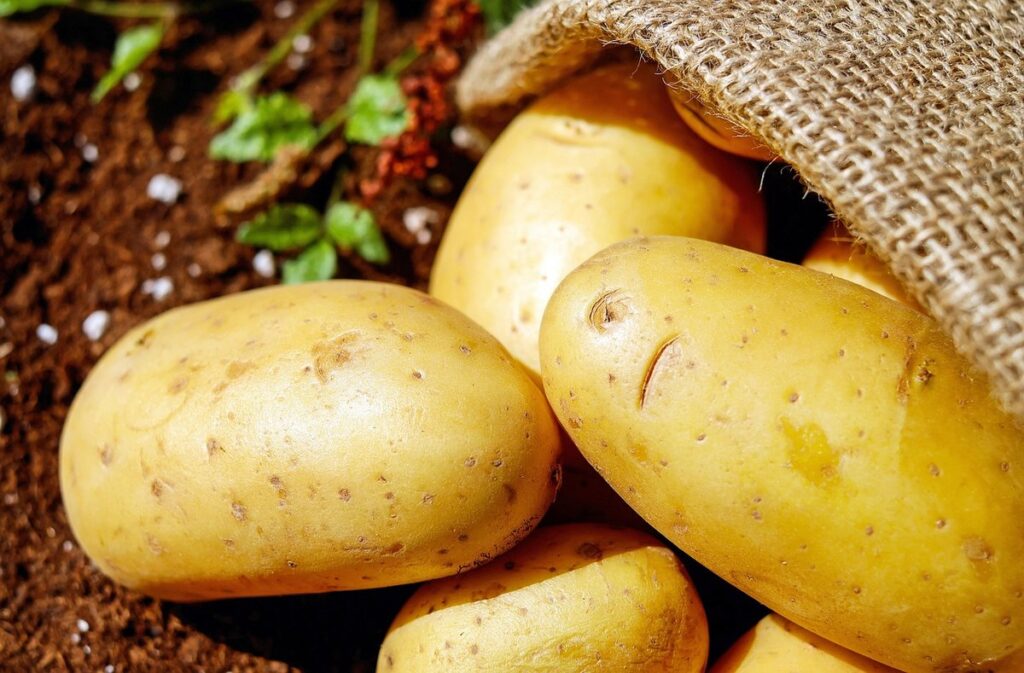
As we delve into the world of potato plants, it’s essential to understand the vital role that tubers play. These underground structures are not just a crucial part of the plant’s anatomy but also serve as its edible and primary storage unit. Tubers act as reservoirs for energy and nutrients, allowing the plant to sustain itself during periods of drought or harsh weather conditions.
The significance of tubers lies in their ability to store starch, proteins, and other essential compounds that are vital for human consumption. As a food source, potatoes are one of the most widely cultivated crops globally, with over 380 million metric tons produced annually. The tuber’s energy storage capacity is remarkable – some varieties can hold up to 20% of their dry weight in starch alone.
When it comes to growing your own potato plants, selecting the right variety and providing optimal growing conditions will result in healthier, more productive tubers. By understanding the importance of tubers, you’ll be better equipped to nurture these plants and reap a bountiful harvest.
Types of Potatoes and Their Characteristics
Potatoes come in an astonishing array of types, each boasting its own unique characteristics and growth habits. Let’s take a closer look at three popular varieties: Russet, Yukon Gold, and Red Bliss.
Russet potatoes are the most widely cultivated variety globally, making up around 70% of all potato production. Their thick, rough skin is ideal for baking, mashing, or roasting due to its high starch content. These spuds have a dry, mealy texture that’s perfect for absorbing flavors.
Yukon Golds, on the other hand, have a buttery yellow flesh and smooth, thin skin. They’re higher in moisture than Russets and contain more protein and fewer calories. Their creamy texture makes them well-suited to boiling, steaming, or sautéing.
Red Bliss potatoes are known for their vibrant red color and sweet flavor. Their high water content gives them a fluffy texture that’s perfect for boiling or roasting. These spuds also hold their shape remarkably well when cooked, making them great for salads or as a side dish.
When selecting which variety to grow in your garden, consider the climate and desired outcome of your harvest.
Stage 1: Seed Potato Selection and Preparation
When it comes to growing delicious potatoes, choosing the right seed potatoes is crucial. In this next stage, we’ll walk you through how to select and prepare them for optimal growth.
Choosing Healthy Seed Potatoes
When selecting seed potatoes for your garden, it’s essential to choose healthy tubers that will produce high yields and resist diseases prevalent in your region. Start by looking for seed potatoes with firm, smooth skin, and no signs of green shoots or soft spots. These characteristics indicate a healthy tuber that is less likely to rot or develop disease during storage.
Consider purchasing seed potatoes from reputable suppliers that specifically cultivate varieties suitable for your climate. Look for certified disease-free seed potatoes that have been tested for various diseases such as late blight, scab, and blackleg. Some popular disease-resistant varieties include ‘Nicola’, ‘Shetland Black’, and ‘Maris Piper’.
In addition to disease resistance, consider the specific growing conditions in your area when selecting a variety. For example, if you have a short growing season, choose a variety that matures quickly, such as ‘Russet Burbank’. If you’re growing in areas with high humidity or heavy rainfall, select varieties that are resistant to rot and scab.
Remember to store your seed potatoes in a cool, dark place until planting time. Avoid exposing them to direct sunlight or extreme temperatures, which can cause sprouting and reduce yields. By carefully selecting healthy seed potatoes, you’ll be well on your way to growing a bountiful harvest of delicious potatoes.
Preparing the Seed Potatoes for Planting
When it’s time to start planting your seed potatoes, it’s essential to prepare them correctly for optimal growth. This involves cutting or chitting them, depending on the type of potato you’re working with.
If you’re using new seed potatoes that are certified disease-free, they may not need chitting at all. However, if you’re using older seed potatoes or those that have been stored in a cool, dark place for an extended period, it’s recommended to give them a head start on the growing season by chitting them indoors. To do this, place the seed potatoes with their “eyes” facing upwards and allow them to develop green shoots before planting.
On the other hand, if you’re using certified disease-free seed potatoes that are ready for immediate planting, you can skip the chitting process altogether. In either case, make sure to cut your seed potatoes carefully 1-2 weeks before planting, leaving at least one “eye” per section. This will allow each eye to develop into a new plant, ensuring a bountiful harvest come fall. The ideal size for each seed potato cutting is about 1-2 inches in diameter and contains at least one “eye”.
Stage 2: Planting and Early Growth
Now that your seed potatoes have sprouted, it’s time to plant them and watch them start growing into healthy, delicious tubers. This stage is crucial for a bountiful harvest.
Best Practices for Planting Potatoes
When planting potatoes, timing is everything. In most regions, the ideal time for planting potatoes is around 2-4 weeks before the last frost date of spring. This allows the seedlings to mature and develop strong roots before the heat of summer sets in. In warmer climates, fall or early winter can also be a good time to plant, as long as the soil temperature remains above 40°F (4°C).
To ensure healthy growth, it’s essential to plant potatoes at the right depth. The general rule of thumb is to plant them about 2-4 inches deep, with the eyes facing upwards. This helps prevent green shoots from growing too quickly and reduces the risk of disease.
Spacing is also crucial. Plant seed potatoes 12-18 inches apart, depending on the variety. Make sure the soil is loose and well-draining, as potatoes don’t like wet feet. Test your soil pH and adjust it if necessary, as potatoes prefer a slightly acidic to neutral soil (pH 4.5-7.0).
Common Challenges in Potato Planting and How to Overcome Them
When planting potatoes, growers often face challenges that can impact yields and crop quality. One common issue is seed potato rot, caused by fungal diseases like Late Blight. This can be prevented by selecting high-quality seed potatoes from reputable suppliers, storing them properly before planting, and avoiding excessive moisture in the soil. Another challenge is poor soil conditions, which can lead to nutrient deficiencies or waterlogging.
Incorrect planting techniques can also affect crop growth. For example, planting too deeply can cause tubers to rot, while shallow planting may lead to weak seedlings. To overcome these obstacles, growers should aim for a depth of about 2-4 inches and space rows 3 feet apart. Additionally, using certified disease-free seed potatoes and following proper handling and storage procedures can help minimize the risk of contamination.
Growers can also take steps to mitigate soil-borne diseases by incorporating organic matter like compost into the soil before planting. Regular crop rotation and sanitation practices can further reduce the likelihood of infection. By being aware of these potential challenges and taking proactive measures, growers can optimize their potato crops for maximum yields and quality.
Stage 3: Maturation and Harvest
As we’ve now reached a critical point in our potato’s life cycle, it’s time to delve into the final stages of growth, where tubers mature and are ready for harvest. Let’s see what changes occur during this crucial period.
Monitoring Progress and Timing Harvest
As you approach the final stages of potato growth, it’s essential to monitor progress and timing for a successful harvest. Start by checking on your potatoes every week or two to track their growth stages. Look for signs of sprouting, such as small white shoots emerging from the soil, indicating that tubers are forming below.
Typically, potatoes take around 70-100 days to mature after planting, depending on factors like climate, soil quality, and variety. For example, early-maturing varieties like ‘Nicola’ or ‘Marfona’ may be ready in as little as 60 days, while maincrop varieties like ‘King Edward’ can take up to 120 days.
Signs of readiness include the tops dying back, which indicates that the tubers have reached their full size. Check for mature tubers by carefully digging around the base of the plants without damaging them. Gently lift out a potato and check its size; if it’s at least 10-12 cm in diameter, it’s likely ready to harvest.
The Art of Hand-Harvesting Potatoes
When it’s time to harvest your potatoes, careful attention must be paid to the process of digging around the plants without damaging them. This is where hand-harvesting comes in – a technique that requires patience and precision. To begin, wait for the tops of the plants to start dying back, indicating that the tubers are mature.
Dig carefully around each plant, making sure not to damage the roots or disturb the surrounding soil. Use a fork to gently loosen the soil, working your way around the base of the plant in a circular motion. As you dig, use your hands to guide the fork and avoid cutting into any nearby tubers. For larger crops, consider using a long-handled garden fork for easier access.
A key consideration when hand-harvesting potatoes is the tool itself – choose one with sturdy tines that won’t easily break or bend. A well-designed fork can make all the difference in preserving delicate roots and minimizing waste. Be mindful of your technique, working slowly and deliberately to ensure a successful harvest.
Additional Considerations
As you’ve learned about the amazing journey of potato growth, there are a few more factors to consider when cultivating these delicious tubers. Let’s explore some additional considerations to keep in mind.
Climate and Weather Factors Affecting Potato Growth
Climate and weather factors play a significant role in potato growth. Rising global temperatures are expected to increase yields by 6-12% until 2050, but this may come at the cost of quality and consistency. Temperature fluctuations can affect tuber initiation and development. For example, excessive heat above 85°F (30°C) can cause stunted tubers and reduced yields.
On the other hand, cool temperatures below 40°F (4°C) can delay emergence and result in poor crop establishment. Weather events like droughts or heavy rainfall can have devastating effects on potato crops. Prolonged droughts can lead to water stress, causing tuber quality issues and reduced yields.
To mitigate these effects, farmers can employ strategies such as selecting heat-tolerant or cold-resistant varieties, optimizing irrigation systems, and adopting conservation agriculture practices. These measures can help reduce the risks associated with climate change and ensure more stable potato production. By understanding the interplay between climate, weather, and potato growth, farmers can make informed decisions to optimize their yields and minimize losses.
Pest and Disease Management in Potatoes
As you nurture your potato plants from seed to harvest, it’s essential to be aware of potential threats that can impact their health and yield. Pest and disease management is a crucial aspect of maintaining a healthy potato crop.
Some common pests that affect potatoes include wireworms, which are the larvae of click beetles, and aphids, which can transmit plant viruses. Signs of infestation by these pests may include small holes in the tubers or leaves, yellowing or curling of leaves, and sticky honeydew on the soil surface.
To prevent infestations, maintain a healthy crop rotation schedule, ensure proper soil drainage, and avoid using over-fertilized soil. Regularly inspect your plants for signs of pests, and use organic control methods whenever possible.
Common diseases that affect potatoes include late blight, early blight, and scab. These can cause tubers to rot or become discolored, leading to reduced yields and lower quality crops. To prevent disease outbreaks, ensure proper irrigation and air circulation around your plants, and remove any infected tubers from the soil.
By being proactive about pest and disease management, you can minimize potential losses and enjoy a bountiful harvest of healthy potatoes.
Best Practices for Sustainable Potato Farming
To grow potatoes sustainably, you need a well-planned approach that minimizes environmental impact while maximizing crop yields. This section outlines essential practices to achieve eco-friendly potato farming.
Soil Conservation and Fertilization Techniques
To achieve long-term potato yields and maintain soil fertility, sustainable conservation and fertilization techniques are crucial. When it comes to soil conservation, mulching is a simple yet effective method that reduces soil erosion, retains moisture, and suppresses weeds. Organic mulch like straw or grass clippings can be applied around 2-3 inches deep around the potato plants.
Regenerative agriculture practices also emphasize the importance of crop rotation and cover cropping. These techniques not only improve soil structure but also enhance biodiversity. For example, planting legumes before potatoes can fix nitrogen in the soil, reducing the need for synthetic fertilizers. It’s essential to incorporate these methods into your farming routine to maintain a balanced ecosystem.
Composting is another approach that helps manage nutrients and minimize waste. By collecting crop residues and organic matter, you can create nutrient-rich compost that replaces chemical fertilizers. A 5:1 ratio of “green” materials (e.g., grass clippings) to “brown” materials (e.g., straw or leaves) is a good starting point for creating this valuable resource.
Integrated Pest Management (IPM) Strategies
As you navigate the complexities of potato farming, it’s essential to adopt Integrated Pest Management (IPM) strategies that balance pest control with environmental sustainability. IPM approaches involve a holistic understanding of your crop’s ecosystem, recognizing that pests and diseases are often symptoms of broader issues rather than isolated problems.
To implement effective IPM on your potato farm, start by identifying the specific pests and diseases affecting your crop. Use techniques such as field monitoring, scouting, and data analysis to gather information about pest populations, their life cycles, and any environmental factors contributing to their presence.
When selecting control methods, prioritize non-chemical approaches whenever possible. For example, biological controls like introducing beneficial insects or using nematodes can be highly effective at controlling pests without harming the environment.
Incorporate cultural controls by adjusting your farming practices to prevent pest issues in the first place. This might involve crop rotation, soil management, and irrigation strategies that promote healthy plant growth and reduce stress on your potato crop.
Some practical IPM tactics for potato farmers include:
* Regularly monitoring field conditions and adjusting control methods as needed
* Using physical barriers or traps to prevent pest infestations
* Encouraging beneficial insects through habitat creation and pollinator-friendly practices
By adopting these integrated approaches, you can reduce chemical use while maintaining effective pest control – a crucial step in achieving sustainable potato farming.
Frequently Asked Questions
What are some common mistakes to avoid when preparing seed potatoes for planting?
When preparing seed potatoes, it’s essential to avoid cutting or bruising them, as this can lead to disease and poor growth. Also, make sure to allow the cut sections to dry for a day or two before planting to prevent rotting.
Can I grow potatoes in containers, or are they only suitable for large gardens?
Yes, you can grow potatoes in containers! In fact, container growing allows for better control over soil quality and moisture levels. Just ensure that your container is at least 12 inches deep to accommodate the tubers’ growth.
How often should I water my potato plants during different stages of their growth?
Potato plants need consistent moisture, especially when they’re producing tubers. Water them about once a week during hot weather and after planting. However, be cautious not to overwater, which can lead to rot and other problems.
What are some signs that indicate my potatoes are ready for harvest?
When your potato plants start to yellow and die back, it’s usually a sign that the tubers have finished growing. Gently dig around the plant with a fork to check for mature tubers. If they’re hard and feel heavy for their size, they’re likely ready to be harvested.
Can I save and reuse seed potatoes from my harvest, or do I need to purchase new ones each season?
Yes, you can save and reuse seed potatoes from your harvest! However, make sure to select healthy tubers with no signs of disease. Also, consider rotating your crop annually to maintain soil health and reduce the risk of disease buildup.