
Are you ready to crack open the world of eggplants? With hundreds of varieties to choose from, selecting the right one can be overwhelming. Whether you’re a seasoned gardener or a culinary enthusiast, understanding the unique characteristics and growth habits of different eggplant types is essential for a successful harvest. From the classic American Dream to the exotic Thai Emerald, each variety has its own set of benefits and uses in the kitchen. In this comprehensive guide, we’ll take you on a journey through the diverse world of eggplant varieties. We’ll explore their distinct traits, growth requirements, and culinary applications, helping you make informed decisions about which varieties to grow or cook with. Get ready to discover your new favorite eggplant!
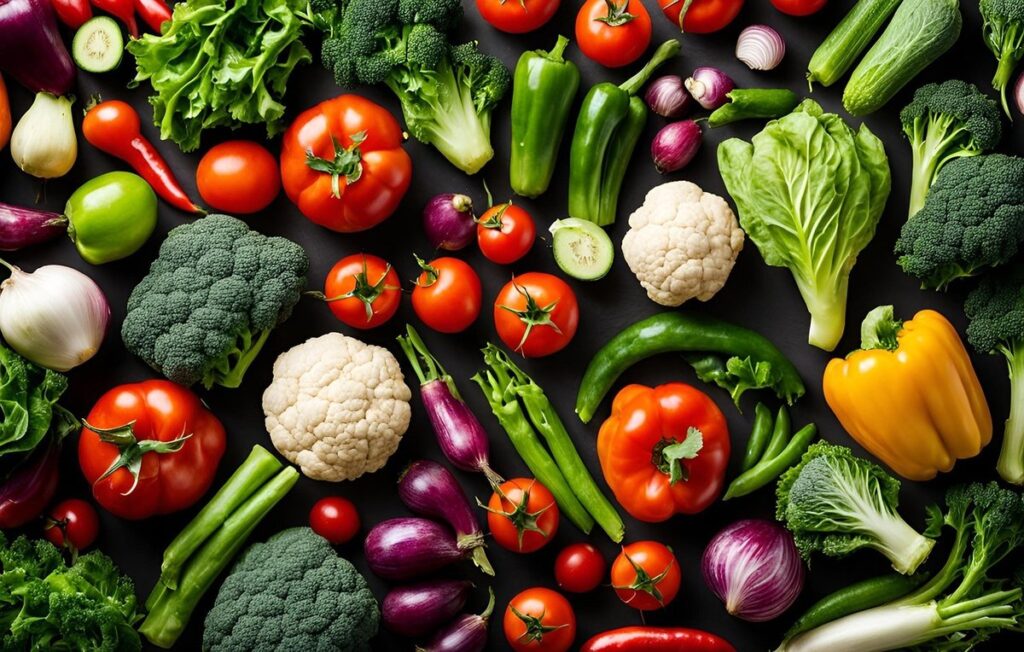
Introduction to Eggplant Varieties
Let’s dive into the wonderful world of eggplants, where you’ll discover over 100 varieties that cater to different tastes and preferences. From classic Italian to exotic hybrids, we’re excited to share them all with you!
Brief History of Eggplant Cultivation
Eggplant has been a staple ingredient in various cuisines for thousands of years. Its origins can be traced back to Asia, specifically China and India, where it was first cultivated over 4,000 years ago. The earliest recorded evidence of eggplant cultivation dates back to the Indus Valley Civilization, where it was depicted in ancient artwork and mentioned in texts.
As civilizations evolved, so did the cultivation of eggplant. In ancient Greece and Rome, eggplant was introduced as a new ingredient and was highly prized for its unique flavor and texture. The Greeks and Romans cultivated eggplant extensively, using it in various dishes, including sauces and salads.
Over time, eggplant spread throughout Europe, Africa, and the Middle East, where it was incorporated into local cuisines. Today, there are over 1,000 known varieties of eggplant worldwide, each with its unique characteristics and flavor profiles. From the classic Italian eggplant to the Japanese Nasu, every variety has a distinct story to tell about its origins and evolution.
The diversity in eggplant varieties is a testament to human ingenuity and adaptability in cultivating this versatile vegetable. As you explore the world of eggplants in this guide, keep in mind the rich history and cultural significance that surrounds each variety.
Importance of Diverse Eggplant Varieties
Having multiple eggplant varieties available is crucial for several reasons. Firstly, their unique characteristics allow them to thrive in various climates and conditions. For instance, some varieties like ‘Fairy’ and ‘Hansel’ are bred specifically for cooler temperatures and shorter growing seasons, making them ideal for Northern regions. On the other hand, ‘Black Beauty’ and ‘Rosa Bianca’ prefer warmer climates and can tolerate higher humidity levels.
This adaptability is essential for farmers, as it allows them to choose varieties that best suit their local conditions. Moreover, a diverse range of eggplant varieties provides consumers with an array of culinary options. Some varieties have thinner skins, making them perfect for grilling or roasting, while others have thicker skins and hold up well to slow cooking methods.
As consumers become more interested in trying new recipes and flavors, having access to various eggplant varieties is crucial for meeting this demand.
Common Eggplant Varieties
Let’s dive into some of the most popular and diverse eggplant varieties, each with its unique characteristics and flavors to enhance your cooking. From Asian-style to Italian favorites, you’ll discover them all here.
1. American Dream Eggplant
The American Dream eggplant is a popular variety among home gardeners and professional growers alike. This hybrid eggplant is known for its high yields and resistance to common pests and diseases. When grown under ideal conditions, the American Dream can produce up to 10 pounds of fruit per plant.
In terms of growth habits, the American Dream is a mid-season maturing variety that takes around 70-80 days to reach maturity. It has a compact growth habit, making it suitable for container gardens or small spaces. The plants are also relatively low-maintenance and can thrive in a variety of soil types.
The flavor profile of the American Dream eggplant is sweet and slightly smoky, with a tender flesh that’s perfect for grilling or roasting. Its uses in cooking are diverse – it’s great sliced into rounds for caponata, diced for ratatouille, or pureed into a rich eggplant parmesan sauce.
2. Fairy Eggplant
If you’re looking for an eggplant variety that’s compact and high-yielding, Fairy Eggplant is definitely worth considering. This variety boasts a unique growth habit that makes it perfect for small gardens or containers.
Fairy Eggplants are known to grow up to 12-18 inches tall and wide, making them an ideal choice for spaces with limited room. Their compact size also means they require less support than other eggplant varieties, which can be a major advantage for gardeners who want to minimize maintenance.
One of the standout features of Fairy Eggplants is their high yield. These plants are prolific producers, often yielding 4-6 fruit per plant. They’re also resistant to common eggplant diseases like fusarium wilt and verticillium wilt, making them a great choice for gardeners who want to reduce the risk of disease in their gardens.
Overall, Fairy Eggplants are an excellent choice for gardeners who want a compact, high-yielding variety that’s easy to care for. With proper care, these plants can produce fruit all season long and provide a bountiful harvest.
3. Patio Eggplant
If you’re looking to grow eggplants in a small space, patio varieties are an excellent choice. Patio eggplants are known for their compact growth habit and produce smaller fruit compared to other types of eggplant.
One of the standout features of patio eggplants is their bushy growth habit. This means they require minimal support as they tend to grow outwards rather than upwards. In a container garden, this makes them an ideal choice as you can easily control the spread of the plant and provide enough space for it to thrive.
In terms of size, patio eggplants typically produce fruit that weighs around 3-5 ounces (80-140g), making them perfect for snacking or using in small recipes. They are also relatively fast-producing, often ready to harvest within 60 days of sowing the seeds.
Heirloom and Heritage Eggplant Varieties
If you’re looking for a touch of nostalgia and unique flavor, look no further than heirloom and heritage eggplant varieties that offer one-of-a-kind characteristics. These vintage gems are truly worth trying!
1. Italian Rosso Eggplant
Italian Rosso eggplants are a beloved heirloom variety among gardeners and chefs alike. These deep purple eggplants have a distinctive elongated shape, typically reaching lengths of 8-10 inches and weighing around 1-2 pounds. Their slender necks and glossy skin set them apart from other varieties.
When cooked, Italian Rosso eggplants reveal a sweet and slightly smoky flavor profile. They are particularly well-suited for roasting or grilling, as their tender flesh absorbs flavors beautifully. In the kitchen, they can be sliced into rounds or wedges and used in caponata, ratatouille, or even as a side dish on its own.
One of the key advantages of growing Italian Rosso eggplants is their high yields per plant. They are also relatively easy to care for, making them an excellent choice for gardeners new to eggplant cultivation. To get the most out of your harvest, be sure to provide these plants with full sun and consistent moisture levels throughout the season.
2. Thai Emerald Eggplant
Thai Emerald eggplants are a stunning addition to any vegetable garden and kitchen. These beautiful green orbs have a unique flavor profile that is both sweet and slightly bitter, making them a versatile choice for various dishes.
Native to Asia, Thai Emerald eggplants are often used in Southeast Asian cuisine, where their delicate taste and tender flesh make them an ideal ingredient for stir-fries, curries, and braises. The vibrant green color of these eggplants also adds a pop of color to any dish, making them perfect for garnishing or using as a centerpiece.
When cooking with Thai Emerald eggplants, it’s essential to handle them gently to avoid bruising their tender skin. Simply slice or chop the eggplant into desired pieces and sauté them in a wok or large skillet with some oil, garlic, and ginger for a flavorful and aromatic side dish. You can also use them as a substitute for regular eggplants in many recipes, adding a new level of depth and complexity to your dishes. Try experimenting with Thai Emerald eggplants in your next Asian-inspired meal!
Hybrid and Grafted Eggplant Varieties
If you’re looking for eggplant varieties that are high-yielding, disease-resistant, and offer exciting flavor profiles, hybrid and grafted options are definitely worth exploring. Let’s dive into their characteristics and benefits.
Benefits and Drawbacks of Hybrid Eggplants
Growing hybrid eggplants can be an excellent choice for many gardeners, especially those who want to maximize their yields and minimize the need for frequent pruning. One of the most significant benefits of hybrid eggplants is their impressive yield potential. They often produce more fruit than open-pollinated varieties, making them a great option for commercial growers or gardeners with limited space.
Another advantage of hybrid eggplants is their disease resistance. Many hybrids have been bred to resist common eggplant diseases like fusarium wilt and verticillium wilt. This means that you’ll spend less time worrying about fungicides and more time enjoying your harvest. However, it’s worth noting that some hybrids may require more care in terms of watering and fertilization.
One potential drawback of hybrid eggplants is their lower seed viability. Since they are bred for specific traits, their seeds may not be as viable or adaptable to different growing conditions. This can make them more expensive to purchase than open-pollinated varieties.
Grafting Techniques for Improved Eggplant Yields
When it comes to maximizing eggplant yields, grafting is an effective technique that can significantly improve results. By joining a sensitive stem of one variety onto the root system of another, you can transfer beneficial traits from the donor plant to the recipient, resulting in healthier and more productive plants.
To get started with grafting, you’ll need a few basic materials: a healthy rootstock (such as a Roma tomato or other eggplant variety), a scion (a small piece of stem with leaves and roots), a grafting tape, and a sharp, sterile knife. It’s essential to choose compatible varieties, as some rootstocks may not accept certain scions.
Begin by making a clean incision on the rootstock about 1 inch below the soil line, then carefully insert the scion into the wound, making sure it’s seated firmly. Secure the graft with tape and water thoroughly. Be patient – grafted plants can take a few weeks to recover from the surgery. By following these simple steps and choosing the right varieties, you can give your eggplant crop an extra boost of resilience and productivity.
Growing and Caring for Different Eggplant Varieties
Growing eggplants can be a fun and rewarding experience, but each variety requires special attention to thrive. In this next part of our guide, we’ll explore how to care for some of the most popular varieties.
Tips for Growing Eggplants in Containers
Growing eggplants in containers can be a great way to add some variety to your space while still enjoying this delicious and versatile vegetable. When it comes to selecting soil for container-grown eggplants, look for a well-draining mix specifically designed for vegetables or fruits.
To ensure optimal growth, water your eggplant containers regularly, but make sure not to overwater. A good rule of thumb is to check the soil moisture by sticking your finger into the soil up to the first knuckle. If it feels dry, it’s time to water. Water at the base of the plant to avoid getting leaves wet and promoting fungal diseases.
Fertilization is also crucial for container-grown eggplants. Use a balanced fertilizer (10-10-10 NPK) during the growing season, following the manufacturer’s instructions. You can also side-dress with a high-phosphorus fertilizer to promote fruit production. Be mindful of overfertilizing, as this can lead to excessive vegetative growth at the expense of fruiting.
Some popular eggplant varieties that thrive in containers include ‘Fairy Fingers’, ‘Hansel’, and ‘Patio’. These compact plants produce plenty of fruit while occupying minimal space.
Common Pests and Diseases Affecting Eggplant Varieties
Eggplants are susceptible to various pests and diseases that can significantly impact their yield and quality. One of the most common pests affecting eggplant varieties is the aphid. These small, soft-bodied insects feed on plant sap, causing curled or distorted leaves and stunted growth.
To prevent aphid infestations, it’s essential to maintain a clean growing environment. Remove weeds and debris around the plants, and keep an eye out for signs of aphids, such as honeydew droplets on leaves or stems. If you do notice aphids, use neem oil or insecticidal soap to control the population.
In addition to aphids, eggplants are also vulnerable to diseases like powdery mildew and fungal infections. These can be caused by overwatering, poor air circulation, or excessive humidity. To prevent these issues, ensure your plants receive adequate spacing and sunlight, and avoid watering them too frequently. If you do notice signs of disease, treat the affected areas with a fungicide specifically designed for eggplants.
Some beneficial insects like ladybugs and lacewings can also help control aphid populations naturally. Encourage their presence by planting companion flowers or herbs near your eggplant varieties.
Conclusion: Choosing the Right Eggplant Variety for Your Needs
In conclusion, choosing the right eggplant variety can be overwhelming due to the numerous options available. However, by considering your cooking preferences and needs, you can narrow down the selection process. For instance, if you’re looking for a variety with a tender skin and fewer seeds, consider Japanese or Italian eggplants. On the other hand, if you want a more robust flavor and larger size, American or Black Beauty eggplants are excellent choices.
Ultimately, it’s essential to experiment with different varieties to determine which one works best for you. Consider visiting local farmers’ markets or specialty grocery stores to sample various eggplant types before making a final decision. By doing so, you’ll not only find the perfect variety but also gain confidence in your cooking skills.
Frequently Asked Questions
Can I grow eggplant varieties in a small backyard or urban garden?
Yes, many eggplant varieties can thrive in smaller spaces with proper care. Consider growing compact or dwarf varieties like the Patio Eggplant, which require minimal support and can be grown in containers.
How do I choose the best eggplant variety for my climate and region?
When selecting an eggplant variety, consider factors such as temperature tolerance, moisture requirements, and pest resistance. Check the specific growth habits and requirements of each variety to ensure it suits your local climate and growing conditions.
Can I graft multiple eggplant varieties onto a single rootstock?
While grafting is a viable technique for improving yields, it’s generally recommended to graft only one or two varieties per rootstock. This allows for optimal nutrient exchange between the scion (grafted variety) and the rootstock, promoting healthy growth.
How do I protect my eggplant plants from common pests like aphids and whiteflies?
To manage pests effectively, integrate a combination of cultural, physical, and chemical controls into your garden management plan. Use row covers to prevent infestations, spray neem oil or insecticidal soap as needed, and encourage beneficial insects with companion planting.
Can I grow eggplants in containers indoors year-round, provided they receive sufficient light?
While some eggplant varieties can thrive in indoor conditions, it’s essential to provide supplemental lighting (LED grow lights) to meet their specific light requirements. Also, ensure the container is at least 5-gallons and has good drainage to support healthy root growth.