
Growing your own avocados from seed can be an incredibly rewarding experience, not only for its ability to provide you with fresh, homegrown produce but also as a fun and educational project. If you’re new to gardening or looking for a way to introduce someone to the world of plant cultivation, growing avocado trees is a great place to start.
The process may seem daunting at first, but don’t worry – we’ve got you covered from variety selection right through to fruit production. In this article, we’ll guide you through each step of the journey, covering topics such as seed preparation, germination, and transplanting. We’ll also touch on common issues that can arise during growth and provide tips for overcoming them, so you can enjoy a bountiful harvest from your very own avocado tree.
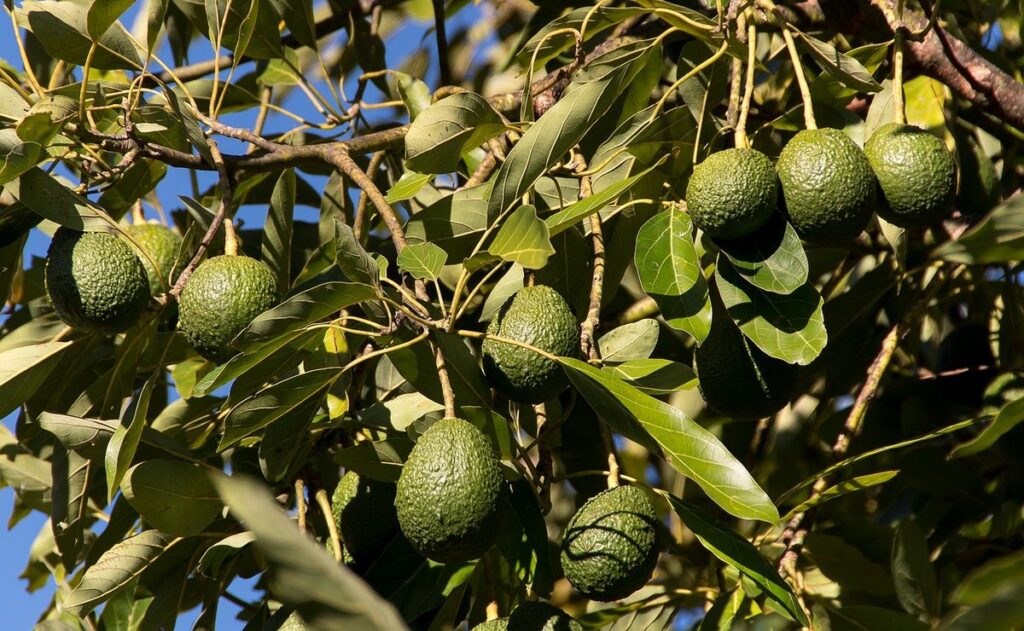
Choosing the Right Variety
With so many avocado varieties to choose from, selecting the right one for your garden can be overwhelming. Let’s explore the key factors to consider when choosing an avocado variety that suits your needs and climate.
Selecting a Suitable Avocado Species
With over 100 avocado species to choose from, selecting the right one can be overwhelming. As you begin growing avocados from seed, it’s essential to consider factors like climate, space, and desired fruit characteristics.
The most common avocado species, ‘Hass’ and ‘Fuerte’, are popular for their high yields and disease resistance. However, they require a Mediterranean climate with mild winters and hot summers. If you live in an area with frost or extreme temperatures, other varieties might be more suitable.
For example, ‘Bacon’ avocados thrive in cooler climates and produce fruit year-round. ‘Pinkerton’ avocados are also resistant to frost and can tolerate a range of temperatures. Consider your local climate when selecting an avocado species.
Some popular species for home growers include ‘Gwen’, known for its high yields and disease resistance, and ‘Nabal’, which produces fruit in as little as 6-8 months. When choosing an avocado variety, research its growth habits and desired traits to ensure it fits your space and climate.
Keep in mind that some avocado species are more compact or dwarf varieties, perfect for container growing or small spaces. Make sure to choose a variety that suits your lifestyle and available resources.
Understanding Avocado Variability
Avocado varieties are not created equal. While some may excel in terms of flavor and texture, others might be more resistant to disease. This is where things can get a bit confusing for novice growers. The truth is that there are over 100 different avocado varieties, each with its own unique characteristics.
When it comes to flavor, some popular varieties include ‘Hass’, known for its rich, nutty taste and buttery texture, while others like ‘Fuerte’ have a sweeter and more delicate flavor profile. As for disease resistance, ‘Bacon’ avocados are highly resistant to root rot, making them an excellent choice for growers in areas prone to this issue.
To make informed decisions about which variety to grow, consider the climate and conditions of your area. For instance, if you live in a hot, dry region, you may want to opt for a more drought-tolerant variety like ‘Pinkerton’. Conversely, if you’re located in a cooler, wetter climate, you might prefer a variety that’s more resistant to root rot.
Ultimately, understanding the unique characteristics of different avocado varieties will help you choose the best fit for your needs. By doing so, you’ll be well on your way to growing healthy and thriving avocados.
Preparing the Seed
To grow a healthy avocado tree, you’ll first need to prepare the seed by carefully removing any remaining fruit pulp and drying it slightly. This crucial step ensures optimal germination.
Soaking and Scarification Techniques
Soaking and scarification techniques are essential steps to stimulate growth and increase the chances of successful germination from an avocado seed. To begin with soaking, you can simply place the seed in a cup of water for 24 hours. This allows the seed to rehydrate, helping it to break dormancy and prepare for sprouting. Alternatively, you can also try the ‘stir-and-soak’ method, which involves placing the seed in a cup of water, stirring it occasionally, and allowing it to soak for 2-3 days.
After soaking, some seeds may still have a natural barrier that prevents germination. This is where scarification comes in – a process that helps break down this barrier by making small scratches on the surface of the seed. You can use sandpaper or a nail file to gently scrape away at the seed’s outer layer. Be careful not to cut too deeply, as this can cause damage to the seed’s inner tissues.
To take it to the next level, you can combine soaking and scarification techniques for optimal results. Simply soak the seed for 24 hours, then use sandpaper or a nail file to create small scratches on its surface. This will not only stimulate growth but also help ensure that your avocado seed has the best chance of thriving when planted in soil.
Creating a Suitable Environment
When it comes to creating a suitable environment for your avocado seed, you’ll want to replicate the conditions found in its native habitat. To promote healthy germination, make sure the temperature is between 65°F and 75°F (18°C and 24°C). This range allows the seed to break dormancy and begin the process of sprouting.
Keep in mind that temperatures above or below this range can slow down or even prevent germination. Aim for high humidity by covering the seed with a clear plastic bag or a cloche, maintaining an environment with at least 70% relative humidity.
Regarding light exposure, provide indirect bright light for your seedling. Direct sunlight can be too intense and may cause the delicate roots to become scorched. A south-facing window or under grow lights will work well. Monitor the temperature and humidity levels closely to ensure they remain within the ideal range, which is crucial for successful germination.
Germinating the Seed
First, you’ll need to carefully extract the seed from your ripe avocado and prepare it for germination. Let’s start with the process of sprouting a new avocado tree from its tiny beginnings.
The Process of Root Development
When you plant an avocado seed, it’s exciting to see it begin to grow. But have you ever wondered what’s happening beneath the surface? The process of root development is a critical phase in the life cycle of an avocado tree. Within 7-10 days after planting, the seed will start to develop its first set of roots.
These primary roots emerge from the bottom of the seed and can grow up to 1 inch long within a week. As they grow, they’ll begin to absorb water and nutrients from the surrounding soil. However, factors such as temperature, humidity, and light exposure can significantly influence root establishment. For example, if the soil is too dry or too wet, it can cause root growth to slow down.
To promote healthy root development, make sure your seedling receives adequate moisture but not excess water. A consistent temperature between 65-75°F (18-24°C) will also support optimal growth. By providing these ideal conditions, you’ll set the stage for a strong foundation that will eventually lead to a thriving avocado tree capable of producing fruit.
Overcoming Common Challenges
Germinating an avocado seed can be a delicate process, and it’s not uncommon for gardeners to encounter setbacks. One common challenge is fungal infections, which can manifest as soft spots or mold on the seed. To combat this, make sure the seed is properly dried after harvesting, and avoid placing it in standing water.
Another issue you may face is poor root development. This can be caused by insufficient moisture or inadequate temperature control. Ensure that the seed has consistent access to warm water (around 70-80°F) and maintain a humid environment, ideally using a cloche or plastic bag.
Root rot can also occur if the seed becomes overwatered. To prevent this, repot the seedling in well-draining soil as soon as the roots start to emerge from the seed coat. This will give the roots room to grow without becoming waterlogged.
Regularly inspect your seed for signs of disease or nutrient deficiencies. Keep an eye out for yellowing leaves, droopy stems, or white patches on the stem – these can be indicators of problems that need attention.
When repotting, choose a pot with good drainage holes to prevent root rot. Water carefully, making sure not to overwater. A consistent supply of nutrients through fertilization will promote healthy growth and development.
Keep your seed in bright, indirect light but avoid direct sunlight, which can scorch the delicate leaves. Regularly inspect your plant’s progress and make adjustments as needed to ensure optimal conditions for germination.
Transplanting and Caring for Young Avocado Trees
Now that your avocado seedling is growing strong, it’s time to transplant it into a larger pot and learn how to care for young trees to ensure they thrive. This section covers essential tips for successful transplanting and tree care.
Establishing a Healthy Root System
A strong and healthy root system is essential for young avocado trees to thrive. When transplanting an avocado seedling, it’s easy to focus on the visible parts of the tree, but neglecting its roots can lead to a weak foundation that hinders growth. This can result in stunted or unstable plants, making them more susceptible to disease and pests.
To promote healthy root development during transplanting, make sure the soil is not compacted. Avocado trees prefer well-draining, fertile soil with a pH between 6-7. When repotting your seedling, gently loosen the roots with your fingers or a blunt instrument to encourage spreading outwards rather than upwards.
Water your tree thoroughly after transplanting and keep the soil consistently moist but not waterlogged. Avoid over-fertilizing, as this can promote weak root growth and create an imbalance in nutrient absorption. Mulching around the base of the tree can also help retain moisture and suppress weeds that might compete with your young avocado’s roots for resources.
Pruning and Training Techniques
Pruning and training young avocado trees is crucial for promoting strong growth, ensuring a balanced canopy, and maximizing fruit production. When it comes to pruning, the goal is to remove any weak or damaged branches, as well as those that are growing inward towards the center of the tree.
* Remove any suckers (shoots that grow from the base of the trunk) immediately after transplanting
* Thin out select branches to allow air and light penetration to the inner canopy
Training techniques involve guiding the growth of the tree to maintain a central leader, encourage horizontal branching, and promote fruit production. Here are some tips:
* Use soft ties or twine to gently guide branches into place
* Prune the central leader (main trunk) to encourage lateral growth
* Remove any water sprouts that grow from the root flare or base of the trunk
Regular pruning and training will help your young avocado tree develop a robust, balanced structure that supports healthy fruit production.
Fruiting and Harvesting Avocados
Now that you’ve successfully grown your avocado tree, it’s time to reap the rewards – learn how to encourage fruiting and harvest those delicious avocados at just the right moment.
Understanding Flowering Patterns
When it comes to growing avocados, understanding flowering patterns is crucial for successful fruit production. Avocado trees typically produce two types of flowers: male and female. The male flower, also known as the stamen, produces pollen, while the female flower, or pistil, contains the ovary where the fruit will develop.
To identify when your avocado tree is ready to produce fruit, look for a small, greenish-yellow bud on the end of a branch. This is usually the female flower. As the flower opens, you’ll notice it has a short stem and three petals that resemble a tiny funnel. The male flowers are often smaller and more numerous, typically found in clusters near the base of the tree.
To encourage fruiting, ensure your avocado tree receives plenty of sunlight, maintains optimal soil moisture, and is fertilized regularly. With proper care and attention to flowering patterns, you should see the first avocado fruits appear within 3-5 years after planting a seedling. Keep in mind that some varieties, like ‘Hass’, can take longer to mature.
Tips for Optimizing Fruit Production
To maximize fruit production and minimize common issues like frost damage or pests, it’s essential to create an ideal environment for your avocado trees. One of the most critical factors is choosing a suitable location with adequate sunlight. Avocado trees require full sun to produce high-quality fruits, so ensure your tree receives direct sunlight for at least 6 hours a day.
Regular watering and fertilization are also crucial. Water your avocado tree when the top 2-3 inches of soil feel dry to the touch. A well-balanced fertilizer should be applied in early spring and again in mid-summer. Be cautious not to overwater, as this can lead to root rot and other problems.
Additionally, pruning is vital for maintaining a healthy tree structure and promoting fruiting. Remove any weak or dead branches, and thin out the canopy to improve air circulation and reduce disease susceptibility. By following these tips, you’ll be well on your way to creating an ideal environment that supports optimal fruit production.
Troubleshooting Common Avocado Issues
Don’t worry if things don’t go as planned, we’ve all been there! This section will help you tackle common problems that can arise when growing avocados from seed.
Dealing with Pests and Diseases
As you nurture your avocado tree from seed to fruit, it’s essential to be aware of common pests and diseases that can affect its health. Avocado trees are susceptible to various issues that can impact their growth and yield. One of the most significant threats is the root-knot nematode, a microscopic worm that infests the roots of the tree, causing damage and reduced fruit production.
Other pests like aphids, whiteflies, and mealybugs can also cause problems by sucking sap from leaves and stems, weakening the tree’s resistance to disease. Regularly inspect your tree for signs of pest activity, such as sticky honeydew droplets or curled leaves.
Diseases like root rot, canker, and anthracnose are common issues that can be caused by fungal infections. These diseases often appear on older trees and can spread quickly if left untreated. To prevent the spread of disease, ensure good air circulation around your tree, water it carefully to avoid overhydration, and remove any infected branches.
Some effective ways to manage pests include using neem oil or insecticidal soap, while fungicides like copper-based products can help control fungal infections. Remember to follow the product instructions carefully and take preventative measures before issues arise.
Overcoming Nutrient Deficiencies
Maintaining nutrient balance is essential for healthy tree growth and fruit production. Avocado trees require a broad spectrum of nutrients to thrive, including nitrogen, phosphorus, potassium, calcium, magnesium, sulfur, boron, copper, iron, manganese, molybdenum, and zinc.
To diagnose potential deficiencies, observe your tree’s appearance and symptoms. For instance, if leaves are pale or yellowish, it may be a sign of inadequate nitrogen levels. On the other hand, if leaves turn dark green or have distorted growth, excessive magnesium or potassium might be present.
If you suspect a deficiency, test your soil to confirm nutrient imbalances. Soil pH plays a crucial role in nutrient availability. Ensure your avocado tree’s growing conditions are suitable for its age and variety.
To correct common deficiencies, incorporate organic amendments into your fertilization routine. For nitrogen-rich foliage, add fish emulsion or compost tea. To regulate excessive potassium levels, balance with magnesium-rich supplements like Epsom salt. Avoid overfertilizing, as this can cause more harm than good to the tree’s delicate ecosystem.
Frequently Asked Questions
How do I know if my avocado seed is viable?
To check for viability, gently scratch the surface of the seed with a nail or a knife to reveal the embryo inside. If it’s alive, you’ll see a white, milky substance. A healthy seed should have at least one visible root and two shoots.
What’s the ideal temperature range for germinating avocado seeds?
Avocado seeds typically take 3-12 weeks to germinate. Maintain a consistent temperature between 65°F (18°C) and 75°F (24°C). Avoid temperatures above 80°F (27°C), as this can lead to seed rot.
Can I grow multiple avocado trees from the same seed?
Yes, but it’s essential to separate the sprouts at least 6-8 inches apart. This allows each tree to develop its root system independently and reduces competition for nutrients.
How often should I water my young avocado tree after transplanting?
Water your tree thoroughly once a week during its first year of growth. As the tree matures, you can gradually reduce watering frequency to once every 10-14 days. Monitor soil moisture by sticking your finger into the soil up to the knuckle.
What are some common issues that can arise when growing avocado trees from seed?
Some common challenges include low humidity, root bound conditions, and nutrient deficiencies. Regularly inspect your tree for pests and diseases, and adjust its environment accordingly. Keep in mind that each tree is unique, so be prepared to adapt to changing circumstances.