
Are you ready to unlock the secrets of growing and caring for one of the most beautiful and low-maintenance houseplants out there? Look no further than Fittonia superba! This stunning plant is not only a feast for the eyes, but it’s also an air-purifying superstar that can thrive in even the most challenging indoor conditions. But don’t just take our word for it – with its delicate white veins and vibrant foliage, Fittonia superba is a must-have for any houseplant enthusiast. In this ultimate guide, we’ll show you how to grow, propagate, and care for your Fittonia superba like a pro, covering everything from common problems solved to the incredible benefits of having one in your home.
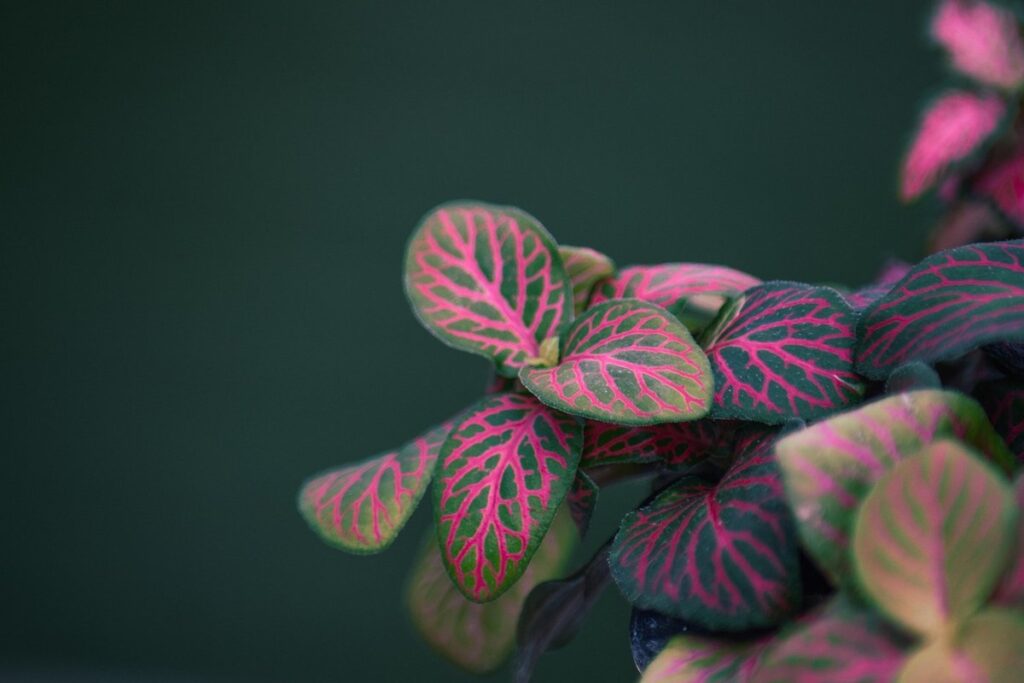
Understanding Fittonia Superba: An Introduction
Fittonia Superba is a popular, low-maintenance houseplant known for its beautiful leaves and unique characteristics. Let’s dive into what makes this plant so special.
What is Fittonia Superba?
Fittonia superba is a popular houseplant species known for its stunning foliage and compact growth habit. Scientifically, it belongs to the Gesneriaceae family and is also referred to as Nerve Plant due to its distinctive veins on the leaves.
Originating from tropical regions of Asia and Australia, Fittonia superba has been cultivated in greenhouses and homes for centuries, prized for its versatility and low-maintenance requirements. This plant thrives in warm temperatures between 65-75°F (18-24°C), making it an ideal choice for indoor spaces where the temperature remains relatively consistent.
One of the key reasons Fittonia superba has become a favorite among houseplant enthusiasts is its ability to adapt to various lighting conditions, from bright indirect light to partial shade. This flexibility makes it suitable for a range of environments, from modern apartments to traditional homes with limited natural light.
Whether you’re new to houseplants or an experienced gardener, Fittonia superba offers a unique combination of beauty and hardiness that’s hard to resist.
Common Names and Varieties
Fittonia superba is commonly known by several names, which can sometimes lead to confusion. One of its most well-known aliases is “moss,” a nod to the plant’s ability to thrive in moist environments and its delicate, moss-like foliage. However, it’s not a true moss, but rather a member of the Acanthaceae family.
As for ferns, while Fittonia superba shares some similarities with these plants – such as its leafy appearance – it’s actually a distinct genus. Some people also refer to it as “Fittonia” or simply “nerve plant,” due to the prominent veins on its leaves.
When it comes to varieties and cultivars, there are several notable ones worth mentioning. The ‘Albo-Nettensis’ variety is one of the most popular, boasting dark green leaves with white veins that give it a striking appearance. Another popular cultivar is the ‘Tricolor’, featuring leaves in shades of pink, white, and green.
Some enthusiasts even experiment with propagating new varieties through leaf cuttings or division, which can result in beautiful and unique patterns on their leaves.
Growing Conditions and Care Requirements
To ensure your Fittonia Superba thrives, it’s essential to understand its specific growing conditions and care requirements to prevent common issues and promote optimal health.
Lighting Needs
Fittonia superba, with its striking leaves, can thrive under various lighting conditions. However, to encourage optimal growth and prevent scorching, it’s essential to understand the different types of light your plant requires.
In general, Fittonia prefers bright, indirect light, which is ideal for most rooms in a house. This type of light allows the leaves to maintain their vibrant colors without becoming scorched. Placing your plant near an east- or west-facing window will provide it with the necessary illumination. Direct sunlight can cause damage to the leaves, so keep it at least 3-4 feet away from direct sun exposure.
On the other hand, placing Fittonia superba in a room with low light may lead to slow growth and sparse foliage. But if you’re looking for an option that tolerates low-light conditions, this plant can still survive. To encourage healthy growth, make sure not to position it near any drafty windows or doors.
When transitioning your Fittonia from one lighting condition to another, do so gradually to prevent shock. This will allow the plant to adapt and thrive in its new environment.
Watering and Humidity
Proper watering and humidity levels are crucial for maintaining the health of your Fittonia Superba. Overwatering can lead to root rot, a common problem that causes yellowing leaves and eventual plant death. To avoid this, check the soil moisture by sticking your finger into the top inch of soil up to the first knuckle. If it feels dry, it’s time for watering.
Underwatering can also be detrimental, causing stress that may lead to leaf drop or stunted growth. Be mindful of your Fittonia Superba’s environment and adjust its water schedule accordingly. Watering once a week is usually sufficient during warmer months, but this can decrease to every 10-14 days in cooler periods.
Maintaining optimal humidity levels is also vital for the well-being of your plant. A humidifier or placing the pot on a tray with pebbles and water can help maintain a relative humidity of 40-60%. Some gardeners even recommend misting their Fittonia Superba’s leaves lightly once or twice a week, especially in arid environments.
Temperature Requirements
Fittonia superba thrives in temperatures between 65°F to 75°F (18°C to 24°C), making it a perfect addition to offices and homes with moderate climate control. While it can tolerate slightly cooler temperatures, exposure to drafts or prolonged periods below 55°F (13°C) may cause the leaves to become brittle.
If you live in an area with warmer temperatures, be cautious not to expose your Fittonia superba to direct sunlight or heat sources. Temperatures above 85°F (29°C) can lead to scorched leaves and root damage. To avoid such issues, place your plant on a shaded patio or use sheer curtains to filter the intense sun.
In terms of temperature tolerance, it’s essential to note that Fittonia superba can adjust to temperatures as low as 50°F (10°C) for short periods, typically during winter months. However, prolonged exposure to such conditions may cause the plant to go dormant. To maintain its vibrant green color and promote healthy growth, keep your Fittonia superba away from extreme temperature fluctuations.
When introducing a new Fittonia superba to your home or office, acclimate it gradually to the surrounding environment by placing it in an area with moderate temperatures for a few days before transferring it to its final location. This will help prevent shock and ensure a smooth transition for your plant.
Propagation Methods
Now that you know how to care for your Fittonia Superba, it’s time to learn how to multiply and share these beautiful plants with friends and family. We’ll cover two effective methods to propagate this stunning species.
Leaf Cuttings
Propagating Fittonia superba using leaf cuttings is a great way to multiply this beautiful plant and share it with friends. To start, you’ll need some healthy leaves from a mature fittonia superba plant. Choose leaves that are firm and not too old, as they will have the best chance of rooting.
To prepare the soil for your cuttings, fill a small pot or tray with a well-draining mix specifically designed for propagation. Moisten the soil gently but thoroughly. Then, take your chosen leaf and make a clean cut just above a node (where the leaf meets the stem). Remove any lower leaves that will be below the soil line to prevent rot.
Place the cutting in the prepared soil, firming it in gently. Water well and provide bright, indirect light. Keep the soil consistently moist but not waterlogged. Within 2-3 weeks, roots should start to develop, and you’ll see new growth emerging from the node where you made the cut. With proper care, your leaf cutting will be ready to pot up within a few months.
Division
When your Fittonia superba has outgrown its pot or is showing signs of decline due to overcrowding, it’s time to divide and conquer. This process will encourage new growth, prevent overgrowth, and give your plant a fresh lease on life.
Timing is everything when dividing mature plants. The best time for division is during the spring or summer months when Fittonia superba is actively growing. Avoid dividing during the fall or winter as this can cause stress to the plant. To divide, gently remove the plant from its pot and separate the roots using a sterile tool or your fingers.
Look for areas where the roots have formed new growth or are slightly thicker than the rest of the plant. Cut these sections apart, making sure each division has at least one growing point (or “eye”). This will help prevent shock to the newly divided sections. Re-pot the divisions in well-draining potting mix and water sparingly until they establish themselves.
Common Problems and Pests
As you care for your Fittonia Superba, you may encounter some common issues that can be frustrating to deal with. We’ll cover these pesky problems and show you how to resolve them.
Overwatering and Root Rot
Fittonia superba is a delicate plant that thrives in moist environments, but excessive watering can lead to its demise. Overwatering and root rot are two common issues that can be devastating if left unchecked.
One of the telltale signs of overwatering is yellowing leaves, which can occur due to the buildup of oxygen-free water around the roots. If you notice your Fittonia superba’s leaves turning pale or developing brown tips, it’s likely a sign that the plant has been receiving too much moisture. Another indication is the appearance of soft, mushy stems and roots.
To address overwatering and root rot, reduce watering to once a week during the spring and summer months when Fittonia superba tends to grow faster. Increase air circulation around the plant by repotting it in well-draining soil or using a container with good drainage holes. You can also prune affected areas of the plant to prevent the spread of disease.
In severe cases, treat the roots with a fungicide specifically designed for houseplants. Keep in mind that prevention is key – monitor your plant’s watering needs and adjust accordingly to avoid these common issues.
Pests and Diseases
Fittonia superba is generally resistant to pests and diseases, but it’s not immune to common problems. Spider mites and mealybugs are two of the most prevalent pests that can infest your plant. These tiny insects feed on sap, causing yellowing leaves and a sticky substance on the soil surface.
Prevention is key; keep an eye out for any signs of infestation by regularly inspecting the undersides of leaves and stems. Use neem oil or insecticidal soap to control outbreaks before they spread. For mealybugs, gently wipe them off with a cotton swab dipped in alcohol or water.
Root rot and leaf spot are common diseases that can affect Fittonia superba if the soil is consistently waterlogged. To prevent root rot, ensure good drainage by repotting your plant into a well-draining potting mix and avoiding overwatering. Regularly inspect for signs of fungal growth on leaves, stems, or roots.
If you notice any disease symptoms, treat with a fungicide specifically designed for houseplants to reduce the risk of chemical resistance.
Health Benefits and Uses
Fittonia Superba offers a multitude of health benefits, from purifying the air to reducing stress levels. Learn how you can harness these advantages in your daily life.
Air Purification
Fittonia superba is not just a beautiful addition to your home decor; it’s also a powerful tool for improving indoor air quality. This lovely houseplant is equipped with natural air-purifying abilities, making it an excellent choice for spaces with poor ventilation or high pollutant levels.
In fact, studies have shown that Fittonia superba can remove up to 90% of airborne pollutants in as little as two hours! This is thanks to its leaves’ unique ability to absorb and break down toxic substances. But how does this benefit you? Well, by having a Fittonia superba around, you’ll be inhaling cleaner air that’s rich in oxygen and free from harmful chemicals.
To maximize your Fittonia superba’s air-purifying potential, make sure it receives plenty of bright, indirect light and water it regularly. As an added bonus, its beautiful foliage will thrive under optimal care conditions, providing a stunning visual benefit to your space.
Ornamental Value
Fittonia superba is not only a low-maintenance plant but also a stunning addition to any home decor. Its unique foliage makes it an ideal choice for creating visually appealing arrangements and displays. When used as an ornamental plant, Fittonia superba can add a touch of elegance and sophistication to any room.
To create a beautiful display with your Fittonia superba, consider pairing it with other plants that have similar texture or contrasting colors. For example, combining it with succulents or air plants creates a unique and visually interesting arrangement. Alternatively, you can place it in a decorative pot and use it as a centerpiece for your dining table.
When arranging multiple plants together, remember to leave enough space between each plant for proper air circulation. This will prevent moisture buildup and help maintain the overall health of your plants. By incorporating Fittonia superba into your home decor, you can add a pop of color and texture while also enjoying its numerous health benefits.
Conclusion: Cultivating Success with Fittonia Superba
Now that you’ve mastered the art of growing and caring for your Fittonia Superba, it’s time to put everything into practice and see your beautiful plant thrive in its prime. Let’s review what we’ve learned so far.
Recap of Key Points
In reviewing our journey through the world of Fittonia Superba, it’s clear that cultivating success with this beautiful plant requires attention to detail and a commitment to proper care. To recap, we’ve covered the essential needs for thriving plants: bright, indirect light; consistent moisture levels; and temperatures between 65°F to 75°F (18°C to 24°C). We also explored the importance of repotting every year or two to maintain soil quality and promote healthy root growth.
Additionally, we discussed various methods for propagation, including leaf cuttings and division. By mastering these techniques, you can create new plants with minimal effort and enjoy a steady supply of fresh Fittonia Superba additions for your indoor space. Furthermore, our guide highlighted the benefits of this plant, from its air-purifying properties to its visually striking foliage, making it an excellent choice for improving home aesthetics.
By incorporating these key takeaways into your care routine, you’ll be well on your way to becoming a Fittonia Superba expert and enjoying the rewards that come with cultivating these unique plants.
Tips for Success
As you’ve reached the end of this comprehensive guide to Fittonia superba, it’s time to put everything into practice and cultivate success with these stunning plants. To ensure a thriving Fittonia superba from planting to ongoing care, remember these essential tips.
Firstly, give your plant a strong start by choosing a well-draining potting mix specifically designed for tropical plants like Fittonia superba. Avoid using regular potting soil as it can retain too much water and cause root rot. Also, ensure the container has proper drainage holes to prevent waterlogged soil.
Next, provide bright, indirect light for your Fittonia superba. East- or west-facing windows are ideal, but if that’s not possible, supplement with grow lights. Maintain a consistent temperature between 65°F to 75°F (18°C to 24°C) and humidity levels above 50%.
Water carefully by allowing the top inch of soil to dry out between waterings. Monitor your plant’s response to its environment and adjust watering schedules accordingly. With these simple yet crucial tips, you’ll be well on your way to enjoying a healthy and thriving Fittonia superba.
Frequently Asked Questions
Can I propagate Fittonia superba using leaf cuttings if it’s a mature plant with thick leaves?
Yes, while mature plants with thick leaves can be more challenging to propagate, you can still try using the method mentioned in our guide. However, consider using younger leaves or taking multiple cuttings to increase your chances of success.
How often should I fertilize my Fittonia superba during the growing season to promote healthy growth?
Fertilize your Fittonia superba every 2-4 weeks during the growing season (spring and summer) with a balanced, water-soluble fertilizer. This will provide essential nutrients for vigorous growth and help maintain its vibrant foliage.
What are some common pests that can affect my Fittonia superba in indoor conditions?
Common pests that target houseplants like Fittonia superba include spider mites, mealybugs, and scale insects. Regularly inspect your plant, and take action promptly if you notice any infestations, using insecticidal soap or neem oil to control the issue.
Can I grow Fittonia superba in a hanging basket or a terrarium for added visual interest?
Yes, you can successfully grow Fittonia superba in a hanging basket or a terrarium. Choose a well-draining potting mix and maintain high humidity levels (around 50-60%) to thrive. This will add an extra layer of visual appeal while keeping your plant healthy.
How do I handle root rot on my Fittonia superba if I notice symptoms like yellowing leaves or soft stems?
No, don’t panic! If you catch root rot early, repot the plant in a fresh, well-draining mix and reduce watering. Remove any affected roots to prevent further damage. With proper care, your Fittonia superba should recover.