
Are you ready to unlock the beauty of spring irises in your garden? These stunning flowers are a harbinger of warmer weather, bringing vibrant colors and delicate charm to even the most mundane spaces. But did you know that there’s more to spring irises than just their breathtaking blooms? With over 200 species to choose from, each with its unique characteristics and growing requirements, it can be overwhelming to decide which ones to plant.
In this comprehensive guide, we’ll walk you through everything you need to know about growing and enjoying spring irises. From the most popular types of spring irises to expert tips on care and design ideas, we’ve got you covered. Whether you’re a seasoned gardener or just starting out, our guide will help you make the most of these gorgeous flowers in your garden, covering topics like how to grow them, common mistakes to avoid, and inspiration for incorporating them into your outdoor space.
Introduction to Spring Irises
Spring irises are often overlooked, but their unique charm and diversity make them a fascinating group of flowers. In this next section, we’ll take a closer look at what sets these blooms apart.
What are Spring Irises?
Spring irises are one of the most beloved and iconic flowers of the season, bringing vibrant colors and beauty to gardens and landscapes everywhere. But what exactly are spring irises? From a botanical standpoint, they belong to the genus Iris, which is a group of flowering plants that are characterized by their unique, three-petaled flowers.
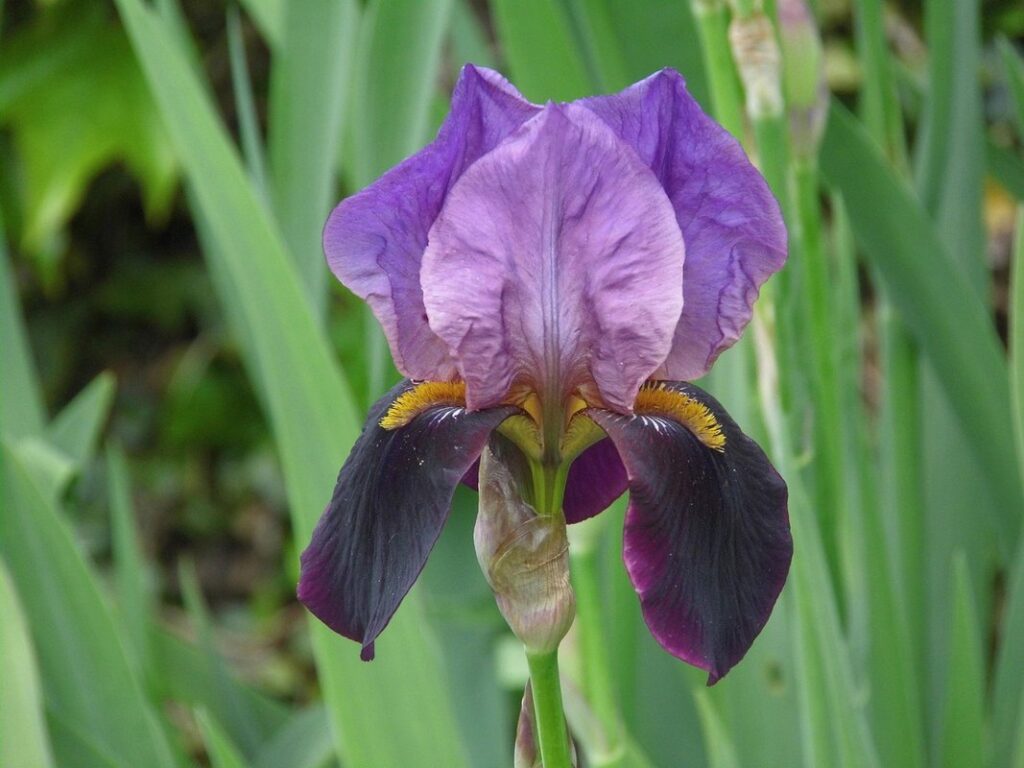
One of the distinctive features of spring irises is their blooms, which typically emerge in late winter to early spring, depending on the specific variety and climate. These beautiful flowers come in an astonishing array of colors, including shades of purple, blue, yellow, white, and pink, often with intricate patterns and markings. Another notable characteristic of spring irises is their slender, upright stems, which can grow anywhere from 12 to 48 inches tall.
What sets spring irises apart from other types of flowers is their unique growth habit. They are typically perennials, meaning they come back year after year, and require minimal maintenance to thrive. With proper care, including well-draining soil and full sun to partial shade, spring irises can bloom for weeks, providing a stunning display of color and beauty in the garden.
Importance of Spring Irises in Gardening
When it comes to adding vibrant colors and life to your garden during the early spring season, few plants can match the importance of spring irises. These beautiful blooms play a crucial role as one of the first flowers to emerge after winter’s chill, often bursting forth with an explosion of color just when other gardens seem barren.
One of the most significant advantages of spring irises is their adaptability to various climates and conditions. Whether you live in a warm, sunny region or a cooler, more temperate area, there’s likely a variety of spring iris that will thrive in your garden. This makes them an excellent choice for gardeners who want to add some early-season color without worrying about specific growing requirements.
In addition to their stunning beauty and adaptability, spring irises also serve as magnets for pollinators like bees and butterflies. By incorporating these flowers into your garden design, you can help attract these beneficial insects and support the local ecosystem. Consider planting a mix of spring iris varieties in different colors to create a pollinator-friendly haven that’s sure to bring joy and beauty to your garden.
Types of Spring Irises
You’re probably wondering what types of spring irises are out there, and we’ve got the answer: from compact dwarfs to tall bearded varieties. Let’s explore the diversity of these beautiful blooms!
Bearded Irises: Characteristics and Varieties
Bearded irises are one of the most recognizable and sought-after types of spring-blooming irises. Their unique characteristic is the presence of a “beard” – a tuft of fine, thread-like hairs on the lower petals (falls). This distinctive feature plays a crucial role in the plant’s pollination process, as it collects and stores pollen from other bearded iris flowers.
When it comes to varieties, bearded irises are incredibly diverse. With over 200 registered cultivars, you can choose from a wide range of colors, patterns, and growth habits. Some popular varieties include ‘Immortality’, with its vibrant yellow blooms, ‘Harvest Moon’, featuring delicate orange hues, and the striking white ‘Ice Follies’. When selecting a bearded iris variety, consider your garden’s climate, sunlight exposure, and desired bloom color.
In terms of growth habits, bearded irises typically grow 2-3 feet tall and produce flowers in late spring. They prefer well-draining soil and full sun to partial shade conditions. To ensure healthy growth and blooming, plant bearded iris bulbs at a depth of about 6 inches in the fall or early spring.
Non-Bearded Irises: Species and Hybrids
Non-bearded irises are just as breathtakingly beautiful and diverse as their bearded counterparts. Among them, species irises stand out for their natural, untamed beauty. These irises have been untouched by human cultivation and selection, allowing their unique characteristics to shine through.
Dwarf irises, on the other hand, offer a more compact option for gardeners with limited space. Reaching only 6-12 inches in height, these tiny wonders produce delicate blooms that add a whimsical touch to any garden bed.
Hybrid irises, bred from various species and cultivars, have taken the world of iris breeding by storm. With their vibrant colors and robust growth habits, they’re perfect for adding drama to your spring displays. When choosing non-bearded irises, consider factors like soil type, moisture levels, and sunlight exposure to ensure optimal growth.
For example, species irises tend to prefer well-drained soils and full sun, while dwarf irises require more shade and consistent moisture. By understanding the needs of these unique plants, you can create a stunning display that showcases their natural beauty.
Growing Spring Irises
Now that you’ve got your spring iris bulbs planted, let’s focus on how to coax those gorgeous blooms out of the ground and into full view. Here, we’ll cover essential tips for growing healthy, thriving spring irises.
Choosing the Right Location for Spring Irises
When it comes to growing spring irises, choosing the right location is crucial for their optimal development. As these vibrant blooms are known to thrive in specific conditions, consider the following factors when selecting a suitable spot.
Sunlight: Spring irises require at least six hours of direct sunlight per day to bloom profusely. However, they can also tolerate partial shade, especially if you live in areas with intense heat. Place them near an east- or west-facing window for ideal conditions.
Soil Type: Irises prefer well-draining soil that’s rich in organic matter. If your soil is heavy clay or prone to waterlogging, consider raised beds or plant them in containers filled with a mix of potting soil and perlite or sand. This will prevent root rot and ensure healthy growth.
Drainage: Proper drainage is vital for spring irises as they’re susceptible to root rot in soggy conditions. Make sure the area you choose has good airflow and isn’t prone to water accumulation. A slight slope can also help excess water drain away from the roots.
Incorporate these considerations into your planning, and you’ll be well on your way to creating an ideal environment for your spring irises to thrive.
Planting and Caring for Spring Irises
When planting spring irises, it’s essential to get it right from the start. Begin by selecting a location with well-draining soil and full sun to partial shade. Spring irises don’t like wet feet, so avoid areas prone to waterlogging.
To prepare the soil, mix in 2-3 inches of compost or well-rotted manure. This will help improve drainage and provide nutrients for healthy growth. Plant the rhizomes (not individual bulbs) at a depth of about 3-4 inches, with the eyes facing upwards. Space them about 6-12 inches apart, depending on the variety.
Water thoroughly after planting and keep the soil consistently moist during the first growing season. After that, allow the soil to dry slightly between waterings. Mulch around the plants to retain moisture and suppress weeds. Avoid fertilizing spring irises until they’ve finished blooming, as this can promote vegetative growth at the expense of flowers.
By following these steps and providing optimal growing conditions, you’ll be rewarded with vibrant blooms in shades of purple, pink, blue, and white come springtime.
Designing with Spring Irises
When it comes to growing spring irises, selecting varieties that fit your garden’s design style is crucial. We’ll explore how to choose the perfect iris for your outdoor space in this next section.
Companion Planting Ideas for Spring Irises
When it comes to creating a stunning display of spring irises, companion planting can make all the difference. By carefully selecting plants that complement their vibrant blooms, you can add depth, texture, and visual interest to your garden. For a harmonious color scheme, look for plants with complementary colors that will create a beautiful contrast with the delicate petals of your spring irises.
Some excellent options include bulbs like grape hyacinth (Muscari armeniacum) or winter aconite (Eranthis hyemalis), which bloom at a similar time and add pops of color to the landscape. Perennials like daylilies (Hemerocallis spp.) or coneflowers (Echinacea spp.) are also great choices, as they provide foliage interest throughout the growing season.
Annuals like pansies (Viola x wittrockiana) or violas can add a splash of color in early spring and fill gaps between irises. When selecting companion plants, consider their growth habits, bloom times, and textures to create a balanced display that showcases your beautiful spring irises.
Creating a Spring Iris Garden
When it comes to showcasing these stunning blooms, creating a dedicated spring iris garden is a fantastic way to add vibrancy and beauty to your outdoor space. To get started, let’s talk about layout considerations.
Choose a location that receives full sun to partial shade, as irises prefer well-draining soil and direct sunlight for optimal blooming. Consider a spot with good air circulation to prevent moisture buildup, which can lead to root rot. For a more dramatic effect, group spring irises together in clusters of three or five plants, allowing each bloom to be the focal point.
Before planting, prepare your soil by adding organic matter like compost or well-rotted manure. This will help improve drainage and fertility. Dig a shallow trench for each plant, making sure the rhizome (thick underground stem) is above the soil level. Water thoroughly after planting and maintain regular watering throughout the growing season.
To keep your spring iris garden thriving, divide and replant every three to four years to maintain their vigor and promote new blooms. This will also help prevent overcrowding, which can lead to reduced flowering and weakened plants.
Pests and Diseases Affecting Spring Irises
As you nurture your spring iris, it’s essential to be aware of potential pests and diseases that can damage these delicate flowers. Be prepared to tackle common issues like aphids, slugs, and root rot.
Common Pests Attacking Spring Irises
When it comes to growing beautiful spring irises, pest control is an essential aspect of their maintenance. Unfortunately, these vibrant blooms can be susceptible to various pests that can cause damage and reduce their overall health. Some common pests attacking spring irises include aphids, slugs, and snails.
Aphids are tiny, sap-sucking insects that feed on the plant’s sap, causing curled or distorted leaves and stunted growth. To control aphid infestations, try using neem oil spray or insecticidal soap, which can be applied directly to the affected areas. Encourage natural predators like ladybugs and lacewings, which feed on aphids.
Slugs and snails are other common pests that target spring irises, leaving behind a trail of slime and devouring leaves and flowers. To deter these slimy creatures, sprinkle crushed eggshells or sharp gravel around the plants’ base, as they don’t like to crawl over rough surfaces. You can also use copper tape or beer traps to lure them away from your prized blooms.
Remember, prevention is key when it comes to pest control. Regularly inspect your spring irises for signs of pests and take action immediately if you notice any damage. By being proactive and using organic methods, you’ll be able to enjoy these stunning flowers without the stress of pesky critters getting in the way.
Fungal and Bacterial Diseases in Spring Irises
Fungal and bacterial diseases can be a major concern for spring iris enthusiasts. One of the most common fungal diseases affecting spring irises is rhizome rot, caused by overwatering and poor drainage. Symptoms include soft, mushy stems and leaves that turn yellow or brown. To prevent this disease, make sure to plant your irises in well-draining soil and avoid watering them excessively.
Bacterial leaf spot is another common issue affecting spring irises. This disease causes small, dark spots on the leaves, which can lead to defoliation if left untreated. To control bacterial leaf spot, remove infected leaves and treat the affected area with a fungicide or bactericide.
Preventing fungal and bacterial diseases requires good garden hygiene practices. Remove any dead or dying plant material from your spring iris bed, and disinfect your gardening tools regularly. Avoid overcrowding your irises, as this can create a humid environment that fosters disease growth.
By taking these preventive measures and monitoring your plants for signs of disease, you can keep your spring irises healthy and thriving throughout the growing season. Regularly inspecting your plants will help you catch any issues early on, making it easier to treat them before they spread.
Conclusion and Inspiration
Now that we’ve explored the beauty of spring iris, let’s talk about what you can do with your newfound knowledge to make the most of these stunning blooms.
Tips for Sharing Spring Iris Blooms with Others
As you’ve learned about the beauty and significance of spring iris blooms, it’s time to share their vibrancy with loved ones. Consider gifting a bouquet of fresh irises to brighten up someone’s day. You can also create a stunning centerpiece for your dining table using a mix of iris varieties in different colors.
For a more meaningful gesture, try making an iris-themed wreath or arrangement using dried flowers and foliage from last year’s blooms. This eco-friendly idea allows you to preserve the beauty of spring irises even after they’ve faded. To involve the community, host a workshop where attendees can learn how to create their own iris arrangements or plant irises in pots to take home.
If you’re short on time, simply share a photo of your beautiful iris blooms on social media and tag friends who might appreciate the beauty. You could also organize a neighborhood potluck dinner with an iris-inspired theme, where everyone brings a dish named after a different iris variety. Whatever way you choose to share spring irises, it’s sure to bring joy and appreciation for these stunning flowers.
Final Thoughts: Nurturing the Beauty of Spring Irises
As you’ve made it through this comprehensive guide on spring irises, we hope you’re feeling inspired to appreciate and nurture these vibrant blooms. Remember that the beauty of spring irises lies not only in their stunning flowers but also in the symbolism they carry. They represent rebirth, hope, and new beginnings – perfect themes for the season.
To truly reap the rewards of growing spring irises, be sure to continue learning about their specific needs and care requirements. Experiment with different varieties, pruning techniques, and soil types to find what works best for you and your garden.
As the seasons change, don’t forget to enjoy the fleeting beauty of these flowers while they’re in bloom. Take a moment to appreciate their unique characteristics, fragrance, and vibrant colors. Whether you have a small herb garden or a large outdoor space, spring irises can add an extra layer of beauty and life to your surroundings.
By embracing the world of spring irises, you’ll not only be cultivating stunning flowers but also creating a deeper connection with nature’s cycles and rhythms.
Frequently Asked Questions
What if I’m new to gardening – can I still grow spring irises successfully?
Yes, growing spring irises is accessible even for beginners! With the right guidance, you can create a thriving garden. Start by selecting beginner-friendly varieties and following proper care instructions.
How do I ensure that my spring iris bulbs are not eaten by pests or rodents?
To protect your spring iris bulbs from pests, plant them in well-draining soil and mulch around the base to discourage digging. Consider using physical barriers like chicken wire or mesh to deter animals. Regularly inspect your plants for signs of damage.
What if I live in an area with harsh winters – can I still grow bearded irises?
Bearded irises are relatively cold-hardy, but they still require protection from extreme temperatures. Dig up the bulbs before the first frost and store them in a cool, dry place until spring. Apply a thick layer of mulch around the plants to insulate the soil.
Can I divide and replant spring iris bulbs in the same season?
Yes! Spring irises can be divided and replanted during the growing season (May-July), but make sure to wait until after blooming for best results. Gently dig up the clumps, separate the rhizomes, and re-pot them in fresh soil.
Are there any specific companion plants that complement spring irises?
Choose low-growing, non-competitive companion plants like creeping thyme, ajuga, or vinca minor to create a harmonious garden bed. Avoid tall plants that may shade the spring irises’ blooms.