
Lemon trees are a beloved addition to many gardens and backyards, providing fresh citrus for cooking and enjoying. However, they’re not immune to diseases and pests that can quickly spread and cause significant damage. From powdery mildew to root rot, and from aphids to spider mites, the threats to your lemon tree’s health are numerous.
If you’ve noticed any unusual symptoms or signs of infestation on your lemons, it’s essential to take action promptly. In this article, we’ll delve into common lemon tree diseases and pests, exploring how to identify them, prevent their spread, and treat affected trees using both cultural controls and chemical treatments – as well as organic methods for a more environmentally friendly approach. With expert advice on these crucial topics, you’ll be equipped with the knowledge to protect your lemons from harm and keep your tree thriving.
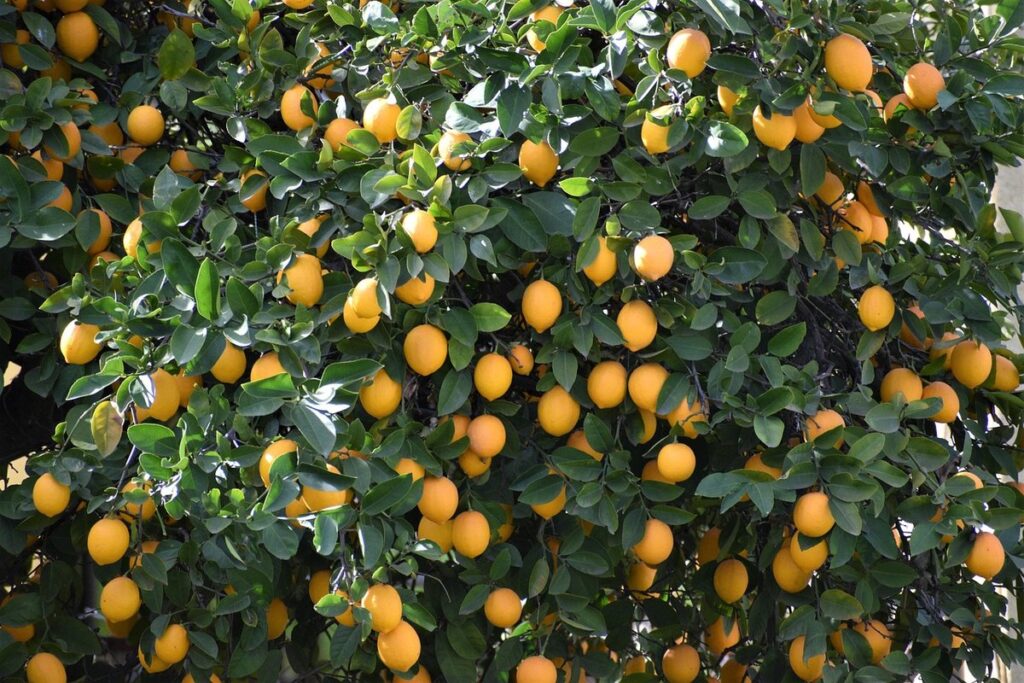
Common Lemon Tree Diseases
If you’re concerned that your lemon tree is struggling, there are several common diseases to look out for, each with distinct symptoms and treatment options. Let’s explore these issues together.
Section Overview
When it comes to lemon trees, diseases can be a major concern for growers. As we explore the world of citrus diseases and pests, it’s essential to understand some of the most common afflictions that affect these beloved trees.
In this section, we’ll delve into three prevalent lemon tree diseases: citrus canker, root rot, and leaf spot. Each of these conditions requires a unique approach for prevention, identification, and treatment. Citrus canker is a bacterial disease caused by Xanthomonas axonopodis, which affects the fruit’s skin and leaves, ultimately leading to its premature drop.
Root rot, on the other hand, occurs when the tree’s roots become infected with fungi, preventing the uptake of essential nutrients and water. Leaf spot diseases are characterized by circular or irregularly shaped lesions on the leaves’ surface, often accompanied by yellowing or browning around the edges. To effectively manage these conditions, it’s crucial to monitor your lemon trees regularly for signs of disease and take swift action to prevent their spread.
Regular pruning, fertilization, and irrigation can go a long way in maintaining the overall health of your lemon tree. By staying informed about these common diseases and taking proactive measures, you’ll be better equipped to identify and address potential issues before they become major problems.
1. Citrus Canker
Citrus canker is one of the most significant threats to lemon tree health worldwide. This bacterial disease is caused by Xanthomonas axonopodis and thrives in warm and humid climates, making it a major concern for citrus growers in subtropical regions.
The symptoms of citrus canker are quite distinct: sunken lesions or blisters on leaves and stems, often accompanied by a yellowing or browning of the affected areas. If left untreated, the disease can lead to significant damage, including reduced fruit production and even tree death.
Several factors contribute to the spread of citrus canker, including contaminated pruning tools, infected planting material, and nearby diseased trees. To prevent its spread, it’s essential to adopt good hygiene practices when handling your lemon tree, such as disinfecting pruning tools between cuts and removing any affected areas promptly.
If you suspect your lemon tree is infected with citrus canker, treatment options include applying copper-based bactericides or removing the infected branches. However, prevention through regular monitoring and maintenance remains the most effective approach to managing this disease.
2. Root Rot
Root rot is one of the most common and destructive diseases affecting lemon trees. It occurs when the roots are exposed to waterlogged soil for an extended period, leading to fungal growth that prevents the tree from absorbing essential nutrients and water. This can happen due to overwatering, poor drainage, or planting in areas with low-lying water tables.
To prevent root rot, it’s crucial to ensure proper watering practices. Check the soil moisture by inserting your finger into the soil up to 2-3 inches deep. If it feels dry, water your tree thoroughly; if it’s already moist, wait a few days before watering again. Also, avoid getting water on the trunk or leaves to prevent fungal spores from spreading.
Regular soil care is also essential in preventing root rot. Use well-draining potting mix and consider repotting your lemon tree every 2-3 years to maintain optimal growth conditions. If you suspect root rot, inspect the roots carefully and prune any affected areas. Keep the area around your tree clear of debris, weeds, and standing water to reduce the risk of fungal growth.
Lemon Tree Pests
One of the most common challenges lemon tree owners face is pests that can severely damage your trees’ health. Let’s take a closer look at some of these unwelcome visitors.
Section Overview
When it comes to lemon tree pests, there are several common culprits that can cause significant damage if left unchecked. Among these, aphids, whiteflies, and scale insects are some of the most notorious offenders. Aphids, for instance, are tiny sap-sucking insects that can reproduce rapidly, leading to a massive infestation in just a matter of days. They secrete a sticky substance called honeydew, which attracts other pests and promotes the growth of sooty mold on leaves.
Whiteflies, on the other hand, are small, winged insects that feed on sap, causing yellowing or stunted growth. Scale insects, while seemingly harmless due to their hard outer shell, can still cause significant damage by piercing the tree’s bark with their feeding tube. To prevent infestations of these pests, it’s essential to maintain good hygiene practices around your lemon tree. This includes removing weeds and debris that may harbor pests, inspecting your tree regularly for signs of infestation, and using physical barriers or pesticides as a last resort.
When treating an existing infestation, it’s crucial to choose the right pesticide or other control method for the specific pest in question. For example, systemic insecticides can be effective against aphids but may not work on whiteflies or scale insects, which require more targeted treatments.
1. Aphids
Aphids are one of the most common pests that can infest lemon trees. These small, soft-bodied insects feed on plant sap, causing curled and distorted leaves, stunted growth, and reduced fruit yields. The impact of aphid infestations can be significant, as a single colony can produce multiple generations in just a few weeks.
One of the most noticeable symptoms of an aphid infestation is the presence of white, cottony patches on the undersides of leaves or stems. These are actually egg masses laid by female aphids, which can hatch into wingless nymphs that continue to feed and reproduce. To control aphid populations, it’s essential to use a combination of cultural, physical, and chemical methods.
For example, maintaining good air circulation around your lemon tree can help prevent aphid infestations by reducing the humidity levels that these insects prefer. Regularly inspecting your tree for signs of aphids and removing any infested areas can also be an effective control method. Additionally, using neem oil or insecticidal soap can help kill aphids on contact and break their life cycle.
By understanding the causes and symptoms of aphid infestations and implementing effective control methods, you can protect your lemon tree from these pests and maintain its overall health and productivity.
2. Whiteflies
Whiteflies are tiny, winged insects that feed on the sap of lemon trees, causing damage and spreading diseases. They have a distinctive yellow or white powdery coating on their wings, which is a giveaway to their presence.
To identify whiteflies, look for them on the underside of leaves, stems, or branches, especially in warm and humid weather conditions. A single female can lay up to 400 eggs on the leaves, which hatch into nymphs within a week.
Preventing whitefly infestations involves maintaining good garden hygiene, using physical barriers like fine mesh screens around plants, and introducing natural predators such as lady beetles or lacewings.
Integrated Pest Management (IPM) strategies are essential in controlling whiteflies. This includes combining techniques like biological control, cultural controls, and chemical controls to minimize harm to the environment and the tree itself. For example, using neem oil or insecticidal soap can help manage whitefly populations without harming beneficial insects. By adopting a holistic approach, you can effectively reduce whitefly infestations and protect your lemon tree’s health.
Environmental Factors Contributing to Disease and Pest Infestations
Climate, soil quality, and local wildlife can all play a significant role in contributing to diseases and pest infestations on your lemon tree, which is why understanding these factors is crucial.
Section Overview
When it comes to maintaining healthy lemon trees, understanding environmental factors that contribute to disease and pest infestations is crucial. Temperature fluctuations can have a significant impact on the spread of diseases such as Huanglongbing (HLB), also known as citrus greening. This bacterial disease thrives in temperatures between 64°F and 90°F (18°C and 32°C), making it more challenging to control in regions with mild winters.
Humidity levels are another critical factor, as they can facilitate the spread of diseases like powdery mildew. High humidity allows fungal spores to thrive, while low humidity makes them dormant but not extinct. Lemon trees growing in areas with high humidity may require additional pruning and fungicide applications to control these infections.
Wind patterns also play a significant role in spreading pests and diseases. Strong winds can disperse fungal spores and insects, while gentle breezes can carry disease-causing bacteria from nearby infected trees. By monitoring local weather forecasts and adjusting your tree care routine accordingly, you can reduce the risk of disease and pest infestations on your lemon tree.
1. Temperature Fluctuations
Temperature fluctuations can have a significant impact on lemon tree health, making them more susceptible to disease and pest infestations. Citrus trees prefer warm temperatures between 64°F and 90°F (18°C and 32°C), but extreme temperatures can cause stress, leading to a weakened immune system.
During periods of intense heat, lemon trees may experience scorching, which causes the leaves to become scorched or discolored. Conversely, prolonged exposure to cold temperatures can lead to chilling injury, resulting in fruit drop, reduced yields, and increased susceptibility to fungal diseases like root rot. To mitigate temperature-related stress, ensure your lemon tree receives adequate water and nutrients.
Prune your tree regularly to promote air circulation and prevent moisture buildup, which can exacerbate heat stress. Also, provide shade for your tree during the hottest part of the day using a canopy or umbrella. Keep in mind that young trees are more susceptible to temperature fluctuations than mature ones, so take extra precautions to protect them.
2. Humidity Levels
High humidity levels can exacerbate disease development in lemon trees, making them more susceptible to fungal and bacterial infections. When moisture is trapped around the tree’s leaves and branches, it creates an ideal environment for pathogens to thrive. This is particularly true for diseases like citrus canker and root rot, which require excessive moisture to spread.
On the other hand, low humidity levels can also contribute to pest infestations. In dry conditions, pests like spider mites, mealybugs, and scale insects are more likely to infest lemon trees, as they struggle to find sufficient water sources elsewhere.
To maintain optimal humidity levels around your citrus tree, aim for a relative humidity (RH) of 50-60%. You can achieve this by:
* Placing the tree near a humidifier or evaporative cooler
* Watering deeply but less frequently to encourage deeper root growth and reduce moisture stress
* Providing shade cloth or misting the leaves lightly during hot summer days
By keeping your lemon tree’s environment within the optimal humidity range, you can significantly reduce its vulnerability to disease and pest infestations.
Prevention and Control Methods
Now that we’ve identified the common diseases and pests affecting your lemon tree, let’s dive into practical ways to prevent and control these issues effectively. Here are some methods you can use to protect your tree.
Section Overview
As you learn more about common lemon tree diseases and pests, it’s essential to understand the importance of prevention and control methods. Effective management can save your tree from damage, reduce the risk of spreading disease, and even prevent costly treatments down the line.
In this section, we’ll focus on practical advice for preventing and controlling diseases and pests on lemon trees. We’ll explore cultural controls that involve making changes to your tree’s environment, such as pruning, watering, and fertilizing practices. For example, pruning infected branches can help contain the spread of disease, while avoiding overwatering can prevent root rot.
We’ll also discuss chemical treatments that may be necessary in severe cases or when cultural controls aren’t enough. However, it’s essential to use these methods judiciously and follow local regulations for pesticide use. Regular monitoring of your tree is crucial to catch issues early on, allowing you to take swift action to prevent the problem from escalating.
By incorporating these prevention and control measures into your lemon tree care routine, you’ll be better equipped to maintain a healthy and thriving citrus tree.
1. Cultural Controls
To effectively prevent diseases and pests from affecting your lemon tree, implementing cultural controls is essential. This involves adopting good pruning, watering, and fertilizing practices that promote a healthy environment for the tree to thrive.
Proper pruning helps maintain the tree’s shape, removes diseased or damaged branches, and increases air circulation around the leaves. Regular pruning also encourages new growth, which can help replace infected areas. When pruning, make clean cuts just above a bud or node, using sharp, sterile tools to prevent spreading diseases.
Watering is another critical aspect of cultural controls. Lemon trees prefer well-draining soil and should be watered deeply but infrequently to encourage deep root growth. Avoid overwatering, which can lead to root rot and other issues. Additionally, fertilize your lemon tree regularly with a balanced fertilizer during the growing season to provide essential nutrients.
By incorporating these practices into your regular care routine, you’ll create an environment that’s less conducive to disease and pest infestations, setting your lemon tree up for optimal health and productivity.
2. Chemical Treatments
Chemical treatments should be used with caution as they can harm beneficial insects, contaminate soil and water, and even pose health risks to humans. However, when dealing with severe infestations or outbreaks of diseases like root rot, anthracnose, or powdery mildew, fungicides may be necessary.
When selecting a fungicide, consider the type of disease, its severity, and the tree’s sensitivity. For example, for root rot caused by Phytophthora, a systemic fungicide containing aluminum tris (O-ethyl phosphonate) is effective. On the other hand, for powdery mildew caused by Erysiphe, a sulfur-based product can be used.
Some recommended chemical treatments include:
* Copper-based products for bacterial spot and bacterial leaf spot
* Chlorothalonil for anthracnose and root rot
* Sulfur for powdery mildew
* Insecticidal soap or horticultural oil for pests like aphids, whiteflies, and spider mites
Before applying any chemical treatment, always read the label carefully and follow the recommended application rates to minimize risks.
Integrated Pest Management (IPM) Strategies
To effectively manage pests and diseases on your lemon tree, consider implementing IPM strategies that combine physical barriers, cultural controls, and biological methods. This holistic approach can lead to healthier trees.
Section Overview
To manage lemon tree diseases and pests effectively, it’s essential to adopt an Integrated Pest Management (IPM) approach. This involves a holistic strategy that incorporates multiple techniques to monitor, identify, and control pest populations.
Monitoring is the first step in IPM. Regularly inspect your lemon trees for signs of stress, disease, or infestation. Look for changes in leaf color, texture, or growth patterns, as well as evidence of pests like aphids, whiteflies, or spider mites. Keep a pest journal to track observations and note any treatments applied.
Identification is critical to developing an effective control strategy. Familiarize yourself with common lemon tree diseases and pests, such as citrus greening disease, root rot, and mealybugs. Consult field guides, online resources, or consult with local experts to ensure accurate identification.
Control methods can be physical (e.g., hand-picking pests), cultural (e.g., adjusting irrigation schedules), or chemical (e.g., applying fungicides). A combination of these approaches often yields the best results. For example, removing infested branches and implementing good sanitation practices can reduce pest populations while minimizing the need for chemicals.
By adopting an IPM approach, you’ll be better equipped to manage lemon tree diseases and pests, reducing the risk of long-term damage and promoting a healthy, thriving orchard.
1. Monitoring and Identification
Monitoring your lemon tree regularly for signs of disease or pest infestation is crucial to developing effective Integrated Pest Management (IPM) strategies. This involves conducting regular visual inspections of the tree’s leaves, branches, and trunk for any unusual growths, discoloration, or damage.
When inspecting your citrus tree, look out for common pests like aphids, whiteflies, and mealybugs that can cause significant damage if left unchecked. Check the undersides of leaves and branches for eggs, larvae, or actual pests. Also, examine the soil around the base of the tree for signs of root rot or other soil-borne diseases.
Regular monitoring allows you to catch problems early on, reducing the need for chemical treatments and minimizing damage to your tree. Some key indicators of disease or pest infestation include yellowing leaves, stunted growth, and visible pests like ants or caterpillars. By staying vigilant and taking prompt action when issues arise, you can help prevent small problems from becoming major headaches down the line.
Organic Control Methods
When it comes to managing lemon tree diseases and pests, we often turn to natural methods that are gentle on our trees while still effective. This is where organic control methods come into play.
Section Overview
When it comes to managing diseases and pests on lemon trees using organic control methods, there are several effective alternatives to chemical pesticides. One of the most popular and widely used is neem oil. Derived from the seeds of the neem tree (Azadirachta indica), neem oil has been shown to be a potent natural insecticide that can control a wide range of pests, including aphids, whiteflies, and spider mites.
In addition to neem oil, insecticidal soap is another excellent organic option for managing pest populations on lemon trees. This gentle yet effective spray works by breaking down the insect’s exoskeleton, ultimately leading to their demise. Horticultural oil, also known as horticultural spray oil or white oil, is a refined mineral oil that helps control pests and diseases by suffocating them.
When using these organic methods, it’s essential to follow the recommended application rates and timing to avoid harming your lemon tree. Regular monitoring of your tree for signs of disease and pest infestation will also help you stay on top of any issues before they get out of hand.
1. Neem Oil
Neem oil has been gaining popularity as a natural solution for controlling pests and diseases on lemon trees. This versatile oil is derived from the seeds of the neem tree (Azadirachta indica) and has proven effective against a wide range of fungal infections, bacterial spots, and insect infestations.
When using neem oil as a fungicide, it’s essential to mix it with water according to the recommended ratio (usually 2-4% solution). Spray the solution on the affected areas, ensuring thorough coverage. However, be cautious not to spray neem oil during peak sun hours or when temperatures are above 90°F, as this can cause scorching and damage to your lemon tree.
To use neem oil safely around citrus trees, follow these guidelines: always read the label carefully, wear protective clothing, and avoid inhaling the fumes. Also, keep in mind that neem oil can be toxic to bees, so it’s best to spray during early morning or evening hours when pollinators are less active.
Conclusion
Now that you’ve learned about common lemon tree diseases and pests, it’s time to put this knowledge into action. By understanding how to identify, prevent, and treat these issues, you’ll be well-equipped to keep your citrus trees healthy and thriving. Remember, prevention is key – make sure to inspect your trees regularly for signs of infestation or disease, and take swift action if you notice any problems. Don’t wait until it’s too late; catch those pesky pests or fungal infections early on to save your tree from further damage. With the right care and attention, your lemon tree will continue to produce delicious fruit for years to come. By following these simple tips and staying vigilant, you’ll be enjoying fresh lemons in no time!
Frequently Asked Questions
How do I know if my lemon tree has a pest infestation or disease, and what’s the first step to take?
Identifying pest infestations or diseases early on is crucial for effective management. Look out for unusual growth patterns, discolored leaves, white powdery patches, or sticky substances on leaves and stems. If you suspect an issue, inspect your tree thoroughly, then consult with a local nursery professional or agricultural expert to determine the best course of action.
Can I use chemical treatments alone to control pest infestations and diseases in my lemon tree?
Chemical treatments can be effective against certain pests and diseases but are not always a standalone solution. Integrated Pest Management (IPM) strategies often combine cultural controls, biological controls, and chemical treatments for optimal results. Consult local guidelines or expert advice on the best methods to use in your area.
How do I protect my lemon tree from root rot caused by overwatering?
Preventing overwatering is key to preventing root rot. Check soil moisture regularly using a fork or soil probe, avoiding waterlogging and ensuring good drainage. Water your lemon tree during cooler parts of the day and maintain a consistent watering schedule.
What are some organic control methods I can use to manage pests in my lemon tree?
Organic options like neem oil, horticultural soap, and insecticidal soap can be effective against various pests. Regularly inspect your tree for signs of infestation and apply these treatments according to the product’s instructions, considering factors like temperature fluctuations and humidity levels.
What should I do if my lemon tree is already heavily infested with aphids or whiteflies?
If your lemon tree has a severe pest infestation, immediate action is necessary. Inspect the entire tree carefully for signs of further damage and take prompt control measures using physical barriers (e.g., fine mesh), neem oil, or insecticidal soap as per local guidelines to prevent further spread and minimize damage to the tree’s leaves and fruit.