
Are you tired of watching your feline friend pace around the house, searching for something to munch on? Chances are, your cat is craving some fresh greens to snack on. Planting cat grass is a simple and cost-effective way to provide your kitty with a healthy treat that’s rich in fiber and nutrients. Not only will it satisfy their cravings, but it can also help support their digestive health.
In this article, we’ll take you through the process of planting cat grass indoors or outdoors, exploring its nutritional value, and tackling common issues that may arise. We’ll cover everything from choosing the right variety to troubleshooting problems like mold or pests. By the end of this post, you’ll be equipped with the knowledge to grow your own cat grass and keep your feline companion happy and healthy. Let’s get started!
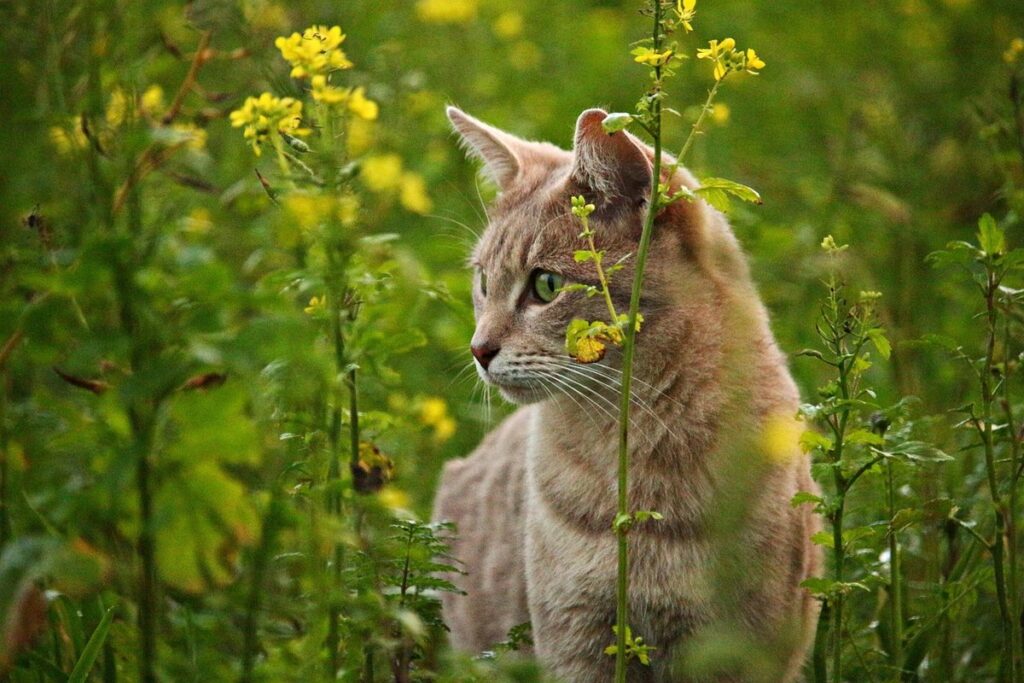
Benefits of Growing Cat Grass
Growing cat grass can bring numerous benefits to your feline friend, from improving digestion to reducing stress, making it a must-have for any cat owner’s home. Let’s explore these advantages in more detail.
What is Cat Grass and Why Do Cats Need It?
Cat grass is a type of grass specifically grown for cats to graze on, and it’s an essential part of their diet. It’s not just a novelty, but a vital component of maintaining their overall health. Rich in fiber, vitamins, and minerals, cat grass provides a natural way for your feline friend to detoxify and cleanse their digestive system.
Cat grass is particularly beneficial because it allows cats to engage in their natural instinct of grazing, which helps stimulate their digestive enzymes and promotes regular bowel movements. The nutrients found in cat grass also help support the growth of beneficial gut bacteria, further enhancing your cat’s overall health and well-being.
In the wild, cats would naturally graze on various types of grasses, so replicating this behavior indoors with a controlled environment is crucial for their emotional and physical well-being. Not only does it provide them with essential nutrients, but it also helps alleviate common issues such as hairballs, constipation, and vomiting.
Nutritional Value for Cats
Cats have a natural instinct to graze on grass, and for good reason. Cat grass, specifically, offers numerous benefits that can contribute to their overall well-being.
When it comes to digestive health, cat grass is a natural remedy for cats prone to hairballs. The fibers in the grass help stimulate digestion and promote the passage of hair through the system, reducing the risk of hairballs forming in the stomach or intestines. In fact, studies have shown that cats fed cat grass regularly had significantly fewer hairballs than those without access to it.
Cat grass also plays a role in supporting a healthy immune system. The antioxidants and other nutrients found in the grass help protect against oxidative stress and inflammation, which can weaken the immune system over time. By incorporating cat grass into their diet, you can give your feline friend an extra layer of protection against common illnesses like upper respiratory infections.
Incorporating cat grass into your cat’s diet is easy – simply sprinkle a few blades on top of their food or provide a pot specifically designed for them to graze on. Be sure to change the water frequently and maintain good hygiene when handling the grass to ensure optimal health benefits for your pet.
Choosing the Right Variety of Cat Grass
When it comes to growing cat grass, selecting the right variety is crucial for your feline friend’s taste and digestive needs. With so many options available, choosing the best type can be overwhelming.
Understanding Different Types of Cat Grass
When it comes to choosing the right cat grass for your feline friend, understanding the different types available is crucial. There are several varieties of cat grass, each with its unique characteristics and benefits.
Wheat grass, for instance, is one of the most popular options among cat owners. It’s a cool-season crop that grows rapidly, making it an excellent choice for indoor gardens. Wheat grass is rich in vitamins A, C, and E, as well as minerals like potassium and iron. Many cats love the taste and texture of wheat grass, and it can be easily harvested within 7-10 days.
Oat grass, on the other hand, is another popular option that’s easy to grow indoors. It’s a hardy crop that tolerates shade and requires minimal maintenance. Oat grass is rich in fiber, which makes it an excellent choice for cats with digestive issues. Some cat owners even prefer oat grass over wheat grass due to its milder flavor.
Barley grass is another type of cat grass that’s gaining popularity among feline enthusiasts. It’s a cool-season crop that grows rapidly and is rich in vitamins and minerals. Barley grass has a slightly sweet taste, which many cats find appealing.
Factors to Consider When Selecting a Cat Grass Variety
When selecting a cat grass variety, it’s essential to consider several factors to ensure you choose one that thrives in your environment and meets your cat’s needs. Climate is a significant consideration, as some cat grass varieties prefer cooler temperatures, while others can tolerate warmer conditions. For instance, wheatgrass and oat grass are more suitable for indoor growth in temperate climates, whereas barley grass prefers warmer weather.
Maintenance requirements also play a crucial role. If you’re short on time or have limited space, look for cat grass varieties that are low-maintenance and compact. Some popular options include microgreens, which can be harvested within 1-3 weeks of sowing, and dwarf cat grass, which grows only up to 6 inches tall.
Space constraints should also be taken into account. If you live in a small apartment or have limited garden space, opt for cat grass varieties that are compact or vertical-growing, such as lemongrass or corn grass. These varieties can thrive in tight spaces and require minimal care.
Planting Cat Grass Indoors or Outdoors
When it comes to planting cat grass, one of the most important decisions is whether to grow it indoors or outdoors. In this section, we’ll explore your options and provide tips for success in both environments.
Indoor Cat Grass Options
If you’re eager to provide your feline friend with their own personal salad bar, growing cat grass indoors is a fantastic option. Not only does it ensure your cat always has fresh access to their favorite snack, but it also eliminates the need for frequent outdoor excursions. You can choose from a variety of methods to grow cat grass indoors, including container gardening and using planters.
Container gardening allows you to plant cat grass seeds directly into a pot or container filled with soil. This is a great option if you’re short on space, as containers come in all shapes and sizes to fit any room. Simply add a layer of peat moss at the bottom of the container for better drainage, followed by a thin layer of compost, and then plant your cat grass seeds. Water thoroughly and keep the soil consistently moist.
Alternatively, you can use planters specifically designed with indoor gardening in mind. These usually have built-in water reservoirs that eliminate the need for frequent watering. This is perfect for busy pet owners who may not always be around to tend to their cat’s grass. Both options offer a convenient way to grow cat grass indoors and provide your feline companion with the greens they love.
Outdoor Cat Grass Considerations
Growing cat grass outdoors can be a great option if you have a suitable outdoor space and understand its requirements. One of the main considerations is sunlight: cat grass needs at least 4-6 hours of direct sunlight per day to thrive, which might not be feasible for all outdoor spaces. Consider the direction your yard faces and how it receives sunlight throughout the day.
Additionally, growing cat grass outdoors exposes it to potential pests like aphids, whiteflies, and spider mites that can damage the plant and make it unpalatable for your feline friends. Regularly inspecting your plants and implementing integrated pest management (IPM) strategies can help mitigate these issues. For example, introducing beneficial insects or using neem oil as a natural pesticide.
Keep in mind that outdoor cat grass may also be more susceptible to diseases like powdery mildew due to increased moisture exposure. Make sure to choose disease-resistant varieties and maintain good air circulation around the plants. With proper care and attention, growing cat grass outdoors can provide your cats with a healthy and enjoyable snack while you enjoy some fresh air too!
Preparing the Soil and Environment
Before you start planting, it’s essential to prepare your soil and environment to give your cat grass the best chance of thriving. This includes selecting a suitable location for your grass.
Preparing the Soil for Plant Growth
Before planting cat grass, it’s essential to prepare the soil for optimal growth. This involves testing and balancing the pH level as well as ensuring the soil has the necessary nutrients.
Start by purchasing a soil testing kit specifically designed for pH levels. Follow the instructions provided to collect a sample of your soil and send it off for analysis or use an at-home test kit. The ideal pH range for cat grass is between 6.0 and 7.0, slightly acidic to neutral. If your soil falls outside this range, you can adjust the pH level by adding lime to raise it or sulfur to lower it.
Once you’ve determined the pH level, consider the nutrient content of your soil. Cat grass requires a balanced mix of nitrogen, phosphorus, and potassium (NPK) to grow well. A general-purpose potting mix is often sufficient for cat grass, but if you’re using a specific type of soil or potting mix, be sure to check the label for NPK levels. You can also add a balanced fertilizer specifically formulated for indoor plants to provide an extra boost to your cat’s greens.
Providing Optimal Growing Conditions
When it comes to providing optimal growing conditions for your cat grass, there are several factors to consider. First and foremost, temperature plays a crucial role in the growth of cat grass. Most cat grass varieties thrive in temperatures between 65°F to 75°F (18°C to 24°C), with optimal growth occurring at around 70°F (21°C). If your home is consistently warmer or cooler than this range, it may be necessary to provide some extra TLC for your cat grass.
Humidity levels are also essential for healthy plant growth. Indoor spaces often have lower humidity levels compared to outdoor environments, which can lead to dry and brittle blades. To combat this, you can place the pot on a tray filled with water and pebbles or use a humidifier nearby to maintain a humidity level of around 50-60%. As for light exposure, cat grass prefers bright, indirect light but direct sunlight can cause it to become scorched. East- or west-facing windows are ideal spots for your cat grass pot, ensuring it receives the necessary light without overheating.
Maintaining optimal growing conditions will not only promote healthy plant growth but also encourage your feline friends to graze and enjoy their cat grass even more.
Caring for Your Cat Grass
To keep your cat grass healthy and thriving, it’s essential to establish a regular care routine that includes watering, pruning, and monitoring its growth. This will ensure your feline friend stays happy and engaged.
Watering and Maintenance Tips
When it comes to keeping your cat grass healthy and thriving, proper watering and maintenance are crucial. To determine the right watering schedule for your cat grass, observe its color and texture. If the blades appear pale or wilted, it’s likely due to underwatering. Conversely, if they’re soggy or mushy, you may be overwatering.
To avoid these extremes, water your cat grass when the top 1-2 inches of soil feels dry to the touch. Aim for about 1/4 inch of water per week, either from rain or irrigation. Make sure the pot has good drainage holes to prevent waterlogged soil.
Pruning is essential for maintaining a lush and even appearance. Use scissors or clippers to trim off dead or damaged blades, promoting healthy new growth. For larger pots, you can also divide the cat grass every 1-2 months to encourage fresh roots and leafy tops.
Fertilization is another critical aspect of cat grass maintenance. Feed your plants with a balanced fertilizer (10-10-10 NPK) during the growing season (spring-fall). Follow the manufacturer’s instructions for application rates, as overfertilizing can harm the plant.
Encouraging Cats to Use Their Cat Grass
When introducing cat grass to your feline friends, it’s essential to encourage them to use their new greenery. Cats are naturally curious creatures, but they may need some persuasion to try their new snack.
Start by placing the cat grass near a frequently visited area, such as their favorite sleeping spot or food bowl. This will allow them to easily access and explore the plant. You can also try gently sprinkling a small amount of catnip on top of the grass to entice them with its pungent aroma.
Begin by allowing your cat to sniff and explore the cat grass at their own pace. Don’t force them to eat it, as this may create a negative association. Instead, let them discover its appeal naturally. Once they start nibbling on the grass, you can try offering it in different locations around the house or even in a special “cat grass bar” area.
As your cat becomes accustomed to their new snack, be sure to rotate the grass regularly to keep it fresh and prevent any bacterial buildup. This will also encourage your cat to continue using their cat grass and exploring its many benefits.
Common Issues and Troubleshooting
Don’t worry if things don’t go as planned when planting cat grass – we’ll cover some common issues that may arise and offer solutions to get your feline friend’s snack on track.
Identifying Common Problems with Cat Grass Growth
As you tend to your cat grass, it’s not uncommon to encounter some common problems that can affect its growth. One of the most frustrating issues is pests, such as spider mites, mealybugs, or scale insects, which can feed on the plant’s sap and weaken it. To prevent infestations, ensure good air circulation around your cat grass, keep the soil consistently moist but not waterlogged, and avoid over-fertilizing.
Another issue that may arise is disease, such as root rot or leaf spot, caused by fungal infections. This can be due to overwatering, poor drainage, or high humidity levels. To prevent this, inspect your cat grass regularly for signs of yellowing leaves, black spots, or soft stems, and adjust your watering schedule accordingly.
Nutrient deficiencies can also hinder growth. Cat grass requires a balanced diet of nitrogen, phosphorus, and potassium to thrive. If you notice stunted growth or pale leaves, consider repotting with a nutrient-rich soil mix specifically designed for cat grass. Regularly monitoring your plant’s condition and making adjustments as needed will help prevent these common problems and ensure a healthy, thriving cat grass that your feline friends can enjoy.
Solutions for Common Cat Grass Problems
If you’re experiencing issues with your cat grass, don’t worry – it’s common for first-time growers. Here are some practical solutions to address these problems and ensure successful growth.
Wilting Cat Grass: If your cat grass is wilting, check the soil moisture levels. Overwatering can cause roots to rot, leading to wilted leaves. Let the top inch of soil dry out between waterings. Also, make sure your cat grass is receiving sufficient indirect sunlight – direct sunlight can scorch the leaves.
Pests and Mold: Regularly inspect your cat grass for pests like spider mites or mealybugs. Use neem oil or insecticidal soap to treat infestations. To prevent mold growth, ensure good air circulation around the plant by keeping it at least 6 inches away from walls or other plants.
Slow Growth: Cat grass grows relatively fast, but slow growth can be caused by inadequate light or nutrient deficiencies. Fertilize your cat grass with a balanced fertilizer once a month to promote healthy growth. If you’re still experiencing issues, consider repotting the plant in fresh soil.
By implementing these solutions, you should see improvement in your cat grass’s health and appearance. Remember to observe your plant regularly for any signs of problems, and adjust your care routine accordingly.
Frequently Asked Questions
Can I use any type of soil for planting cat grass, or are there specific requirements?
When choosing a soil mix for your cat grass, look for one that is specifically designed to support the growth of grass and other plants. Avoid using regular potting soil, as it may contain chemicals that can harm your cat if ingested. Opting for a sterile, all-purpose potting mix or creating your own blend with perlite and vermiculite can provide an optimal environment for your cat’s grass.
How often should I water my indoor cat grass to keep it healthy and thriving?
Water your indoor cat grass when the top 1-2 inches of soil feel dry to the touch. Overwatering is a common mistake, so monitor the moisture levels carefully. Aim to provide about 1 inch of water per week through either rainwater or tap water that has been allowed to sit for 24 hours to reduce chlorine and fluoride content.
Can I use cat grass as a substitute for regular cat food, or should it be treated as a supplement?
While cat grass can contribute essential nutrients to your cat’s diet, it should not replace their regular meals. Treat cat grass as a healthy snack that provides fiber, vitamins, and minerals to support digestive health. Limit your cat’s access to cat grass, allowing them to graze for 10-15 minutes at a time, several times a week.
How long does it typically take for my cat grass to grow after planting?
With proper care and conditions, cat grass can begin growing within 7-14 days of planting. The growth rate may vary depending on the specific variety you choose and your local climate. Be patient and observe your cat’s behavior – they will usually start grazing on their fresh greens within a week or two of planting.
Can I grow multiple types of cat grass together, or should each type be planted separately?
Some varieties of cat grass can complement each other well when grown together, while others may compete for resources. Research the specific needs and growth habits of your chosen varieties to ensure they will thrive in close proximity. For example, wheatgrass and oat grass can grow side by side, but lemongrass may benefit from being planted alone due to its stronger growth pattern.