
Are you struggling to keep your stunning Fittonia plants thriving? Perhaps they’re not getting enough light, or maybe you’re unsure how to provide optimal conditions for their delicate leaves. As it turns out, light is a crucial factor in photosynthesis, and understanding how to meet your Fittonia’s needs can make all the difference between a vibrant, healthy plant and a lackluster one.
But here’s the thing: not every home has bright, sunny windowsills, and that’s where things get tricky. Can LED grow lights provide what your Fittonia needs? What happens when you’re forced to move your plants to low-light environments? In this article, we’ll explore the ins and outs of Fittonia light requirements, including the science behind photosynthesis and how to adapt to challenging lighting conditions. Whether you’re a seasoned plant parent or just starting out, we’ll give you the knowledge to help your Fittonia thrive in any environment.
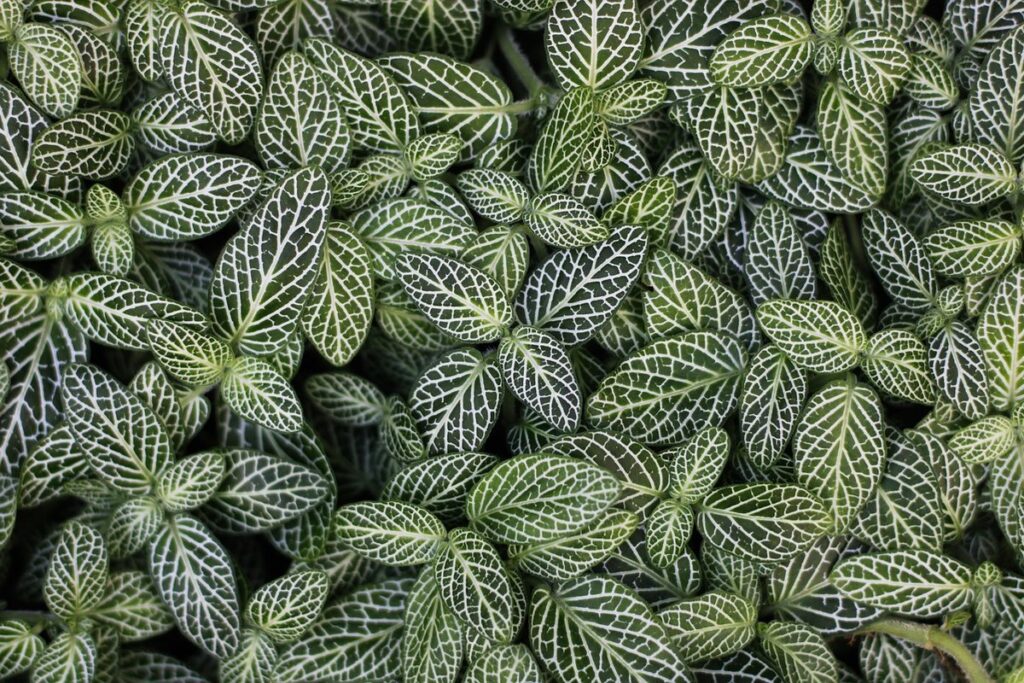
Understanding Fittonia Lighting Needs
To grow beautiful, healthy plants, it’s essential to understand how much light your Fittonias need. Let’s dive into their specific lighting requirements and how to provide them in your home or garden.
Overview of Fittonia Plant Species
There are several species of Fittonia plants, each with its unique characteristics and lighting requirements. The most common types include Fittonia versicolor ‘Narrow Leaf’, Fittonia albidolba, and Fittonia angustifolia. These plants are native to the tropical regions of Southeast Asia, where they thrive in humid environments with dappled light.
In their natural habitats, Fittonia plants often grow as epiphytes on trees or shrubs, where they receive filtered light. To replicate this environment, you should aim for bright, indirect light in your home. Direct sunlight can cause the leaves to become scorched and discolored, while low light conditions may lead to weak and spindly growth.
Some species of Fittonia are more tolerant of low light than others. For example, Fittonia albidolba can thrive in conditions with as little as 50-75 foot-candles of light. However, even the most adaptable species will benefit from a bright, sunny location during the spring and summer months when they are actively growing.
When selecting a Fittonia plant for your home, consider its natural habitat and choose a spot that provides the right balance of light and shade.
Common Uses of Fittonia in Indoor Spaces
Fittonia is often used as a versatile and low-maintenance addition to indoor spaces, particularly in areas with high humidity levels. In bathrooms and kitchens, its ability to thrive in moist environments makes it an excellent choice for adding some greenery to these rooms without worrying about the plant’s well-being.
In bathrooms, fittonia can be used to create a calming atmosphere by incorporating it into a decorative planter or hanging basket near a window. This allows natural light to filter in while maintaining the plant’s humidity preferences. For example, you could pair fittonia with other plants that prefer high humidity, such as ferns or peace lilies.
In kitchens, fittonia can be used to add some color and visual interest to countertops or shelves. Its compact size makes it easy to place on a kitchen windowsill or near an air vent, ensuring optimal light conditions while minimizing the risk of overwatering.
When selecting fittonia for use in humid environments, choose varieties that are specifically bred for these conditions, such as ‘Silver Leaf’ or ‘Green Jewel.’ These plants have adapted to excel in areas with high humidity and will reward you with vibrant foliage and minimal maintenance requirements.
Light Spectrum Requirements for Fittonia
When it comes to providing your Fittonia with the right light, understanding the specific spectrum requirements is crucial for optimal growth and health. In this section, we’ll break down what those requirements are.
Understanding the Importance of Photosynthesis
Photosynthesis is the unsung hero of plant growth, and understanding its importance can help you provide the best possible care for your Fittonia. Essentially, photosynthesis is the process by which plants use energy from light to convert carbon dioxide and water into glucose and oxygen. This complex biochemical reaction requires specific wavelengths of light, which is where things get interesting.
Fittonia, like most plants, has evolved to thrive in certain parts of the visible spectrum. They require a balanced mix of blue (420-450 nm), red (630-750 nm), and green (520-560 nm) light to undergo photosynthesis efficiently. While it’s tempting to think that any light will do, not all wavelengths are created equal when it comes to promoting healthy growth in Fittonia.
For example, too much direct sunlight can be detrimental, especially for young plants or those with delicate leaves like the Fittonia. Conversely, insufficient light can lead to weak and leggy stems, which is just as undesirable. By providing your Fittonia with the right balance of blue, red, and green light, you’ll encourage robust growth, vibrant foliage, and a healthier overall plant.
The Role of Red, Blue, and Green Light on Fittonia Growth
When it comes to Fittonia growth, the role of different colors within the visible spectrum cannot be overstated. Specifically, red, blue, and green light play crucial roles in various aspects of plant development.
Red light is essential for root development and helps regulate the plant’s circadian rhythm. It promotes cell elongation, which is critical for stem growth. However, excessive exposure to red light can lead to an overproduction of chlorophyll, causing the leaves to become too dark.
On the other hand, blue light plays a pivotal role in promoting leaf growth and density. This color also enhances the plant’s natural defense mechanisms against pests and diseases. While blue light is vital, an excess can hinder root development and promote etiolation – a condition where stems grow excessively long and leggy.
Green light, while less studied than red and blue, still has a notable impact on Fittonia growth. It promotes even leaf distribution and density, contributing to the plant’s overall aesthetic appeal. A lack of green light can lead to uneven leaf growth patterns.
When cultivating Fittonia, it’s essential to strike a balance between these colors. Aim for a spectrum with 40-50% blue light, 20-30% red light, and 10-20% green light. By achieving this balance, you’ll promote healthy root development, balanced stem growth, and dense leaf coverage – ultimately resulting in a thriving and visually stunning Fittonia plant.
Lighting Intensity for Fittonia
When it comes to lighting intensity, Fittonias can tolerate a range of conditions, but finding the right balance is crucial for their optimal growth and vibrant foliage. Let’s explore the ideal lighting levels for these beautiful plants.
Minimum and Optimal Light Levels for Fittonia
When it comes to providing the right amount of light for your Fittonia plants, understanding the minimum and optimal light intensity ranges is crucial. Research suggests that Fittonia can thrive in a range of light intensities, but it’s essential to strike the perfect balance.
The minimum light intensity required for Fittonia growth is around 1,000-2,000 lux. This is roughly equivalent to placing your plant about 3-4 feet away from an east-facing window. However, if you’re looking for optimal growth and vibrant foliage, provide a range of 5,000-10,000 lux. This can be achieved by positioning your plant near a south-facing window or using grow lights.
A study published in the Journal of Plant Science found that Fittonia plants grown at 5,000 lux showed significant improvements in leaf coloration and overall growth compared to those grown at lower light intensities. By ensuring your plant receives sufficient light, you’ll be rewarded with lush, vibrant foliage that adds a pop of color to any room. Keep in mind that over-exposure to direct sunlight can cause leaves to become scorched, so make sure to provide some shade during the peak sun hours.
Using Artificial Lighting for Fittonia: LED Grow Lights
When it comes to providing optimal light for Fittonia, artificial lighting sources like LED grow lights can be an excellent option. One of the significant benefits of using LED grow lights is that they promote increased photosynthetic activity in plants. This is because LEDs emit a specific spectrum of light that’s tailored to the plant’s needs, resulting in more efficient energy use and reduced waste.
However, it’s essential to note that excessive energy consumption can be a drawback of using LED grow lights. To mitigate this issue, look for LED grow lights with high PAR (photosynthetic active radiation) values and adjust their intensity according to your Fittonia plant’s needs. A good rule of thumb is to provide 12-14 hours of supplemental lighting per day.
For example, if you’re using a standard 20-watt LED grow light, placing it 6-8 inches above the soil can help ensure your Fittonia receives sufficient light without consuming too much energy. Remember to monitor your plant’s response and adjust the lighting accordingly to avoid over-lighting or under-lighting situations.
Considerations for Caring for Fittonia in Low-Light Environments
When caring for fittonia in low-light environments, it’s essential to consider a few key factors to ensure your plant thrives and looks its best. This can impact watering schedules and fertilization habits.
Adapting Fittonia to Dimly Lit Spaces
While fittonia plants typically thrive in bright, indirect light, it’s not impossible to adapt them to dimly lit spaces. If you’re looking to add some greenery to areas with limited natural light, there are a few strategies to consider.
One approach is to use reflective surfaces to bounce any available light towards the plant. Place a mirror or a piece of aluminum foil behind the fittonia to reflect the meager amount of light that’s present. This can be particularly effective in rooms with north-facing windows, which tend to receive soft, indirect light. Another tactic is to adjust your watering schedule to accommodate the reduced light conditions. Fittonias in low-light environments may require less water due to slower growth rates and reduced transpiration.
Consider repotting your fittonia into a container with better drainage to prevent root rot. By making these adjustments, you can coax your plant to thrive even in areas with limited natural light. With patience and proper care, your fittonia will continue to bring beauty and freshness to your space.
Potential Health Implications of Low Light on Fittonia
When you’re caring for Fittonia in low-light environments, it’s not just about their aesthetic appeal – prolonged exposure to inadequate light can have significant health implications. One of the primary concerns is an increased susceptibility to pests and diseases.
Fittonia plants in low-light conditions are more vulnerable to fungal infections, which thrive in humid, dimly lit spaces. If left unchecked, these infections can spread quickly, causing root rot and other damage. Moreover, low light can weaken your plant’s immune system, making it easier for pests like spider mites, mealybugs, or scale insects to infest the leaves.
To mitigate this risk, make sure to inspect your Fittonia regularly, particularly when moving it between indoor spaces with varying light levels. Implement good air circulation by placing the pot on a tray filled with small rocks and water – this will raise the plant off the soil while allowing excess moisture to evaporate. By taking proactive steps to monitor your Fittonia’s health, you can prevent pest and disease issues even in low-light conditions. Regular repotting and sterilizing your tools can also help minimize the risk of infection.
Tips for Achieving Optimal Lighting for Your Fittonia
To ensure your Fittonia thrives, it’s essential to understand the right balance of light and shadow that will keep its beautiful leaves healthy and vibrant. Here are some practical tips for achieving optimal lighting.
Practical Advice for Monitoring and Adjusting Light Levels
When it comes to ensuring your Fittonia is receiving the right amount of light, monitoring and adjusting its environment can be crucial. But how do you determine if your plant needs more or less light? One effective tool for assessing light levels is a light meter. These devices measure the intensity of light in a specific area, providing an accurate reading that can help you make informed decisions about your plant’s placement.
To use a light meter effectively, hold it horizontally and position it at the same level as the plant’s leaves. This will give you a reading of the light intensity in lumens per square meter. Most Fittonia species require bright, indirect light to photosynthesize efficiently. If your light meter reading indicates that your plant is receiving too much direct sunlight, consider moving it to a spot with dappled or filtered light.
By monitoring and adjusting your Fittonia’s environment using a light meter, you can create an optimal lighting conditions for your plant to thrive. Remember to adjust its position seasonally as well – a spot that receives the right amount of light in summer may not be suitable during winter months when sunlight is less intense.
Maintenance and Troubleshooting for Fittonia in Various Lighting Conditions
When growing Fittonia under different lighting conditions, you may encounter common issues that can be frustrating to resolve. One of the primary concerns is yellowing leaves, which can indicate insufficient light. However, if your plant is receiving too much direct sunlight, it may develop brown or crispy edges.
To troubleshoot these problems, start by assessing your plant’s environment. If your Fittonia is not receiving sufficient indirect light, consider moving it to a brighter location with filtered natural light or supplementing with grow lights. On the other hand, if your plant is exposed to too much direct sunlight, shade it with sheer curtains or relocate it to an area with softer lighting.
Monitor your plant’s response to these adjustments and make further tweaks as needed. It’s also essential to maintain proper watering habits and fertilize regularly to prevent nutrient deficiencies that can exacerbate lighting-related issues. With a bit of experimentation and patience, you should be able to find the optimal lighting solution for your Fittonia. By understanding how different lighting conditions affect your plant, you’ll be better equipped to address any problems that arise and keep your Fittonia thriving.
Frequently Asked Questions
Can I use LED grow lights for my Fittonia plants if I don’t have a sunny windowsill?
Yes, LED grow lights can be an excellent option to provide the necessary light for your Fittonia plants. Look for full-spectrum LED grow lights that emit balanced light across the spectrum, including blue, red, and green wavelengths. This will ensure your plants receive the right combination of light for photosynthesis. Adjust the light’s intensity according to your plant’s needs and monitor its response.
How do I know if my Fittonia is receiving too much or too little light?
Observe your plant’s leaves for signs of over- or under-lighting. If they become scorched, discolored, or develop brown edges, it may be a sign of excessive light. Conversely, pale or stretched-out leaves can indicate insufficient light. Adjust the lighting conditions accordingly to find the optimal balance for your Fittonia.
Can I move my Fittonia from bright to low-light environments and vice versa without harming it?
Yes, but gradual adjustments are key. When moving to a brighter environment, acclimate your plant by placing it in filtered or indirect light for 1-2 weeks before full exposure. Conversely, when transitioning to lower light, reduce the intensity over time to prevent shock.
How often should I inspect and adjust the lighting for my Fittonia plants?
Regularly inspect your plants (about every 1-2 weeks) to monitor their response to changing light conditions. Adjust the lights or move them as needed to maintain optimal growth. This will help you identify potential issues before they impact your plant’s health.
What are some signs that my Fittonia is not receiving sufficient photosynthesis, and how can I address it?
Look for symptoms like pale leaves, stunted growth, or a lack of new foliage. To address this, increase the light intensity by adjusting the distance between the lights and plants or using supplemental lighting sources (like LED grow lights). You may also consider pruning your plant to promote healthy growth in low-light conditions.
Can I use other types of artificial lighting for my Fittonia, such as fluorescent or HPS lights?
Yes, but be aware that these options can have different spectral compositions and intensities compared to LED grow lights. Fluorescent lights are often too weak for indoor plants, while HPS lights may produce excessive heat. If you choose to use these alternatives, research their specific requirements and adjust the lighting conditions accordingly to ensure your Fittonia receives the right amount of light.