
Designing a home that not only minimizes its carbon footprint but also generates energy is a dream come true for many eco-conscious homeowners. One way to achieve this is by incorporating a passive solar design with a greenhouse, which harnesses natural light and heat to power your home. But what exactly does it mean to have a passive solar home with a greenhouse? Simply put, it’s an energy-efficient building that uses the sun’s rays to regulate its internal temperature, reducing the need for artificial heating and cooling systems.
This approach not only saves you money on utility bills but also provides a sustainable way of living. In this article, we’ll explore how to design and build such a home, discussing the key principles and benefits of passive solar architecture with a greenhouse integrated into the design.
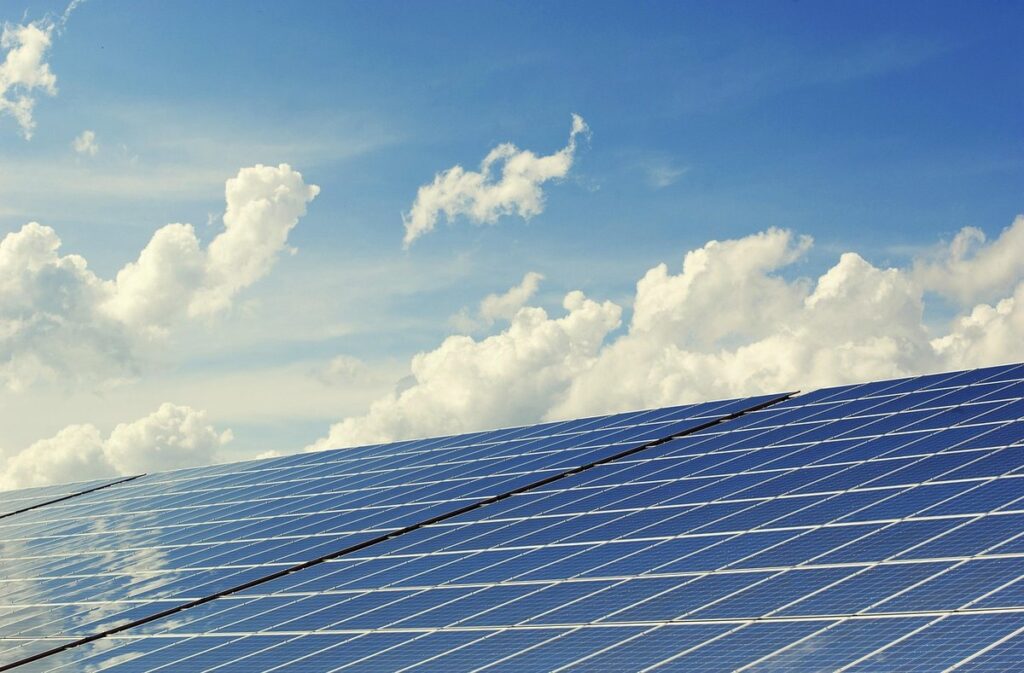
Understanding Passive Solar Design
To build a passive solar home with a greenhouse, it’s essential to understand how to harness natural light and heat through strategic design elements. This concept is at the heart of passive solar design principles.
Benefits of Passive Solar Homes
When it comes to building a passive solar home with a greenhouse, one of the most significant advantages is its energy efficiency. By harnessing natural sunlight and heat, you can reduce your reliance on artificial lighting and heating systems, resulting in lower energy bills and a smaller carbon footprint. In fact, studies have shown that well-designed passive solar homes can save up to 40% on heating costs compared to traditional buildings.
Not only are passive solar homes more efficient, but they’re also cost-effective in the long run. With reduced energy consumption comes lower utility bills, and you can even sell excess energy back to the grid in some areas. Additionally, the natural ventilation and cooling systems inherent in passive solar design mean you’ll spend less on air conditioning and fans.
But perhaps one of the most compelling benefits of passive solar homes is their environmental impact. By minimizing your reliance on non-renewable energy sources, you’re contributing to a cleaner, healthier environment for future generations. As you build your dream passive solar home with greenhouse, remember that every conscious choice makes a difference – and the rewards will be yours to enjoy for years to come.
Principles of Passive Solar Design
Passive solar design is based on several key principles that work together to create an energy-efficient and comfortable home. Orientation is one of the most critical aspects of passive solar design, as it determines how much sunlight enters your home throughout the day. Ideally, your home should face north in the northern hemisphere and south in the southern hemisphere to maximize natural light during winter months while minimizing heat gain during summer.
Insulation is another essential principle, ensuring that your home retains the heat gained from the sun during winter and keeps it out during summer. Use materials with high thermal resistance values, such as foam board insulation or fiberglass batts, to minimize heat transfer through walls, floors, and ceilings.
Thermal mass, typically achieved using materials like concrete, brick, or stone, is crucial in passive solar design. These materials absorb and release heat slowly, helping regulate indoor temperatures and reduce the need for mechanical heating and cooling systems.
Key Elements of a Passive Solar Home
When designing a passive solar home, it’s essential to incorporate key elements that maximize natural light and heat gain while minimizing energy consumption. One of the most critical components is large south-facing windows, which allow sunlight to enter the home during winter months when it’s needed most. These windows should be strategically placed to capture direct sunlight, ideally between 10 am and 3 pm, when the sun is highest in the sky.
In addition to windows, overhangs and shading devices play a crucial role in regulating indoor temperatures. Overhangs provide shade during summer months, protecting against intense sunlight that can cause overheating. Shading devices, such as awnings or louvers, serve the same purpose while also allowing some light to filter through. When selecting materials for these components, consider using durable and low-maintenance options like wood, metal, or recycled plastic.
When designing your passive solar home, remember that these elements should work in harmony with each other. For example, if you have a large south-facing window, you may not need as extensive an overhang. By carefully balancing these key components, you can create a comfortable and energy-efficient living space.
Designing Your Greenhouse
Now that you have a solid understanding of passive solar principles, let’s dive into designing your greenhouse to complement your home’s energy-efficient features. This section will guide you through key considerations for a seamless integration.
Choosing the Right Location for Your Greenhouse
Choosing an optimal location for your greenhouse is crucial to ensure it functions efficiently and effectively. When considering where to build your greenhouse, sunlight exposure is one of the primary factors to think about. A south-facing orientation will provide the most sunlight throughout the year, but be aware that this can also make your greenhouse more prone to overheating during summer months.
Wind direction is another critical consideration. Ensure that prevailing winds are not blowing directly into your greenhouse as this could lead to temperature fluctuations and damage to plants. A location with some natural windbreaks like trees or hills will help mitigate these effects. Accessibility to utilities such as water, electricity, and sewage should also be taken into account when deciding on the perfect spot for your greenhouse.
When possible, try to position your greenhouse near existing utility infrastructure to save on installation costs.
Selecting the Best Glazing Materials for Your Greenhouse
When it comes to selecting glazing materials for your greenhouse, you have several options to consider. Glass is a popular choice due to its high transparency and durability. However, it can be expensive and requires regular maintenance to prevent breakage. On the other hand, polycarbonate glazing offers excellent impact resistance and UV protection at a lower cost than glass. It’s also available in various sheet sizes and styles, making it easier to install.
Another option is polyethylene glazing, which provides good light transmission and flexibility for larger spans. However, it can be prone to scratches and yellowing over time. To make an informed decision, consider factors such as budget, desired level of transparency, and the greenhouse’s purpose (e.g., growing sensitive plants or providing a shaded area). It’s also essential to ensure that your chosen glazing material is compatible with your climate and weather conditions.
When selecting glazing materials for your greenhouse, it’s crucial to balance aesthetics, functionality, and cost. Research local suppliers and compare prices to find the best option for your project. Additionally, consider consulting with a professional or seeking advice from experienced greenhouse builders to ensure you choose the most suitable material for your specific needs.
Maximizing Natural Light in Your Greenhouse
Maximizing natural light in your greenhouse is crucial for healthy plant growth and energy efficiency. When designing your greenhouse, consider incorporating strategies to optimize light transmission. One effective way to do this is by using mirrors or prisms to bounce and amplify available light.
Mirrors can be strategically placed on the north-facing walls of your greenhouse to reflect sunlight onto the plants that need it most. This simple trick can increase light transmission by up to 20%. Another option is to use prismatic glass or acrylic panels, which refract light at different angles to maximize its penetration into the greenhouse.
When choosing mirrors or prisms for your greenhouse, consider factors like material durability, ease of installation, and maintenance requirements. For example, some mirrored surfaces may require periodic cleaning to maintain their reflective properties.
Incorporating natural ventilation and insulation can also enhance the overall light-gathering efficiency of your greenhouse. By balancing these elements, you’ll be able to harness as much natural light as possible while minimizing energy consumption and costs.
Building an Energy-Efficient Home
Now that we’ve covered the basics of designing a passive solar home, let’s dive into building an energy-efficient home by incorporating eco-friendly materials and smart design elements. This will help reduce your environmental footprint significantly.
Insulation and Thermal Mass in Passive Solar Homes
In a passive solar home, insulation and thermal mass are crucial components that work together to optimize energy efficiency. Insulation helps reduce heat loss during colder months by minimizing the transfer of heat between the interior and exterior environments. On the other hand, thermal mass absorbs and releases heat slowly throughout the day, regulating indoor temperatures.
To achieve optimal performance, various materials can be used for insulation and thermal mass. For instance, foam board insulation or recycled denim are excellent options for insulating walls and floors, while concrete, brick, or tile work well as thermal mass elements. When choosing materials, consider factors like R-value (thermal resistance), durability, and maintenance requirements.
In a passive solar home with a greenhouse, it’s essential to integrate thermal mass into the design to stabilize indoor temperatures. This can be achieved by using massive building blocks made from natural materials, such as concrete or stone, which absorb heat during the day and release it at night. By combining insulation and thermal mass effectively, homeowners can create an energy-efficient space that minimizes the need for heating and cooling systems.
Strategies for Reducing Heat Loss in Winter
As you’re building your passive solar home with greenhouse, it’s essential to consider strategies for reducing heat loss during winter months. This will not only keep your home cozy and warm but also minimize energy consumption and costs. One effective method is using double glazing in your windows. This involves installing two panes of glass separated by a gap filled with an insulating gas, such as argon or krypton. Double glazing reduces heat transfer between the interior and exterior environments, minimizing heat loss.
Another crucial aspect is draught-proofing. Seal any gaps or cracks around doors, windows, and other openings to prevent cold air from entering your home. Use weatherstripping, caulk, or spray foam to seal these areas. Additionally, consider installing thermal curtains or drapes made of thick, insulating materials that can help retain heat when closed.
By implementing these measures, you’ll significantly reduce heat loss during winter months, creating a more energy-efficient and comfortable living space within your passive solar home with greenhouse.
Creating a Comfortable Indoor Climate with Natural Ventilation
When designing a passive solar home with a greenhouse, it’s essential to create a comfortable indoor climate using natural ventilation. This not only reduces the need for mechanical cooling and heating but also enhances occupant well-being. One way to achieve this is by strategically placing windows and vents to allow for cross-ventilation.
Cross-ventilation occurs when wind blows through a building, creating a pressure difference between the two sides of the structure. By opening windows on opposite sides of the home, you can create a natural airflow that brings in cool air during hot summer days and pushes out warm air during cold winter nights. This approach is particularly effective in homes with a greenhouse, as the tall, narrow design of these structures allows for efficient ventilation.
To make the most of cross-ventilation, consider the following:
* Place windows on opposite sides of each room to create a pressure difference
* Use clerestory windows or high-level vents to allow warm air to escape
* Install adjustable window vents that can be opened or closed depending on weather conditions
* Plant trees or install windbreaks outside your home to reduce wind speed and direct airflow into your living space
Incorporating Greenhouse Elements into Your Home Design
When incorporating a greenhouse element into your home design, consider how its unique features can enhance the overall aesthetic and functionality of your space. This includes carefully selecting materials and designing transitions to maintain visual flow.
Bringing the Outdoors In: Creating an Indoor Oasis
When it comes to building a passive solar home with a greenhouse, creating an indoor oasis is essential for bringing the outdoors in. An indoor greenhouse or solarium can be a beautiful addition to your home, providing natural light, ventilation, and a touch of greenery amidst the hustle and bustle of daily life.
To design and build such a space, consider the following: choose a location that receives plenty of natural light from the south-facing side, install skylights or large windows to maximize sunlight penetration, and use thermal mass materials like concrete or brick to absorb and release heat. For ventilation, incorporate operable windows, solar tubes, or clerestory windows that allow for natural airflow.
Incorporating greenery is also crucial; select low-maintenance plants that thrive in indoor conditions, such as succulents or air-purifying plants like peace lilies. Use a trellis system to train vines and add visual interest, and consider installing an irrigation system for easy watering. By following these tips, you can create a serene and inviting indoor greenhouse that blurs the lines between indoors and outdoors.
Integrating Plants into Your Passive Solar Home
Incorporating plants into your passive solar home is not only aesthetically pleasing but also provides numerous benefits that enhance the overall living experience. One of the primary advantages of having plants indoors is air purification. Plants like peace lilies, spider plants, and aloe vera are known to remove pollutants and toxins from the air, creating a healthier environment for you and your family.
In addition to purifying the air, plants can also help regulate temperature within the home. By using plants with high transpiration rates, such as ferns or English ivy, you can naturally cool down your space during the summer months. During the winter, placing plants near windows allows them to absorb sunlight and warm up the surrounding area.
When selecting plants for your passive solar home, consider factors like lighting conditions, moisture levels, and temperature ranges to ensure their optimal growth. For instance, succulents thrive in bright light but require infrequent watering, while tropical plants prefer high humidity and indirect light. By choosing plants that match your home’s specific needs, you can create a harmonious balance between nature and architecture.
Maintenance and Upkeep
To ensure your passive solar home with greenhouse remains energy-efficient and beautiful, it’s essential to prioritize regular maintenance tasks. Regular upkeep will also help extend the lifespan of your building.
Regular Cleaning and Inspections for Optimal Performance
Regular cleaning and inspections are crucial to ensure your passive solar home with greenhouse operates at its best. As you harvest natural light and warmth, it’s essential to maintain the integrity of the structure to avoid performance degradation over time.
To start, establish a routine for regular cleaning. Begin by checking the exterior of your greenhouse for debris, dirt, or algae growth on windows and walls. Use a soft-bristled brush or a gentle detergent solution to remove any stubborn stains. Don’t forget to inspect the glazing materials, such as glass or polycarbonate panels, for cracks or damage.
Inside, ensure that the interior surfaces are free of dust and debris. Regularly sweep or vacuum the floors and clean the solar windows with a lint-free cloth. When conducting inspections, check for signs of wear on moving parts, like hinges and latches, and make any necessary repairs.
By committing to regular cleaning and inspections, you’ll extend the lifespan of your passive solar home with greenhouse and maintain its optimal performance. Set aside time each month for these tasks to ensure a safe and efficient living space that meets your needs for years to come.
Troubleshooting Common Issues and Maintaining Your System
As you start to enjoy the benefits of your passive solar home with greenhouse, it’s essential to address potential issues that may arise. A well-maintained system is crucial for its longevity and optimal performance.
Common problems often stem from inadequate ventilation or incorrect shading methods. Make sure to regularly inspect and clean your greenhouse’s glazing, as dirt buildup can reduce sunlight transmission by up to 20%. Also, ensure proper air circulation within the greenhouse by opening vents during hot summer days or using a solar-powered fan to maintain a consistent temperature.
Another critical aspect is monitoring for moisture-related issues. Inspect the structure regularly for signs of mold, mildew, or water damage. Address these problems promptly to prevent costly repairs and potential health risks. By staying on top of maintenance tasks, you’ll be able to enjoy your passive solar home with greenhouse for years to come.
To maintain your system effectively:
* Schedule regular inspections (every 2-3 months) during different seasons
* Keep records of maintenance activities and note any issues that arise
* Continuously monitor temperature, humidity, and light levels within the greenhouse
* Adjust shading methods or ventilation as needed based on seasonal changes
Case Studies and Examples
Let’s take a look at some real-life examples of passive solar homes with greenhouses that have successfully harnessed natural energy and reduced their environmental footprint. These case studies showcase innovative designs and strategies.
Successful Passive Solar Homes with Greenhouses
One of the most compelling aspects of passive solar homes with greenhouses is their ability to not only provide a comfortable living space but also to serve as a self-sustaining ecosystem. Let’s take a look at some inspiring examples that demonstrate the potential of these designs.
The Earthship Community in Taos, New Mexico, is an exemplary model of successful passive solar home design. These homes are built into the sides of hills, using earth-filled tires for insulation and capturing natural light through strategically placed windows. The community’s central greenhouse not only provides a lush oasis but also serves as a food source, generating an estimated 90% reduction in energy consumption compared to traditional homes.
Similar designs can be seen in Australia’s ‘Earthship’ prototype, which incorporates advanced solar panel systems and rainwater harvesting. This home achieved a remarkable 97% reduction in its carbon footprint.
When designing your own passive solar home with greenhouse, focus on orienting the structure to face north and south for optimal natural light capture. Also, consider using locally sourced materials and incorporating green roofs or walls to further enhance energy efficiency and reduce environmental impact.
Lessons Learned from Real-World Applications
Several case studies have demonstrated the potential of passive solar homes with greenhouses. For instance, the Solar House at the University of Illinois’s National Center for Supercomputing Applications (NCSA) garnered the top spot in the 2009 Solar Decathlon competition. This home incorporated a large south-facing window and a transparent roof to capture natural light during winter months.
Another notable example is the passive solar house built by architect William McDonough, which features a large greenhouse that collects and stores heat during the day for use at night. These examples highlight the importance of strategically placing glazing elements to maximize passive solar gain while minimizing heat loss.
When designing your own passive solar home with a greenhouse, consider using materials with high thermal mass, such as concrete or brick, to absorb and release heat slowly. Additionally, incorporate shading devices like overhangs or awnings to prevent excessive summer sunlight from entering the house through windows.
By learning from these real-world applications, you can create an efficient and sustainable passive solar home that utilizes a greenhouse to its full potential.
Frequently Asked Questions
How do I determine the optimal orientation of my passive solar home with a greenhouse?
To ensure your home receives maximum natural light, consider orienting it between south and east-west directions, depending on your location’s climate. A general rule is to face windows towards the south for more efficient heating during winter months.
Can I use any type of glass or glazing material in my passive solar design?
While various materials are available, not all are suitable for passive solar homes with greenhouses. Consider using low-e (low-emissivity) coatings, triple-glazed windows, or insulating glass units to minimize heat loss and maximize energy efficiency.
How do I balance natural ventilation with temperature regulation in my greenhouse?
To create a comfortable indoor climate, incorporate features like operable windows, clerestory windows, or solar chimneys. These elements will help regulate temperature while allowing for natural airflow, ensuring optimal conditions for plants and occupants alike.
What are some common mistakes to avoid when designing my passive solar home with a greenhouse?
Be mindful of factors like over-insulation, which can lead to overheating during summer months. Additionally, ensure proper ventilation to prevent moisture buildup and maintain air quality within your living space.
Can I incorporate passive solar principles into an existing home or building?
While initial design and construction are ideal for implementing passive solar strategies, it’s not impossible to retrofit an existing structure. Evaluate the potential for incorporating features like insulation upgrades, thermal mass additions, or strategic window placement to enhance energy efficiency and overall performance.