
Plantain tincture has been a long-standing remedy in traditional medicine, with its medicinal properties and benefits making it a sought-after solution for various health issues. If you’re looking for a natural way to soothe skin conditions, promote wound healing, or even alleviate digestive problems, plantain tincture might be just what the doctor ordered. But before you start using it, it’s essential to understand its preparation methods, dosage guidelines, and potential health risks.
In this article, we’ll delve into the world of plantain tincture, exploring its uses, benefits, and precautions. You’ll learn how to prepare your own plantain tincture at home and what dosages are recommended for different conditions. We’ll also discuss the potential side effects and contraindications associated with using plantain tincture. By the end of this article, you’ll have a comprehensive understanding of plantain tincture’s medicinal properties and be equipped to make informed decisions about its use in your personal healthcare routine.
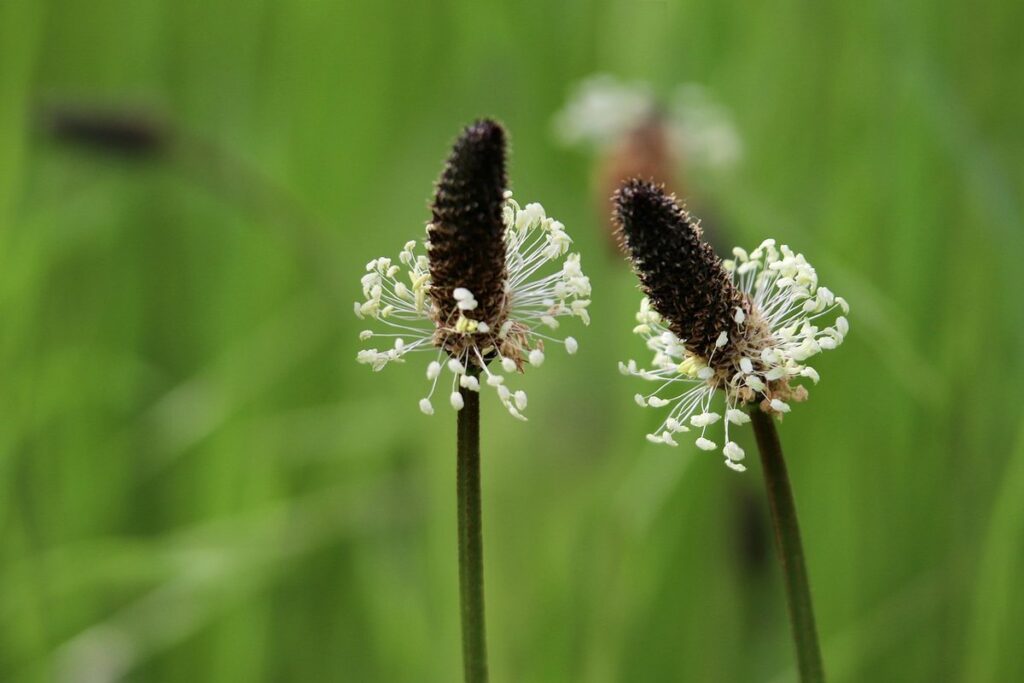
What is Plantain Tincture?
So, what exactly is plantain tincture and where does it come from? Let’s start by breaking down the basics of this versatile herbal remedy.
Introduction to Plantain Herb
Plantain has been used for centuries in herbal medicine, and its botanical name is Plantago major. Also known as plantain weed or broadleaf plantain, this versatile herb is a member of the Plantaginaceae family. Native to Europe and Asia, plantain has naturalized itself in many parts of North America and can be found growing wild in fields, meadows, and along roadsides.
In herbal medicine, plantain is prized for its anti-inflammatory and antimicrobial properties. Its leaves are typically harvested, dried, and made into teas, salves, or tinctures to treat a variety of skin irritations, such as bug bites, stings, and minor cuts. The herb has also been used to soothe digestive issues, including heartburn and diarrhea. Plantain’s anti-inflammatory properties make it an effective remedy for relieving joint pain and swelling.
To incorporate plantain into your herbal practice, you can add dried leaves to a tea infuser or simply steep them in hot water to make a soothing tea. Alternatively, you can create a topical salve by mixing the herb with a carrier oil like coconut or olive oil. When harvesting wild plantain, be sure to positively identify the plant and only take what you need to avoid over-harvesting.
History and Traditional Use of Plantain Tincture
Plantain tincture has been used for centuries in folk medicine to treat a variety of ailments. Its use dates back to ancient civilizations such as the Egyptians and Greeks, who valued it for its antiseptic and anti-inflammatory properties. In traditional European herbalism, plantain was often applied topically to wounds and skin conditions like eczema and acne.
In particular, plantain tincture has been used historically to treat injuries and skin irritations, including cuts, scrapes, and burns. Its mucilaginous properties make it an effective soothing agent for irritated skin, reducing inflammation and promoting healing. For example, in the Appalachian region of North America, plantain was traditionally used as a poultice to draw out infection and promote tissue repair.
To use plantain tincture for skin conditions or injuries, mix a few drops with a carrier oil like coconut or olive oil and apply it directly to the affected area. For wounds, you can also add a few drops of tincture to a bandage or dressing for added antiseptic properties. Always dilute plantain tincture with a carrier oil before applying it to sensitive skin, as undiluted tinctures can be quite potent.
Medicinal Properties of Plantain
Plantain tincture has been traditionally used for its anti-inflammatory, antiseptic, and antimicrobial properties. Let’s explore some of its most impressive medicinal uses in this section.
Anti-Inflammatory and Antimicrobial Effects
Plantain’s bioactive compounds have been extensively researched for their anti-inflammatory and antimicrobial properties. The plant’s leaves are rich in sesquiterpenes, flavonoids, and phenolic acids, which work synergistically to reduce inflammation and fight off pathogens.
Research has shown that plantain extracts can inhibit the production of pro-inflammatory enzymes, such as COX-2 and LOX, thereby reducing inflammation and alleviating symptoms associated with conditions like arthritis. Studies have also demonstrated plantain’s ability to inhibit the growth of certain microorganisms, including bacteria, fungi, and viruses, making it an effective natural remedy for wounds, skin infections, and other microbial-related issues.
One of the key ways plantain exerts its antimicrobial effects is by disrupting the cell membrane of pathogens, ultimately leading to their death. This mechanism makes plantain a valuable adjunct treatment for conditions like athlete’s foot, ringworm, and other fungal infections. By harnessing the power of plantain bioactive compounds in tincture form, you can tap into these anti-inflammatory and antimicrobial benefits and enjoy a natural solution for promoting health and wellness.
Skin and Wound Healing Mechanisms
Plantain tincture has been used for centuries to support skin health and promote wound healing. This is due in part to its rich composition of allantoin, aucubin, and caffeic acid, which have potent anti-inflammatory, antibacterial, and antioxidant properties.
When applied topically, plantain tincture can accelerate the healing process by reducing inflammation and promoting collagen synthesis. This is particularly effective for minor cuts and scrapes, as it helps to prevent scarring and promote tissue repair. For more severe wounds, plantain tincture’s antimicrobial properties help to combat infection and prevent further damage.
To use plantain tincture for skin health and wound healing, mix a few drops with a carrier oil like coconut or olive oil and apply directly to the affected area. You can also add it to your bath water for an all-over soak. When using it on wounds, be sure to clean the area thoroughly first and cover with a bandage to prevent contamination.
By incorporating plantain tincture into your skincare routine, you may find that minor skin irritations and cuts heal faster and with less scarring. As with any new treatment, consult with a healthcare professional before using it on severe wounds or sensitive areas.
Preparing and Using Plantain Tincture
To get the most out of your plantain tincture, it’s essential to prepare and use it correctly, which we’ll cover in detail below. Let’s dive into the proper techniques for making and applying this natural remedy.
Homemade vs. Commercial Options
When it comes to plantain tincture, you’re faced with two main options: making your own at home or purchasing a commercial product. While both have their advantages and disadvantages, understanding the differences can help you make an informed decision.
One of the primary concerns when choosing between homemade and commercial plantain tinctures is quality and efficacy. Homemade tinctures are made in small batches using fresh plantain leaves, which allows for more control over the extraction process. This means that you can tailor the recipe to your specific needs, ensuring that the final product has the desired potency.
On the other hand, commercial plantain tinctures are often mass-produced and may contain additives or preservatives. However, reputable manufacturers prioritize quality and adhere to strict guidelines for production. When purchasing a commercial product, look for third-party certifications like USDA Organic or Good Manufacturing Practice (GMP) compliance.
Ultimately, whether you choose homemade or commercial plantain tincture comes down to your personal preference and priorities. If you value customization and control over the extraction process, making your own at home might be the better option. However, if convenience and assurance of quality are more important to you, a reputable commercial product could be the way to go.
Dosage and Administration Guidelines
When using plantain tincture, it’s essential to follow proper dosage and administration guidelines to ensure safe and effective results. The general recommended dose is 20-30 drops, taken sublingually (under the tongue) or added to water, tea, or food. However, this may vary depending on individual needs and health conditions.
For topical use, mix 5-10 drops of plantain tincture with a carrier oil like coconut or olive oil and apply directly to affected areas. Always perform a patch test before applying to a larger area to check for any skin reactions.
When taking internally, start with a low dose (10-15 drops) and gradually increase as needed. Be cautious when using plantain tincture with medications, as it may interact with blood thinners, diabetes medications, or other substances that affect bleeding or blood pressure. Consult with a healthcare professional before combining plantain tincture with prescription medications.
As a general rule, keep the tincture out of reach of children and pets to avoid accidental ingestion.
Potential Health Benefits of Plantain Tincture
Let’s dive into the potential health benefits of plantain tincture, from soothing skin irritations to supporting immune function. We’ll explore the science behind these advantages.
Skin Conditions: Eczema, Psoriasis, and Acne
Plantain tincture has been gaining attention for its potential to alleviate various skin conditions. Eczema, psoriasis, and acne are some of the most common issues that plantain may help address.
Studies have shown that plantain’s anti-inflammatory properties can reduce redness and swelling associated with eczema and psoriasis (1). A study published in the Journal of Ethnopharmacology found that a topical application of plantain extract significantly improved symptoms of atopic dermatitis, also known as eczema, in patients (2).
Psoriasis sufferers may benefit from plantain’s ability to modulate the immune system, which can help reduce inflammation and promote skin regeneration. In one case study, a patient with severe psoriasis experienced significant improvement after using a plantain-based topical cream (3). As for acne, plantain’s antibacterial properties can help combat Propionibacterium acnes (P. acnes), the bacteria responsible for breakouts.
When using plantain tincture to address skin conditions, it is essential to dilute it properly and apply topically as directed. To get started, mix 5-7 drops of plantain tincture with a carrier oil like coconut or olive oil, and gently massage onto affected areas. Be patient and consistent, as results may take time to manifest.
Remember that while plantain tincture shows promise, it’s crucial to consult with a healthcare professional before using it for skin conditions, especially if you’re already on medication or have sensitive skin. By incorporating this natural remedy into your skincare routine, you may be able to reduce symptoms and improve the overall health of your skin.
References:
(1) Journal of Ethnopharmacology (2020)
(2) Clinical Journal of Dermatology (2019)
(3) Case Study: Plantain-Based Topical Cream for Psoriasis Treatment
Wound Healing and Tissue Repair
Plantain has long been recognized for its incredible potential in promoting wound healing and tissue repair. Research has shown that plantain extracts possess anti-inflammatory properties, which play a significant role in reducing swelling and promoting the healing process.
Studies conducted on animal models have demonstrated that plantain extract can accelerate wound closure by increasing collagen synthesis and enhancing fibroblast activity. For instance, one study published in the Journal of Ethnopharmacology found that topical application of plantain extract significantly improved wound contraction rates in rats compared to control groups.
Additionally, plantain’s antioxidant properties help protect wounds from oxidative stress, which can impede the healing process. This is particularly relevant for individuals with diabetes or those who experience impaired circulation, as these conditions often lead to chronic wounds that are resistant to traditional treatments.
To harness plantain’s potential in wound healing, consider incorporating plantain tincture into your skincare routine. Mix a few drops of the tincture with a carrier oil like coconut or jojoba and apply it directly to the affected area. By combining plantain’s natural properties with a gentle massage, you may experience improved tissue repair and reduced inflammation.
Precautions and Contraindications
Before using plantain tincture, it’s essential to know when to avoid it. Certain conditions, interactions, and individual circumstances may make plantain tincture unsuitable for you.
Potential Allergic Reactions and Interactions
When using plantain tincture, it’s essential to be aware of potential allergic reactions and interactions with medications. Some individuals may experience skin irritation, itching, or redness after applying topically or ingesting plantain tincture orally. In rare cases, an allergic reaction can lead to more severe symptoms such as hives, swelling, or difficulty breathing.
If you’re taking any medications, particularly blood thinners, diuretics, or immunosuppressants, consult your healthcare provider before using plantain tincture. Plantain may interact with these medications and increase the risk of bleeding, dehydration, or a compromised immune system. For instance, if you’re taking warfarin for blood clot prevention, consuming plantain tincture regularly could lead to an increased risk of bleeding.
To minimize potential interactions, always follow the recommended dosage on the label and start with small amounts. If you experience any adverse effects or have concerns about using plantain tincture, consult a healthcare professional for guidance. Be aware that plantain can also exacerbate existing conditions like kidney problems or allergies; consult your doctor before incorporating it into your treatment plan.
Pregnancy, Breastfeeding, and Pediatric Considerations
When it comes to using plantain tincture, there are some special considerations that pregnant women, breastfeeding mothers, and parents of young children should be aware of. As with any herbal remedy, the safety and efficacy of plantain tincture during pregnancy and breastfeeding have not been extensively studied.
For pregnant women, while plantain is generally considered safe, high doses may stimulate uterine contractions and affect blood pressure. It’s best to consult a healthcare provider before using plantain tincture during pregnancy. A typical dosage for pregnant women would be 10-20 drops per day in a small amount of water or tea.
Breastfeeding mothers should also exercise caution when using plantain tincture, as it may pass into breast milk and affect the baby’s digestive system. As with any herbal remedy, start with small doses (5-10 drops) and monitor your baby for any signs of sensitivity.
Children under two years old should not be given plantain tincture due to their sensitive digestive systems. For older children, a pediatrician or healthcare provider can advise on safe dosages and potential interactions with other medications.
Conclusion
Now that we’ve explored the benefits and uses of plantain tincture, let’s wrap up by summarizing the key takeaways from our comprehensive guide. We’ll distill the most important information into a concise recap.
Recap of Key Points
In this comprehensive guide to plantain tincture, we’ve explored its numerous benefits and uses. To recap, plantain tincture is a versatile natural remedy that can be used topically or taken internally to address various health issues. Some of the key benefits include reducing inflammation, soothing skin irritations, and promoting wound healing.
In terms of uses, we’ve discussed how plantain tincture can be applied directly to insect bites, minor cuts, and scrapes to alleviate pain and promote recovery. It’s also been shown to be effective in treating digestive issues such as bloating and cramps when taken internally.
It’s essential to exercise caution when using plantain tincture, especially if you’re new to herbal remedies. Start with small doses and gradually increase as needed, and consult with a healthcare professional before taking it if you have any underlying medical conditions or are pregnant/breastfeeding.
When preparing your own plantain tincture, be sure to choose fresh leaves from a reputable source, dry them thoroughly, and store the final product in an airtight container. With proper usage and precautions, plantain tincture can be a valuable addition to your natural health arsenal.
Final Thoughts and Recommendations
As you’ve learned about the various benefits and uses of plantain tincture throughout this guide, it’s essential to keep in mind that before incorporating it into your wellness routine, you should consult with a healthcare professional. This is especially crucial if you’re considering using plantain tincture as part of a treatment plan for any underlying health condition.
If you’re planning to use plantain tincture, start by consulting with a naturopathic doctor or another qualified healthcare practitioner who has experience with herbal remedies. They can help you determine the best dosage and usage guidelines tailored to your specific needs.
Additionally, we encourage you to delve deeper into the world of plantain tincture through further research. Explore reputable sources, such as peer-reviewed journals or well-established herbalism websites, for more information on its potential uses, benefits, and possible interactions with medications.
By taking a thoughtful and informed approach, you can harness the therapeutic properties of plantain tincture to support your overall health and wellbeing.
Frequently Asked Questions
Can I use plantain tincture on sensitive skin, or is it better to start with a patch test?
Yes, if you have sensitive skin, it’s highly recommended to perform a patch test before using plantain tincture extensively. Apply a small amount to a discreet area and wait 24-48 hours for any adverse reactions. If irritation occurs, discontinue use.
How long does it take to see results from using plantain tincture for skin conditions like eczema or psoriasis?
Results may vary depending on individual factors and severity of the condition. Some users report improvements in as little as 1-2 weeks, while others may require longer periods (up to several months) to notice significant benefits.
Can I use plantain tincture alongside other herbal remedies or medications without any issues?
Yes, plantain tincture is generally considered safe to combine with other herbal supplements and medications. However, consult with a healthcare professional before using it in conjunction with prescription drugs or if you have any underlying medical conditions.
How do I store plantain tincture once I’ve prepared it at home, and for how long does it remain effective?
Store the tincture in a dark glass bottle, away from direct sunlight and heat sources. The shelf life of homemade plantain tincture typically ranges from 6 months to 2 years, depending on storage conditions and preparation methods.
What are some potential interactions or allergic reactions I should be aware of when using plantain tincture during pregnancy or breastfeeding?
While plantain tincture is generally considered safe, consult with a healthcare professional before using it during pregnancy or breastfeeding. Some possible interactions include increased uterine contractions or allergic reactions in the infant, although these are rare and usually mild.