
As a hosta lover, there’s nothing more frustrating than seeing your beautiful plants ravaged by hungry deer. These majestic creatures can be both a delight to watch and a nightmare for gardeners, as they have no qualms about munching on prized plants like hostas. Deer damage not only destroys the aesthetic of your garden but also requires costly replacements, making it essential to take proactive measures to protect your hostas. Fortunately, there are effective ways to keep deer away from your hostas, and in this article, we’ll explore the best repellents, physical barriers, and landscape design strategies to help you maintain a beautiful and deer-free garden.
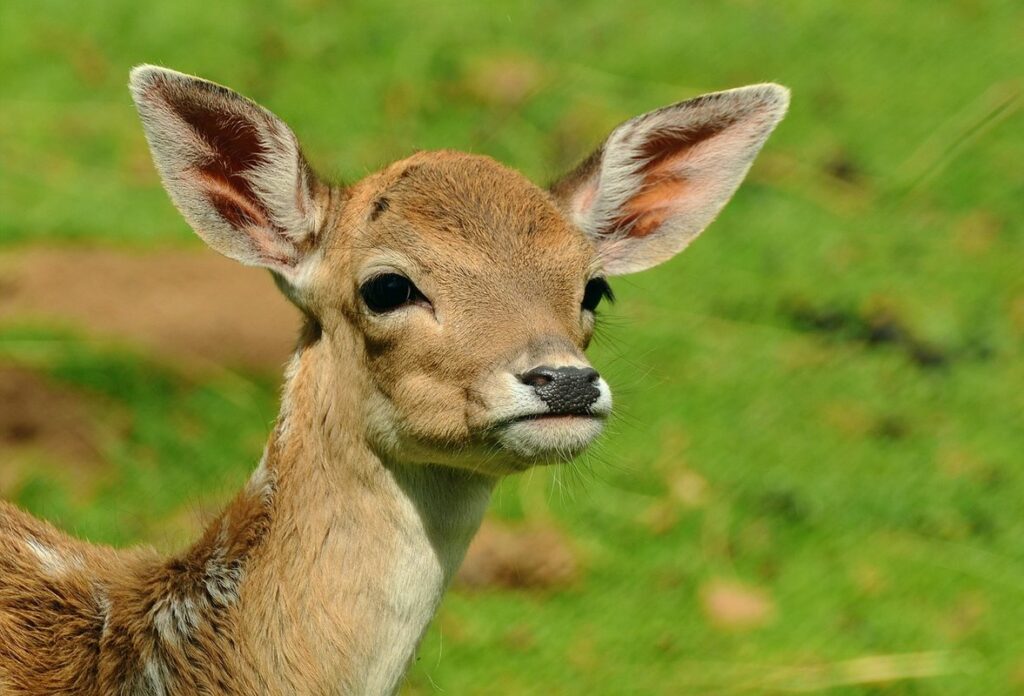
Understanding the Problem
Deer damage to hostas is often a symptom of a larger issue, such as lack of natural food sources or insufficient fencing. Let’s examine some common problems that lead to deer feeding on these beloved plants.
Why Deer Love Hostas
Hostas are a deer’s dream come true. These beautiful perennials offer a rich source of nutrition and irresistible attractant qualities that make them a magnet for these herbivores. Deer find hostas particularly appealing due to their high nutritional value, which includes proteins, carbohydrates, and fiber. The plant’s leaves are also rich in moisture, making them an attractive snack during dry seasons.
But what makes hostas even more enticing to deer is their unique combination of volatile compounds, such as isothiocyanates and aldehydes, which have a pungent aroma that signals the presence of a nutritious meal. Deer can detect these scents from far away, leading them straight to your prized hosta plants.
It’s not just the nutritional value or scent that draws deer to hostas – it’s also their accessibility. Hostas are often planted in shaded areas, providing an ideal hiding spot for deer to sneak up and feed without being seen. If you’re tired of watching your beautiful hostas get devoured by these unwanted visitors, it’s essential to understand the underlying reasons why they’re so appealing. By doing so, you’ll be better equipped to implement effective strategies to keep deer away from your hostas.
The Impact of Deer Damage
When deer feed on hostas, they can cause significant damage to these beautiful plants. The effects of deer feeding on hostas can be seen not only in the plant’s physical appearance but also in its overall health and the potential risks it poses to humans and pets.
The initial signs of deer damage may include chewed leaves, torn stems, and uprooted plants. If left unchecked, this can lead to the loss of ornamental value as hostas become unrecognizable and unsightly. Moreover, deer feeding on hostas can also compromise their overall health, making them more susceptible to diseases and pests.
From a human perspective, deer damage to hostas can be particularly concerning if the plants are grown near walkways or seating areas. Deer may also carry ticks and other parasites that can be transmitted to humans and pets who come into contact with contaminated plants.
Repellent Methods
To effectively keep deer away from your hostas, repellent methods can be a simple and non-toxic solution to deter them. We’ll explore some effective repellents you can use in this section.
Homemade Repellents
Creating homemade repellents is an effective way to keep deer away from your hostas without breaking the bank. One of the most popular ingredients used in these DIY concoctions is hot peppers. Deer detest the pungent smell and taste of capsaicin, the active compound found in chili peppers. To make a hot pepper spray, simply blend 2-3 hot peppers with water, then strain the mixture through a cheesecloth or fine-mesh sieve into a spray bottle.
Garlic is another common household item that repels deer. Deer have a strong aversion to the smell of garlic, which can be used in a variety of ways, including making a spray by blending minced garlic with water and soap. Soap can also be used on its own as a repellent, as deer don’t like the feel or taste of it. Mix 1 tablespoon of dish soap with 1 quart of water and spray it around your hostas to keep deer away.
Another option is using commercial soap bars like Dial or Softsoap, which contain fragrances that repel deer. Rub the bar directly on the leaves and stems of your hostas to create a barrier.
Commercial Repellents
Commercial repellents are widely available on the market, claiming to keep deer away from hostas. Let’s examine their effectiveness and explore which products may be worth considering.
Sprays are a popular option, typically containing capsaicin or hot peppers as the active ingredient. These sprays work by deterring deer through their strong scent and taste. For example, Deer Scram Repellent Spray contains 0.25% capsaicin and has received positive reviews from users. However, results may vary depending on the product and application method.
Granules are another type of commercial repellent that can be sprinkled around the perimeter of your hostas. These usually contain a combination of ingredients such as sulfur, garlic, and hot peppers. Some popular options include Liquid Fence Deer Repellent Granules and Shake-Away Deer Granules. While these products may provide some protection, it’s essential to reapply them regularly according to the manufacturer’s instructions.
When choosing commercial repellents, consider factors like ingredient strength, coverage area, and price. It’s also crucial to follow product application instructions carefully to ensure maximum effectiveness.
Physical Barriers
To keep deer away from hostas, let’s take a closer look at physical barriers that can be used to protect these beloved plants. From fencing to repellents, we’ll explore options for your yard.
Fencing Options
When it comes to protecting your hostas from deer, physical barriers like fencing are an effective solution. Different types of fencing materials can be used to keep deer at bay, each with its own set of advantages and disadvantages.
Wooden fences are a popular choice for gardeners due to their natural appearance and ease of installation. However, they may not be as durable as other options and can be prone to rot and insect damage if not treated properly. On the other hand, metal fencing is highly effective at deterring deer but can be more expensive upfront and requires regular maintenance to prevent rust.
Plastic fencing offers a more budget-friendly option that’s easy to install and maintain. However, its durability may vary depending on the quality of the material used. Consider factors like fence height, mesh size, and post spacing when choosing the right type of fencing for your hostas. It’s also essential to ensure that the fence is at least 6 feet tall to prevent deer from jumping over it.
Ultimately, the best fencing option will depend on your specific needs and budget. If you’re looking for a more affordable solution, plastic or wood may be worth considering. However, if you want a high level of protection against deer, metal might be the better choice.
Planting Deer-Resistant Alternatives
When it comes to planting deer-resistant alternatives alongside or instead of hostas, you’ll want to focus on low-maintenance options that are less appealing to deer. Consider introducing some daffodils (Narcissus pseudonarcissus) – their bulbs contain a toxic compound called lycorine, which repels deer and other wildlife.
Another option is boxwood (Buxus sempervirens), a dense shrub that’s unappealing to deer due to its bitter taste. Be sure to plant multiple boxwoods together, as single specimens can be attractive to deer.
You might also consider coneflowers (Echinacea spp.) or black-eyed Susans (Rudbeckia hirta), both of which are low-maintenance and relatively deer-resistant. These plants are easy to care for and will attract pollinators to your garden while deterring deer from feeding on hostas.
Remember, a mix of plant species can be more effective in keeping deer away than relying on a single type. Plant these deer-resistant alternatives alongside or instead of hostas to create a balanced, less appealing environment for deer.
Plant Selection and Care
When it comes to keeping deer away from your hostas, selecting the right plants and knowing how to care for them is crucial for long-term success. We’ll walk you through the best options to choose from.
Choosing Deer-Resistant Hosta Varieties
When it comes to growing hostas that can withstand deer damage, choosing the right variety is crucial. Not all hosta types are created equal when it comes to resisting deer feeding. Some varieties are bred specifically for their resistance to deer and other animals.
Look for hosta varieties that have a high growth rate and dense foliage, as these tend to be less appealing to deer. ‘Blue Ivory’ and ‘June Embers’ are good examples of deer-resistant hostas that thrive in USDA zones 3-8 and 4-9 respectively. ‘Krossa Regal’, another popular variety, has dense, dark green leaves and can tolerate extreme weather conditions.
When selecting a hosta variety for your specific climate, consider factors like temperature, humidity, and sunlight exposure. Some hostas perform better in cooler temperatures while others prefer warmer climates. Research the growing requirements of each variety to ensure you choose one that will thrive in your region.
Ultimately, combining deer-resistant hosta varieties with other effective deer deterrents can significantly reduce damage. Consider combining plant selection strategies with fencing or repellent methods for a comprehensive approach to protecting your hostas from deer feeding.
Proper Planting and Maintenance Techniques
When planting hostas, it’s essential to consider techniques that make them less appealing to deer. A well-maintained garden can significantly reduce the likelihood of deer damage. To start, use a layer of mulch around the base of each plant. This not only suppresses weed growth but also makes it difficult for deer to access the hostas’ roots.
Compost is another excellent addition to your soil. Rich in nutrients, compost promotes healthy plant growth and can help deter deer by making the plants less palatable. Mix a generous amount into the soil before planting or spread it around established plants as a top dressing.
When maintaining your hosta garden, avoid overwatering, which can make the plants more susceptible to deer damage. Instead, water them deeply but infrequently to encourage deep root growth. This will help the hostas become more resilient and less appealing to deer. Regularly removing weeds and debris from around the plants also makes it harder for deer to find a food source.
Landscape Design Strategies
When it comes to keeping deer away from hostas, having a solid landscape design strategy is key to preventing these pesky critters from getting too close. Here are some effective ways to use your space to deter deer.
Creating Deer-Proof Borders
When it comes to creating deer-proof borders around gardens and landscapes, incorporating repellents and physical barriers is crucial. Deer are drawn to easily accessible areas, so designing a barrier that discourages them from entering can be an effective deterrent.
One way to do this is by using plants that are unpalatable or toxic to deer, such as daffodils, hyacinths, and lavender. These plants will repel deer without harming the environment. You can also incorporate physical barriers like fencing, which should extend at least 3-4 feet above ground level to prevent jumping.
Another option is to use a combination of repellents and plantings that deer tend to avoid. For example, incorporating native plants with strong scents or bitter tastes can deter deer from entering the area. Consider using plants like garlic, hot peppers, or mint, which are known to repel deer.
When choosing physical barriers, consider materials like chicken wire or hardware cloth to prevent deer from easily chewing through them. Make sure to bury any fencing at least 12 inches underground to prevent digging. With a combination of repellents and physical barriers, you can create an inhospitable environment for deer, protecting your hostas and other plants.
Incorporating Deer-Deterrent Plants
When it comes to keeping deer away from hostas, incorporating deer-deterrent plants into your landscape design can be a game-changer. These plants release chemicals that repel deer, making them an effective addition to your garden.
Some excellent choices for deer-deterrent plants include lavender, rosemary, and daffodils. Planting these species alongside your hostas will not only add beauty to your garden but also help keep deer at bay. Deer don’t like the smell or taste of these plants, so they’re less likely to venture near.
Consider planting a mix of flowers and herbs to create a barrier around your hosta bed. For example, you could plant lavender along the perimeter of the bed and intersperse rosemary throughout. This will create a fragrant, deer-repellent boundary that’s both attractive and effective.
Remember to choose plants that are suitable for your climate and soil type. By incorporating deer-deterrent plants into your landscape design, you can enjoy healthy, undamaged hostas without the worry of deer damage.
Additional Tips and Considerations
Even with a solid defense plan in place, it’s always good to be prepared for those sneaky deer. Here are some extra tips to help you outsmart them altogether!
Using Motion-Activated Sprinklers
Motion-activated sprinklers can be an effective deterrent for keeping deer away from hostas. These devices are designed to startle wildlife with a sudden burst of water when they approach the area. By placing them strategically around your hosta plants, you can create a perimeter that deters deer from entering.
When choosing motion-activated sprinklers, look for models that have adjustable sensitivity settings and wide detection zones. This will allow you to customize the system to your specific needs and cover more ground. Some popular options include models that can detect movement up to 50 feet away or have multiple spray patterns to target deer effectively.
To use motion-activated sprinklers successfully, remember to test them first to ensure they’re working as intended. Also, be mindful of the surrounding environment and adjust the placement accordingly. For example, avoid placing them near water sources or areas where rainwater might collect, which could trigger false alarms. With proper installation and maintenance, motion-activated sprinklers can provide an effective and humane way to keep deer away from your hostas.
Regular Monitoring and Maintenance
Regularly monitoring your hostas for signs of deer damage is crucial to prevent further destruction. Deer are opportunistic feeders and can consume a significant portion of your hosta collection in a single night. Check your plants frequently, especially during peak deer feeding seasons, which typically occur in spring and fall when food sources are scarce.
Look for signs of deer activity such as nibbled leaves, broken stems, or disturbed soil. If you notice any damage, take prompt action to deter future visits. Maintain a healthy landscape by pruning back hostas after they’ve finished blooming, which will help reduce their appeal to deer. Additionally, plant deer-resistant companion plants alongside your hostas to create a more balanced ecosystem.
By staying vigilant and maintaining an attractive landscape, you’ll be less likely to attract deer to your garden in the first place. This simple yet effective approach can save you time, money, and frustration down the line. Remember, prevention is key when it comes to keeping deer away from your hostas.
Frequently Asked Questions
Can I use a combination of repellents for maximum effectiveness?
Yes, using multiple repellent methods together can be an effective way to deter deer from your hostas. By combining physical barriers with commercial or homemade repellents, you can create a layered defense system that’s more likely to keep deer away. For example, using fencing and plant selection in conjunction with a commercial repellent can provide an extra layer of protection for your plants.
How do I choose the right type of fencing for my hostas?
Choosing the right fencing material is crucial when trying to protect your hostas from deer damage. Consider materials like wood, metal, or plastic mesh that are sturdy and difficult for deer to chew through. The size and height of the fence also matter; a fence that’s at least 3 feet tall can help deter smaller deer species. You may want to consider consulting with local wildlife experts to determine the most effective fencing option for your specific region.
What if I have a small garden with limited space – are there still options available?
Even if you have a small garden, there are still ways to protect your hostas from deer damage. Consider using portable repellents like sprays or granules that can be easily applied to individual plants. You could also try using plant covers or row covers to prevent deer from accessing the leaves of your hostas. These solutions might require more frequent application or replacement, but they can still provide some level of protection.
Can I use natural deterrents like hot peppers or garlic to repel deer?
Yes, certain natural ingredients like hot peppers and garlic can be used as repellents for deer. However, it’s essential to note that their effectiveness may vary depending on the specific deer population in your area. You might also need to reapply these repellents regularly, especially during dry spells when they tend to lose potency. Additionally, be cautious not to overuse these substances, as they can still harm other wildlife or garden inhabitants.
What are some common mistakes people make when trying to protect their hostas from deer?
One common mistake is underestimating the tenacity of deer and relying solely on repellents without implementing physical barriers. Another error is using repellents that have lost their potency over time, requiring reapplication. It’s also essential to recognize that deer behavior can change seasonally or in response to environmental factors, so regular monitoring and adjustments are necessary for an effective defense strategy.